How to Fix Kitchen Drawer Track: DIY Repair Guide
Are you tired of that stubborn kitchen drawer that just won't glide smoothly? It’s frustrating, isn’t it?
You’re not alone. Many homeowners face this common issue, and the good news is, fixing a kitchen drawer track isn't as daunting as it may seem. In this guide, you'll discover simple, effective steps to get your drawers back on track—literally.
Imagine the satisfaction of a smooth, effortless pull every time you reach for a utensil or kitchen gadget. Keep reading, and you'll learn how to tackle this small yet impactful home repair with ease, saving you both time and money.

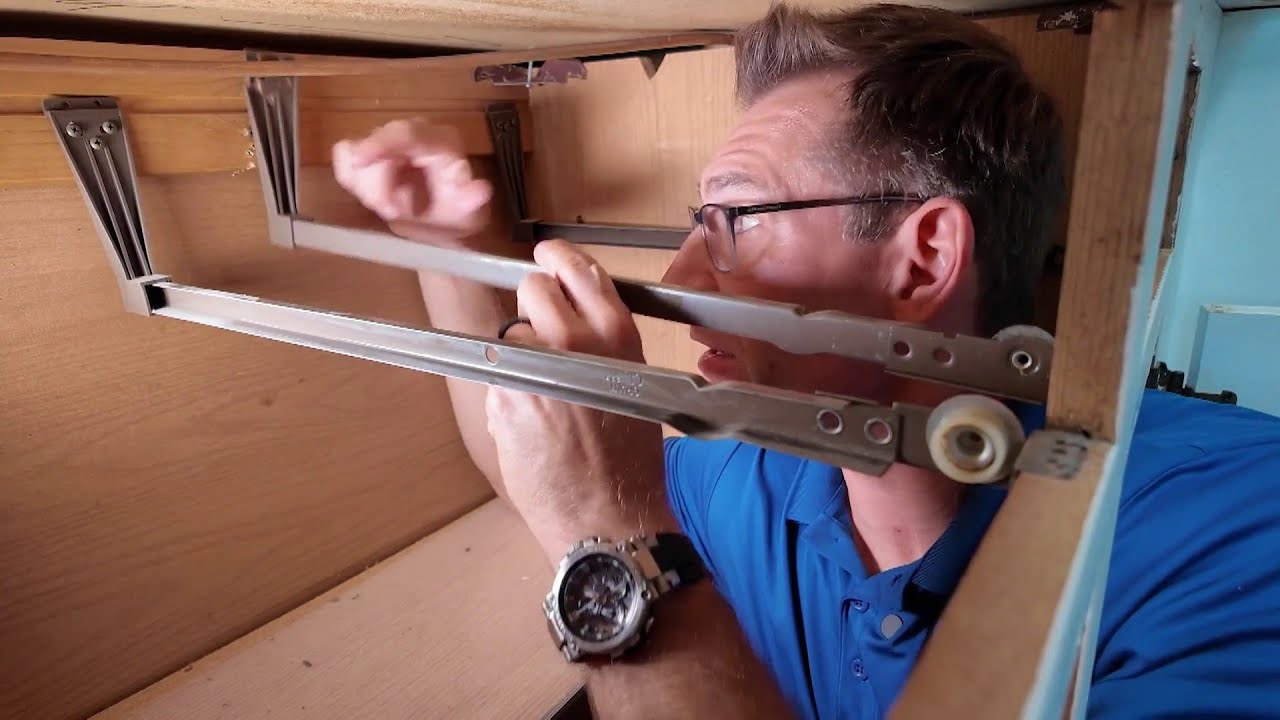
Credit: www.familyhandyman.com
Identify Common Drawer Track Issues
Kitchen drawers often stop working smoothly because their tracks have problems. Fixing these issues can make your drawers slide properly again.
Knowing what to look for helps you find the cause. This guide covers common drawer track problems.
Check For Misalignment
Misalignment means the drawer track parts do not line up correctly. This makes the drawer hard to open or close.
Look to see if the track is crooked or if the drawer slides unevenly.
- Drawer stops before closing fully
- Drawer feels stuck or tilted
- Track parts do not match on both sides
Look For Dirt And Debris
Dirt, crumbs, and small objects can get inside the drawer track. This blocks the track and stops smooth sliding.
Check inside the track and clean out any dirt or debris you find.
- Dust buildup inside the track
- Food crumbs caught in rollers or guides
- Small objects stuck between parts
Inspect For Damaged Parts
Parts of the drawer track can break or wear out. Bent metal or broken rollers cause problems.
Look closely at the track pieces and rollers for cracks or bends.
- Cracked or broken plastic rollers
- Bent metal tracks or guides
- Loose screws or missing parts
Credit: www.tallsen.com
Gather Necessary Tools And Materials
Fixing a kitchen drawer track is easier when you have the right tools and parts. Prepare everything before you start.
This guide helps you collect all basic tools and replacement options needed for the repair.
Basic Tools Needed
Use these common tools to remove and replace the drawer track safely and correctly.
- Screwdriver (flathead and Phillips)
- Measuring tape
- Hammer
- Drill with drill bits
- Pliers
- Level
- Cleaning cloth
Replacement Parts Options
Choose the right replacement parts to match your drawer track type and size.
| Part | Description | Material |
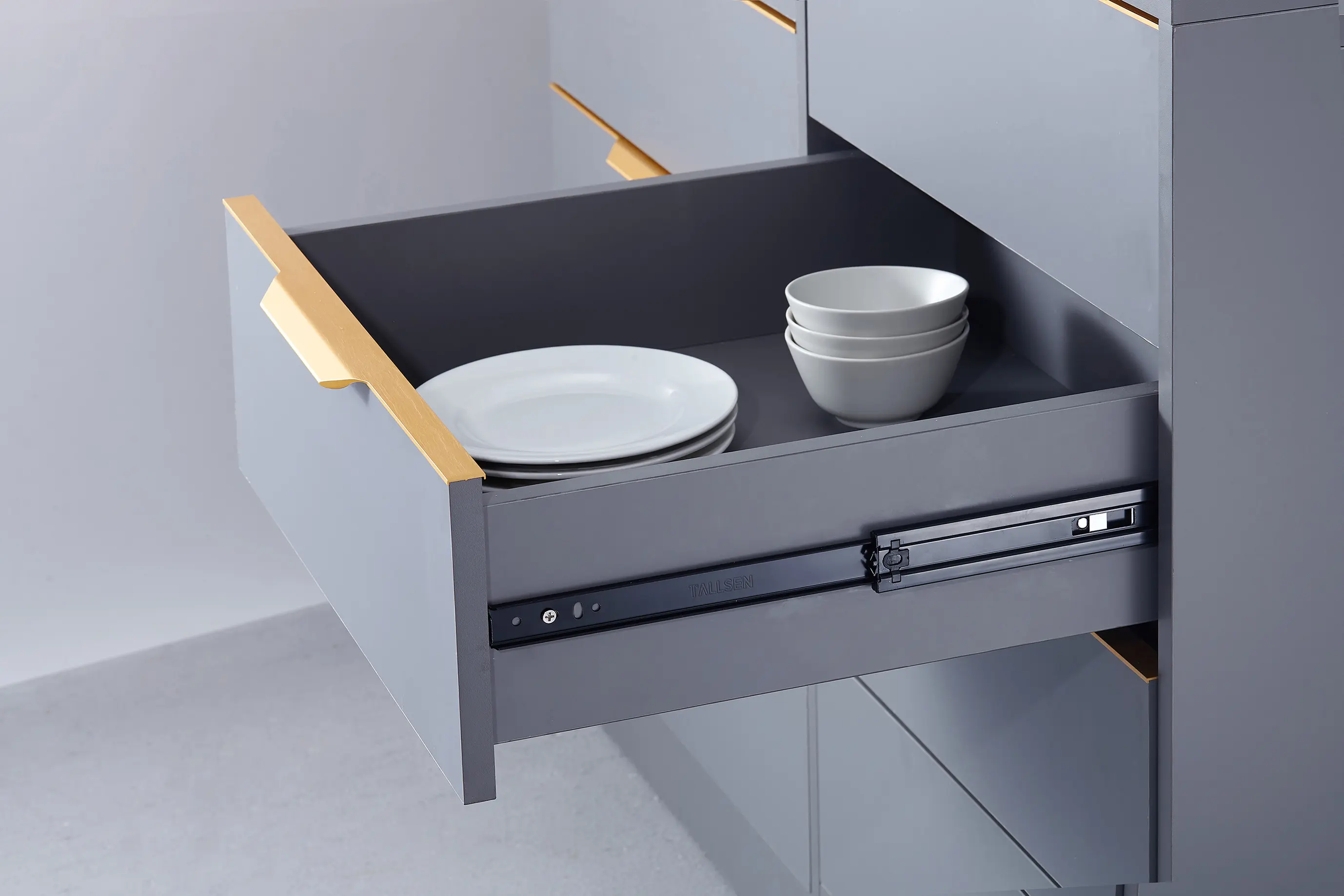
| Side-mount slides | Attached on drawer sides, common type | Steel or nylon |
| Under-mount slides | Hidden under drawer, smooth operation | Steel with nylon rollers |
| Center-mount slides | Single slide under drawer center | Steel |
| Soft-close mechanism | Prevents slamming, slows closing | Metal and plastic |
Remove The Drawer Safely
Removing a kitchen drawer safely is important before fixing its track. Take your time and avoid forcing the drawer out.
This guide explains how to release drawer stops and handle heavy drawers carefully.
How To Release Drawer Stops
Most kitchen drawers have stops that prevent them from pulling out completely. To remove the drawer, you must release these stops first.
- Fully open the drawer until it stops moving.
- Look under the sides or bottom for a plastic or metal clip.
- Press or lift the clip to release the stop mechanism.
- While holding the clip, pull the drawer straight out.
- If there is no clip, check for screws or levers near the track.
Be gentle during this process to avoid damaging the drawer or the track system.
Tips For Handling Heavy Drawers
Kitchen drawers can be heavy, especially when full. Follow these tips to handle them safely.
| Tip | Description |
| Clear the drawer | Remove items to reduce weight before pulling out. |
| Use both hands | Support the drawer evenly from both sides. |
| Ask for help | Get assistance if the drawer is too heavy to lift alone. |
| Lift carefully | Lift the drawer straight out to avoid damaging tracks. |
| Place on flat surface | Set the drawer down on a stable surface to avoid dropping. |
Clean And Lubricate The Tracks
Kitchen drawer tracks can get dirty and sticky over time. Cleaning and lubricating them helps the drawer slide smoothly. This guide shows simple ways to clean and lubricate your drawer tracks.
Regular care prevents damage and keeps your kitchen working well. You only need a few tools and materials to do this job right.
Best Cleaning Methods
Start by removing the drawer from the cabinet. Use a vacuum or a soft brush to clear out dust and crumbs. Then, wipe the tracks with a damp cloth to remove sticky dirt.
- Vacuum loose debris inside the tracks
- Use a mild soap solution on a cloth for sticky spots
- Dry the tracks completely before lubricating
- Check for any damage or bent parts
Choosing The Right Lubricant
Not all lubricants work well on drawer tracks. Avoid oily or sticky products that attract dust. Instead, pick lubricants made for metal or plastic tracks.
| Lubricant Type | Best For | Notes |
|---|---|---|
| Silicone Spray | Metal and plastic tracks | Dries quickly, no residue |
| Dry Graphite Powder | Metal tracks | Good for high heat areas |
| White Lithium Grease | Heavy-duty metal tracks | Long lasting but can attract dust |
Apply a small amount of lubricant along the track. Move the drawer back and forth to spread it evenly. Wipe away any extra lubricant to avoid buildup.
Fix Misaligned Or Loose Tracks
Kitchen drawers often become hard to open or close due to misaligned or loose tracks. Fixing these tracks can make your drawers work smoothly again. This guide explains simple ways to adjust and secure drawer tracks.
Follow these steps carefully to ensure your kitchen drawers glide properly and stay in place.
Adjusting Track Position
Misaligned tracks cause drawers to jam or slide unevenly. You can fix this by repositioning the tracks.
- Open the drawer and remove it from the cabinet by lifting it up and pulling out.
- Check the tracks on both the drawer and cabinet sides for any bends or damage.
- Loosen the screws holding the tracks with a screwdriver, but do not remove them completely.
- Move the tracks slightly up, down, left, or right to align them evenly.
- Test the drawer fit by sliding it back in carefully.
- Tighten the screws once the drawer slides smoothly without sticking.
Securing Screws And Fasteners
Loose screws can cause drawer tracks to shift and become unstable. Securing them properly keeps tracks fixed and prevents future problems.
| Type of Screw | Tool Needed | Tip for Tightening |
|---|---|---|
| Phillips head | Phillips screwdriver | Turn clockwise until snug, avoid over-tightening |
| Flat head | Flathead screwdriver | Keep screwdriver straight for better grip |
| Self-tapping | Power drill with screwdriver bit | Use low speed to avoid stripping |
Replace Damaged Tracks Or Rollers
Kitchen drawers slide smoothly because of tracks and rollers. Over time, these parts can wear out or break. Replacing damaged tracks or rollers restores your drawer’s function.
This guide shows how to remove old parts and install new ones safely and easily.
Removing Old Parts
Start by pulling the drawer out completely. Look for screws or clips holding the tracks or rollers. Remove these carefully to avoid damage.
- Empty the drawer for easier handling.
- Use a screwdriver to remove screws from the tracks.
- If rollers are clipped, gently unclip them.
- Pull off the damaged tracks or rollers from the drawer and cabinet.
- Clean the area before installing new parts.
Installing New Tracks Or Rollers
Match new tracks or rollers with the old ones. Align the new parts carefully. Secure them with screws or clips as needed.
| Part | Installation Tip |
| Track | Align straight and screw firmly to prevent movement. |
| Roller | Ensure rollers spin freely and clip tightly into place. |
| Screws | Use the same size screws or ones recommended by the manufacturer. |
Test Drawer Movement
Testing the drawer movement helps find problems in the kitchen drawer track. It shows if the drawer slides well or sticks.
Try opening and closing the drawer slowly. Listen for noises and watch how smoothly it moves.
Ensuring Smooth Sliding
Check if the drawer slides easily without force. Clean the tracks to remove dirt or debris that block smooth movement.
Lubricate the metal or plastic parts with a small amount of grease or silicone spray. This helps the drawer move better.
- Remove debris and dirt from the tracks
- Use grease or silicone spray on moving parts
- Tighten any loose screws on the tracks
- Make sure the drawer is aligned properly
Troubleshooting Persistent Issues
If the drawer still sticks or falls off the track, check for bent or broken parts. Damaged tracks need replacing.
Also, inspect the drawer itself. Warped or swollen wood can cause problems. Fix or replace damaged parts to restore movement.
- Look for bent or broken tracks
- Replace damaged drawer parts
- Adjust screws and alignment again
- Test movement after each fix
Prevent Future Drawer Track Problems
Kitchen drawer tracks can wear out or break over time. Fixing them is easy if you prevent future problems.
Taking simple steps helps keep your drawers working smoothly for years.
Regular Maintenance Tips
Check your drawer tracks often to catch small problems early. Clean dirt and dust from the tracks and rollers.
Keep the tracks lubricated using a light oil or silicone spray. This stops friction and wear.
- Remove the drawer and wipe tracks with a dry cloth
- Apply lubricant sparingly to avoid buildup
- Make sure tracks are properly aligned before reinserting drawers
- Tighten any loose screws on the tracks or drawer sides
Avoiding Common Mistakes
Do not overload drawers with heavy items. Too much weight strains the tracks and rollers.
Avoid forcing drawers open or closed if they stick. This can bend or break the tracks.
- Keep drawer loads within the recommended weight limit
- Open and close drawers gently and fully
- Do not ignore early signs of damage or sticking
- Replace worn or broken parts instead of delaying repairs
Credit: www.clickorlando.com
Frequently Asked Questions
How Do I Fix a Stuck Kitchen Drawer Track?
First, remove the drawer carefully. Clean the tracks of dust and debris. Lubricate with silicone spray. Reinstall and test smooth sliding.
What Tools Are Needed to Repair Drawer Tracks?
You need a screwdriver, lubricant spray, cleaning cloth, replacement screws, and possibly new tracks if damaged.
How Can I Align Misaligned Kitchen Drawer Tracks?
Loosen screws on the tracks. Adjust the track position slightly. Tighten screws and test the drawer's movement for smoothness.
When Should I Replace a Kitchen Drawer Track?
Replace if the track is bent, broken, or worn out. Persistent sticking or uneven sliding indicates replacement is needed.
Conclusion
Fixing a kitchen drawer track is simpler than it seems. Check the tracks and screws carefully. Clean any dirt or debris inside. Tighten loose screws to keep the drawer steady. Replace broken parts if needed. Test the drawer after each step.
Small repairs save money and frustration. Keep tools handy for quick fixes. A smooth drawer makes your kitchen wocrk easier. Regular checks prevent bigger problems later. Try these tips to fix your drawer today.