What is the Best Drain Cleaner for Kitchen Sink? Reviews
Are you tired of standing over your kitchen sink, helplessly watching the water rise instead of draining away? We’ve all been there, and it’s frustrating!
You might be wondering, “What is the best drain cleaner for my kitchen sink? ” You’re not alone—many homeowners face this common challenge. But worry not, because finding the perfect solution is easier than you think. In this guide, you’ll discover the most effective drain cleaners that can save you time and hassle.
Picture this: a sparkling clean sink and zero clogs. Sounds good, right? Keep reading to transform your kitchen sink from a problem area into a smooth-running dream.
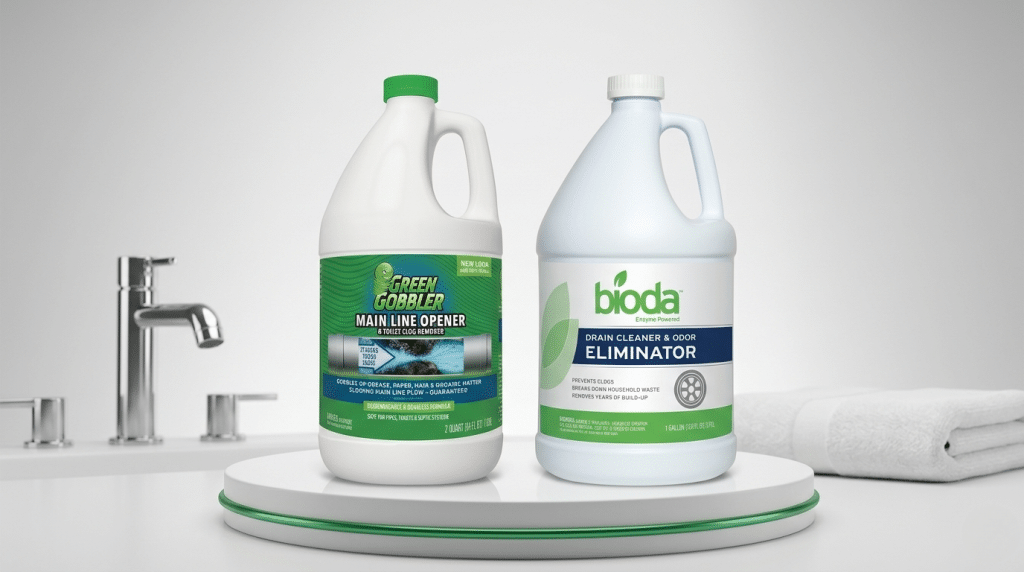
ULTIMATE Main Drain Line & Sewer Clog Remover

Credit: www.amazon.com
Common Causes Of Kitchen Sink Clogs
Kitchen sink clogs happen when things block the drainpipe. Many common materials cause these blockages. Knowing these causes helps to choose the best drain cleaner.
Some clogs form slowly, while others happen quickly. Here are common reasons why kitchen sinks get clogged.
Food Residue Buildup
Food bits often get stuck in the drain. Over time, they build up and block water flow. Small pieces like rice, pasta, or vegetable peelings can cause this.
Food waste breaks down slowly, so it can collect and harden inside pipes. This buildup narrows the drain and slows water drainage.
Grease And Oil Accumulation
Grease and cooking oils are liquid when hot but harden when cool. Pouring them down the sink causes them to stick inside pipes. This buildup traps other debris and worsens clogs.
Even small amounts of grease add up over time. They form thick layers that block the drain and cause bad odors.
Soap Scum and Mineral Deposits
Soap scum forms when soap mixes with minerals in water. This creates a sticky film inside pipes. Hard water adds more mineral deposits that build up over time.
These deposits reduce pipe size and slow water flow. They also catch other particles that cause clogs.
Foreign Objects and Debris
Small objects like bottle caps, pieces of plastic, or hair can fall into the sink. These items block the drain and cause clogs. Debris from cleaning or cooking may also get stuck.
Clearing these foreign objects quickly helps prevent bigger blockages and pipe damage.
Types Of Drain Cleaners
Choosing the right drain cleaner for your kitchen sink depends on the type of clog and your preference. Different cleaners work in different ways to clear blocked drains.
This guide explains common types of drain cleaners. You will learn how each type works and when to use them.
Chemical Drain Cleaners
Chemical drain cleaners use strong acids or bases to dissolve clogs. They work fast but can be harsh on pipes and skin.
These cleaners are best for tough blockages but need careful handling. Follow safety instructions and wear gloves.
Enzymatic And Biological Cleaners
These cleaners use natural enzymes or bacteria to break down organic material in the drain. They are gentle and eco-friendly.
- Safe for all pipes and septic systems
- Work slowly over time
- Ideal for regular maintenance
Natural And Homemade Solutions
Natural solutions use common household items to clear drains without harsh chemicals. They are inexpensive and safe.
| Ingredient | Use |
| Baking soda and vinegar | Loosen minor clogs and freshen drains |
| Salt and hot water | Clear grease and debris |
| Lemon juice | Reduce odors and clean pipes |
Mechanical Tools
Mechanical tools physically remove clogs from drains. They include plungers, drain snakes, and augers.
- Plungers use suction to clear blockages near the drain
- Drain snakes reach deeper clogs with a flexible wire
- Augers cut through tough obstructions
Criteria For Choosing the Best Drain Cleaner
Choosing the right drain cleaner for your kitchen sink is important. It helps keep your pipes clear and your kitchen running smoothly.
Different cleaners work in different ways. Some are strong and fast, while others are gentle and safe. Knowing what to look for helps you make a good choice.
Effectiveness
The best drain cleaner should clear clogs quickly and fully. It should work on grease, food scraps, and other common kitchen waste.
- Breaks down grease and fats
- Removes hair and food particles
- Works fast without multiple uses
- Prevents future build-up
Safety For Pipes And Environment
Some drain cleaners can harm pipes or pollute the environment. Choose cleaners that protect your plumbing and are eco-friendly.
| Feature | Safe Cleaner | Harsh Cleaner |
| Pipe Damage | Low risk | High risk |
| Environmental Impact | Biodegradable | Toxic chemicals |
| Skin and Eye Safety | Less Irritating | Corrosive |
Ease Of Use
Drain cleaners should be simple to apply. Clear instructions and safe handling make the process easier.
- Easy to pour or apply
- No special tools needed
- Works without long waiting times
- Safe for household use
Cost And Availability
Consider the price and where you can buy the cleaner. A good product should be affordable and easy to find.
| Cleaner Type | Price Range | Availability |
| Chemical Cleaners | $5 – $15 | Supermarkets, Hardware Stores |
| Enzyme-Based Cleaners | $10 – $20 | Online, Specialty Stores |
| Homemade Solutions | Low | Kitchen Ingredients |
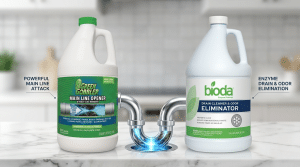
Bioda Professional Strength Enzyme Drain Cleaner

Credit: www.amazon.com
Top Drain Cleaners for Kitchen Sinks
Kitchen sink drains often get clogged from food scraps and grease. Choosing the right drain cleaner can help clear blockages quickly. There are different types of drain cleaners available for kitchen sinks.
This guide covers the best chemical, enzymatic, and natural options to keep your drains flowing well.
Best Chemical Cleaners
Chemical drain cleaners work fast by dissolving clogs. They contain strong acids or bases that break down grease and debris. Use them carefully and follow instructions to avoid damage.
- Effective for tough blockages
- Works quickly
- May cause pipe corrosion with frequent use
- Not eco-friendly
Best Enzymatic Cleaners
Enzymatic cleaners use natural enzymes and bacteria to eat away organic matter. They are safer for pipes and the environment. These cleaners work slower but help maintain drain health over time.
| Cleaner | Key Features | Use Frequency |
| Enzyme Plus | Breaks down grease and food waste | Weekly |
| Bio Drain Gel | Safe for septic systems | Twice a week |
| Natural Clear | Non-toxic and biodegradable | Weekly |
Best Natural Options
Natural drain cleaners use household ingredients to clear minor clogs. They are gentle, cheap, and safe for all pipes. These options are best for regular maintenance.
- Baking soda and vinegar mix
- Boiling water flush
- Salt and baking soda combination
- Lemon juice for fresh scent
Tips For Preventing Kitchen Sink Clogs
Keeping your kitchen sink drain clear helps avoid costly repairs. Clogs can cause water to back up and create bad smells.
Simple habits can stop most sink blockages. Follow these tips to keep water flowing freely.
Proper Waste Disposal
Throwing the wrong items down the drain can cause clogs. Avoid putting grease, food scraps, and coffee grounds in the sink.
- Scrape food scraps into the trash before washing dishes
- Pour cooled grease into a container, then throw it away
- Do not flush eggshells or coffee grounds down the drain
- Use a compost bin for organic waste when possible
Regular Maintenance Habits
Cleaning your drain regularly helps prevent buildup. Use hot water and a gentle cleaner to keep pipes clear.
- Run hot water for a few minutes after each use
- Use a mixture of baking soda and vinegar monthly to clean pipes
- Avoid harsh chemicals that can damage plumbing
- Check for leaks or slow drainage and fix them quickly
Using Sink Strainers
Sink strainers catch food and debris before they enter the drain. They are easy to use and clean.
| Type of Strainer | Best For | Cleaning Method |
|---|---|---|
| Mesh Strainer | Small food particles | Rinse under running water |
| Silicone Strainer | Grease and oil | Wash with soap and water |
| Metal Strainer | Durability and heavy debris | Scrub with brush |
Avoiding Harmful Substances
Some substances damage pipes or cause clogs. Avoid pouring chemicals and thick liquids into the sink.
- Do not pour paint or solvents down the drain
- Avoid pouring thick sauces or syrups
- Keep hair and soap scum out of the drain
- Use natural cleaners instead of strong chemicals
When To Call a Professional
Clogged kitchen sinks can be a hassle. Some blockages are easy to fix with home products. Others need expert help to avoid damage.
Knowing when to call a plumber saves time and prevents costly repairs. This guide explains key signs and risks to watch for.
Signs Of Severe Blockages
Severe blockages show clear symptoms. If you notice these, contact a professional soon.
- Water drains very slowly or not at all
- Gurgling sounds from the drain
- Unpleasant odors near the sink
- Water backing up into other drains
- Repeated clogs despite cleaning
Risks Of Diy Drain Cleaning
Trying to fix tough clogs yourself may cause problems. Some cleaners can harm pipes or your health.
| Risk | Description |
| Pipe Damage | Strong chemicals can corrode pipes over time |
| Health Hazards | Harsh fumes may cause breathing or skin issues |
| Ineffective Cleaning | DIY methods may push the clog deeper |
| Costly Repairs | Wrong tools or actions may worsen the problem |
Benefits Of Professional Services
Experts use safe tools and techniques to clear blockages well. They save you time and protect your plumbing.
- Use specialized equipment for deep cleaning
- Diagnose underlying plumbing issues
- Provide long-lasting solutions
- Offer advice to prevent future clogs
- Handle emergency situations quickly
Frequently Asked Questions
What Is the Safest Drain Cleaner for Kitchen Sinks?
Enzyme-based cleaners are safest, breaking down clogs naturally without harming pipes.
How Do Chemical Drain Cleaners Work in Kitchen Sinks?
They dissolve clogs quickly but can damage pipes if used too often.
Can Homemade Drain Cleaners Effectively Clear Kitchen Sink Clogs?
Baking soda and vinegar work for minor clogs, but severe blockages may need professional help.
How Often Should I Use Drain Cleaner in My Kitchen Sink?
Once a month is enough; overuse can harm pipes and septic systems.
Conclusion
Choosing the best drain cleaner for your kitchen sink matters. A good cleaner clears clogs fast and keeps pipes safe. Always read labels to match the cleaner with your sink type. Regular use prevents buildup and bad smells. Remember, simple care can avoid costly repairs later.
Clean drains help your kitchen stay fresh and work well. Pick a cleaner that fits your needs and use it carefully. Your kitchen sink will thank you with smooth, clog-free drains.