
Is your kitchen sink clogged? Are you staring at standing water? This is a common problem in any home. It happens to everyone sometimes. Wait before you call a plumber. Also, hold off on using that chemical cleaner. You might be able to fix this yourself.
You just need one simple tool. Yes, we mean a plunger. It is often the unsung hero of home fixes. You may ask, can I plunge a kitchen sink? We will look at how to use one well. You can tackle tough clogs easily. Do not let a clogged sink ruin your day. Let us find the simple solution now. This can save you time and money.
Why Kitchen Sinks Get Clogged
Sinks clog because waste builds up inside. This debris can slow or stop water flow. Knowing why clogs happen helps you stop them. It also helps you fix problems faster.
What Causes The Clogs?
Several things cause kitchen sink clogs. Most blocks come from what goes down the drain.
-
Large or sticky food scraps
-
Oil and grease that harden in pipes
-
Soap scum mixed with dirt
-
Hair and small pieces of trash
-
Loose parts in the drain trap
Grease is a major problem. It looks like liquid. Then it turns solid inside the pipes. This traps other junk and blocks the water.
Early Signs of a Clog
Watch for these signs early. You can fix the clog before it gets worse.
Credit: www.aol.com
Picking The Best Plunger
Using a plunger clears clogs fast. Choosing the right plunger makes the job easier. Not all plungers work well for sinks. You need one that fits the drain well. It must create a tight seal.
Plunger Types
Plungers come in different styles. Each is best for a certain drain type.
-
Cup Plunger: Has a simple rubber cup. Best for sinks and flat areas.
-
Flange Plunger: Has a rubber flap. Made for toilets, but can work on sinks.
-
Accordion Plunger: Hard plastic design. Creates strong force. Hard to seal on sink drains.
-
Bellows Plunger: Has a wider cup like an accordion. Good for strong plunging power.
What to Look For
A good sink plunger has key features. These help it last longer and work better.
-
Size: The cup needs to fit over the drain well.
-
Material: Look for flexible rubber. It holds suction well.
-
Handle: A sturdy handle lets you push easily.
-
Seal Design: Some have flaps for a better seal.
-
Cleaning: Choose one that is easy to wash after use.
Getting Ready to Plunge
You must prepare your sink before plunging. This helps you work safely. It also fixes the clog faster. Good prep stops you from making things worse. It prevents damage to the sink, too.
Clear The Work Area
Move all items away from the sink. Clear the space both above and below. This gives you room to work. It keeps things from getting dirty.
-
Take soap, dishes, and sponges away.
-
Clear the counter near the sink.
-
Open the cabinet doors below the sink. Check for leaks.
-
Put a towel under the pipes for water spills.
Gather Your Tools
Have the right tools ready to start. This makes plunging safer and simpler. Do not stop halfway to search for items.
Your Step-by-Step Plunging Guide
Plunging is an easy way to clear clogs. You can save money before calling a plumber. Follow these steps for best results. Plunge your sink correctly and safely.
Sealing the Drain
You must seal the drain tightly. This creates the best suction. It stops air from escaping. If you have two sink bowls, cover the other drain. Use a wet rag to plug it.
-
Use a plunger that fits the drain well.
-
Place the cup over the drain opening fully.
-
Press down gently to start the seal.
-
Do not let air or water escape the edges.
The Best Plunging Method
Push and pull the plunger fast and hard. Keep the seal tight while you pump. Do not lift the plunger off the drain. This keeps pressure on the clog.
-
Start with slow pumps to avoid splashing.
-
Increase speed once the seal is strong.
-
Use about 15 to 20 pumps for one try.
-
Keep the plunger straight for best force.
When to Try Again
Wait a few minutes if the water does not drain. This lets the water settle. It gives pressure time to build. Repeat the steps up to three times. Stop if the clog stays. You may need other tools or a plumber.
-
Wait 2 to 3 minutes between tries.
-
Check water drainage after each pump.
-
Stop after three tries to prevent damage.
-
Try a drain snake if plunging fails.
Safety When Plunging
Plunging your sink can quickly clear the clog. Staying safe is very important. Use the right tools and steps. This helps stop injuries and sink damage.
Wear Protection
Use safety gear to avoid germs and splashes. Gloves keep your hands clean. Eye protection stops dirty water splashes. Wear old clothes to keep your regular clothes clean.
-
Rubber gloves to protect your hands.
-
Safety goggles for eye protection.
-
Old clothes to avoid getting stains.
Avoid Causing Damage
Plunge carefully to avoid breaking things. Do not use too much force. Check that the plunger fits the drain well. A loose seal causes splashing. It will not clear the clog.
-
Use a sink plunger, not a toilet one.
-
Create a tight seal over the drain.
-
Push and pull gently to avoid pipe harm.
-
Stop if you hear cracking sounds.
-
Remove standing water if it is very high.
If Plunging Does Not Work
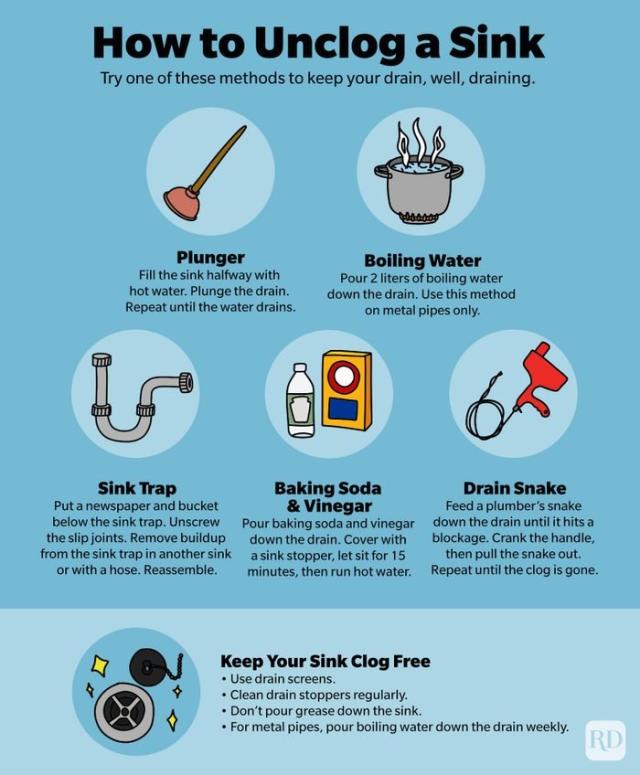
Sometimes a plunger cannot clear the clog. You need other ways to fix the problem. You can try simple tools or natural methods. Do this before calling a plumber. We will cover three good alternatives now.
Using a Drain Snake
A drain snake is long and flexible. It reaches deep into the pipes. It can break up or pull out tough clogs.
-
Put the snake into the drain slowly.
-
Turn the handle clockwise to push it.
-
Hook or break the clog when you feel it.
-
Pull out the snake carefully, removing junk.
-
Run water to see if the drain is clear.
Simple Natural Fixes
You can use items from your kitchen. They clear small clogs safely. These methods are safe for your pipes.
Chemical Cleaners
Chemical cleaners dissolve tough clogs. They are very strong. Use them carefully. This avoids pipe damage or health risks.
-
Follow all instructions on the label.
-
Wear gloves and work in an airy space.
-
Do not mix different cleaners.
-
Flush the drain with water when finished.
-
Use chemical cleaners only last.
Stopping Future Clogs
Keep your sink drain clear all the time. This helps avoid plumbing problems. Simple habits prevent future clogs. Learn easy ways to care for your sink. Use it wisely to stop blockages.
Regular Sink Care
Clean your drain often to stop buildup. Use natural cleaners. This keeps your pipes clear and fresh.
-
Pour boiling water down the drain weekly.
-
Use vinegar and soda monthly to melt grease.
-
Remove all food scraps before washing dishes.
-
Clean the sink strainer often.
-
Do not pour grease or oil down the drain.
Smart Habits
How you use the sink affects clogs. Follow these rules for smooth-flowing pipes.
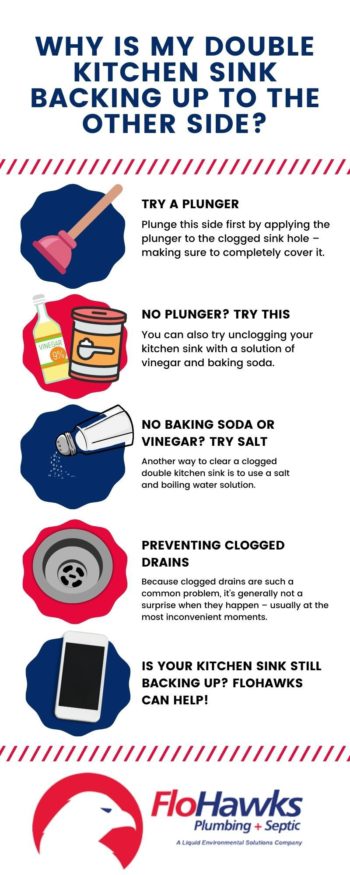
Credit: flohawks.com

Credit: www.angi.com
Frequently Asked Questions
Can I plunge a kitchen sink safely?
Yes, use a good plunger. Make sure the cup is covered with water. Use strong, steady pushes. This clears clogs without pipe damage.
What plunger type is best for sinks?
A simple cup plunger is best. It seals well over the drain. Do not use a flange plunger. They are made for toilets.
How often should I plunge my sink?
Plunge only when it clogs or drains slowly. Do not plunge regularly. Good maintenance prevents clogs. This means less need to plunge.
What if plunging does not clear the clog?
Try a drain snake or a chemical cleaner next. Call a pro plumber for tough clogs. Do not use too much force. It can cause leaks or pipe damage.
Conclusion
A plunger can fix many common clogs quickly. Use the right plunger. Create a tight seal over the drain. Push and pull carefully to clear the blockage. Avoid strong chemicals that can harm pipes. Call a plumber if the clog remains.
Regular sink care stops future blocks. Simple steps keep your kitchen running well. A plunger is a useful tool. Everyone should know how to use one. Try it first. Save money on repair costs.