How to Improve Washing Dishes in a Commercial Kitchen Efficiently
Are you tired of slow dishwashing that holds up your entire kitchen? If you want to Improve Washing Dishes in a Commercial Kitchen, upgrading your process can save you time, reduce stress, and keep your workspace sparkling clean.
Imagine cutting down your dishwashing time while boosting hygiene and efficiency. This article will show you simple, effective ways to upgrade your dishwashing process right now. Ready to make your kitchen run smoother and cleaner? Let’s dive in.
Streamline Dishwashing Workflow
Efficient dishwashing keeps a commercial kitchen running smoothly. A good workflow saves time and energy.
Organize the dishwashing area to reduce clutter and speed up the cleaning process.
Organize Dish Stations
Arrange dish stations by task to help staff work faster. Each station should have tools for its job.
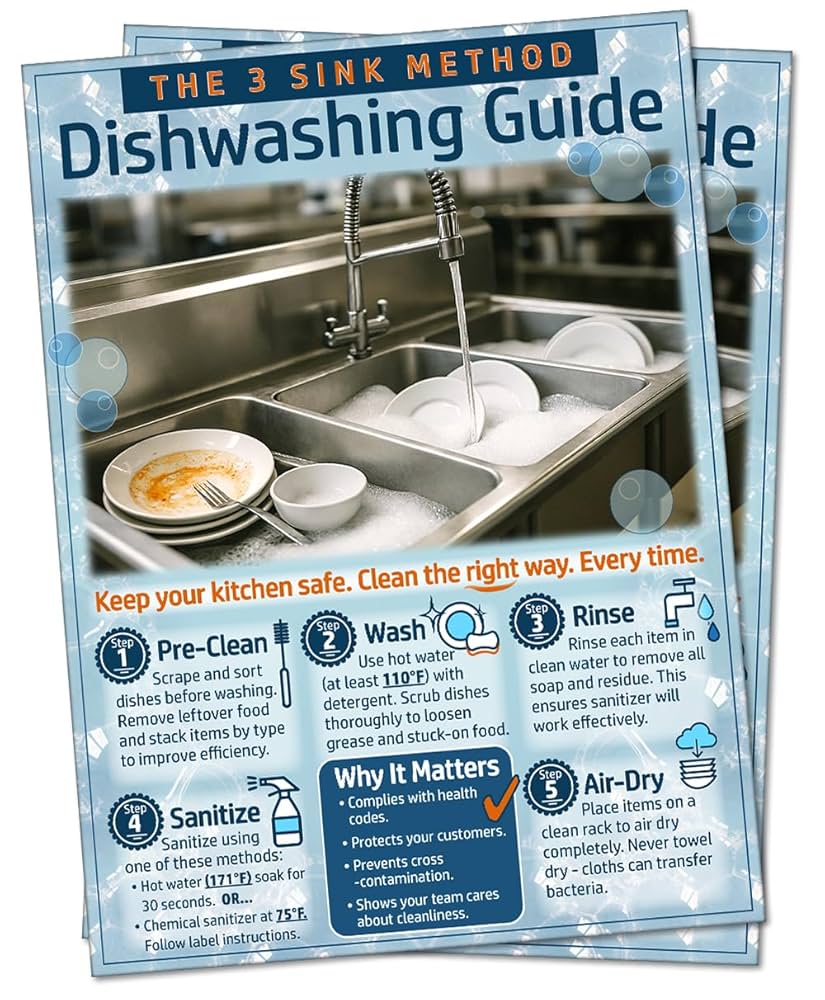
- Place sinks in a line for washing, rinsing, and sanitizing
- Keep detergent and brushes near the washing sink
- Use clear labels to mark each station
- Allow space for stacking dirty and clean dishes
Separate Dirty And Clean Areas
Keep dirty dishes away from clean ones to avoid contamination. Use physical barriers or different shelves.
| Area | Purpose |
| Dirty Zone | Hold soiled dishes before washing |
| Washing Zone | Clean dishes with soap and water |
| Rinsing Zone | Remove soap and food particles |
| Sanitizing Zone | Kill germs on dishes |
| Clean Zone | Store sanitized dishes safely |
Use Efficient Dish Racks
Choose dish racks that fit your space and dish types. Good racks speed drying and protect dishes.
Tips for selecting dish racks:
- Use racks with proper slots for plates and bowls
- Choose stackable racks to save space
- Pick racks made of rust-resistant material
- Consider racks with handles for easy moving

Credit: www.nytimes.com
Choose The Right Equipment
Using the right equipment makes washing dishes easier and faster. It helps keep the kitchen clean and safe.
If you want to Improve Washing Dishes in a Commercial Kitchen, choosing good tools saves time and reduces water and energy use. This helps the kitchen run better every day while maintaining hygiene and efficiency.
Select Commercial Dishwashers
Pick dishwashers made for heavy use in a busy kitchen. They clean many dishes quickly and well.
Look for machines with good water and energy efficiency. This lowers utility costs and helps the environment.
- Choose the right size for your kitchen’s needs
- Check for fast cycle times to save time
- Ensure the machine is easy to use and clean
- Consider models with adjustable racks for different dishes
Use High-quality Scrubbers And Brushes
Good scrubbers and brushes help remove stuck food quickly. They make hand washing easier and more effective.
Pick scrubbers that last long and do not damage dishes. Use brushes with strong bristles for pots and pans.
- Use nylon brushes for delicate dishware
- Choose heavy-duty scrubbers for tough stains
- Replace worn-out scrubbers regularly
- Keep tools clean to avoid spreading germs
Maintain Equipment Regularly
Regular care keeps dishwashers and tools working well. It prevents breakdowns and costly repairs.
Clean machines daily and check parts often. Fix small problems before they become big.
- Empty and clean filters after each use
- Check spray arms for clogs weekly
- Inspect seals and gaskets for damage
- Schedule professional maintenance regularly
Optimize Water And Detergent Use
Washing dishes in a commercial kitchen uses a lot of water and detergent. Optimizing these can save money and help the environment.
Using the right water temperature and detergent amount makes cleaning easier and more effective.
Adjust Water Temperature
Water temperature affects how well dishes get clean. Too hot water wastes energy and can damage dishes. Too cold water leaves food and grease behind.
To Improve Washing Dishes in a Commercial Kitchen, it’s important to keep water between 110°F and 140°F for the best results. This temperature range cleans effectively, protects dishes, and helps save energy during daily operations.
Measure Detergent Properly
Using the right amount of detergent helps remove food and grease without wasting product. Too much detergent leaves residue. Too little detergent does not clean well.
- Check the detergent label for recommended amounts.
- Use measuring tools to add detergent accurately.
- Adjust detergent levels based on water hardness and dirt levels.
- Refill detergent only when needed to avoid waste.
Employ Eco-friendly Cleaning Agents
Eco-friendly cleaning agents reduce harm to the environment and keep workers safe. They break down faster and reduce water pollution.
| Benefit | Eco-Friendly Agent | Traditional Agent |
| Biodegradable | Yes | No |
| Low Toxicity | Yes | No |
| Safe for Workers | Yes | Depends |
| Effectiveness | Good | Good |
:max_bytes(150000):strip_icc()/how-to-clean-dishwasher-drain-6823343-09-hero-5643ebc79fcd4aae8389c75c4fefdbdc.jpg)
Credit: www.thespruce.com
Train Staff Effectively
Improving dishwashing in a commercial kitchen needs good training. Staff must learn the right skills to work fast and safely.
Effective training helps keep the kitchen clean and running smoothly. It also lowers accidents and mistakes.
Teach Proper Scraping Techniques
Staff should remove leftover food from dishes before washing. This step saves water and detergent and stops the machine from clogging.
- Use a scraper or brush to clean plates and pots.
- Dispose of food scraps in the right bins.
- Check dishes for stuck-on food before loading.
- Train staff to avoid overloading dish racks.
Emphasize Safety Procedures
Safety is key in a busy kitchen. Teach staff how to handle chemicals and hot water safely.
| Safety Rule | Explanation |
| Wear gloves | Protect hands from harsh detergents and hot water |
| Use correct tools | Prevent cuts and injuries while scraping or washing |
| Follow chemical instructions | Mix and use cleaners as directed to avoid harm |
| Keep floors dry | Reduce slips and falls in washing areas |
Encourage Team Coordination
Good teamwork speeds up the dishwashing process. Everyone should know their role and help each other.
Here are ways to improve coordination:
- Assign specific tasks like scraping, washing, and drying.
- Use clear signals to pass dishes between stations.
- Hold short meetings before shifts to plan work.
- Encourage staff to communicate issues immediately.
Implement Time-saving Techniques
Washing dishes in a busy commercial kitchen can take a lot of time. Using smart techniques helps save time and keeps the kitchen running smoothly.
These tips focus on easy ways to speed up dishwashing without lowering cleanliness or safety standards.
Pre-soak Stubborn Items
Soaking tough pots, pans, and dishes loosens food stuck on them. This makes scrubbing faster and easier.
Use warm water and a bit of detergent for soaking. Set these items aside before washing other dishes.
- Fill a basin with warm water and detergent
- Place stubborn items in the basin
- Let them soak for 10 to 15 minutes
- Scrub lightly after soaking to remove residue
Batch Wash Similar Items
Group dishes by type before washing. Washing similar items together saves time and effort.
For example, wash all plates first, then cups, then cutlery. This reduces tool changes and speeds up the process.
- Sort dishes into groups like plates, glasses, and utensils
- Use the same washing method for each group
- Rinse and dry each group before moving to the next
Schedule Regular Cleaning Breaks
Taking short cleaning breaks keeps the dishwashing area organized. It prevents pileups that slow down work.
Set fixed times during shifts to clean and reset the space. This helps maintain a steady workflow.
- Plan breaks every 1 to 2 hours
- Clear and sanitize sink and counters
- Check and refill detergent and rinse supplies
- Organize drying racks and storage areas
Maintain Hygiene And Sanitation
Keeping dishes clean in a commercial kitchen is very important. It helps stop germs and keeps the kitchen safe.
Good hygiene and sanitation make sure all dishes are safe to use for customers and staff.
Use Sanitizing Solutions
Sanitizing solutions kill germs on dishes and surfaces. Use the right chemicals that are safe and effective.
Follow instructions on the label to get the best results. Make sure dishes stay wet with the sanitizer for the right time.
- Choose EPA-approved sanitizers
- Mix solutions with clean water
- Apply sanitizer after washing dishes
- Allow dishes to air dry after sanitizing
Monitor Cleanliness Consistently
Check dishes and kitchen areas often to keep them clean. Regular checks help find problems early.
Use a cleaning schedule and checklist. This helps staff follow the right steps every time.
- Inspect dishwashers daily
- Look for spots or leftover food on dishes
- Clean sinks and counters after use
- Record cleaning times and results
Follow Health Regulations
Health rules tell what is needed for safe dishwashing. Follow these rules to avoid fines and keep safety high.
Train staff on these rules. Make sure everyone knows the standards and meets them every day.
- Know local health codes
- Keep records of cleaning and maintenance
- Use approved cleaning products
- Report any issues to supervisors
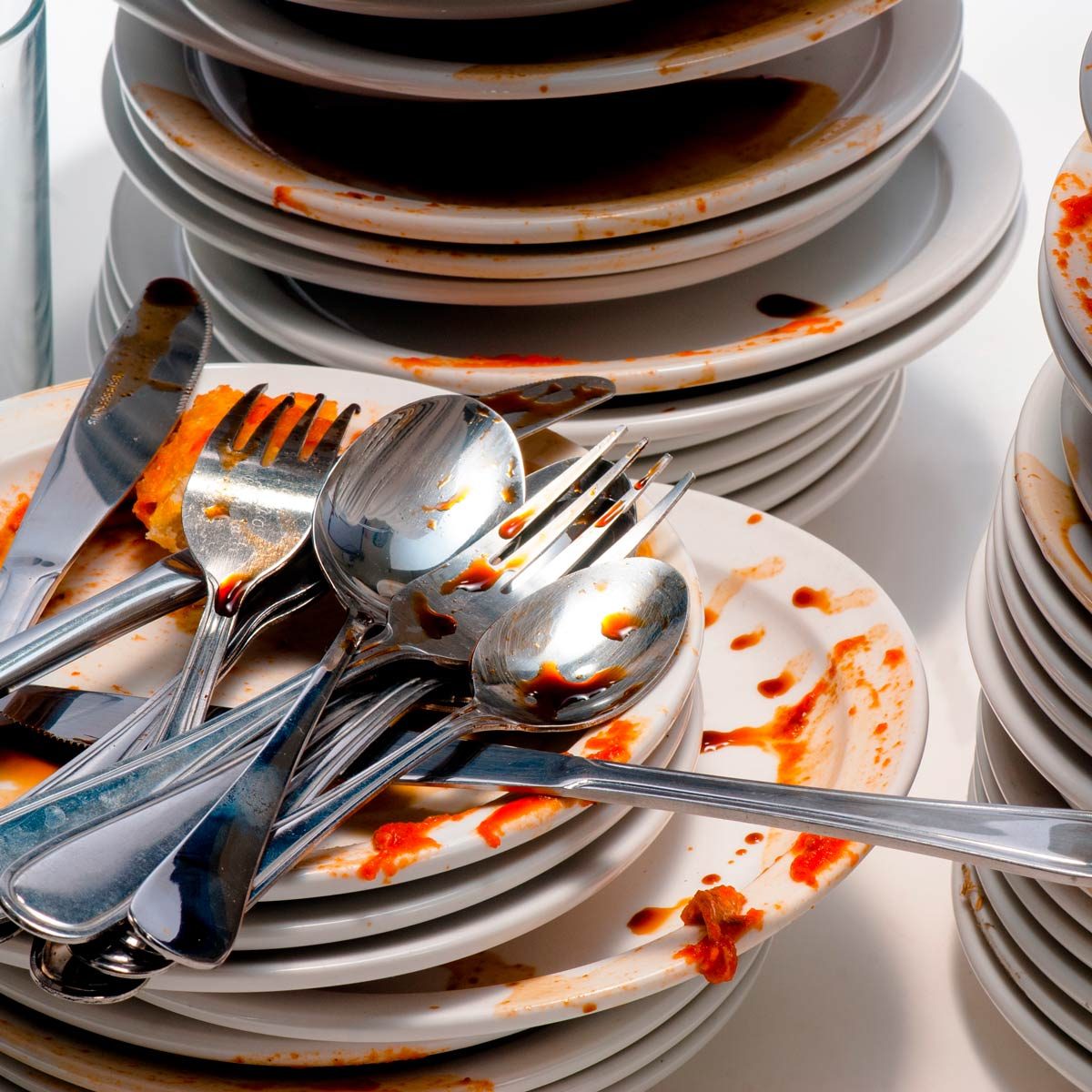
Credit: www.familyhandyman.com
Frequently Asked Questions
How Can I Speed Up Dishwashing In A Commercial Kitchen?
To speed up dishwashing, organize stations efficiently and pre-rinse dishes. Use high-quality detergents and maintain equipment regularly. Train staff on proper techniques to reduce time and improve results.
What Are The Best Detergents For Commercial Dishwashers?
Choose detergents designed for commercial use with strong grease-cutting power. Look for eco-friendly options that prevent residue buildup. Always follow manufacturer guidelines for optimal cleaning and machine longevity.
How Often Should Commercial Dishwashers Be Maintained?
Maintain commercial dishwashers weekly by cleaning filters and spray arms. Schedule professional servicing at least twice a year. Regular upkeep prevents breakdowns and ensures consistent, hygienic dishwashing performance.
What Are Top Tips For Reducing Water Usage In Dishwashing?
Use high-efficiency dishwashers and avoid pre-rinsing with running water. Run full loads to maximize water use. Regularly check for leaks and fix them promptly to save water and reduce costs.
Conclusion
Improving dishwashing in a commercial kitchen boosts efficiency. Clean dishes fast. Reduce water and energy use. Train staff on best practices. Use proper equipment for quicker results. Organize workstations for easy access. Maintain equipment regularly. Keep track of supplies to avoid shortages.
To Improve Washing Dishes in a Commercial Kitchen, regularly check for wear and tear and implement a routine for quick cleanups. Happy staff means better performance, and a clean kitchen means happy customers. Happy customers mean more business. Pay attention to these details. A well-run kitchen benefits everyone. Always strive for improvement.
The results will show in customer satisfaction.