Are your kitchen drawers sticking? Do they squeak? Maybe they just do not slide smoothly anymore. How to Replace Kitchen Drawer Slides may seem hard, but it is actually quite easy. This fix changes how your kitchen feels every day.
Imagine opening drawers with no noise and no jams. This guide gives you simple, clear steps. You will replace your drawer slides fast and confidently. Keep reading! You will learn how to get that smooth glide back. No special tools or experience is needed.
Credit: www.ifixit.com
When Slides Wear Out
Drawer slides make your kitchen drawers work well. Over time, they wear down. Worn slides cause problems. Knowing the signs helps you fix them early. If drawers are hard to open, check the slides. Bad slides make your kitchen annoying. They can also damage the cabinet.
Issues You Will Notice
Worn slides cause several common problems. These issues make using drawers frustrating. They can also lead to more damage.
-
Drawers stick when you open or close them.
-
The drawer moves unevenly or wobbles a lot.
-
Drawers do not close fully or they pop open.
-
You hear squeaking or grinding noises.
-
The slide hardware looks rusted or broken.
These signs mean the slides are failing. If you see them, look closer at the slides.
Time to Get New Slides
Replacing slides depends on the damage. Some can be fixed. Others need full replacement.
Replace the slides if you see these:
-
Drawers still stick after cleaning.
-
Slides are badly bent or rusted.
-
Drawers wobble or fall out too easily.
-
You hear loud noise every time you use them.
-
Sliding feels rough even after you adjust them.
New slides bring back smooth movement. They also protect your kitchen cabinets.
Credit: www.ifixit.com
Types of Drawer Slides
Drawer slides help drawers move smoothly. Different types fit different needs. They match different drawer styles. Knowing the types helps you choose the right replacement. Here are the main kitchen slide types.
Side-mounted Slides
Side-mount slides attach to the drawer sides. They also attach to the cabinet. These are the most common in kitchens. They are strong and easy to install. You see them when the drawer is open. Some have a soft-close option. This prevents slamming.
-
They go on the drawer and cabinet sides.
-
They hold heavy loads well.
-
They are easy to install and replace.
-
You can see them inside the cabinet.
-
Soft-close features are available.
Under-mounted Slides
Under-mount slides attach below the drawer. They are hidden when you open the drawer. This gives a clean look. These slides move smoothly. They often include soft-close features. They require more careful setup than side-mounts.
-
They attach under the drawer box.
-
They are hidden from view.
-
They offer smooth and quiet movement.
-
Soft-close is a common feature.
-
Installation needs more precision.
Center-mounted Slides
Center-mount slides go under the middle of the drawer bottom. They are not as common in kitchens. They work best for lightweight drawers. They are simple to install. The sides of the drawer stay clear. They do not hold as much weight as other types.
-
They mount under the drawer center.
-
They are good for light drawers.
-
They are very simple to install.
-
Drawer sides remain open and clear.
-
Not for heavy loads or items.
Tools and Materials
You need specific tools to replace drawer slides. Having the right items ready saves time. Below are the basic tools. Also find tips for choosing the new slides.
Basic Tools
You only need a few simple tools. These help you remove the old slides. They also help you correctly install the new ones.
-
Screwdriver (flathead and Phillips).
-
Tape measure or ruler.
-
Power drill and drill bits.
-
Level to make sure slides are straight.
-
Replacement screws (if needed).
-
Pencil for marking the spots.
Picking New Slides
Choose slides based on size and weight. Consider the type of slide you want. Different slides have different features.

Credit: www.youtube.com
Taking Out the Old Slides
Removing the old slides is a key step. You must take out the drawer. Then, unscrew the slides carefully. This stops damage to the cabinet. Follow these steps for safe removal.
Empty and Remove the Drawer
First, take everything out of the drawer. This makes it lighter. Pull the drawer out slowly. Keep it even as it comes out.
-
Take out all items from the drawer.
-
Hold the drawer sides firmly.
-
Pull the drawer straight out of the cabinet.
-
Check for locks or catches if it gets stuck.
-
Lift the drawer slightly if you need to.
Unscrew the Old Slides
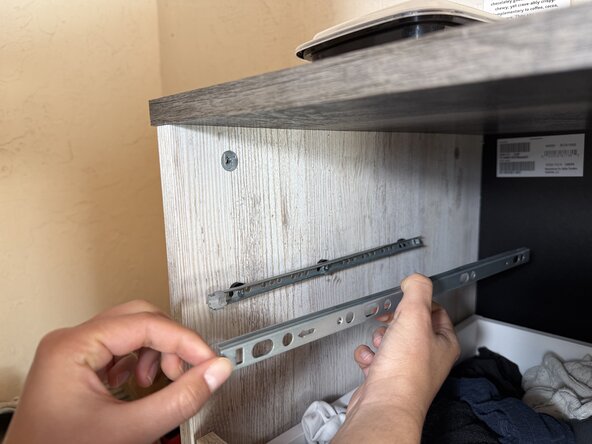
Find the screws. They hold the slides in the cabinet. They also hold the slides on the drawer. Use a screwdriver to remove all screws. Save the old screws if you want to reuse them.
Measuring for New Slides
New kitchen slides need accurate measuring. Correct sizes ensure smooth movement. It also ensures a perfect fit. Knowing the drawer size is important. The slide type also matters. Follow these steps for the best result.
Measure Drawer and Cabinet
First, measure the drawer's height and depth. Next, measure the inside of the cabinet. Use a tape measure for best accuracy.
-
Measure drawer width from side to side.
-
Measure drawer height from top to bottom.
-
Measure drawer depth from front to back.
-
Measure cabinet width inside the frame.
-
Measure cabinet depth inside the frame.
Match Type and Length
Different slides fit different drawers. Choose slides that match your drawer type. The slide length must also match. This gives the best performance.
Putting in New Slides
Replacing kitchen drawer slides is a simple task. It makes your drawers work better. This guide covers attaching slides to the cabinet. It also covers mounting them to the drawer. Follow each part for a smooth job.
Cabinet Slide Attachment
First, clean the cabinet edges. This is where the slides attach. Measure carefully to place the slides evenly.
-
Align the cabinet slide with the cabinet bottom edge.
-
Use a pencil to mark screw holes.
-
Pre-drill small holes to stop wood from splitting.
-
Screw the slide in. Make sure it is level and straight.
-
Repeat these steps for the cabinet's other side.
Drawer Slide Mounting
Attach the matching slide part to the drawer. Good alignment is key for smooth motion.
Testing and Fixing Drawers
Testing is a must after installation. It ensures the drawers work well. Adjusting the drawers may be needed. This keeps your kitchen fully functional.
Check the Movement
See if the drawer slides easily. It should not stick. Open and close it many times. Feel the movement.
-
Look for rough spots or resistance.
-
Listen for unusual noises. No squeaks!
-
Check that the drawer stays put when open.
-
Make sure the drawer closes fully and easily.
Fix Alignment Problems
A crooked drawer causes problems. Adjust the slides to fix it.

Credit: www.bunnings.com.au
Simple Maintenance Tips
Keeping slides in good shape helps them work well. Regular care stops noise and sticking. Simple maintenance extends their life. Here are two main ways to keep them smooth.
Clean Them Often
Dirt and crumbs build up inside the slides. This makes them jam or wear out fast.
-
Carefully remove the drawer from the cabinet.
-
Use a soft brush to clean dust from the tracks.
-
Wipe the slides with a damp cloth. This removes sticky spots.
-
Dry the slides completely before putting the drawer back.
-
Check for loose screws. Tighten them if needed.
Lubrication Helps
Lubricant reduces noise and friction. Using the right kind keeps slides moving.
Apply lubricant lightly along the track. Wipe off any extra. This stops it from gathering dust.
Your Questions Answered
What tools do I need to replace them?
You need a screwdriver, tape measure, pencil, drill, and new slides. The right tools make the process quicker.
How do I safely remove old slides?
First, empty the drawer. Remove it completely. Then, unscrew the old slides carefully. Avoid harming the cabinet or drawer.
How do I measure for new slides?
Measure the drawer length from front to back. Also, measure the cabinet opening. Accurate numbers help you buy the right size.
Can I replace the slides myself?
Yes, this is a simple DIY repair. You need basic tools and careful measuring. Follow the steps for a successful and cheap fix.
Final Thoughts
Replacing your drawer slides is easier than you expected. Now your drawers will glide smoothly again. First, gather all your tools. Next, follow the steps to remove the old slides. Install the new ones with care. Check the alignment for smooth function.
Practice makes perfect, so take your time. Remember, pay close attention to details. Enjoy fixing it yourself! Your kitchen will feel much better now. Happy fixing!