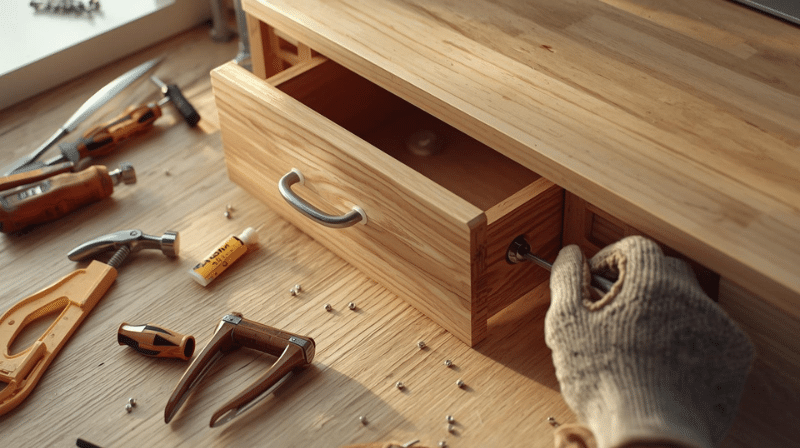
Is your kitchen drawer wobbly, stuck, or broken? It is annoying when a simple drawer fails you. This is true when you need it right away. Do not worry about this issue. You do not need to call a professional person.
You also do not need to replace the whole cabinet. Learning how to fix a broken kitchen drawer is easy. You can do this job yourself. You can restore your drawer easily in a few steps. It will soon work smoothly and correctly again. Keep reading now to discover simple tricks. These save you money, time, and kitchen mess. Your drawer will work like new again very fast. Follow these simple tips to fix your broken drawer

Credit: www.reddit.com
Common Drawer Problems
Kitchen drawers often get old from daily use. Fixing common issues keeps them working well. Knowing the usual problems helps you fix them quickly. Understanding how to fix a broken kitchen drawer helps you repair your drawers easily.
Loose Or Broken Handles
Handles become loose or break with frequent use. Tightening the screws usually solves loose handles. Replace broken handles with a new one of the same size. Use a screwdriver to remove the old screws. Install the new handle very securely.
Damaged Drawer Slides
Drawer slides help them open and close smoothly. Slides may bend, break, or get dirty over time. Clean the slides with a cloth. Apply a lubricant for smooth movement. Replace damaged slides to stop drawer jams as part of how to fix a broken kitchen drawer.
-
Check slides for cracks or bends.
-
Remove all the dust and dirt.
-
Use silicone spray or wax to lubricate.
-
Replace slides if broken or worn out.
Cracked Or Split Wood
Wood splits or cracks from water or hard impact. Small cracks need wood glue and strong clamps. Hold the parts tight until the glue dries. Larger splits may need wood filler. You might need to replace the drawer front. Sand and paint the area to match the drawer. This is another step in how to fix a broken kitchen drawer.
Misaligned Drawer Front
A drawer front that is not straight looks bad. It also may not close correctly. Adjust the screws that hold the drawer front. This fixes the alignment issue. Open and close the drawer to check the fit. Use a ruler or a level for better accuracy.
| Cause | Fix |
| Loose screws | Tighten all the screws |
| Worn mounting holes | Use wood filler, then reattach |
| Warped wood | Replace or reshape the drawer front |
| Incorrect installation | Reposition and secure the drawer front |

Credit: www.angi.com
Tools And Materials Needed
Fixing a broken drawer needs the right materials and tools. Using proper items helps make the repair last long. We cover basic tools you need now. We also list replacement parts, glue, and safety gear to support how to fix a broken kitchen drawer.
Basic Hand Tools
These simple tools help you remove and reassemble parts. Most homes already have these items.
-
Screwdriver set (Phillips and flathead)
-
Hammer
-
Measuring tape
-
Utility knife
-
Pliers
-
Wood chisel
-
Clamps
Replacement Parts
You might need new parts if your drawer is damaged. Check the drawer slides, handles, and wood panels. These items are often required when learning how to fix a broken kitchen drawer.
-
Drawer runners or slides
-
Drawer knob or handle
-
Wood panels or faceplates
-
Screws specific to your drawer model
Adhesives And Fasteners
Strong glue and the right fasteners hold the drawer parts. Choose items made specifically for wood repairs.
-
Wood glue
-
Wood screws (various sizes)
-
Small nails or brads
-
Epoxy putty (optional for cracks)
Safety Gear
Wear safety gear to protect yourself from injury. Safety is important even for small repairs.
-
Safety goggles
-
Work gloves
-
Dust mask (if sanding or cutting wood)
Fixing Loose Or Broken Handles
Kitchen drawer handles often break or become loose. Fixing them keeps your kitchen functional and neat. We show how to remove old handles correctly. We also cover choosing and installing new ones as part of how to fix a broken kitchen drawer.
Removing The Old Handle
Open the drawer first to find the handle screws. Use a screwdriver to remove them with care. If screws are stuck, try applying some oil. Wait a few minutes before turning the screws. Keep the screws if they are still good.
Selecting A Replacement
Pick a new handle that matches the drawer style. It must fit the existing screw holes. Handles come in many finishes, sizes, and shapes.
| Type | Description | Common Use |
| Bar Handle | Long and straight grip | Modern kitchens |
| Knob | Round or square small handle | Traditional or small drawers |
| Arch Handle | Curved design | Classic style cabinets |
Proper Installation Tips
Line up the new handle with existing holes. Insert the screws from inside the drawer. Tighten them with a screwdriver slowly. Do not overtighten screws. This prevents damaging the handle or drawer. Pull gently to check the handle for stability. Drill new holes if the existing ones do not match.
Repairing Drawer Slides
Drawers stop working well if slides break or get stuck. Fixing these slides makes your drawer smooth again. We help you repair slides by checking the type. We also cover cleaning, oiling, and replacing parts. Proper slide care is essential in how to fix a broken kitchen drawer.
Identifying Slide Types
Drawer slides come in different styles. Knowing the type helps you fix them correctly. The most common are side-mount and under-mount. Center-mount slides are also common. Side-mount slides attach to the drawer sides. Under-mount slides are hidden below the drawer. Center-mount slides fix under the drawer's middle.
-
Side-mount slides: visible on the drawer sides.
-
Under-mount slides: hidden under the drawer.
-
Center-mount slides: single slide in the middle.
Lubrication And Cleaning
Dirt and old grease can make slides stick or squeak. Clean the slides with a damp cloth to remove dust and grime.
Use a silicone spray or a light oil to lubricate the slides. Avoid heavy grease because it can attract more dirt.
- Wipe slides with a clean cloth
- Spray lubricant evenly on moving parts
- Open and close the drawer to spread lubricant
Woodworking specialists recommend a simple, non-messy lubricant for sticking drawers: "While silicone spray is effective for ball-bearing slides, for older drawers with simple metal runners or those relying on wood-on-wood contact, a block of paraffin wax or even a candle is the easiest and cleanest solution. Simply rub the wax directly and heavily along the bottom edges of the wooden drawer box and the metal runner. The wax creates a slick, dry barrier that drastically reduces friction, eliminating most sticking and squeaking problems instantly without the mess of oil or grease."
Replacing Damaged Slides
Replace slides if they are rusted, broken, or bent. Remove the drawer. Unscrew the old slides carefully. Match the new slides by type and size. Attach the new slides firmly to the wood. Test the drawer's movement afterward.
-
Remove the drawer from the cabinet box.
-
Unscrew the old slides from the cabinet and drawer.
-
Buy new slides that match the old size and type.
-
Screw the new slides in place very tightly.
-
Test the drawer for smooth opening and closing.
Fixing Cracks And Splits
Cracks and splits cause opening and closing problems. Fixing them makes your drawer useful and strong again. This guide shows easy ways to repair these common issues. Using the right materials helps restore your drawer when working on how to fix a broken kitchen drawer.
Assessing The Damage
Look closely at the split or crack in the drawer. Check how long and deep the damage is. Small cracks may only need some glue. Bigger splits may need extra filling material. See if the wood is loose or broken apart.
-
Measure the length and width of the crack.
-
See if the wood pieces move when you press them.
-
Note any missing wood chips or gaps.
-
Decide if the drawer needs full or partial repair.
Using Wood Glue And Clamps
Apply wood glue inside the split or crack. Spread the glue evenly for a strong bond. Then, use clamps to hold the wood tight. Keep it clamped until the glue is dry. This helps the crack close firmly.
-
Clean the damaged area to remove dust.
-
Apply wood glue inside the crack.
-
Press the cracked pieces together gently.
-
Clamp the area firmly, but do not make it too tight.
-
Wait 24 hours for the glue to fully dry.
Filling Gaps And Sanding
Fill any remaining gaps with wood filler. Pick a filler that matches your wood color. Sand the area smooth after the filler dries. Sanding helps the repair blend with the drawer.
| Material | Purpose | Drying Time |
| Wood Glue | Join cracked wood pieces | 24 hours |
| Wood Filler | Fill holes and gaps | 30 minutes to 1 hour |
| Sandpaper (120–220 grit) | Smooth repaired area | Immediate use |
Realigning The Drawer Front
A broken drawer is frustrating when the front is crooked. Fixing the front helps the drawer close smoothly. It also makes the drawer look neat. This guide explains how to fix the drawer front, an important step in how to fix a broken kitchen drawer.
Removing The Drawer
Start by pulling the drawer out of its slot with care. Some drawers have stops that prevent full removal. Pull the drawer straight out until it stops fully. Look for levers or clips on the sides. Press or lift these clips to release the drawer. Gently pull the drawer all the way out now.
Adjusting Screws And Hinges
Inspect the screws and hinges when the drawer is out. Loose or shifted screws cause the misalignment.
| Part | Action |
| Screws on drawer front | Tighten or loosen slightly to adjust position |
| Hinges or brackets | Check for damage and realign if bent |
| Drawer slides | Clean and lubricate for smooth movement |
Use a screwdriver to make small adjustments. Move the drawer front slowly until it lines up. Match it with the cabinet frame exactly.
Testing For Proper Fit
Put the drawer back into the slot after adjusting. Test how it opens and how it closes.
-
Check if the front is even with the cabinet edges.
-
Make sure the drawer slides smoothly, not sticking.
-
Check if the gaps around the front are even.
-
Adjust screws again if you need a better fit.
Preventive Maintenance Tips
Keeping your kitchen drawers working saves money and time. Small efforts help you avoid big repairs later. Use these simple tips to keep your drawers smooth. These habits support long-term success after learning how to fix a broken kitchen drawer.
Regular Cleaning
Crumbs and dust cause drawer tracks to jam. Clean drawers often to stop dirt from building up. Remove all items from the drawer first. Use a vacuum or brush to clear dust. Wipe all surfaces with a damp cloth and mild soap. Dry them thoroughly to prevent water damage.
Avoiding Overloading
Heavy loads stress the tracks and drawer bottom. Overloading causes breakage and warping.
| Load Type | Maximum Weight | Tip |
| Utensils and small items | 15 lbs (7 kg) | Distribute evenly inside the drawer |
| Cookware and pots | 20 lbs (9 kg) | Place heavier items near the back |
| Food containers | 10 lbs (4.5 kg) | Avoid stacking too high |
Routine Inspections
Check your drawers for wear or any damage signs. Early fixes stop bigger problems from starting. Open and close drawers. Listen for any strange sounds. Look for broken parts or loose screws. Test the rollers and slides for smooth movement. Tighten hardware or replace worn parts quickly.

Credit: www.amazon.co.uk
When To Call A Professional
Fixing a drawer can be simple or very complex. Some problems need a skilled person to fix. Knowing when to call a professional saves money and time. This guide helps you decide if the damage is serious. It also shows if the repair is too hard for you.
Severe Structural Damage
The cabinet or drawer frame might be badly broken. It may not hold any weight. Fixing this needs special tools and experience.
-
Cracks that split wood pieces far apart.
-
Broken joints in the drawer box itself.
-
Damage to the cabinet that holds the drawer.
-
Missing or loose support pieces.
Complex Slide Mechanisms
Some drawers have soft-close or metal slides. These parts can break or get stuck easily. Fixing them needs exact knowledge and parts.
| Type of Slide | Common Issues | Repair Needs |
| Ball Bearing Slide | Broken balls, misalignment | Replacement parts, adjustment |
| Soft-Close Slide | Hydraulic failure, spring issues | Special tools, part replacement |
| Wooden Slide | Wear and tear, warping | Precision sanding, refitting |
Time And Skill Considerations
Fixing a drawer may take hours and skill. Call a professional if you lack tools or confidence. They work faster and avoid mistakes. Ask yourself these questions before you start fixing:
-
Do I have the correct tools?
-
Can I spend several hours doing this?
-
Am I comfortable working with metal or wood?
-
Will a mistake cause even more damage?
Frequently Asked Questions
How Do I Fix A Drawer That Won’t Close Properly?
Check inside for damaged tracks or objects. Tighten loose screws. Realign the drawer slides. Lubricate the tracks with a silicone spray. This ensures smooth movement always.
What Tools Do I Need To Repair A Broken Kitchen Drawer?
You will need wood glue, a screwdriver, clamps, and sandpaper. A drill and new slide parts are optional for bigger repairs.
How Can I Fix A Drawer That’s Falling Apart?
Apply wood glue to the broken joints. Clamp them very tightly. Let the glue fully dry before you use the drawer. Replace any missing screws to make the structure stronger.
When Should I Replace Instead Of Repair A Drawer?
Replace the drawer if it is severely warped or broken. Also replace it if key parts are missing. Extensive damage affecting safety is best handled by replacement.
Conclusion
Fixing a broken drawer is much simpler than you think. You can handle it yourself with basic tools. Use patience while you work. First, find out what the problem is. Is it a loose screw, the track, or the glide? Gather all the tools and parts you need. Follow the repair steps carefully now. Test the drawer after each fix you make. This ensures it operates smoothly. Regular maintenance prevents future issues. It saves money and your valuable time. Feel confident knowing you fixed it. Enjoy a functional kitchen space once again. Happy fixing!