

Imagine you cook a great meal. Suddenly, your sink stops working. Water pools fast. Now you have a stubborn clog.
You might ask, "Can I plunge my kitchen sink?" Good news: you are not alone. Many face this issue. The fix is often simple. You will soon know the answer. You will get great tips to fix the problem.
Do not let a clog stop your cooking. Let's learn about plungers. Take charge of your sink problems now.

Credit: www.reddit.com
Preventing Future Clogs
Plunging clears clogs now. Take steps to stop future clogs. Simple habits keep your drain working well. This saves time and avoids problems.
Regular Maintenance Tips
Clean your sink drain often. Remove all buildup. Use hot water to flush grease. Try natural cleaners like vinegar. They clear mild blocks. They freshen the drain.
-
Flush with boiling water once a week.
-
Use a drain strainer to catch debris.
-
Clean the sink stopper often.
-
Use baking soda and vinegar once a month.
What Not To Put Down The Drain
Some items cause clogs and damage. Do not put these in the sink drain. Grease and oil harden. They block pipes. Food scraps get stuck and build up.
-
Cooking grease and oil.
-
Coffee grounds and eggshells.
-
Fibrous vegetables like celery.
-
Pasta, rice, and starchy foods.
-
Large food scraps.
-
Non-food items like wipes.
Credit: www.homeserve.com
Frequently Asked Questions
Can I Plunge A Kitchen Sink Safely?
Yes, you can plunge the sink safely. Use a proper plunger. Water must cover the cup. Use firm, steady pressure. Do not damage the pipes.
When Should I Avoid Plunging My Kitchen Sink?
Do not plunge if a pipe breaks. Do not plunge with a garbage disposal jam. Avoid plunging if water overflows fast. It may make the clog worse.
How Do I Prepare My Kitchen Sink Before Plunging?
Remove all standing water first. Clear debris from the drain opening. Cover overflow holes with a wet cloth. This makes better suction.
What Kind Of Plunger Works Best For Kitchen Sinks?
A cup-shaped plunger works best. Avoid toilet flange plungers. The cup fits flat surfaces. It creates better suction.
Conclusion
Plunging your sink clears many clogs fast. Use the plunger with care. Make sure to cover the overflow hole. Stubborn clogs need tools or a plumber. Regular cleaning prevents future clogs.
Keep grease and food out of the drain. A simple plunge saves time and money. Know when to call a pro. Your sink will flow well with a little care.
Common Causes Of Kitchen Sink Clogs
Clogs stop water from draining well. Many things cause these blockages. Knowing the causes helps prevent clogs. It keeps your sink running smoothly.
Food Particles And Grease
Small food bits get stuck in pipes. Cooking grease builds up inside drains.
-
Rice, pasta, and scraps block pipes.
-
Grease cools and hardens. This causes buildup.
-
Mixing food and grease makes clogs worse.
Soap Scum Build-up
Soap leaves sticky residue inside drains. This scum traps dirt and hair.
Foreign Objects In Drain
Items fall into the sink by mistake. Forks, spoons, or small toys can block pipes. They stop the water flow.
Common objects include:
-
Forks, spoons, or other cutlery.
-
Bottle caps or small lids.
-
Pieces of packaging or wrappers.
Choosing The Right Plunger
Using a plunger clears a clogged sink. Picking the right one makes the job easier. Not all plungers work well here. Know the types, materials, and sizes.
Types Of Plungers
Two main types exist for sinks. They are cup plungers and flange plungers. They work differently.
Cup plungers have a simple cup. They work best on flat sink surfaces. Flange plungers have an extra flap. They fit better in toilets. They can work on some sinks too.
-
Cup plunger: Best for flat kitchen drains.
-
Flange plunger: Designed for toilets. Can fit some sinks.
Materials And Sizes
Plungers use rubber and plastic. Rubber is flexible. It seals the drain well. Sizes change from small to large. A medium size fits most kitchen sinks.
-
Rubber: Flexible and creates a strong seal.
-
Plastic handle: Durable and easy to hold.
-
Medium size: Fits most kitchen sink drains.
Proper Plunging Techniques
Clogged sinks are common and annoying. A plunger clears the block quickly. The right technique avoids damage. It gives better results.
Preparing The Sink
Remove all dishes and garbage first. Clear the drain area. Fill the sink with water. It must cover the plunger cup. Water helps make a seal.
-
Check for the stopper and remove it.
-
Block the overflow hole with a wet cloth.
-
Use a sink plunger, not a toilet plunger.
Effective Plunging Motions
Put the plunger cup over the drain. Press gently to make a good seal. Push and pull the plunger. Use short, strong motions. Keep the seal tight with each push.
-
Start with slow pushes to stop splashing.
-
Increase speed but keep control.
-
Repeat this 15 to 20 times.
When To Stop
Stop plunging when water drains fast. This means the clog is gone. Do not keep plunging for over 5 minutes. If the clog stays, try other methods. Call a plumber next.
Alternative Quick Fixes
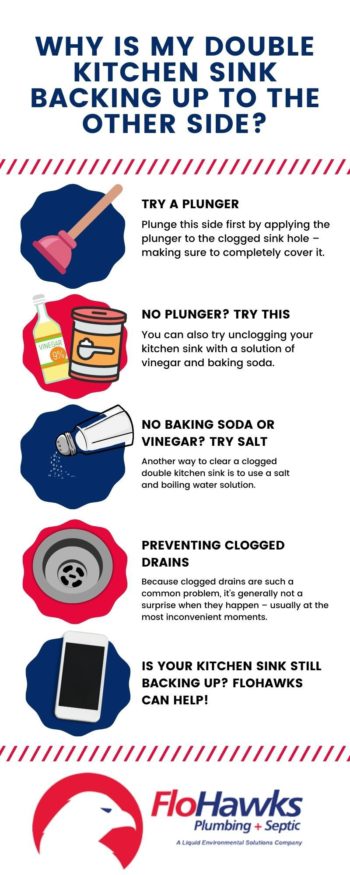
You can fix a clogged sink fast. Try several simple methods. Use common household items or tools. These clear small clogs without a plumber. You do not need a plunger either.
Boiling Water Method
Pouring boiling water down helps. It dissolves grease and soap buildup. Use this for slow drains. Repeat the process a few times. Let the hot water work each time.
Baking Soda And Vinegar
This natural mix breaks down grime. It clears bad smells. Follow these steps for best results:
-
Pour half a cup of baking soda into the drain.
-
Follow with half a cup of white vinegar.
-
Cover the drain. Wait 15 minutes.
-
Flush the drain with boiling water.
Using A Drain Snake
A drain snake reaches deep clogs. Use it carefully to prevent damage.
When To Call A Professional
Plunging clears small kitchen clogs. But some problems need a plumber's help. Know when to stop plunging. Call a professional to save time. This prevents damage.
Persistent Clogs
Your sink clogs again after plunging. This may be a bigger problem. Repeated clogs need expert tools. Constant blocks mean deep pipe buildup. It could mean a broken pipe.
-
Sink stays slow or blocked after plunging.
-
Water drains very slowly over days.
-
Many clogs happen in a short time.
Signs Of Drain Damage
Drain damage causes leaks or bad smells. These signs mean you must call a plumber. Damage comes from corrosion or cracks. Loose fittings cause problems too. Special tools fix these issues.
-
Water leaks under the sink cabinet.
-
Unusual sounds when water drains.
-
Foul odors come from the drain.
-
Visible cracks or rust show on pipes.
Credit: flohawks.com
Preventing Future Clogs
Plunging clears clogs now. Take steps to stop future clogs. Simple habits keep your drain working well. This saves time and avoids problems.
Regular Maintenance Tips
Clean your sink drain often. Remove all buildup. Use hot water to flush grease. Try natural cleaners like vinegar. They clear mild blocks. They freshen the drain.
-
Flush with boiling water once a week.
-
Use a drain strainer to catch debris.
-
Clean the sink stopper often.
-
Use baking soda and vinegar once a month.
What Not To Put Down The Drain
Some items cause clogs and damage. Do not put these in the sink drain. Grease and oil harden. They block pipes. Food scraps get stuck and build up.
-
Cooking grease and oil.
-
Coffee grounds and eggshells.
-
Fibrous vegetables like celery.
-
Pasta, rice, and starchy foods.
-
Large food scraps.
-
Non-food items like wipes.
Credit: www.homeserve.com
Frequently Asked Questions
Can I Plunge A Kitchen Sink Safely?
Yes, you can plunge the sink safely. Use a proper plunger. Water must cover the cup. Use firm, steady pressure. Do not damage the pipes.
When Should I Avoid Plunging My Kitchen Sink?
Do not plunge if a pipe breaks. Do not plunge with a garbage disposal jam. Avoid plunging if water overflows fast. It may make the clog worse.
How Do I Prepare My Kitchen Sink Before Plunging?
Remove all standing water first. Clear debris from the drain opening. Cover overflow holes with a wet cloth. This makes better suction.
What Kind Of Plunger Works Best For Kitchen Sinks?
A cup-shaped plunger works best. Avoid toilet flange plungers. The cup fits flat surfaces. It creates better suction.
Conclusion
Plunging your sink clears many clogs fast. Use the plunger with care. Make sure to cover the overflow hole. Stubborn clogs need tools or a plumber. Regular cleaning prevents future clogs.
Keep grease and food out of the drain. A simple plunge saves time and money. Know when to call a pro. Your sink will flow well with a little care.


