

Have you ever wondered how professional chefs keep their kitchens so organized and efficient? One of their secret weapons is the speed rack.
If you’re aiming to transform your culinary space into a more streamlined, productive environment, understanding what is a speed rack in a kitchen is essential. This often-overlooked tool can drastically enhance your cooking workflow, allowing you to access ingredients and tools in the blink of an eye.
Imagine reducing your meal prep time and minimizing kitchen chaos. Intrigued? Let’s delve into the world of speed racks and discover how they can revolutionize your kitchen experience.
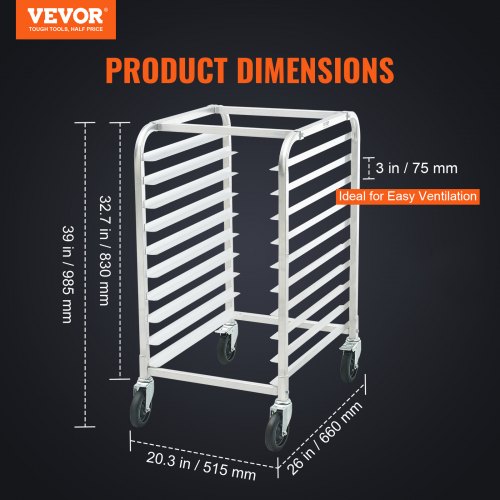
Credit: www.vevor.com
Speed Rack Basics
A speed rack is a common kitchen tool that helps chefs stay organized. It holds trays or pans for easy access during cooking.
Speed racks make it simple to store, move, and cool food in busy kitchens. They save space and keep food items ready to use.
Definition And Purpose
A speed rack is a metal frame with slots to hold baking sheets or trays. It is often used in commercial kitchens.
The main purpose of a speed rack is to organize food trays and allow quick movement of food. It helps speed up kitchen work.
Common Materials
Speed racks are made from materials that resist heat and moisture. This keeps them durable and safe to use around food.
- Stainless steel: strong and rust-resistant
- Aluminum: lightweight and easy to clean
- Chrome-plated steel: shiny and durable
Typical Sizes And Dimensions
Speed racks come in different sizes to fit various kitchen needs. They hold standard-sized trays or pans.
| Size | Tray Capacity | Common Use |
|---|---|---|
| 18" x 26" | 18 trays | Full-size baking sheets |
| 14" x 18" | 20 trays | Half-size trays |
| Small units | 6-10 trays | Compact kitchens or limited space |
Speed Rack Types
Speed racks are essential in busy kitchens. They help organize trays, pans, and food items.
There are different types of speed racks. Each type fits various kitchen needs and spaces.
Mobile Vs Stationary Racks
Mobile speed racks have wheels. They are easy to move around the kitchen.
Stationary racks stay in one place. They are more stable and fit tight spaces better.
Open Vs Closed Designs
Open speed racks have no walls around the trays. This design allows quick access and air flow.
- Easy to load and unload trays
- Better ventilation for hot or wet items
- Less protection from dust and spills
Closed speed racks have sides or doors. They protect food from dust and spills but can be slower to access.
Specialty Racks
| Type | Purpose | Features |
| Bun Racks | Hold bread and buns | Adjustable slots, open design |
| Sheet Pan Racks | Store baking sheets | Multiple shelves, mobile or stationary |
| Cooling Racks | Cool baked goods | Wire shelves, open sides |
| Utility Racks | Hold mixed kitchen tools | Customizable shelves, closed or open |
Role In Kitchen Efficiency
A speed rack is a metal frame with slots for trays or pans. It holds many items in a small space.
In busy kitchens, a speed rack helps keep things organized and easy to reach. This saves time and effort.
Streamlining Workflow
A speed rack keeps food and tools in one place. This helps cooks find what they need fast.
By having trays ready and stacked, chefs can move smoothly from one task to another without delay.
- Chef Gordon Ramsay, international restaurateur and culinary personality, emphasizes the time-saving aspect: "In a busy commercial kitchen, the speed rack is the difference between smooth service and chaos. It’s not just storage; it’s a staging area. If a pastry team can stage 10 full trays of mise en place for the day's service on a mobile rack and roll it directly to the oven or prep station, you’ve eliminated fifty minutes of walking and searching. That efficiency is mandatory."
Reducing Clutter
Speed racks save counter space by holding many trays vertically. This clears the work area.
Less clutter means fewer accidents and easier cleaning in the kitchen.
- More room for cooking tasks
- Less risk of spills or drops
- Faster cleaning and maintenance
Enhancing Accessibility
Speed racks keep trays at eye or hand level. This makes it easy to grab needed items quickly.
Good accessibility reduces time spent searching and lowers stress during busy hours.
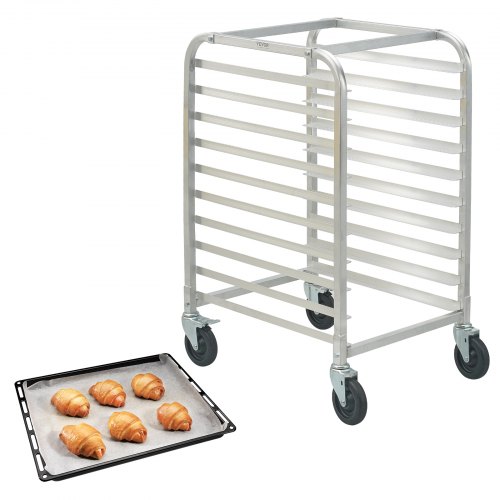
Credit: www.vevor.com
Placement And Organization
A speed rack is a metal frame used to store trays and pans in a kitchen. It helps keep things organized and easy to find.
Proper placement and organization of a speed rack improve kitchen workflow and save time during busy hours.
Optimal Location In Kitchen
Place the speed rack near the cooking or preparation area. This location reduces steps when chefs need trays or pans.
Keep it away from walkways to avoid blocking staff movement. Also, avoid placing it near heat sources to protect stored items.
- Near cooking stations for quick access
- Clear from main traffic paths
- Away from ovens or stoves
- Close to dishwashing area for clean trays
Arranging Trays And Pans
Organize trays and pans by size and type on the speed rack. This order makes it easy to find what you need fast.
Place frequently used items on middle shelves for easy reach. Store larger or less used pans on top or bottom shelves.
- Sort by size: large to small or vice versa
- Group similar items together
- Keep heavy trays on lower shelves
- Use shelves evenly to avoid clutter
Labeling And Inventory Tips
Label each shelf or section with the type of trays or pans stored there. Clear labels help kitchen staff find items quickly.
Keep an inventory list nearby to track items. Check the list regularly to replace missing or damaged trays.
- Use waterproof labels on shelves
- Update inventory after each shift
- Note damaged items for repair or replacement
- Train staff to return items to correct spots
Maintenance And Cleaning
A speed rack in a kitchen stores trays and pans for quick access. Keeping it clean and well-maintained helps it last longer. Good care also keeps the kitchen safe and sanitary.
Regular cleaning stops dirt build-up and prevents rust. Proper handling avoids damage to the rack and kitchen tools.
Daily Cleaning Routine
Clean your speed rack every day to keep it in good shape. Remove all trays and wipe down the surfaces. Use warm water and mild detergent for best results.
- Take out all trays before cleaning.
- Wipe shelves with soapy water.
- Rinse with clean water.
- Dry completely with a clean cloth.
- Check for any leftover food or stains.
Preventing Rust And Damage
Rust can weaken your speed rack and cause health issues. Protect the metal by keeping it dry and clean. Avoid using harsh chemicals or steel brushes that can scratch the surface.
| Action | Effect |
| Dry rack after cleaning | Stops rust formation |
| Use mild cleaning agents | Protects metal finish |
| Avoid metal scrubbers | Prevents surface damage |
| Inspect for rust spots | Allows early repair |
Safe Handling Practices
Handle the speed rack carefully to avoid injuries and damage. Use both hands when moving the rack. Do not overload the shelves beyond their weight limit.
- Push the rack gently to avoid tipping.
- Do not climb or hang on the rack.
- Keep wheels locked when stationary.
- Report any broken parts immediately.

Credit: www.amazon.com
Choosing The Right Speed Rack
A speed rack is a metal rack with wheels used in kitchens. It helps store trays, pans, and other kitchen items.
Choosing the right speed rack improves kitchen work and keeps things organized. Think about your kitchen needs before buying.
Assessing Kitchen Needs
Look at your kitchen size and how many trays you use. This helps you pick a rack that fits well and holds enough items.
Consider the types of trays and pans you store. Some racks suit certain sizes better than others.
- Count the trays or pans you need to store
- Measure the space where you want the rack
- Check the tray sizes for rack compatibility
Material Considerations
Speed racks come in different materials like stainless steel and aluminum. Choose one that lasts and suits your kitchen.
Stainless steel is strong and resists rust. Aluminum is lighter but less tough. Think about cleaning and maintenance too.
- Stainless steel: durable and easy to clean
- Aluminum: lightweight but less strong
- Coated racks: resist rust and scratches
Budget And Durability
Set a budget before buying a speed rack. Good racks last long and save money over time.
Cheaper racks may wear out fast. Spending a bit more can get a rack that holds up well in a busy kitchen.
- Compare prices and features
- Check warranty or return policies
- Choose racks that fit your budget and last
Speed Rack Accessories
A speed rack is a common kitchen tool used to store trays and pans. It helps organize cooking areas efficiently. Various accessories can improve its use and functionality.
These accessories make the speed rack easier to move, clean, and store items. They also add extra space for kitchen tools and ingredients.
Casters And Wheels
Casters and wheels allow the speed rack to move smoothly in the kitchen. They make it easy to transport trays and supplies from one area to another.
Some casters have locking features to keep the rack in place. Others are made to handle heavy loads and rough floors.
- Swivel casters for easy turning
- Locking wheels to prevent movement
- Heavy-duty wheels for durability
- Non-marking wheels to protect floors
Covers And Liners
Covers protect food and trays stored on the speed rack. They keep dust, bugs, and spills away from the items.
Liners add a clean surface on rack shelves. They stop trays from slipping and make cleaning easier.
- Plastic or fabric covers for hygiene
- Silicone or rubber liners for grip
- Easy-to-clean materials for quick cleanup
Additional Storage Options
Extra storage accessories help keep kitchen tools near the speed rack. Hooks, baskets, and shelves add more space for small items.
These options keep the kitchen organized and save time looking for utensils or ingredients.
- Side hooks for hanging utensils
- Wire baskets for small ingredients
- Extra shelves for pots and pans
Common Mistakes To Avoid
A speed rack is a handy tool in a kitchen for organizing pans and trays. It helps save space and keeps things within reach.
Using a speed rack wrong can cause problems. Here are some common mistakes to watch out for.
Overloading The Rack
Putting too many items on the speed rack can make it unstable. It can also damage the rack or the items stored on it.
- Do not exceed the weight limit of the rack.
- Place heavier pans on lower levels for balance.
- Leave enough space between trays for air flow.
- Avoid stacking pans too tightly to prevent damage.
Improper Placement
Where you place the speed rack in your kitchen matters. Poor placement can slow down your work and cause accidents.
| Common Placement Mistake | Effect |
| Blocking walkways | Safety hazards |
| Too far from work stations | Wastes time reaching items |
| Near heat sources | Can warp or damage pans |
| On uneven floors | Rack may tip over |
Neglecting Maintenance
Speed racks need regular cleaning and checks. Dirt and rust can build up if you ignore maintenance.
Follow these tips to keep your speed rack in good shape:
- Clean the rack after each use with warm soapy water.
- Dry it completely to avoid rust.
- Check for loose screws or bent parts weekly.
- Replace or repair damaged parts right away.
Frequently Asked Questions
What Is A Speed Rack In A Kitchen?
A speed rack is a metal rack with multiple shelves used for storing and organizing sheet pans. It helps chefs quickly access ingredients and prepared items, improving kitchen efficiency. Speed racks are common in commercial kitchens for their space-saving design and mobility.
Why Are Speed Racks Important In Commercial Kitchens?
Speed racks maximize storage space and keep kitchen workflow smooth. They allow chefs to store many trays in a compact area, reducing clutter. Their mobility helps transport items quickly between prep, cooking, and storage areas, speeding up service times.
How Many Pans Can A Typical Speed Rack Hold?
A standard speed rack usually holds 18 to 20 half-size sheet pans. Shelves are spaced evenly to fit these pans securely. This capacity helps kitchens organize large quantities of food items effectively.
What Materials Are Speed Racks Made From?
Speed racks are commonly made from stainless steel or aluminum. These materials resist rust and corrosion, ensuring durability in hot, wet kitchen environments. Stainless steel also meets hygiene standards and is easy to clean.
Conclusion
A speed rack helps keep your kitchen organized and efficient. It stores bottles and tools within easy reach. This saves time during busy cooking times. Chefs use it to stay fast and focused. A simple rack makes a big difference in workflow.
Anyone who cooks regularly can benefit from one. Try adding a speed rack to your kitchen setup. It makes cooking smoother and less stressful. Small changes can improve your kitchen experience a lot.
To see a practical, real-world example of how a speed rack can be integrated into a home kitchen environment to organize baking, food prep, and staging, watch this video:
http://www.youtube.com/watch?v=9oz53zAE-qQ


