Are your serving trays taking over your kitchen? You’re not alone. Many home cooks wonder how to store serving trays in kitchen efficiently to save space and stay organized.
If you’re asking yourself how to store serving trays in kitchen, you’re in the right place. Finding the best methods for how to store serving trays in kitchen can transform your cluttered cabinets into a neat and functional space.
In this guide, you’ll learn how to store serving trays in kitchen using racks, dividers, vertical stacking, and other smart storage solutions. Mastering how to store serving trays in kitchen will save you time, reduce stress, and make your culinary space more enjoyable.
With these tips, you’ll know exactly how to store serving trays in kitchen so every tray is easy to access, protected from damage, and neatly organized. Discover the secrets of how to store serving trays in kitchen today and reclaim your space!
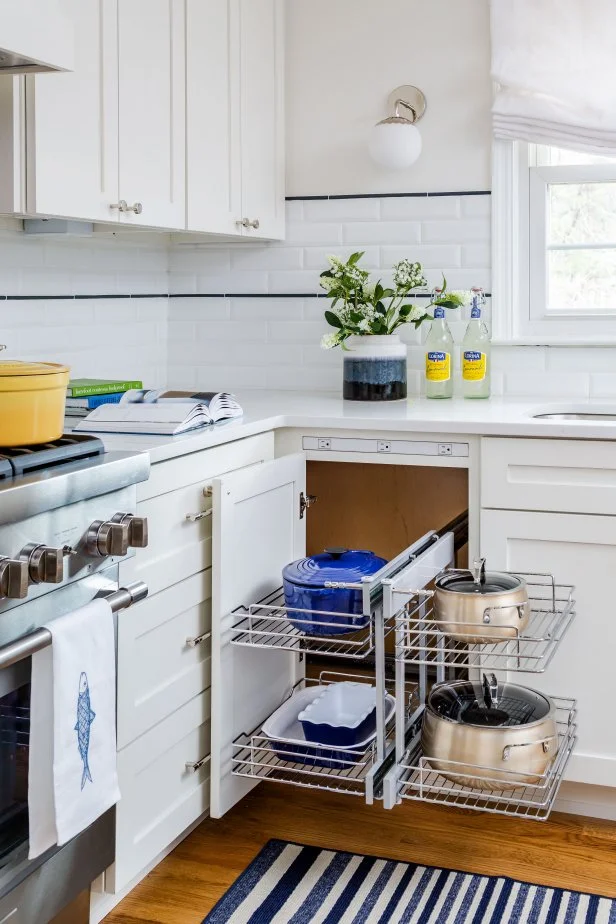
Credit: www.hgtv.com
Choosing The Right Storage Spot
Serving trays are useful kitchen tools that need the right storage place. Storing them properly keeps your kitchen neat and your trays easy to find.
Think about your kitchen’s space and how often you use trays. This helps pick the best spot to store them without causing clutter.
Assessing Kitchen Layout
Look at your kitchen layout to find good storage spots. Check cabinets, shelves, and drawers near your dining or food prep areas.
- Measure available spaces before choosing a spot
- Use vertical space with racks or organizers
- Keep trays near where you usually serve food
- Avoid blocking cabinets or appliances
Considering Tray Frequency
Think about how often you use your serving trays. Store the trays you use daily in easy-to-reach spots.
| Tray Use | Best Storage Location |
| Daily | Lower shelves or drawers near the kitchen counter |
| Occasionally | Upper shelves or less accessible cabinets |
| Rarely | Storage rooms or pantry areas |
Avoiding Clutter Zones
Keep trays away from clutter zones like busy countertops and sinks. This prevents them from getting dirty or lost among other items.
Tips to Avoid Clutter Zones:
- Store trays in dedicated spaces, not on counters
- Use organizers to separate trays from other kitchenware
- Keep trays dry and clean by avoiding sink areas

Credit: designthusiasm.com
Vertical Storage Solutions
Serving trays can take up a lot of space in the kitchen. Vertical storage saves room and keeps trays easy to reach.
Using vertical storage ideas helps keep your kitchen neat and organized. It also protects trays from damage.
Using Cabinet Dividers
Cabinet dividers let you store trays upright inside cabinets. They keep trays separate to avoid scratching.
- Place dividers vertically in deep cabinets.
- Slide trays between dividers for easy access.
- Use adjustable dividers for different tray sizes.
- Label dividers to find trays quickly.
Wall-mounted Racks
Wall-mounted racks create vertical space by holding trays on the kitchen wall. This keeps trays visible and off counters.
| Rack Type | Best For | Material |
| Wire Rack | Light trays | Metal |
| Wooden Rack | Heavy trays | Wood |
| Slotted Rack | Multiple trays | Plastic or Metal |
Over-the-door Organizers
Over-the-door organizers hang on cabinet or pantry doors. They hold trays vertically without using shelf space.
- Easy installation with no tools needed
- Fits most cabinet or pantry doors
- Keeps trays hidden but accessible
- Can store other kitchen items too
Drawer Organization Techniques
Serving trays can take up a lot of space in your kitchen. Organizing them in drawers keeps your kitchen tidy. It also makes trays easy to find when you need them.
Using the right tools and methods helps you store trays safely. This guide explains some easy ways to organize trays inside drawers.
- Experts in handling fine china and heirloom kitchenware recommend drawers over cabinets for high-value items: "For serving trays that are heavy, delicate, or particularly expensive, drawers provide superior protection compared to overhead cabinets. Drawers minimize the risk of dropping when retrieving and allow for gentle, horizontal layering. Always use felt or flannel drawer liners—not thin paper or vinyl—as the padding helps absorb minor shocks and prevents abrasive movement during the opening and closing of the drawer."
Tray Stands And Inserts
Tray stands and inserts help keep trays upright and separated. They prevent trays from sliding and scratching each other. You can buy adjustable inserts that fit different tray sizes.
Using these inserts makes it simple to pull out the tray you want. It also maximizes drawer space by keeping trays neatly stacked side by side.
Layered Drawer Storage
Layered storage lets you stack trays inside deep drawers. You can place small trays on top of larger ones without damage. Use soft liners between layers to protect trays.
- Measure your drawer depth to know how many layers fit.
- Use thin, non-slip liners between each tray layer.
- Keep frequently used trays on the top layer for quick access.
- Stack trays by size, largest at the bottom.
Labeling For Easy Access
Labels help you quickly find the tray you want without opening every drawer. Use clear labels on drawer fronts or tray edges. You can use simple tags or a label maker.
| Label Type | Best Use |
| Chalkboard Labels | Reusable and easy to change |
| Printed Stickers | Clean look and durable |
| Tag Labels | Good for handles or edges |
| Magnetic Labels | Works on metal trays or drawers |
Creative Space-saving Hacks
Serving trays can take up a lot of space in your kitchen. Finding smart ways to store them helps keep your kitchen tidy. Use these creative ideas to save space and keep trays easy to reach.
These simple storage hacks use common items and clever tricks. They make the most of your kitchen space without clutter.
Repurposing Magazine Holders
Magazine holders are great for storing serving trays upright. They keep trays separated and easy to pull out. Use sturdy holders that fit the size of your trays.
Place the holders inside cabinets or on shelves. This method saves horizontal space and prevents trays from sliding around.
- Choose magazine holders with strong sides
- Label holders for different tray types
- Keep trays vertical to avoid damage
Utilizing Under-shelf Baskets
Under-shelf baskets add extra storage below existing shelves. They work well for lightweight serving trays. These baskets free up shelf space and keep trays organized.
Install baskets on kitchen shelves or inside cabinets. Slide trays into the baskets to keep them accessible but out of the way.
- Choose baskets that fit your shelf size
- Check weight limits before loading trays
- Use baskets to separate trays by size or use
Stacking With Protectors
Stacking trays is a simple way to save space. Use protectors like cloth or silicone pads between trays. This prevents scratches and damage.
Stack trays in cabinets or on shelves. Keep heavier trays at the bottom. Use protectors to keep trays stable and clean.
- Place soft pads between each tray
- Stack trays by size for balance
- Store stacks where they are easy to reach
Maintenance And Care Tips
Keeping your serving trays clean and safe helps them last longer. Proper care also keeps them looking nice.
Follow simple steps to store trays well. This stops damage and makes your kitchen organized.
Cleaning Before Storage
Always clean trays before putting them away. Dirt and stains can cause damage over time.
Use mild soap and warm water. Dry trays completely to avoid moisture build-up.
- Wash trays with soft cloths or sponges
- Remove food residues and grease
- Do not soak wooden trays for long
- Dry trays thoroughly before storing
Avoiding Damage And Scratches
Protect trays by storing them carefully. Scratches reduce their appearance and value.
Use padding or cloth between trays to stop rubbing. Store trays upright if possible.
- Place soft liners between trays
- Do not stack heavy items on top
- Handle trays with care when moving
- Keep trays away from sharp objects
Regular Decluttering
Check your trays often to remove broken or unused ones. This keeps storage neat and practical.
Decluttering helps you find trays quickly. It also frees space for new or favorite trays.
- Sort trays by type and size
- Donate or recycle trays not in use
- Keep only trays you use often
- Organize trays in easy-to-reach places
Frequently Asked Questions
How Can I Store Serving Trays To Save Space?
Store serving trays vertically using dividers or racks. This saves space and keeps trays easily accessible. Use cabinet doors or dedicated shelves for organized storage.
What Is The Best Way To Protect Trays From Damage?
Place soft liners or cloth between stacked trays. Avoid heavy stacking to prevent scratches or dents. Handle trays gently and store in dry areas to prevent warping.
Can I Store Serving Trays In Kitchen Drawers?
Yes, shallow drawers with dividers work well for trays. Ensure the drawer is wide and deep enough to fit trays flat or vertically. This keeps trays organized and protected.
How Do I Organize Trays Of Different Sizes?
Group trays by size and shape for easy access. Use adjustable racks or stack smaller trays inside larger ones. Label storage areas for quick identification.
Conclusion
Storing serving trays properly saves space and keeps your kitchen neat. Choose a spot that is easy to reach and fits your trays well. Use dividers, hooks, or shelves to organize trays without damage. Keep trays dry and clean before storing to avoid stains.
Small efforts in organizing trays make cooking and serving easier. Start today and enjoy a tidy kitchen every day. Simple steps lead to lasting order and less stress.
To see a quick, visual demonstration of the most efficient storage solution—installing vertical tray dividers inside a cabinet—check out this video: