
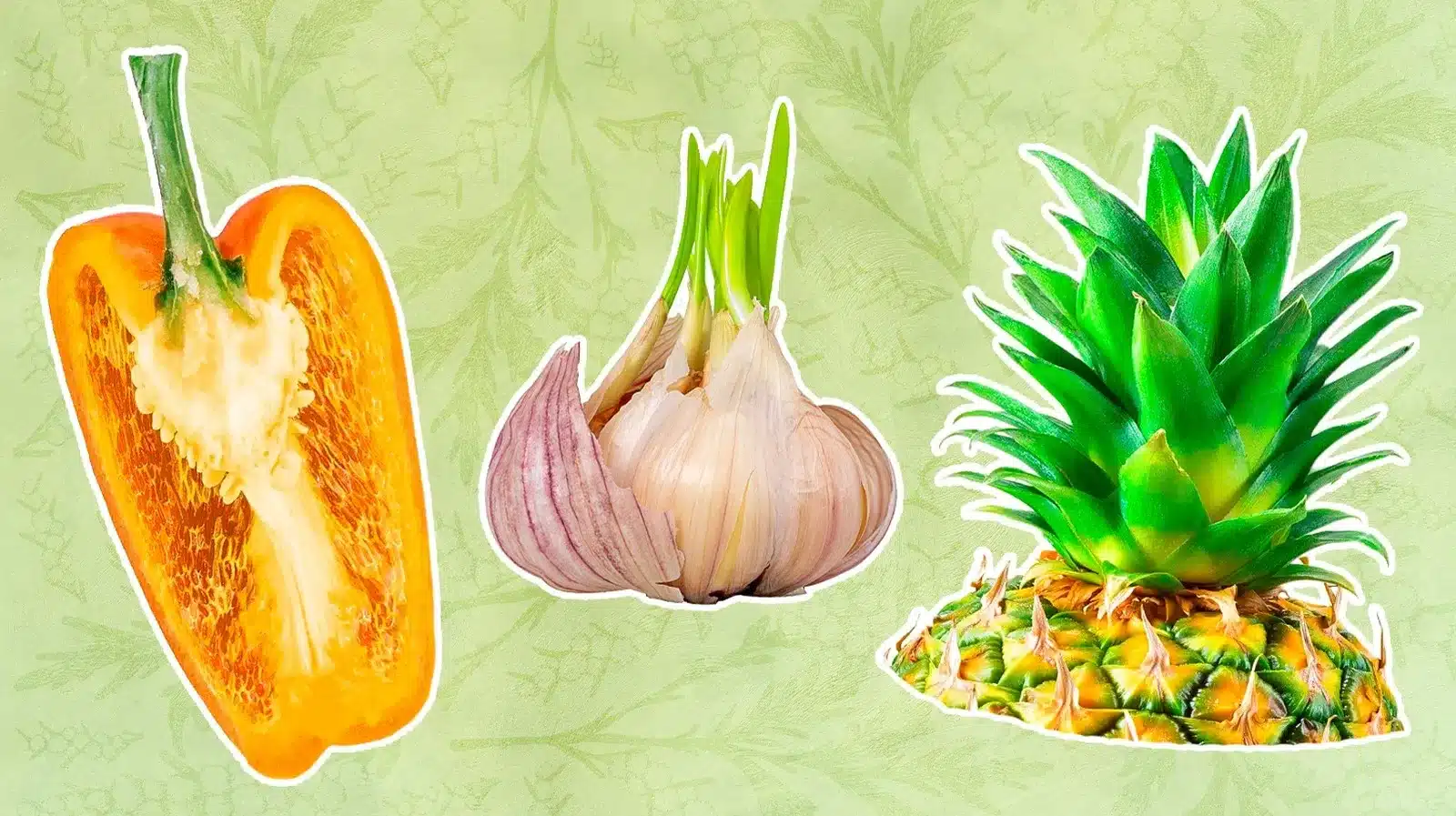
Imagine turning your kitchen waste into a lush, green paradise right inside your home. Yes, those leftover veggie bits you toss away can actually sprout into thriving plants!
If you've ever wondered how to grow your own garden without spending a dime on seeds, you're in the right place. This guide will show you how to transform your kitchen scraps into a sustainable, rewarding hobby. You'll discover simple, effective techniques that will not only save you money but also surprise you with the magic of nature's recycling system.
Ready to turn your kitchen into a green-thumb haven? Let's dig in!
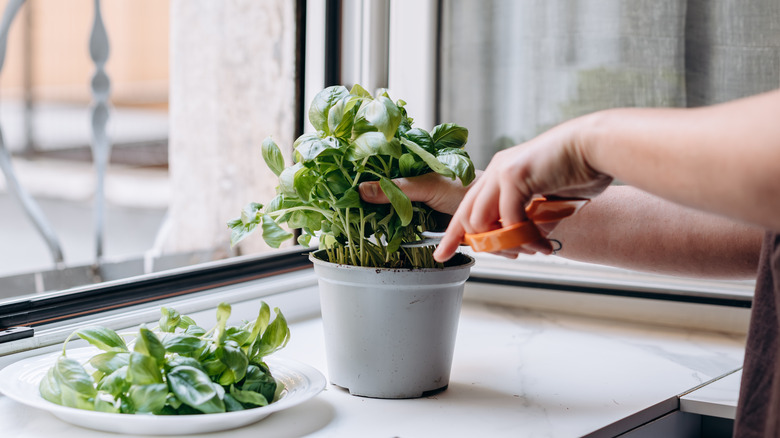
Credit: www.tastingtable.com
Benefits Of Growing From Scraps
Growing plants from kitchen scraps is a simple way to start gardening. It uses parts of vegetables and fruits you would normally throw away.
This method helps you save money, reduce waste, and support eco-friendly gardening. It is a smart choice for many gardeners.
Saving Money
Using kitchen scraps means you do not need to buy new seeds or plants. You grow new plants from what you already have at home.
This way, you can grow fresh herbs, vegetables, and even flowers without spending extra money.
Reducing Waste
Many kitchen scraps can grow into new plants instead of being thrown away. This helps cut down on food waste in your home.
Less waste means less trash in landfills, which is better for the environment.
- Regrow vegetable tops like green onions and lettuce
- Use potato eyes to grow new potatoes
- Grow herbs from stems like basil and mint
Eco-friendly Gardening
Growing plants from scraps reduces the need for plastic seed trays and packaging. This lowers your gardening impact on nature.
This method encourages natural recycling and helps conserve resources like water and soil.
Best Kitchen Scraps To Grow
You can grow many plants from scraps in your kitchen. This saves money and reduces waste.
Some scraps regrow easily with little care. Others take more time but are worth trying.
Vegetable Scraps
Many vegetables regrow from scraps. You can start new plants from roots or stems.
- Green onions: Place roots in water and watch new green shoots grow.
- Lettuce: Put the base in shallow water; leaves will regrow.
- Celery: Cut the base and place it in water for new stalks.
- Carrot tops: Root the top in soil for fresh greens.
- Potato eyes: Plant potato pieces with eyes in soil to grow new plants.
Herb Stems
Herbs grow well from stem cuttings. Use fresh stems for best results.
| Herb | How to Grow |
| Basil | Place stem in water until roots grow, then plant in soil. |
| Mint | Put stem in water; it roots quickly. |
| Cilantro | Place stem in water and change water often. |
| Rosemary | Cut a woody stem and plant directly in soil. |
| Parsley | Root stem in water before planting in soil. |
Fruit Seeds And Peels
Some fruits regrow from seeds or peels. They take longer but are fun to try.
Try growing these fruits from kitchen scraps:
- Avocado: Clean the pit and suspend it in water to sprout roots.
- Pineapple: Cut the top and plant it in soil.
- Orange: Plant seeds after drying them for a few days.
- Apple: Dry seeds then plant in soil with good drainage.
- Banana: Plant small shoots or pups near the base of the main plant.
Preparing Scraps For Planting
Growing plants from kitchen scraps is a simple way to recycle food waste. It also helps you grow fresh herbs and vegetables at home.
Preparing your scraps correctly is key. Clean and cut them properly before planting or rooting.
Cleaning And Cutting
Rinse your scraps under cool water to remove dirt and bacteria. This keeps your plants healthy as they grow.
Cut the scraps into small pieces. Remove any damaged or rotten parts. Use clean scissors or a knife to make clean cuts.
- Wash scraps thoroughly
- Remove brown or soft areas
- Cut scraps into 2-4 inch pieces
- Use clean tools to avoid germs
Rooting In Water
Place the prepared scraps in a clear container with water. Make sure the cut ends are submerged to encourage root growth.
Change the water every few days to keep it fresh. Place the container in a sunny spot but avoid direct harsh sunlight.
- Use a glass or jar with clean water
- Keep cut ends underwater
- Change water every 2-3 days
- Place near a bright window
Using Soil And Containers
Fill small pots with well-draining soil. Plant the prepared scraps with the cut side down into the soil.
Water the soil lightly and place the pots in a warm place with indirect sunlight. Keep the soil moist but not soggy.
- Choose pots with drainage holes
- Use loose, fertile soil
- Plant scraps cut side down
- Keep soil damp but not wet
- Place pots where they get indirect light
Step-by-step Growing Guide
Growing plants from kitchen scraps is a fun and easy way to recycle food waste. You can start new plants using parts of vegetables that usually get thrown away.
This guide shows you simple steps to regrow green onions, sprout lettuce, and plant potato eyes at home.
Regrowing Green Onions
Green onions grow quickly from their white roots. Cut the green parts for cooking but keep the white root base.
Place the white roots in a glass of water with the roots submerged. Put the glass in a sunny spot.
- Change the water every few days
- Watch new green shoots grow from the top
- After roots grow longer, plant them in soil
- Water the soil regularly to keep it moist
Sprouting Lettuce
Save the bottom part of a lettuce head after you use the leaves. This part can sprout new leaves.
Place the lettuce base in a shallow bowl with a little water. Keep it in a bright place but out of direct sun.
- Change the water every day to prevent rot
- New leaves will start to grow in a few days
- Once leaves grow, plant the base in soil
- Water regularly and watch it grow into a full lettuce
Planting Potato Eyes
Potatoes have small buds called eyes. These eyes can sprout new potato plants.
Cut a potato into pieces, making sure each piece has at least one eye. Let the pieces dry for a day.
- Plant the pieces in soil with eyes facing up
- Cover with 3-4 inches of soil
- Keep the soil moist but not wet
- Shoots will appear in 2-4 weeks
- Harvest new potatoes when the plants die back
Care Tips For Healthy Growth
Growing plants from kitchen scraps is a fun and easy way to start gardening. Proper care helps your plants stay strong and healthy. This guide gives simple tips for watering, feeding, and keeping pests away.
With the right attention, your kitchen scrap plants can grow well and provide fresh greens. Follow these care tips to give your plants the best chance to thrive.
Watering And Light Needs
Plants from kitchen scraps need consistent water but should not sit in wet soil. They also need enough light to grow leaves and roots. Adjust watering and light based on the plant type and season.
- Water when the top inch of soil feels dry
- Use a spray bottle for gentle watering
- Place plants near a sunny window with indirect light
- Avoid direct harsh sunlight to prevent leaf burn
- Rotate plants weekly for even light exposure
Fertilizing Naturally
Kitchen scrap plants can get nutrients from natural fertilizers. These help the soil stay rich without chemicals. Use common kitchen items to feed your plants safely.
| Natural Fertilizer | How to Use | Benefits |
| Banana Peel | Cut small pieces and bury near roots | Provides potassium and phosphorus |
| Eggshells | Crush and sprinkle on soil surface | Adds calcium for strong stems |
| Used Coffee Grounds | Mix lightly into soil | Improves soil texture and adds nitrogen |
| Vegetable Water | Use cooled water from boiled veggies to water plants | Supplies vitamins and minerals |
Pest Management
Pests can harm your kitchen scrap plants. Keep plants clean and check often for bugs. Use safe methods to control pests without chemicals.
Try these natural pest control tips:
- Wipe leaves with a damp cloth to remove insects
- Spray a mix of water and mild soap on affected areas
- Introduce ladybugs or other helpful insects
- Keep plants well spaced for good air flow
- Remove dead or damaged leaves quickly

Credit: shopping.yahoo.com
Common Challenges And Fixes
Growing plants from kitchen scraps is fun but can be tricky. Some problems may stop your plants from growing well.
Here are common issues you might face and easy ways to fix them. This helps your plants stay healthy and strong.
Dealing With Mold
Mold often grows on kitchen scraps if they are too wet or in poor air circulation. Mold can harm the plants or slow growth.
Remove any moldy parts quickly. Use clean water and good air flow to keep mold away. Avoid letting scraps stay soggy.
- Change water every few days
- Keep scraps dry on top
- Place plants where air moves well
Preventing Overwatering
Too much water can cause roots to rot and scraps to decay fast. Overwatering stops plants from growing strong roots.
Check soil or container daily. Water only if the top feels dry. Use containers with holes to let extra water drain out.
- Use well-draining soil or paper towels
- Water lightly, not soaking wet
- Make holes in containers for drainage
Encouraging Strong Roots
Strong roots help plants get water and nutrients. Kitchen scraps need care to grow deep and healthy roots.
Keep scraps in warm, bright places but out of direct sun. Change water regularly and give scraps time to develop roots before planting in soil.
- Place scraps near a sunny window
- Use clean water and change it often
- Wait until roots grow 2-3 inches before planting
Creative Ways To Use Your Plants
Growing plants from kitchen scraps is a fun way to reuse food waste. It helps you save money and enjoy fresh greens at home.
You can use these plants in many creative ways. They add flavor to meals, make great gifts, and brighten your space.
Fresh Cooking Ingredients
Plants grown from scraps provide fresh ingredients for your kitchen. They taste better and are healthier than store-bought options.
- Use green onion scraps to grow fresh scallions for salads and soups.
- Regrow celery bases to add crunch to sandwiches and stews.
- Plant garlic cloves to harvest fresh garlic greens for cooking.
- Grow carrot tops to use in pesto or garnish dishes.
Homemade Gifts
Plants from kitchen scraps make thoughtful homemade gifts. They show care and encourage others to grow their own food.
- Pot leftover herb scraps in small containers and decorate the pots.
- Create a mini garden kit with soil, seeds, and growing tips.
- Wrap plants in recycled paper and tie with natural twine.
- Include a handwritten note with care instructions for the plant.
Decorative Plant Displays
Display your plants in creative ways to enhance your home’s look. Use simple containers to show off your green scraps.
Use old jars to grow herbs by the window.
Add water and scraps for roots to grow.
Plant small scraps in each cup.
Perfect for starting seedlings indoors.
Reuse old teacups for small plants.
Great for decorating shelves or desks.

Credit: www.everydaycheapskate.com
Frequently Asked Questions
How Do I Grow Plants From Kitchen Scraps?
You can regrow vegetables by planting scraps like celery, green onions, and potato eyes. Place them in water or soil. Keep them in sunlight and change water regularly. New roots and shoots will develop in days to weeks. Transplant to soil when growth is steady.
Which Kitchen Scraps Are Best For Regrowing Plants?
Best scraps include green onion roots, celery bases, potato eyes, garlic cloves, and carrot tops. These scraps root easily in water or soil. They regrow quickly and produce edible greens. Avoid scraps from cooked or spoiled vegetables as they won’t grow.
How Long Does Regrowing Plants From Scraps Take?
Regrowth usually takes 7 to 14 days. Some plants like green onions sprout faster, within a few days. Others, like potatoes, may take longer. Patience and proper care, like sunlight and fresh water, help speed up growth for healthy plants.
Can All Kitchen Scraps Grow New Plants?
Not all scraps regrow. Only certain vegetables with viable roots or stems grow well. Leafy scraps or fruit peels rarely grow plants. Focus on scraps like onion bulbs, celery stalks, and potato eyes for successful regrowth.
Conclusion
Growing plants from kitchen scraps saves money and reduces waste. It brings fresh greens right to your home. You can try simple scraps like potato eyes or carrot tops. Watch your plants grow with little effort. This hobby suits beginners and experts alike.
Start small, learn as you go, and enjoy the process. Your kitchen scraps hold more value than you think. Give it a try and see the green results for yourself.


