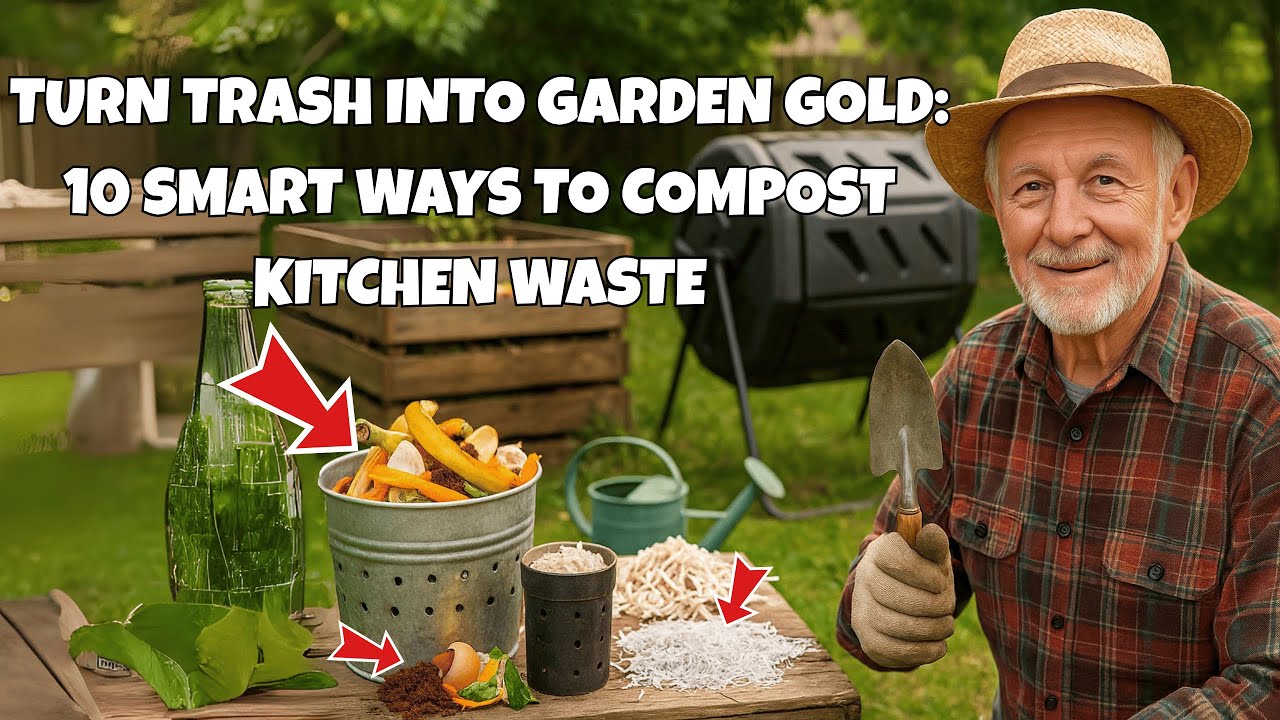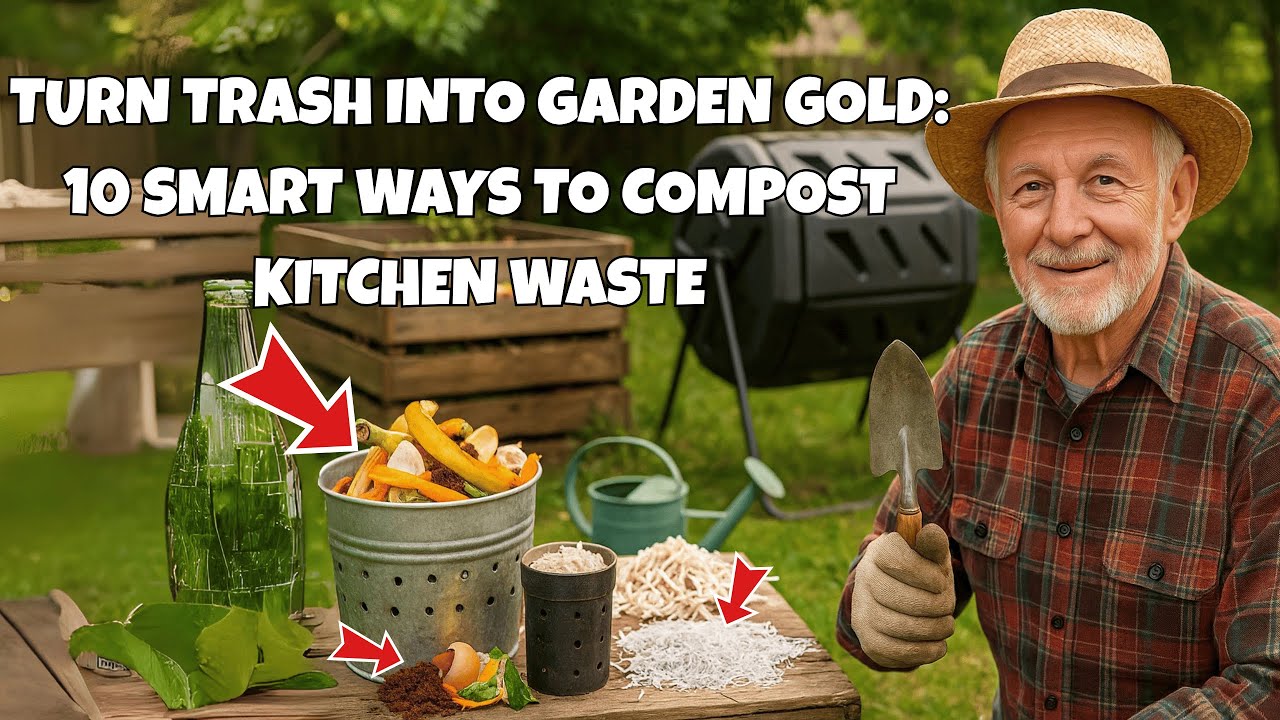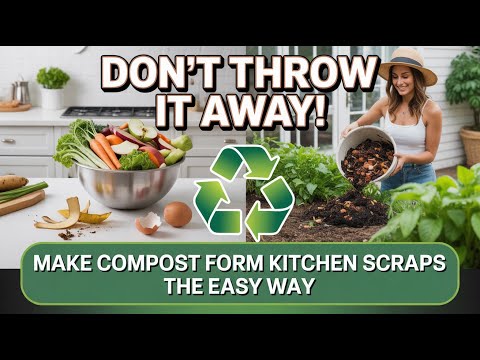
Do you ever wonder what to do with your kitchen scraps instead of tossing them in the trash? What if those leftover peels, coffee grounds, and veggie bits could turn into rich, healthy soil for your garden?
Using kitchen scraps for compost is easier than you think—and it’s a powerful way to reduce waste, save money, and boost your plants’ growth. Keep reading, and you’ll discover simple steps you can take right now to transform your everyday food waste into nutrient-packed compost that benefits both your garden and the environment.

Credit: www.bamboozlehome.com
Benefits Of Composting Kitchen Scraps
Composting kitchen scraps is a simple way to help the environment. It turns food waste into useful material for gardens.
This process reduces trash and supports healthy plant growth. It is good for homes and the planet.
Reducing Household Waste
Composting cuts down the amount of food waste sent to landfills. This lowers bad smells and harmful gases.
- Less trash means fewer garbage pickups
- Reduces landfill space use
- Helps lower methane gas emissions
- Saves money on waste disposal
Enhancing Soil Health
Compost adds nutrients back into the soil. It improves soil texture and water retention.
| Benefit | Effect on Soil |
| Organic Matter | Improves soil structure |
| Microorganisms | Boosts nutrient cycling |
| Water Retention | Keeps soil moist longer |
| pH Balance | Maintains healthy acidity |
Supporting Sustainable Gardening
Using compost reduces the need for chemical fertilizers. It supports natural growth and healthy plants.
Benefits of compost in gardening:
- Encourages earthworms and beneficial insects
- Reduces water use by improving soil moisture
- Promotes stronger root systems
- Helps plants resist diseases
Credit: www.amazon.com
Choosing The Right Composting Method
Using kitchen scraps for compost is a smart way to reduce waste. Picking the right composting method helps you get good soil for your plants.
Different composting methods work better in different spaces and climates. Choose one that fits your needs and lifestyle.
Outdoor Compost Piles
Outdoor compost piles are great if you have a backyard. You can throw kitchen scraps, leaves, and grass clippings into a pile.
These piles need air and moisture. Turn the pile often to help break down the scraps faster.
- Best for people with space outside
- Needs good drainage and airflow
- Works well for large amounts of scraps
- Requires regular turning to speed up composting
Indoor Compost Bins
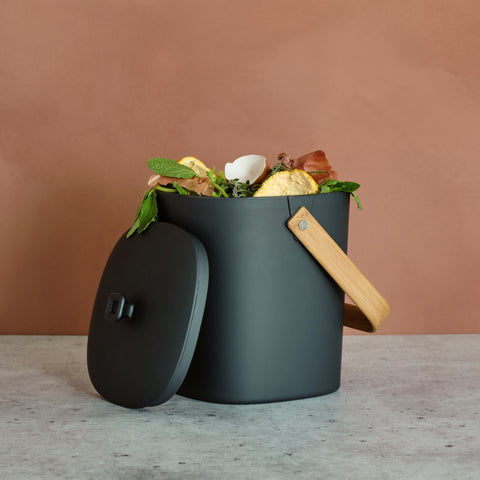
Indoor compost bins are small containers for kitchen scraps. They work well in apartments or small homes.
These bins keep composting neat and reduce smells. You can add scraps like vegetable peels and coffee grounds.
- Good for limited outdoor space
- Needs a lid to keep bugs out
- Requires regular mixing
- Use compostable liners to keep the bin clean
Vermicomposting With Worms
Vermicomposting uses special worms to turn kitchen scraps into rich compost. It is perfect for small spaces.
The worms eat food scraps and produce nutrient-rich castings. Keep the worm bin moist and in a cool place.
- Needs a worm bin with air holes
- Use red worms for best results
- Feed worms fruit and vegetable scraps
- Do not add meat or dairy products
Selecting Kitchen Scraps For Compost
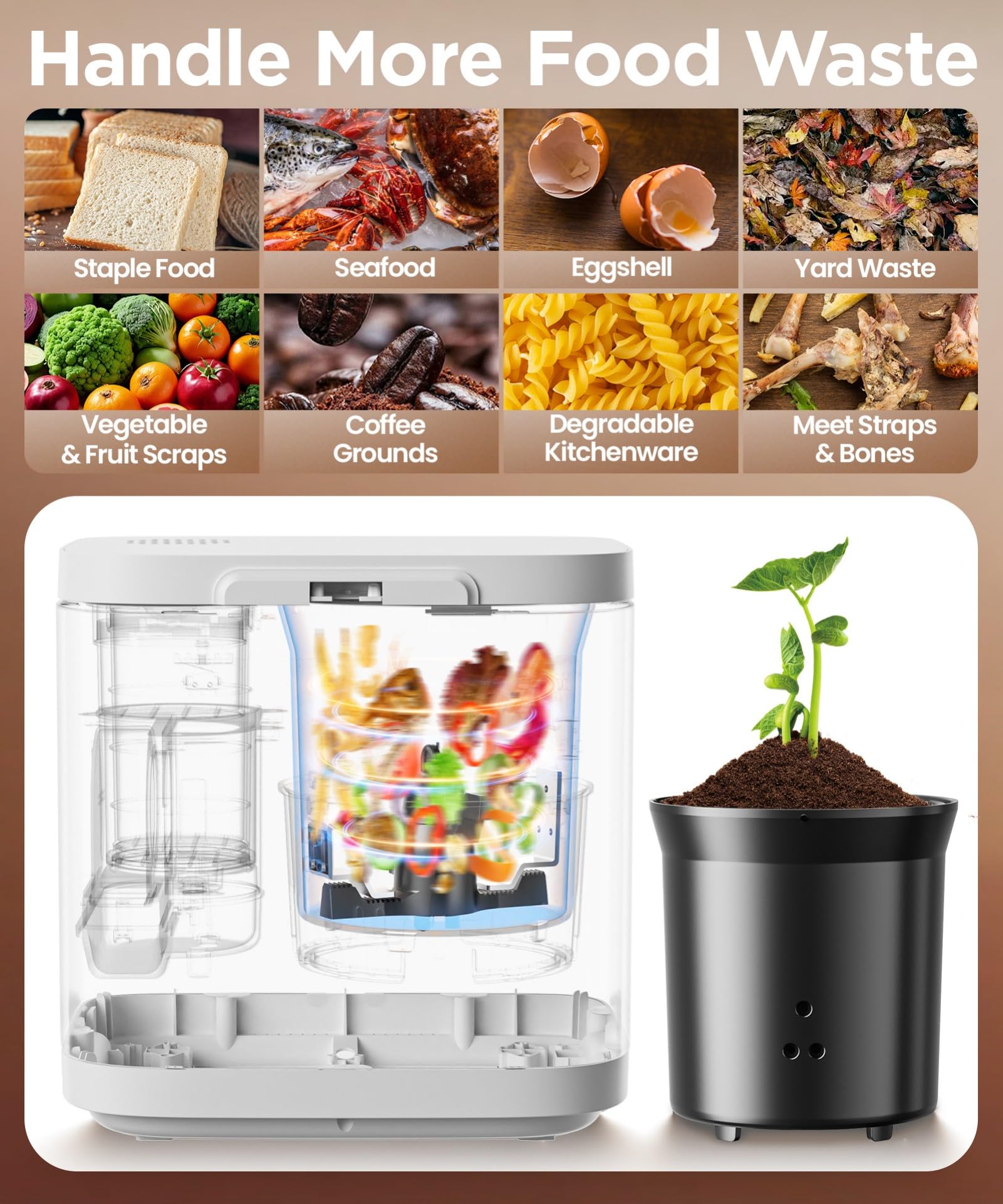
Composting kitchen scraps helps reduce waste and enrich soil. Picking the right scraps is important for good compost.
Some kitchen scraps break down quickly, while others take longer. Choose scraps that add nutrients and balance to your compost.
Vegetable And Fruit Peels
Vegetable and fruit peels are great for compost. They break down fast and add valuable nutrients to the soil.
Use peels from potatoes, carrots, apples, bananas, and other common produce. Cut large peels into smaller pieces to speed up decay.
Coffee Grounds And Tea Leaves
Used coffee grounds and tea leaves add nitrogen to compost. They help create rich, healthy soil for plants.
Dry the grounds and leaves before adding them. Avoid adding tea bags with plastic parts to keep compost clean.
Eggshells And Nut Shells
Eggshells add calcium and other minerals to compost. Crush them well to help them break down faster.
Nut shells take longer to compost because they are hard. Use crushed nut shells or add them in small amounts.
Avoiding Harmful Items
Some kitchen scraps can harm your compost. Avoid adding meat, dairy, oily foods, and spoiled scraps.
Also skip large amounts of citrus peels and onion skins. These can slow down composting or attract pests.
Preparing Scraps For Composting
Using kitchen scraps for compost helps reduce waste and enrich soil. Proper preparation speeds up decomposition. It also prevents bad smells and pests.
Follow simple steps to prepare your scraps before adding them to the compost pile. This makes composting easier and more effective.
Chopping And Shredding
Cut scraps into small pieces to help them break down faster. Large pieces take longer and may attract pests. Use a knife or food processor to chop or shred materials.
- Cut fruit and vegetable peels into small bits
- Shred leafy greens for quicker decay
- Break eggshells into tiny pieces
- Chop coffee grounds and tea leaves finely
Balancing Green And Brown Materials
Green scraps provide nitrogen, while brown scraps add carbon. A good balance helps microbes work well. Too much green causes smell; too much brown slows composting.
| Material Type | Examples | Role in Compost |
| Green | Vegetable scraps, coffee grounds, fresh grass | Provides nitrogen |
| Brown | Dried leaves, paper, cardboard, sawdust | Provides carbon |
Mix green and brown scraps evenly. Aim for about three parts brown to one part green for best results.
Maintaining Moisture Levels
Moisture is key for microbes to break down scraps. The compost should feel like a damp sponge—not too wet or dry. Check moisture often and adjust as needed.
- Add water if the pile is dry
- Add dry brown materials if it feels soggy
- Turn the pile to mix moisture evenly
Managing Your Compost Pile
Taking care of your compost pile helps break down kitchen scraps quickly. Proper management keeps the pile healthy and productive.
Good compost needs air, heat, and moisture. You must check and adjust these regularly for best results.
Turning And Aerating
Turning your compost adds air and mixes materials. This helps microbes break down scraps faster.
Use a garden fork or compost aerator to turn the pile every few days. Make sure to reach the center too.
- Turn the pile to add oxygen
- Mix wet and dry materials evenly
- Prevent bad smells by avoiding compacting
Monitoring Temperature
Check the compost temperature to know if it is breaking down well. A warm pile means good activity.
Use a compost thermometer to measure heat. Aim for 130-150°F (54-66°C) for best decomposition.
- Too cold means slow breakdown
- Too hot can kill helpful microbes
- Adjust moisture and turn pile if temperature is off
Controlling Odors And Pests
Good compost smells earthy, not rotten. Control odors by balancing green and brown materials.
Cover food scraps with dry leaves or shredded paper to keep pests away. Keep the pile moist but not wet.
- Use equal parts green (kitchen scraps) and brown (dry leaves) materials
- Turn pile regularly to prevent bad smells
- Cover fresh scraps to deter flies and rodents

Credit: www.youtube.com
Using Finished Compost In Your Garden
Finished compost is a rich, dark material that helps plants grow. It improves soil health and supports strong roots. Knowing how to use it can make your garden thrive.
This guide covers how to test compost, apply it to soil, and boost plant growth naturally with finished compost.
Testing Compost Readiness
Before using compost, check if it is ready. Good compost is dark brown, crumbly, and smells earthy. It should not be hot or have large pieces of food.
- Look for a uniform texture without visible scraps
- Smell the compost; it should have a fresh, earthy scent
- Feel the moisture; it should be damp but not wet
- Check the temperature; it should be cool or slightly warm
Applying Compost To Soil
Spread finished compost over your garden soil to add nutrients and improve soil structure. Compost can be mixed into the soil or used as a mulch.
| Method | How to Apply | Benefits |
| Soil Mixing | Mix 1-3 inches into topsoil before planting | Improves soil texture and nutrient content |
| Mulching | Spread 2-4 inches on soil surface around plants | Retains moisture and controls weeds |
| Top Dressing | Apply thin layer around established plants | Feeds plants slowly over time |
Boosting Plant Growth Naturally
Compost supports healthy plants by providing nutrients and improving soil life. Use compost regularly to help your garden grow strong and resist pests.
- Apply compost in early spring and fall for best results
- Use compost tea as a natural fertilizer spray
- Mix compost with potting soil for container plants
- Encourage earthworms and beneficial microbes by adding compost
Frequently Asked Questions
What Kitchen Scraps Are Best For Composting?
Vegetable peels, coffee grounds, eggshells, and fruit scraps are excellent for composting. Avoid meat, dairy, and oily foods as they attract pests and slow decomposition.
How Do I Prepare Kitchen Scraps For Compost?
Chop scraps into small pieces to speed up decomposition. Avoid adding large chunks and remove any plastic or non-organic materials before composting.
Can I Compost Citrus Peels And Onion Skins?
Yes, citrus peels and onion skins can be composted in small amounts. Large quantities may increase acidity, so balance them with other green and brown materials.
How Often Should I Add Kitchen Scraps To Compost?
Add kitchen scraps regularly, ideally daily or every few days. This keeps your compost active and ensures a steady supply of organic material for decomposition.
Conclusion
Transforming kitchen scraps into compost enriches your garden naturally. It's simple and eco-friendly. You reduce waste and nourish plants. Start with fruit peels, coffee grounds, and eggshells. Mix them with yard waste. Turn regularly for faster breakdown. Soon, you'll have rich compost.
Your plants will thank you. Composting also saves money on fertilizers. Plus, it helps the environment by reducing landfill waste. Keep the process going. Enjoy the benefits for your garden and the planet. Embrace the cycle of nature. Happy composting!