Are you worried that winter means your kitchen scraps have nowhere to go? You don’t have to stop composting just because it’s cold outside.
Learning how to compost kitchen scraps in winter is easier than you might think. With the right tips, you can turn your food waste into rich soil all year round. Imagine turning those leftover peels and coffee grounds into something useful, even when snow is falling. Keep reading, and you’ll discover simple, practical ways to keep your compost alive and thriving through the cold months.
Your garden—and the planet—will thank you when you follow these easy steps on how to compost kitchen scraps in winter.
Choosing The Right Composting Method
Composting kitchen scraps in winter needs some planning. Cold weather slows down decomposition. Choosing the right method helps keep your compost active.
Different composting ways work best indoors or outdoors. Worm bins are also a good choice for winter. Let’s explore these options.
Indoor Composting Options
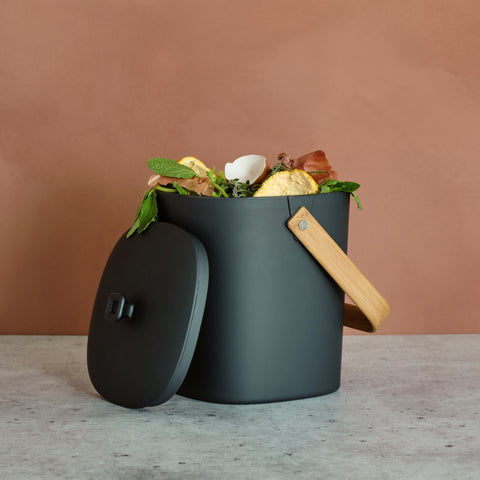
Indoor composting lets you recycle scraps without cold weather problems. You can use small bins or special containers designed for inside use. These keep smells down and are easy to manage.
- Use a countertop compost bin with a tight lid.
- Add dry materials like shredded paper to reduce moisture.
- Stir compost regularly to add air.
- Keep the bin in a warm spot inside your home.
Outdoor Composting In Cold Weather
Outdoor composting slows down in winter but can still work. Insulating your compost pile helps keep it warm. Cover the pile with straw or leaves to trap heat.
| Tip | Reason |
|---|---|
| Build a large pile | Large piles hold heat better |
| Turn pile less often | Keep heat inside |
| Add more brown materials | Balance moisture in cold |
| Use a compost bin with a lid | Protect from snow and rain |
Using Worm Bins In Winter
Worm bins are a great indoor method for winter composting. Worms break down scraps quickly at room temperature. Keep the bin in a warm place, like a kitchen or basement.
Follow these tips for worm bins:
- Do not overfeed worms in winter.
- Keep the bin moist but not wet.
- Use shredded newspaper or cardboard as bedding.
- Check the temperature; keep it above 55°F (13°C).

Credit: www.andersonandgrant.com
Preparing Kitchen Scraps For Winter Composting
Composting kitchen scraps in winter helps reduce waste and nourish your garden. Cold weather slows down decomposition, so preparing scraps properly is important.
Learn how to choose the right scraps, avoid materials that cause problems, and store scraps effectively during winter months.
Best Scraps To Compost
Choose scraps that break down well in cold temperatures. These scraps add valuable nutrients and help maintain a balanced compost pile.
- Vegetable peels like carrot and potato skins
- Fruit scraps such as apple cores and banana peels
- Used coffee grounds and tea bags
- Eggshells crushed into small pieces
- Cooked vegetable leftovers without oil or sauce
Avoiding Problematic Materials
Some kitchen scraps can attract pests or slow composting. Avoid these to keep your compost healthy and clean during winter.
| Material | Reason to Avoid |
|---|---|
| Meat and fish scraps | Attract animals and cause odors |
| Dairy products | Slow decomposition and smell bad |
| Oils and fats | Make compost greasy and hard to break down |
| Large woody stems | Take too long to decompose |
| Diseased plants | May spread diseases in compost |
Chopping And Storing Scraps
Cut scraps into small pieces to speed up composting. Store scraps in a cool place to prevent freezing and keep them fresh.
- Chop scraps into pieces about 1 to 2 inches wide
- Use a sealed container or compost bin for storage
- Keep the container in a garage or basement to avoid freezing
- Add dry leaves or shredded paper between layers to absorb moisture
- Mix stored scraps into the compost pile regularly
Maintaining Compost Temperature
Composting kitchen scraps in winter needs extra care to keep the pile warm. Cold weather slows down the composting process.
Keeping the compost temperature steady helps microbes break down waste faster. Use simple ways to keep the heat inside.
Insulating Your Compost Pile
Insulation stops heat from escaping the compost pile. Use natural materials around the pile to keep it warm.
Cover the compost with straw, leaves, or old blankets. These layers act like a warm coat for your pile.
- Build a thick layer of straw or dry leaves on all sides
- Use cardboard or old blankets as a top cover
- Place the pile in a sheltered spot away from wind
- Add extra layers if the weather is very cold
Using Heat Sources Safely
Heat sources can boost compost temperature but must be used carefully. Avoid fire or anything that can damage the pile.
Small heating pads or warm water bottles can help. Make sure they do not dry out or overheat the compost.
- Use electric heating pads designed for gardening
- Place heat sources under or around the pile, not inside
- Check heat levels regularly to avoid damage
- Do not use open flames or hot objects
Monitoring Moisture Levels
Moisture helps microbes stay active and produce heat. Compost that is too dry or too wet will cool down.
Check the pile often. Add water if it feels dry. Mix in dry materials if it is too wet.
- Test moisture by squeezing a handful of compost
- It should feel like a damp sponge, not dripping
- Add water in small amounts to avoid over-wetting
- Add dry leaves or shredded paper to absorb extra moisture

Credit: gracefulgardens.com
Managing Microbial Activity
Composting kitchen scraps in winter can be tricky. Cold weather slows down microbes that break down waste.
Managing microbial activity helps keep the compost process active even in cold months.
Adding Brown Materials
Brown materials add carbon to your compost. They balance the green, nitrogen-rich kitchen scraps.
Use dry leaves, shredded paper, or straw to help microbes work better in winter.
- Brown materials keep the pile dry and warm
- They improve airflow for microbes
- They slow down moisture, preventing rot
Turning And Aerating The Pile
Turning the compost pile mixes the materials and adds oxygen. Microbes need oxygen to break down scraps.
Aerating the pile helps keep microbes active, even when it is cold outside.
- Turn the pile every few days or once a week
- Use a pitchfork or compost aerator tool
- Move outer materials to the center for warmth
Using Compost Accelerators
Compost accelerators add helpful microbes to speed up decomposition. They boost activity in cold weather.
These can be natural or store-bought. Adding accelerators helps keep compost breaking down through winter.
- Use finished compost or garden soil as accelerators
- Sprinkle accelerator on the pile when adding scraps
- Keep the pile moist but not wet for best results
Dealing With Common Winter Composting Challenges
Composting kitchen scraps in winter can be tricky. Cold weather slows down the process.
Knowing how to handle freezing, odors, and pests helps keep your compost healthy.
Preventing Freezing
Freezing stops the compost from breaking down. Keep your compost warm to avoid this.
Use a compost bin with insulation or cover it with straw or leaves. Turn your compost often to add air and heat.
- Place the bin in a sunny spot
- Add more brown materials like dry leaves
- Mix compost regularly to keep it warm
- Use a lid or cover to trap heat
Controlling Odors
Winter compost can smell bad if it is too wet or lacks air. Bad smells come from rotting food without oxygen.
Balance wet scraps with dry materials like shredded paper. Turn compost often to add air and reduce smells.
- Add dry materials to soak up moisture
- Mix compost to increase airflow
- Avoid putting in meat or dairy scraps
- Use a compost bin with good ventilation
Handling Pests
Pests can still visit your compost in winter. They look for food and shelter during cold months.
Keep pests away by avoiding meat, dairy, and oily foods. Use a bin with a secure lid and check it often.
- Do not add meat or dairy scraps
- Use a compost bin with a tight lid
- Turn compost to disturb pests
- Keep compost away from your home
Harvesting And Using Winter Compost
Composting kitchen scraps in winter helps reduce waste and feeds your garden. Even in cold months, compost breaks down slowly.
Knowing when to harvest and how to use winter compost keeps your soil healthy. Proper storage also protects compost during freezing weather.
Signs Compost Is Ready
Winter compost may take longer to finish. Watch for these signs to know when it is ready to use.
- The compost looks dark and crumbly.
- There is an earthy smell, not a rotten odor.
- Original food scraps are no longer visible.
- The pile feels warm inside, even in cold weather.
Applying Compost In Early Spring
Early spring is a good time to add compost to your garden. It prepares the soil for new plants.
Spread a thin layer of compost over garden beds. Mix it lightly into the topsoil for best results.
- Apply compost before planting seeds or seedlings.
- Use about one to two inches of compost layer.
- Water the soil after spreading compost.
- Compost adds nutrients and improves soil texture.
Storing Compost Properly
Keep your compost safe during winter by storing it well. Proper storage prevents nutrient loss and keeps pests away.
Store compost in a covered bin or pile it in a sheltered spot. Avoid letting it get too wet or freeze solid.
- Use a lid or tarp to protect from rain and snow.
- Place compost near the house for easy access.
- Turn the pile occasionally to keep air flowing.
- Keep compost off frozen ground with pallets or boards.

Credit: www.youtube.com
Frequently Asked Questions
Can You Compost In Winter?
Yes, you can compost in winter. The key is to insulate the pile to retain heat. Use straw, leaves, or a tarp. This keeps the decomposition process active. Regularly turning the pile helps maintain temperature. Consider using a compost bin for added insulation and ease of access during cold months.
What Kitchen Scraps Are Best For Winter Composting?
Ideal kitchen scraps include vegetable peels, coffee grounds, and eggshells. Avoid adding too much citrus or onion peels. These can slow down the composting process. Balance these with brown materials like dried leaves. This ensures efficient decomposition, even during the colder months.
How Do You Insulate A Compost Pile?
To insulate a compost pile, surround it with straw or leaves. This retains heat effectively. Cover the top with a tarp or old carpet. This provides additional warmth and moisture retention. Regularly check and turn the pile to maintain consistent temperature and aeration.
Why Is Turning The Compost Pile Important In Winter?
Turning the compost pile aerates and distributes heat evenly. This helps keep the decomposition process active. It prevents the pile from becoming too compacted. Regular turning also helps mix materials for efficient breakdown. This is crucial in colder months when decomposition naturally slows.
Conclusion
Composting kitchen scraps in winter helps reduce waste and feeds your garden. Keep your compost warm by adding dry leaves and turning it often. Small bins inside can speed up the process. Even in cold months, your scraps break down well with care.
Start simple, stay consistent, and watch your compost grow. This way, you help the earth all year long. Try these tips and enjoy fresh, rich soil come spring.