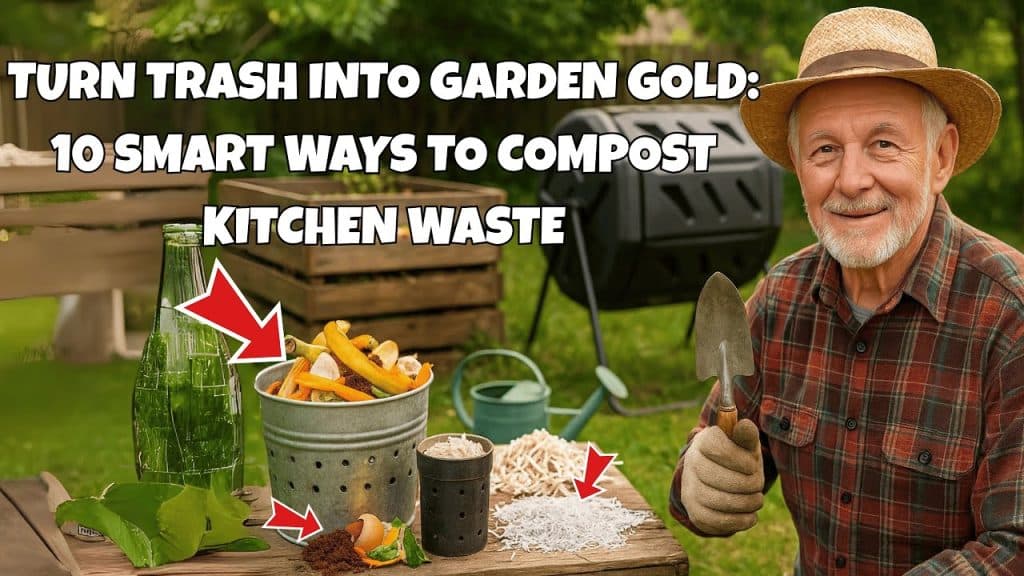
Are you tired of throwing away kitchen scraps every day? What if you could turn that waste into something valuable for your garden?
Composting kitchen waste at home is easier than you think, and it can save you money while helping the environment. You’ll discover simple steps to start composting right in your kitchen. By the end, you’ll feel confident turning your food scraps into rich soil that makes your plants thrive.
Ready to make a change that benefits you and the planet? Let’s dive in!

Credit: www.youtube.com
Benefits Of Composting Kitchen Waste
Composting kitchen waste is a simple way to help the environment. It turns food scraps into useful material for plants.
There are many good reasons to start composting at home. It helps reduce trash and supports healthy gardens.
Reducing Household Waste
Composting lowers the amount of garbage sent to landfills. This helps reduce pollution and saves space.
- Fruits and vegetable peels can be composted instead of thrown away.
- Leftover coffee grounds and eggshells add value to compost.
- Composting stops food waste from creating harmful gases in landfills.
Improving Soil Health
Compost adds nutrients to soil. It makes the soil rich and helps plants grow strong.
| Soil Benefit | Effect |
| Increased Nutrients | Plants grow healthier |
| Better Moisture Retention | Soil stays wet longer |
| Improved Soil Structure | Roots grow deeper |
Saving Money And Resources
Using compost reduces the need for store-bought fertilizers. It saves money and protects the environment.
- Cut down on buying chemical fertilizers.
- Reuse kitchen scraps instead of tossing them.
- Lower water bills by improving soil water retention.
Choosing The Right Composting Method
Composting kitchen waste is a great way to reduce trash and help the environment. Picking the right composting method makes the process easier and faster.
Different methods work better in different spaces and climates. You can compost indoors or outdoors depending on your needs.
Indoor Compost Bins
Indoor compost bins are small containers that hold kitchen scraps. They work well for people with little space or no yard.
These bins often have lids to stop smells and keep pests away. You can keep them under the sink or on a countertop.
- Use a bin with a tight lid to control odor
- Add dry materials like paper or leaves to balance wet scraps
- Stir contents regularly to help breakdown
- Empty the bin into a larger compost pile or garden when full
Outdoor Compost Piles
Outdoor compost piles are simple heaps of kitchen waste and yard debris. They need space in your yard or garden.
These piles break down slower but can handle larger amounts of waste. They need air and moisture to work well.
- Choose a dry, shady spot with good air flow
- Mix kitchen scraps with leaves, grass, or straw
- Turn the pile every few weeks to add oxygen
- Keep the pile moist but not too wet
Vermicomposting With Worms
Vermicomposting uses special worms to eat kitchen waste. It works well indoors or outdoors in a bin.
Worms turn scraps into rich compost quickly. This method needs little space and no turning.
- Use red wiggler worms for best results
- Keep the bin in a cool, dark place
- Feed worms fruit and vegetable scraps only
- Harvest worm castings every few months for garden use
Materials Suitable For Composting
Composting kitchen waste is an easy way to reduce trash and help plants grow. You can turn food scraps into rich soil for your garden. Knowing what materials work best helps you make good compost.
Not all kitchen waste should go into your compost bin. Some items break down well, while others can cause problems. This guide shows what to include, avoid, and how to balance your compost.
Kitchen Scraps To Include
Many kitchen scraps are perfect for composting. They add nutrients and help the compost break down quickly. Use fresh and dry scraps from your daily cooking.
- Vegetable peels like potato, carrot, and cucumber
- Fruit scraps such as apple cores, banana peels, and berries
- Used coffee grounds and tea bags (remove staples)
- Eggshells, crushed to speed up decay
- Leftover bread and grains in small amounts
- Cooked vegetables without oil or meat
Items To Avoid
Some kitchen waste can harm your compost or attract pests. Avoid these items to keep your compost healthy and clean.
- Meat, fish, and bones, which cause bad smells and pests
- Dairy products like cheese, butter, and milk
- Oily or greasy foods that slow down decomposition
- Processed foods with preservatives or sauces
- Pet waste, which may contain harmful bacteria
- Large amounts of citrus peels that can slow composting
Balancing Greens And Browns
Good compost needs a balance of green and brown materials. Greens provide nitrogen, while browns add carbon. This mix helps microbes break down waste fast and stops bad smells.
- Greens: Fresh kitchen scraps like fruit and vegetable peels, coffee grounds, and grass clippings
- Browns: Dry leaves, paper towels, cardboard pieces, and shredded newspaper
- Use about two parts browns to one part greens for best results
- Mix materials well to allow air flow and speed up composting
Step-by-step Composting Process
Composting kitchen waste at home helps reduce trash and create rich soil. This guide shows you how to start composting easily.
Follow these steps to set up and maintain your compost bin for best results.
Preparing Your Compost Bin
Choose a container with good ventilation and drainage. Place it in a shaded, dry spot outside your home.
- Use a plastic or wooden bin with holes for air flow
- Place a tray or mesh under to catch excess liquid
- Keep the bin away from direct sunlight to avoid drying out
Adding And Layering Waste
Add kitchen scraps in layers to balance nutrients. Use green and brown materials for a healthy mix.
| Type | Examples |
| Green Waste | Fruit peels, vegetable scraps, coffee grounds |
| Brown Waste | Dry leaves, paper towels, shredded cardboard |
Maintaining Moisture And Aeration
Keep the compost damp like a wrung-out sponge. Air helps break down waste faster.
- Spray water if compost feels dry
- Cover the bin to keep moisture in
- Leave holes or open the bin to let air in
Turning The Compost
Turn the compost every week to mix materials and add oxygen. This speeds up decomposition.
- Use a garden fork or shovel
- Mix the outer material into the center
- Remove large chunks to break them down quicker
Troubleshooting Common Issues
Composting kitchen waste at home is simple but can face some problems. Knowing how to fix these helps keep your compost healthy.
This guide covers common issues like smells, pests, and slow composting. Follow easy tips to solve them quickly.
Dealing With Odors
Bad smells come from too much moisture or food that rots too fast. Fixing odors means balancing your compost well.
- Mix dry materials like leaves or shredded paper to absorb moisture.
- Turn the compost often to add air and stop rot.
- Avoid adding too much meat, dairy, or oily foods that cause smells.
- Keep the compost covered to reduce odor spreading.
Managing Pests
Pests like flies, rodents, or ants can visit your compost if it is not well cared for. You can prevent pests by following simple rules.
| Cause | Solution |
| Food scraps left on top | Cover scraps with brown materials daily |
| Too much fruit or sweet food | Limit sweet scraps and bury them deeper |
| Compost bin without a lid | Use a secure lid or mesh cover |
| Pests attracted to open compost | Turn compost regularly to disturb pests |
Fixing Slow Decomposition
Slow composting happens if your pile lacks air, water, or the right mix of materials. Check these to speed up decay.
Use this checklist to boost your compost’s breakdown:
- Chop kitchen waste into smaller pieces.
- Turn your compost every week to add air.
- Keep compost moist, like a wrung-out sponge.
- Mix green (wet) and brown (dry) materials well.
- Add compost activators like garden soil or finished compost.
Credit: teachgogreen.com
Using Finished Compost
Finished compost is a valuable resource for your garden. It improves soil health and helps plants grow strong. Knowing how to use it correctly makes your gardening more effective.
This guide covers how to identify ready compost, apply it in your garden, and store it safely for future use.
How To Identify Ready Compost
Ready compost looks dark, crumbly, and smells earthy. It no longer shows food scraps or large pieces of material. The temperature of the compost pile should be close to the outside air temperature.
- Color: Dark brown or black
- Texture: Crumbly and soft
- Smell: Pleasant, like soil
- Temperature: Same as outside air
- Size: No large chunks of food or leaves
Applying Compost In Your Garden
You can use finished compost in many ways. It helps improve soil structure and adds nutrients. Spread it on garden beds or mix it with potting soil for containers.
- Spread 1 to 3 inches of compost over garden soil
- Mix compost into the top 6 inches of soil for better growth
- Use compost as mulch to keep moisture in the soil
- Add compost to potting mixes for houseplants and containers
- Top-dress lawns with a thin layer to improve grass health
Storing Compost Safely
Store compost in a dry, shady place to keep it healthy. Use containers or compost bins with lids to protect it from pests and rain. Avoid storing compost directly on concrete to keep beneficial microbes alive.
| Storage Method | Purpose | Tips |
| Covered Bin | Protect from rain and pests | Use a lid and keep in shade |
| Compost Pile | Store large amounts | Turn regularly to keep air flow |
| Plastic Container | Store small amounts | Drill holes for ventilation |
| Raised Bed | Keep compost off hard surfaces | Use wood or bricks as base |
Tips For Successful Composting
Composting kitchen waste is a great way to reduce trash and help your garden grow. It needs some care to work well.
Use simple tips to keep your compost healthy and ready to use.
Keeping Compost Balanced
Good compost has a mix of green and brown materials. Greens give nitrogen. Browns add carbon.
Too many greens make it wet and smelly. Too many browns slow down composting.
- Use fruit and vegetable scraps as greens
- Add dry leaves, paper, or cardboard as browns
- Turn the pile often to mix air inside
- Keep compost damp but not soggy
Seasonal Composting Adjustments
Composting changes with the seasons. Warm weather speeds it up. Cold slows it down.
Adjust your compost care to keep it active all year.
- In spring and summer, turn compost more often
- Add extra browns in fall to balance wet leaves
- Cover compost in winter to keep heat inside
- Use smaller pieces to help materials break down faster
Involving The Whole Family
Composting is fun and easy for everyone at home. It teaches care for nature and waste.
Make it a family activity to keep composting going strong.
- Assign simple tasks like collecting scraps
- Show kids how to add materials properly
- Use a clear bin to watch compost change
- Celebrate when compost is ready to use in the garden

Credit: www.youtube.com
Frequently Asked Questions
What Kitchen Waste Can I Compost At Home?
You can compost fruit peels, vegetable scraps, coffee grounds, eggshells, and tea bags. Avoid meat, dairy, and oily foods to prevent odors and pests.
How Do I Start Composting Kitchen Waste Indoors?
Use a small compost bin with a lid. Add kitchen scraps, mix with dry materials like shredded paper, and turn regularly for aeration.
How Long Does Kitchen Waste Take To Compost?
Kitchen waste typically takes 2 to 3 months to compost fully. Proper moisture, aeration, and temperature speed up decomposition.
Can Composting Kitchen Waste Reduce Household Trash?
Yes, composting kitchen waste significantly lowers the amount of organic trash sent to landfills. It promotes recycling and reduces landfill impact.
Conclusion
Composting kitchen waste at home is simple and rewarding. It reduces waste and enriches your garden soil. Start with a small bin and add vegetable scraps. Mix in dry leaves or paper to balance moisture. Turn the compost weekly for better aeration.
In a few months, you’ll have rich compost ready. This method benefits your home and the environment. Plus, it saves money on fertilizers. Composting turns waste into something valuable. A great habit for sustainable living. Try it today and see the benefits firsthand.
Enjoy healthier plants and a cleaner planet.