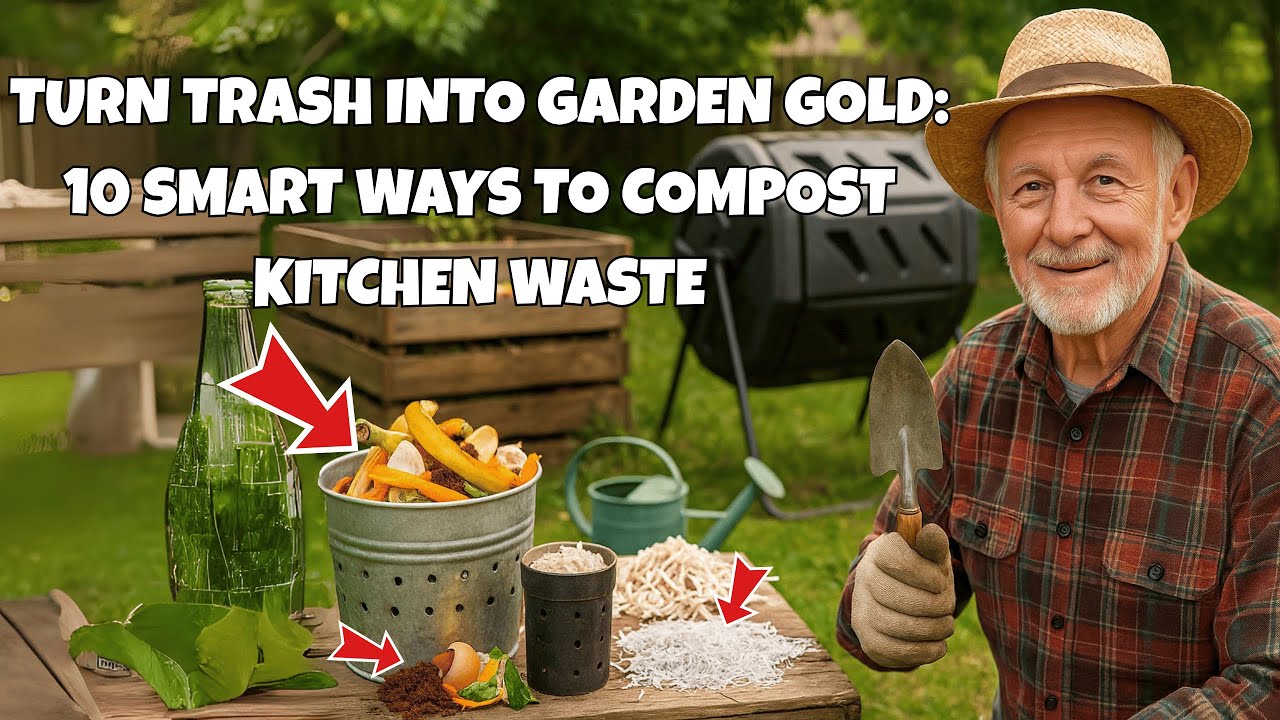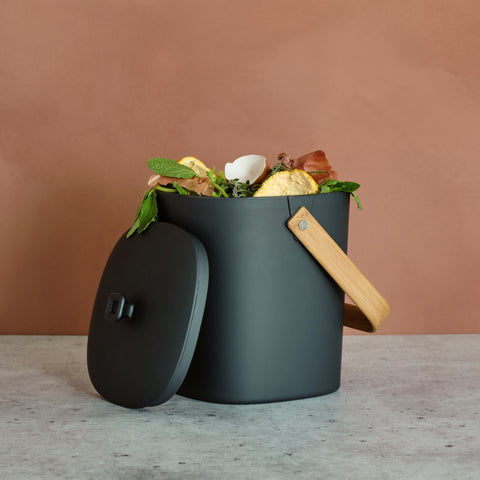
What Kitchen Scraps Can Be Composted is a question many homeowners ask when trying to reduce waste. Instead of tossing food scraps in the trash, you can turn them into nutrient-rich soil that benefits your garden.
But not all kitchen scraps are good for composting. Knowing exactly what you can compost saves you time, prevents bad smells, and keeps pests away. You’ll discover which common kitchen scraps you can compost easily, so you can start reducing waste and boosting your garden’s health right away.
Keep reading to learn the secrets that make composting both effective and hassle-free!

Credit: www.robingreenfield.org
Benefits Of Composting Kitchen Scraps
Composting kitchen scraps helps reduce waste in landfills. It turns food leftovers into rich soil for plants.
This process saves money and helps the environment. It lowers greenhouse gases and improves garden health.
Reduces Waste In Landfills
Kitchen scraps make up a big part of garbage. Composting keeps these scraps out of landfills.
Less waste means less pollution and fewer landfill problems. It helps cities manage trash better.
Creates Nutrient-rich Soil
Composted scraps turn into natural fertilizer. This soil helps plants grow strong and healthy.
Using compost reduces the need for chemical fertilizers. It improves soil texture and water retention.
Lowers Greenhouse Gas Emissions
Food scraps in landfills produce methane gas. Methane harms the environment more than carbon dioxide.
Composting scraps cuts methane release. This helps slow climate change and keeps the air cleaner.
Saves Money On Fertilizers And Trash
Compost reduces the need to buy fertilizers. It also lowers trash pickup costs by shrinking waste.
Using compost at home or in gardens saves money. It also reduces fees for waste disposal.
Common Kitchen Scraps Suitable For Composting
Composting kitchen scraps helps reduce waste and enrich the soil. Many everyday scraps can break down naturally.
Knowing what scraps to compost is important for a healthy compost pile. Use scraps that decompose well.
Fruit And Vegetable Peels
Fruit and vegetable peels are rich in nutrients. They break down quickly and add valuable organic matter.
Common peels include apple, banana, potato, carrot, and cucumber skins. Avoid peels with chemicals or wax.
- Apple peels
- Banana skins
- Potato peels
- Carrot tops and peels
- Cucumber skins
Coffee Grounds And Tea Bags
Coffee grounds add nitrogen to compost and improve soil texture. Tea bags also provide nutrients but check bag material.
Use used coffee grounds and tea bags without plastic. Remove staples from tea bags before composting.
- Used coffee grounds
- Tea bags (paper or natural fibers only)
Eggshells
Eggshells add calcium and minerals to compost. Crush them to speed up decomposition and avoid pests.
Rinse eggshells before adding to compost. They help balance acidity in the compost pile.
- Crushed eggshells
- Rinsed and dried for best results
Bread And Grains
Bread and grains can be composted but in small amounts. They break down fast but may attract pests.
Use stale bread or leftover rice and pasta. Avoid moldy or heavily salted bread.
- Stale bread pieces
- Leftover rice
- Cooked pasta
Nut Shells
Nut shells add carbon to compost but take longer to break down. Crush them for faster decomposition.
Common nut shells include walnut, pecan, and almond shells. Avoid shells with salt or flavoring.
- Crushed walnut shells
- Pecan shells
- Almond shells
Kitchen Scraps To Avoid In Compost
Composting kitchen scraps helps reduce waste and enrich soil. Some scraps should not go into compost because they cause problems.
Avoid these scraps to keep your compost healthy and safe for plants.
Meat And Dairy Products
Meat and dairy scraps attract pests like rats and flies. They also create bad smells as they decompose.
These products break down slowly and can spread harmful bacteria in your compost pile.
- Leftover meat
- Cheese
- Milk and cream
- Yogurt
- Butter
Oils And Fats
Oils and fats do not break down well in compost. They create a greasy layer that stops air from reaching other scraps.
This slows decomposition and causes bad smells. Avoid adding cooking oils, grease, or butter to your compost.
- Cooking oils
- Animal fats
- Butter and margarine
- Grease from pans
Diseased Plants
Diseased plants can spread infections in your compost. These diseases may harm your garden plants later.
Do not add plants with signs of mold, fungus, or pests to your compost pile.
- Plants with powdery mildew
- Leaves with rust spots
- Plants showing blight or rot
- Insect-infested plant parts
Pet Waste
Pet waste contains harmful bacteria and parasites. These can survive in compost and cause health risks.
Do not add dog, cat, or other pet feces to your compost. Keep compost safe for your family and garden.
- Dog feces
- Cat litter and waste
- Other pet droppings
Preparing Kitchen Scraps For Composting
Composting kitchen scraps helps reduce waste and creates rich soil. Proper preparation of scraps speeds up the composting process.
Knowing how to prepare your scraps is important. It ensures they break down quickly and avoid odors.
Chopping And Shredding
Cutting kitchen scraps into small pieces helps them decompose faster. Large scraps take longer to break down.
Shredding or chopping scraps increases their surface area. This lets microbes work more efficiently.
- Chop vegetable peels into small pieces
- Shred fruit scraps before adding to compost
- Break eggshells into smaller bits
Balancing Greens And Browns
Compost needs a balance of green and brown materials. Greens are rich in nitrogen and browns add carbon.
Kitchen scraps like fruit and vegetable waste are greens. Dry leaves, paper, and cardboard count as browns.
- Use mostly greens from kitchen scraps
- Add browns like shredded paper or dry leaves
- Mix both to keep compost healthy
Managing Moisture Levels
Moisture is important for compost microbes. Too much water makes the pile soggy and smelly.
Too little water slows down decomposition. Kitchen scraps add moisture, so balance them with dry materials.
- Check compost pile moisture regularly
- Add dry browns if too wet
- Spray water if too dry
Composting Methods For Kitchen Scraps
Composting kitchen scraps helps reduce waste and enrich soil. Many methods exist to turn food waste into useful compost.
This guide explains three common ways to compost kitchen scraps safely and effectively.
Traditional Compost Bins
Traditional compost bins use natural decomposition by microbes and insects. You add kitchen scraps and yard waste to the bin.
- Vegetable peels and fruit scraps
- Coffee grounds and tea bags
- Eggshells, crushed
- Dry leaves and grass clippings
- Avoid meat, dairy, and oily foods
Turn the compost regularly to add oxygen. This helps speed up decomposition and reduce bad odors.
Vermicomposting
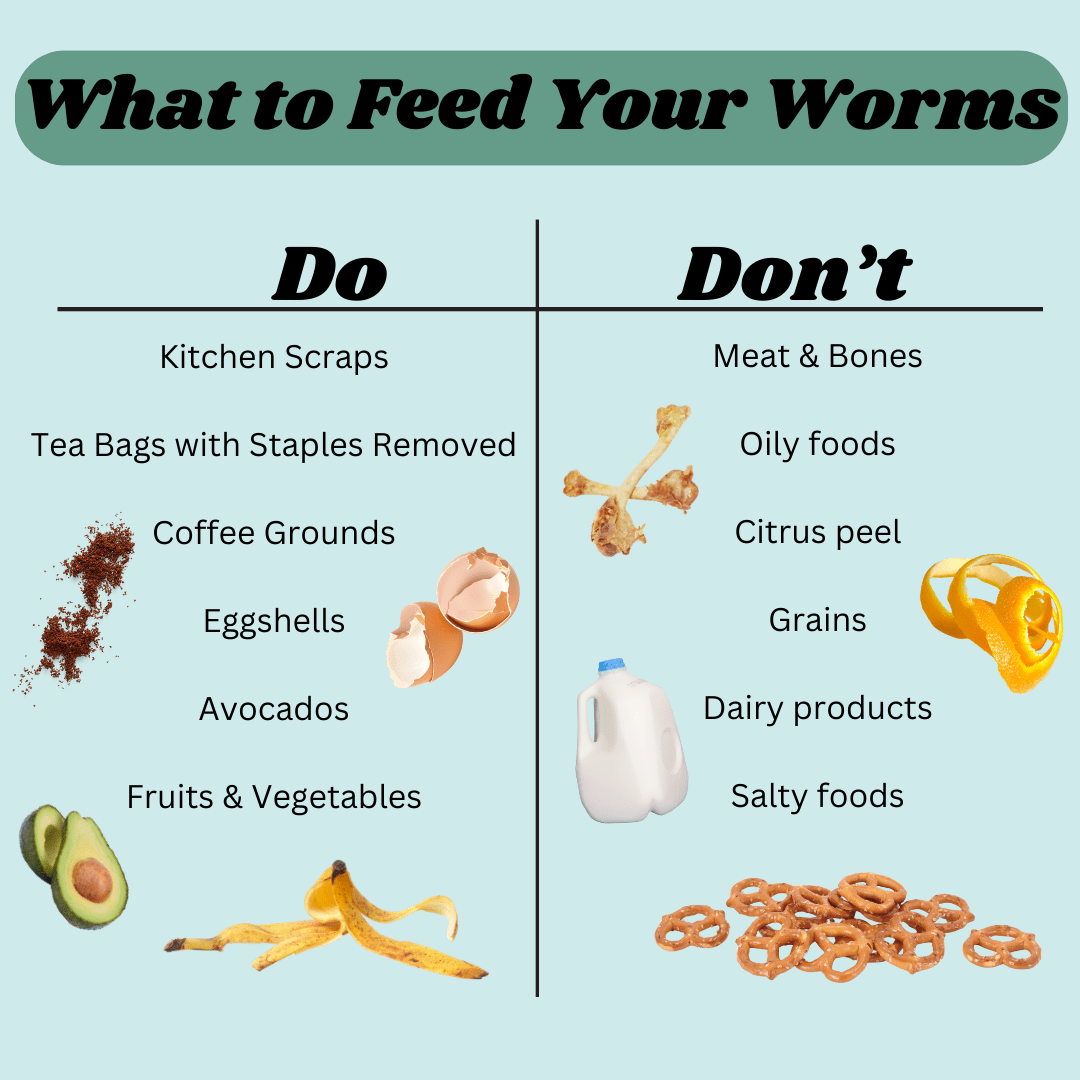
Vermicomposting uses worms to break down kitchen scraps quickly. Worms eat the scraps and produce nutrient-rich castings.
Suitable scraps for vermicomposting include:
- Fruit and vegetable scraps
- Coffee grounds and filters
- Crushed eggshells
- Shredded paper or cardboard
Keep the worm bin moist and out of direct sunlight. Avoid citrus, onions, and spicy foods as they can harm worms.
Bokashi Composting
Bokashi composting uses fermentation to break down kitchen scraps. This method uses a special mix of microbes in a sealed container.
| Kitchen Scraps Allowed | Notes |
|---|---|
| All cooked and raw food scraps | Includes meat and dairy |
| Small bones | Break into pieces |
| Fruits and vegetables | Chop for faster fermentation |
| Oily foods | Use sparingly |
After fermentation, bury the scraps in soil or add to a traditional compost bin to finish breaking down.
Troubleshooting Common Composting Issues
Composting kitchen scraps helps reduce waste and creates rich soil. Sometimes, problems may happen. These problems can stop your compost from working well.
Learn how to fix common issues like bad smells, pests, and slow decomposition. This guide will help keep your compost healthy and active.
Odor Control
Bad smells in compost come from too much moisture or wrong materials. Rotting food scraps like meat or dairy cause strong odors. To stop smells, keep the pile balanced and dry.
- Add dry brown materials like leaves or shredded paper.
- Turn the compost regularly to add air.
- Avoid putting meat, fish, or dairy in the compost.
- Cover fresh scraps with a layer of soil or brown materials.
Pests And Rodents
Pests such as rats, flies, and raccoons can invade your compost if it is not managed well. These animals look for food scraps and shelter.
| Cause | Solution |
| Exposed food scraps | Cover scraps with brown materials and soil |
| Compost bin without lid | Use a bin with a tight-fitting lid |
| Too much wet food | Balance wet and dry materials |
| Compost near buildings | Keep compost away from homes and sheds |
Slow Decomposition
When compost breaks down slowly, it may lack air, moisture, or the right mix of scraps. Microorganisms need good conditions to work fast.
Try these tips to speed up compost:
- Turn the pile to add oxygen.
- Keep compost moist but not wet.
- Mix green scraps (like vegetable peels) with brown scraps (like dry leaves).
- Chop large scraps into smaller pieces.
Using Finished Compost In Your Garden
Finished compost is rich, dark, and crumbly. It brings many benefits to your garden soil. Adding compost helps plants grow stronger and healthier.
You can use finished compost in different ways. It works well for improving soil, covering the ground, and feeding plants.
Soil Enrichment
Compost adds nutrients and organic matter to your soil. This improves soil texture and water retention. Healthy soil supports plant roots better.
- Mix compost into garden beds before planting
- Add compost to potting soil for container plants
- Use compost to restore poor or sandy soils
- Apply compost around trees and shrubs to improve soil health
Mulching
Compost makes an excellent mulch to protect soil. It helps keep soil moist and stops weeds from growing. Mulching with compost also adds nutrients as it breaks down.
| Mulching Benefits | How Compost Helps |
|---|---|
| Moisture retention | Compost holds water and reduces evaporation |
| Weed control | Blocks sunlight to stop weed seeds from sprouting |
| Soil temperature | Keeps soil cooler in summer and warmer in winter |
| Soil fertility | Slowly releases nutrients to plants |
Plant Fertilization
Use compost as a natural fertilizer. It feeds plants with essential nutrients. Compost improves plant growth and flower or fruit production.
Here are ways to fertilize plants with compost:
- Sprinkle compost around the base of plants.
- Work compost lightly into the top soil.
- Mix compost with water to make a liquid feed.
- Add compost to seedling trays for better germination.

Credit: theuglyapplecampaign.wordpress.com

Credit: buckrail.com
Frequently Asked Questions
What Kitchen Scraps Are Best For Composting?
Fruit and vegetable peels, coffee grounds, eggshells, and tea bags are ideal kitchen scraps for composting. They break down quickly and add valuable nutrients to the compost pile. Avoid oily, salty, or dairy-based scraps as they attract pests and slow decomposition.
Can I Compost Meat Or Dairy Kitchen Scraps?
No, meat and dairy scraps should not be composted. They decompose slowly and attract pests and rodents. These materials can cause bad odors and contaminate your compost. Instead, dispose of them in the trash or use specialized composting systems designed for these scraps.
Are Coffee Grounds Good For Composting Kitchen Waste?
Yes, coffee grounds are excellent for composting. They add nitrogen, which helps balance carbon-rich materials. Coffee grounds also improve soil structure and moisture retention. Be sure to mix them well with other compost materials for optimal decomposition.
How Do Eggshells Benefit Composting Kitchen Scraps?
Eggshells add calcium to compost, improving soil health and plant growth. They break down slowly, so crushing them before composting speeds up the process. Eggshells also help reduce soil acidity when added to your garden compost.
Conclusion
Composting kitchen scraps is great for reducing waste. It nourishes your garden, too. Vegetable peels, fruit scraps, and coffee grounds are compost-friendly. Avoid meat, dairy, and oily foods. These can attract pests and cause odors. Composting improves soil health naturally.
It also reduces landfill waste. Try adding eggshells and tea bags. These enrich your compost pile. Keep a small bin in your kitchen. It makes collection easy and tidy. Remember, composting takes time. Be patient and consistent. Soon, you'll see the benefits in your garden.
Start composting today and enjoy the rewards!