
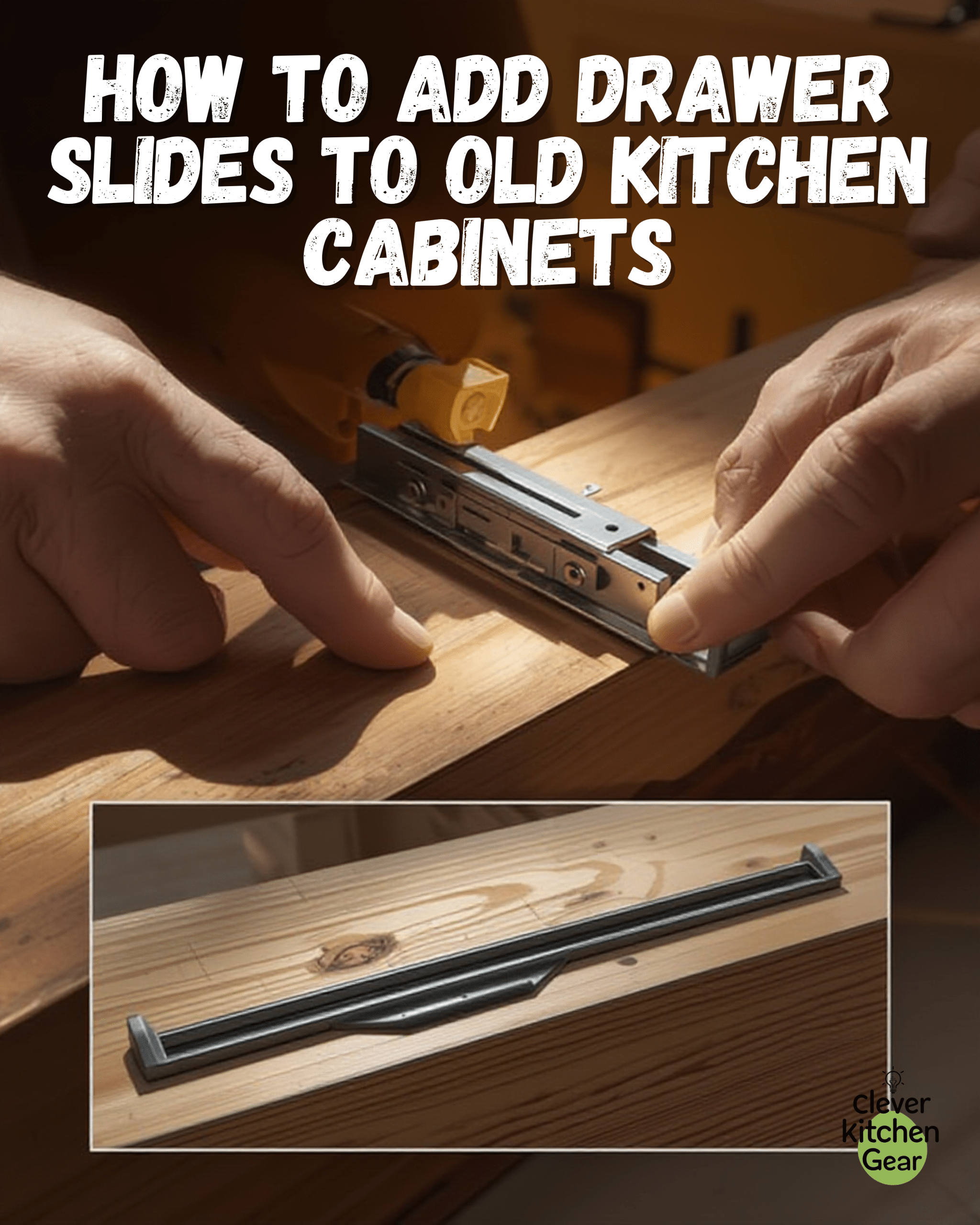
How to Add Drawer Slides to Old Kitchen Cabinets: A 2026 Retrofit Guide
Are your kitchen cabinets more of a hassle than a help? You are not alone. Struggling with drawers that stick or refuse to glide smoothly is frustrating. This can turn even simple tasks into a tiring ordeal.
Imagine transforming your kitchen experience with a simple, low-cost upgrade. It breathes new life into your space. Adding drawer slides to your old cabinets is the secret you missed. It enhances function and adds modern ease to your home.
Curious how this easy fix works? Keep reading to learn how to add drawer slides to old kitchen cabinets using simple tools and beginner-friendly steps.
Tools And Materials Needed
Adding slides to old cabinets makes drawers work smoothly. You need some tools and materials to do this job right. Getting the right items helps you install slides faster and easier. Here are the main things you need.
Types Of Drawer Slides
Drawer slides come in different styles. Each type fits specific drawers and cabinet designs. Choose the slide type that matches your cabinet’s size and use.
- Side-mount slides: Attach to the drawer’s sides. Common and strong.
- Under-mount slides: Fit under the drawer. Look clean and hidden.
- Center-mount slides: Attach under drawer center. Good for light drawers.
- Ball-bearing slides: Use small balls to glide smoothly. Durable and quiet.
- Restoration experts recommend a specific slide for retrofits: "When upgrading vintage cabinets, skip the fancy undermounts. The easiest and most forgiving choice is a self-closing, epoxy-coated side-mount roller slide. These are incredibly durable, handle minor cabinet warping better than ball-bearing slides, and the 'self-close' ramp feature helps keep older drawers shut even if the cabinet isn't perfectly level."
Measuring Tools
Accurate measuring tools help you fit slides perfectly. Measure twice to avoid mistakes.
- Tape measure: Measures the drawer and cabinet size.
- Combination square: Helps mark straight lines and right angles.
- Ruler or straight edge: For precise markings on wood.
- Level: Ensures slides are installed straight and even.
Installation Hardware
You need the right hardware to attach slides securely. Using proper screws keeps slides stable.
- Screws: Usually included with slides. Match screw size to slide holes.
- Drill and drill bits: Make pilot holes. Prevent wood from splitting.
- Screwdriver: To tighten screws firmly without stripping them.
- Pencil or marker: For marking screw spots and slide placement.

Credit: www.familyhandyman.com
Preparing Old Cabinets
Adding slides to old cabinets can make them work like new. Proper prep helps slides fit well and last longer. This guide covers steps to prepare old cabinets before installing drawer slides.
Removing Existing Drawers
First, take out old drawers carefully. This gives you clear access to the cabinet frame. Check if drawers have screws or clips holding them. Use the right tools to avoid damage.
Cleaning And Inspecting
After removing drawers, clean the cabinet inside well. Dirt and grease stop slides from fitting properly.
-
Use a damp cloth to wipe all surfaces.
-
Remove dust from corners and edges.
-
Let the cabinet dry completely before proceeding.
Inspect wood and joints for cracks or soft spots. This helps find areas needing fixing before installation.
Repairing Damages
| Damage Type | Repair Method | Materials Needed |
| Loose joints | Apply wood glue and clamp | Wood glue, clamps |
| Cracked wood | Fill with filler and sand | Wood filler, sandpaper |
| Rotted wood | Replace damaged sections | New wood, saw, nails |
Make sure all repairs dry fully before you start installing slides. This keeps your work strong and safe.
Measuring For Drawer Slides
Adding drawer slides makes drawers easier to open and close. Accurate measurements ensure a good fit. This guide explains how to measure for drawer slides before installation.
Take time measuring the drawer and cabinet space. Use a tape measure and write down dimensions carefully. This helps you buy right slides and install them correctly.
Measuring Drawer Width And Depth
Measure drawer width inside the cabinet where the drawer fits. Measure depth from front to back of the drawer space. These measurements are important to choose the right slide size.
-
Measure inside width between cabinet sides.
-
Measure depth from front edge to back wall.
-
Note if the drawer has any obstacles inside.
-
Record all measurements in inches or centimeters.
Determining Slide Length
Drawer slides come in different lengths. Slide length should match drawer depth or be slightly shorter. Use drawer depth measurement to find the right slide size.
| Drawer Depth (inches) | Recommended Slide Length (inches) |
| 12 | 10 or 12 |
| 15 | 14 or 15 |
| 18 | 16 or 18 |
| 21 | 20 or 21 |
| 24 | 22 or 24 |
Marking Slide Positions
Mark where slides attach inside the cabinet and on the drawer. Use a pencil and level to keep marks straight. Proper marking ensures smooth slide movement.
-
Place slide inside cabinet at desired height.
-
Use a pencil to mark screw holes on sides.
-
Repeat marking on drawer sides for matching parts.
-
Double-check marks with a level for accuracy.
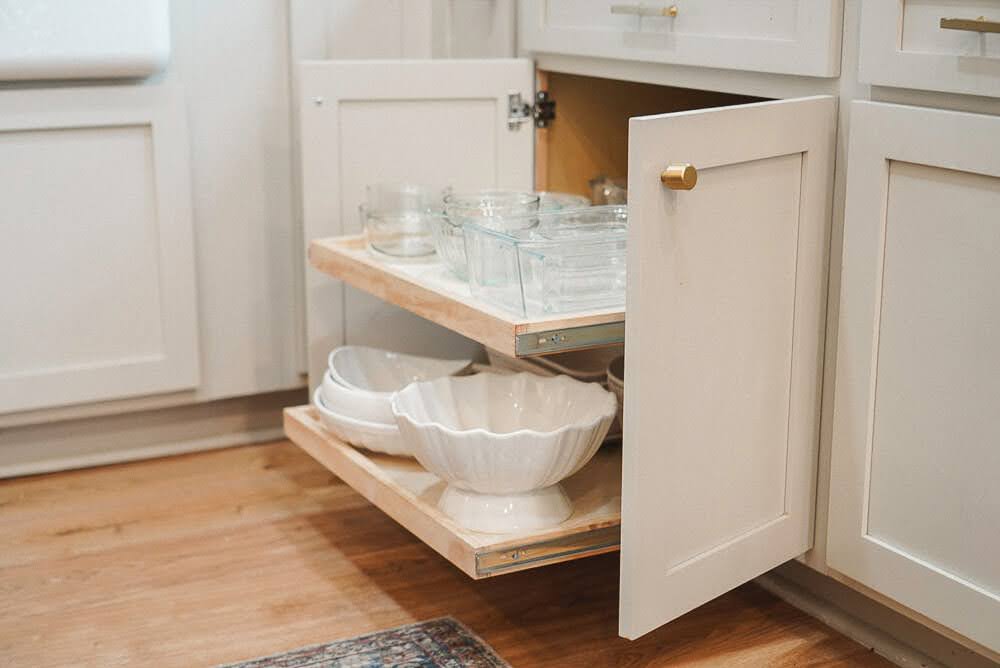
Credit: crystelmontenegrohome.com
Installing Drawer Slides
Adding slides to old cabinets makes drawers open smoothly. It improves cabinet function and extends their life. This guide explains how to install slides step by step. Follow directions to get the best fit and operation.
Mounting Slides On Cabinet
Start by measuring inside height and depth of the cabinet. Mark spots where slides attach. Make sure marks are level. Use a drill to make pilot holes on cabinet sides. Align slide with marks and screw in place. Repeat for the opposite side.
-
Measure cabinet height and depth.
-
Mark slide positions evenly on both sides.
-
Drill pilot holes for screws.
-
Screw slides securely on cabinet walls.
- Carpenters use this simple tool for perfect spacing: "Forget measuring up from the bottom for every single slide. The easiest way to ensure perfectly level and parallel slides is to cut a piece of scrap plywood to the exact height you want the slide to sit. Place this 'spacer block' on the cabinet floor, rest your slide on top of it, and screw it in. Move the block to the other side and repeat. It’s faster and more accurate than a tape measure."
Attaching Slides To Drawer
Remove drawer from the cabinet. Measure drawer sides to match slide length. Mark where slides attach. Drill pilot holes on the drawer sides. Align slide with marks and screw in firmly. Do the same on both sides of the drawer.
-
Take drawer out and measure its sides.
-
Mark slide mounting points on drawer.
-
Drill pilot holes for screws.
-
Attach slides to both drawer sides.
Aligning And Testing
Slide drawer back into cabinet slowly. Check if it moves smoothly and aligns with cabinet front. If the drawer sticks or is uneven, adjust slides by loosening screws slightly. Move slides until drawer fits well.
-
Insert drawer carefully into cabinet.
-
Check for smooth sliding and even fit.
-
Loosen screws to adjust slide position if needed.
-
Tighten screws after proper alignment.
Adjusting And Finishing Touches
Adding drawer slides improves function. Adjusting and finishing touches make sure drawers work well. Small fixes and checks help drawers open smoothly. These steps also keep the cabinet looking neat and strong.
Ensuring Smooth Operation
Check drawer movement after installing slides. The drawer should open and close easily without sticking. If the drawer is hard to move, adjust slides by loosening screws. Slide drawer in or out until it moves smoothly.
-
Test drawer several times.
-
Tighten screws after adjusting.
-
Lubricate slides if needed.
-
Make sure drawer is level.
Securing Loose Components
Old cabinets may have loose parts after adding slides. Tighten any loose screws on slides and drawer frame. Use wood glue or small nails to fix weak cabinet areas. This keeps the drawer stable and safe to use.
-
Check slide screws and tighten them.
-
Inspect drawer box for weak spots.
-
Apply wood glue to cracked areas.
-
Use clamps until glue dries.
Adding Cabinet Hardware
New hardware gives your cabinet a fresh look. Choose handles or knobs that match your kitchen style. Install hardware on the drawer front. Make sure screws are tight and hardware feels secure.
-
Measure and mark hole positions carefully.
-
Use a drill for clean holes.
-
Attach hardware with screws.
-
Check that handles are straight.

Credit: www.familyhandyman.com
Tips For Maintenance And Longevity
Adding slides to old cabinets can improve their function. Keeping them maintained helps them last longer. Simple care steps can prevent damage and keep slides working smoothly for years.
Lubrication Advice
Lubricate drawer slides regularly to reduce friction. This helps drawers open and close easily. Use silicone-based spray or light oil designed for metal parts. Avoid heavy grease, which attracts dirt.
-
Clean slides before applying lubricant.
-
Spray lubricant on moving parts.
-
Wipe off excess to avoid buildup.
-
Lubricate every 6 months or as needed.
Regular Inspection
Check drawer slides often to spot early problems. Look for loose screws, bent parts, or dirt buildup. Early fixes prevent bigger damage and keep drawers working well.
-
Test drawer movement for smoothness.
-
Tighten loose screws with a screwdriver.
-
Clean dust and debris from slides.
-
Replace damaged slides quickly.
Handling Common Issues
Drawers may stick, wobble, or make noise. These problems often happen from wear or dirt. Fix issues by cleaning, tightening, or replacing parts. Small repairs save you time and money.
-
Clean slides and tracks to remove dirt.
-
Tighten loose screws to stop wobbling.
-
Replace bent or broken slides.
-
Use wood shims if drawers fit poorly.
Frequently Asked Questions
What Tools Are Needed to Add Drawer Slides?
You need a drill, screwdriver, tape measure, pencil, level, and slides. These tools ensure accurate installation and smooth operation.
How Do I Measure for Drawer Slides on Old Cabinets?
Measure drawer width and cabinet depth. Choose slides matching these dimensions for proper fit and smooth movement.
Can I Install Soft-close Slides on Old Cabinets?
Yes, soft-close slides can be added. They improve function by preventing slamming and adding a modern touch.
How Do I Remove Old Drawers Safely?
Pull out drawer fully, lift slightly, and remove gently. Avoid damaging cabinet edges or slide mechanisms.
Conclusion
Adding drawer slides to old cabinets improves their function and ease. You can do this yourself with basic tools and patience. Measure carefully and follow steps to ensure smooth sliding drawers. This small change makes your kitchen more organized and user-friendly. Enjoy the convenience of drawers that open and close effortlessly. Keep practicing, and your skills will grow with each project. Simple upgrades like this bring new life to old cabinets. Give your kitchen a fresh, practical update today.


