
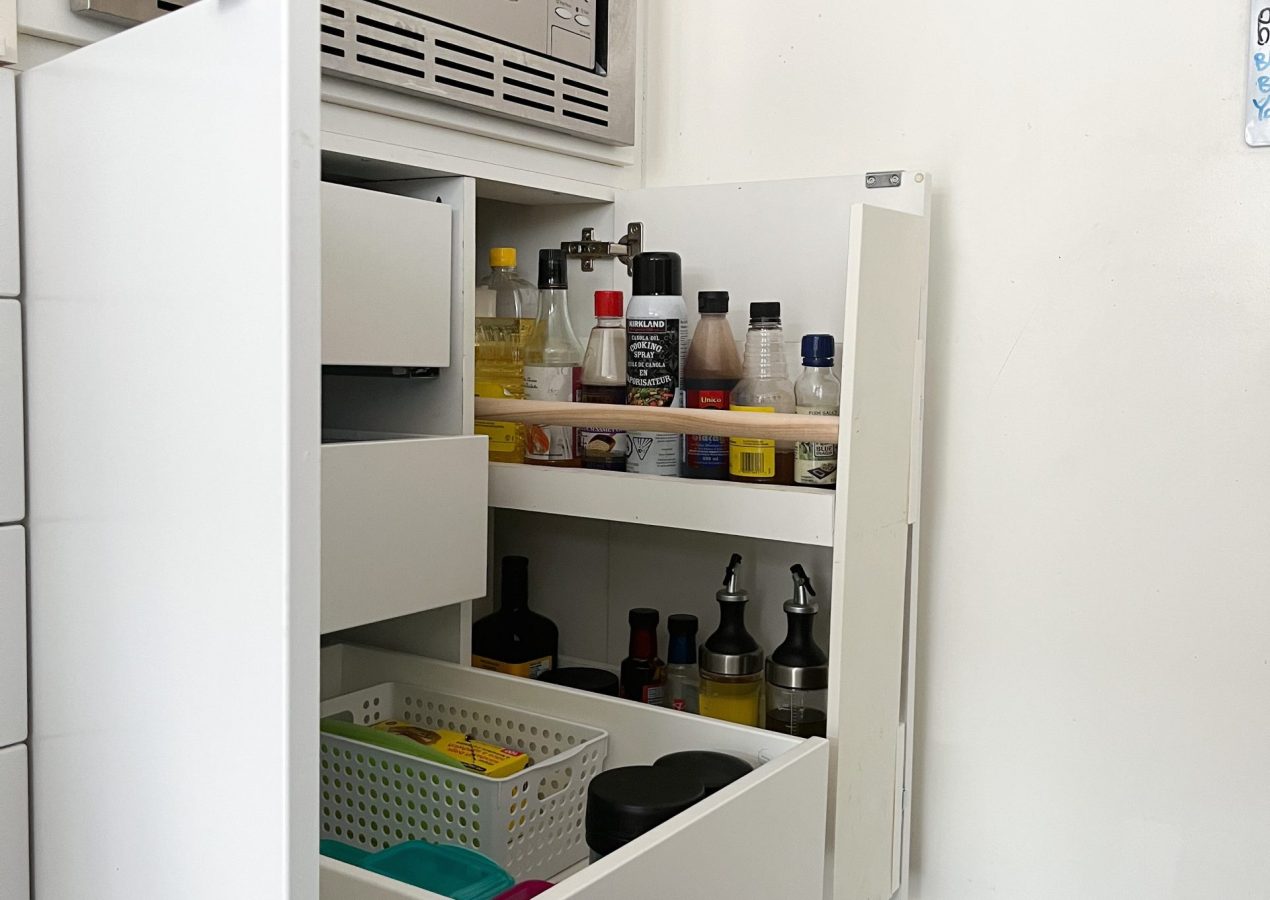
Are your old kitchen cabinets giving you a hard time? If they're stubbornly refusing to glide open with ease, it's time to take matters into your own hands.
Installing new drawer slides can transform your kitchen experience, making it smoother and more efficient. Imagine the satisfaction of drawers that open with a gentle pull, offering seamless access to all your kitchen essentials. In this guide, you'll discover a simple, step-by-step process to upgrade your cabinets.
It's easier than you think, and you'll wonder why you didn't do it sooner. Stick around, and by the end, you'll be ready to tackle this project with confidence and skill. Your kitchen deserves this upgrade—and so do you.

Credit: www.youtube.com
Tools And Materials Needed
Installing drawer slides on old kitchen cabinets requires the right tools and materials. Using proper items makes the job easier and ensures smooth drawer operation.
Gather all tools and materials before starting. This helps avoid interruptions during installation.
Measuring Tape
A measuring tape helps measure drawer and cabinet dimensions. Accurate measurements ensure the slides fit correctly.
Use a tape with clear markings and lock feature for easy handling.
Pencil Or Marker
Marking the positions for drawer slides is essential. Use a pencil or marker that shows clearly on the wood.
- Choose a pencil with a fine tip for precise marks
- A marker can be helpful but avoid permanent ink
Power Drill And Drill Bits
A power drill makes screw holes quickly. Use drill bits that match the screw size to avoid splitting the wood.
Drilling pilot holes helps screws go in straight and prevents damage.
Screwdriver
A screwdriver is needed to tighten the screws holding the slides. Choose one that fits the screw heads well.
- Use a manual screwdriver or a drill with screwdriver bit
- Phillips head screwdrivers are common for drawer slides
Drawer Slides
Select drawer slides that fit the size and weight of your drawers. Measure the drawer depth before buying slides.
Common types include side-mount and under-mount slides. Side-mount slides are easier to install on old cabinets.
Screws
Use screws that match the drawer slides and cabinet material. Screws should be long enough to hold firmly.
- Wood screws work well for wooden cabinets
- Check the slide instructions for recommended screw size
Level
A level ensures the slides are installed straight. Straight slides help the drawer open and close smoothly.
Use a small bubble level or laser level for accuracy.
Clamps (optional)
Clamps help hold slides or drawers in place during installation. They keep parts steady while you drill or screw.
Clamps are useful but not always necessary if you have a helper.
Preparing The Cabinets
Installing drawer slides on old kitchen cabinets starts with careful preparation. Clean and check the cabinet interiors before adding new parts.
Proper preparation helps ensure the slides fit well and work smoothly. It also makes the cabinets last longer.
Removing Old Drawers
First, pull out the old drawers gently to avoid damage. Check how the drawers come out—some lift up or slide out easily.
- Open the drawer fully.
- Look for clips or stops on the sides or bottom.
- Release the clips by pressing or lifting them.
- Pull the drawer straight out once the stops are free.
- Set the drawer aside on a soft surface.
Cleaning And Inspecting Cabinet Interiors
After removing the drawers, clean inside the cabinet with a cloth and mild cleaner. Remove dust, dirt, and old glue or nails.
| Area | What to Check | Action Needed |
| Side Walls | Damage, warping, or cracks | Repair or reinforce if weak |
| Bottom Panel | Loose nails or damage | Secure or replace if needed |
| Back Panel | Stability and attachment | Tighten screws or nails |
Choosing The Right Drawer Slides
Installing drawer slides on old kitchen cabinets can improve drawer function. Choosing the right slides is key for a smooth fit and long use.
This guide helps you pick the best drawer slides and measure correctly for your cabinets.
Types Of Drawer Slides
Drawer slides come in many types. Each type fits different needs and cabinet styles.
- Side-mount slides:Attach to the drawer sides. They offer full extension and good weight support.
- Under-mount slides:Install under the drawer. They hide from view and allow soft closing.
- Center-mount slides:Fix under the middle of the drawer. They work for light loads and simple drawers.
- Ball bearing slides:Use ball bearings for smooth motion. They are strong and quiet.
- Roller slides:Have plastic or nylon rollers. They are easy to install but less durable.
Measuring For Accurate Fit
Correct measurements help avoid drawer jams or loose fits. Measure carefully before buying slides.
| Measurement | How to Measure | Notes |
| Drawer Width | Measure inside width of the cabinet opening. | Use this to pick slide length and type. |
| Drawer Depth | Measure from front to back inside the cabinet. | Choose slides that match or are slightly shorter. |
| Drawer Height | Measure the drawer's front panel height. | Needed for under-mount slide clearance. |
Marking And Measuring For Installation
Installing drawer slides on old kitchen cabinets needs careful measuring. Marking the right spots ensures smooth drawer movement.
Take your time to measure accurately. This helps avoid mistakes and saves effort in the long run.
Measure The Cabinet Depth
Start by measuring the inside depth of the cabinet. Use a tape measure from the front edge to the back wall.
Note this measurement carefully. It helps choose the correct length for your drawer slides.
Measure The Drawer Size
Measure the height, width, and depth of the drawer. This ensures the slides will fit well and support the drawer weight.
Check the space inside the cabinet to confirm the drawer can slide smoothly without hitting the sides.
Mark The Slide Positions
Use a pencil to mark where the slides will attach inside the cabinet. Align the marks at the same height on both sides.
Also, mark the matching spots on the drawer sides. These marks guide you when fixing the slides in place.
- Mark both cabinet and drawer sides
- Ensure marks are level and straight
- Use a ruler or level tool for accuracy
Check For Obstacles
Look inside the cabinet for nails or screws that block slide installation. Move marks if needed to avoid these obstacles.
This step helps prevent damage and ensures the slides fit properly without interference.
Installing Drawer Slides On Cabinet Frame
Installing drawer slides on old kitchen cabinets improves drawer function. It gives your drawers smooth movement and better support.
This guide explains how to install drawer slides on the cabinet frame. Follow the steps carefully for a good fit.
Prepare The Cabinet Frame
Start by cleaning the cabinet frame inside. Remove any old hardware and debris. Check for damage and repair if needed.
Choose The Right Drawer Slides
Pick drawer slides that fit your cabinet and drawer size. Measure the width and depth of the cabinet frame before buying.
- Measure cabinet width inside the frame
- Measure drawer length
- Choose slides with the correct length and weight capacity
Mark Slide Placement On Cabinet Frame
Use a pencil to mark where the slides will go inside the cabinet frame. Keep the marks level and aligned on both sides.
Attach Drawer Slides To Cabinet Frame
Position the cabinet side of the drawer slide on the marks. Use screws to secure the slides firmly. Check that slides are level.
| Tool | Purpose |
| Measuring tape | Measure cabinet and drawer |
| Level | Ensure slides are straight |
| Drill or screwdriver | Attach slides with screws |
| Pencil | Mark slide placement |
Test The Drawer Movement
Slide the drawer in and out to test the motion. Adjust the slides if the drawer sticks or is uneven.
Secure Drawer Front And Final Adjustments
Attach the drawer front if removed. Make final adjustments to ensure smooth operation and alignment.

Credit: www.familyhandyman.com
Attaching Slides To The Drawers
Installing drawer slides on old kitchen cabinets can improve drawer function. This guide shows how to attach slides to the drawers.
Follow the steps carefully to ensure smooth operation and proper fit of your drawers.
Prepare The Drawer For Installation
Remove the drawer from the cabinet. Clear all items inside. Clean the drawer sides where the slides will attach.
Check the drawer edges for damage. Repair any cracks or rough spots to ensure a flat surface.
Mark The Slide Position On The Drawer
Place the drawer slide on the side of the drawer. Align it flush with the bottom edge. Use a pencil to mark screw holes.
Make sure the slide is straight and level. This prevents the drawer from sticking or tilting.
- Hold slide flush with bottom edge
- Align front edge with drawer front
- Mark screw hole positions with pencil
- Check slide is level and straight
Attach The Slides To The Drawer
Use a drill or screwdriver to fasten the slide to the drawer. Start with the front screw to hold the slide in place.
Add screws to the marked holes. Use the screws that come with the slides. Do not overtighten to avoid splitting the wood.
- Start with front screw
- Insert screws in marked holes
- Use correct screw size
- Avoid overtightening screws
Test The Drawer Slide Movement
After attaching slides, gently slide the drawer in and out. Check for smooth movement and proper alignment.
If the drawer sticks or tilts, loosen screws slightly. Adjust the slide position and retighten screws.
Reinstalling And Testing Drawers
After installing new drawer slides on old kitchen cabinets, you need to reinstall the drawers carefully. Testing the drawers ensures they fit well and work smoothly. Proper alignment and adjustment help avoid problems.
Take your time to check each drawer before finishing the job. This step helps keep your kitchen cabinets functional and neat.
Aligning Drawers Properly
Place the drawer into the cabinet frame and slide it onto the installed slides. Make sure the drawer sits evenly on both sides. Check if the gaps around the drawer are equal. Uneven gaps show the drawer is misaligned.
- Push the drawer fully closed to test alignment.
- Look at the front panel to see if it is straight.
- Adjust screws on the slides if the drawer tilts or binds.
- Remove and reinsert the drawer if it does not slide in smoothly.
- Repeat these checks for all drawers in the cabinet.
Adjusting For Smooth Operation
Use the adjustment screws on the drawer slides to fine-tune the fit. Small movements can improve the drawer’s movement. Test the drawer by opening and closing it several times.
| Adjustment Type | Effect | Action |
|---|---|---|
| Height Adjustment | Raises or lowers drawer front | Turn vertical screws on slides |
| Side-to-Side Adjustment | Moves drawer left or right | Loosen screws and shift slide position |
| Depth Adjustment | Changes how far drawer sits inside cabinet | Adjust screws on slide mounting brackets |
Tips For Maintaining Drawer Slides
Drawer slides help your kitchen drawers open and close smoothly. Keeping them in good shape saves time and effort. Regular care makes old kitchen cabinets work like new again.
Here are simple tips to maintain drawer slides and keep them working well for a long time.
Clean The Slides Regularly
Dust and dirt can build up on drawer slides. Clean them often to avoid jams and rough movement. Use a soft cloth or a small brush to remove debris.
Lubricate The Slides
Lubrication helps drawer slides move smoothly. Apply a small amount of lubricant like silicone spray or grease. Avoid oil-based lubricants as they attract dust.
Check For Loose Screws
Loose screws can cause drawer slides to misalign. Check screws regularly and tighten them with a screwdriver. Proper alignment prevents wear and tear.
Replace Damaged Parts
Damaged slides cause drawers to stick or fall off track. Inspect slides for dents or bends. Replace any broken parts to keep drawers working well.
Avoid Overloading Drawers
Heavy loads strain drawer slides and cause damage. Keep drawer weight within limits. Use multiple drawers for heavy items to spread the load.
- Clean slides monthly
- Lubricate twice a year
- Tighten screws every three months
- Check for damage before use
- Distribute weight evenly

Credit: www.familyhandyman.com
Frequently Asked Questions
How Do I Measure For Drawer Slides In Old Cabinets?
Measure the drawer width and cabinet opening. Subtract ½ inch for clearance. Choose slides matching drawer length. Accurate measurements ensure smooth slide installation and function.
What Tools Are Needed To Install Drawer Slides?
You need a drill, screwdriver, measuring tape, pencil, level, and screws. These tools help you align, attach, and secure the slides properly for stability.
Can I Install Soft-close Slides On Old Kitchen Drawers?
Yes, soft-close slides can replace old hardware. Ensure compatibility with drawer size and cabinet depth. They provide smooth, quiet closing and improve drawer functionality.
How Do I Fix Misaligned Drawer Slides?
Loosen screws slightly, adjust slide position, and retighten. Use a level for alignment. Proper alignment prevents drawer sticking and ensures smooth operation.
Conclusion
Installing drawer slides on old kitchen cabinets can improve function and style. Take your time measuring and aligning the slides carefully. Use the right tools for a smooth fit and easy movement. Small steps make a big difference. Enjoy the satisfaction of updating your kitchen with simple changes.
Now, your drawers will open and close with ease every day. A little effort goes a long way. Give your kitchen a fresh feel without spending much. Simple upgrades bring great results.


