
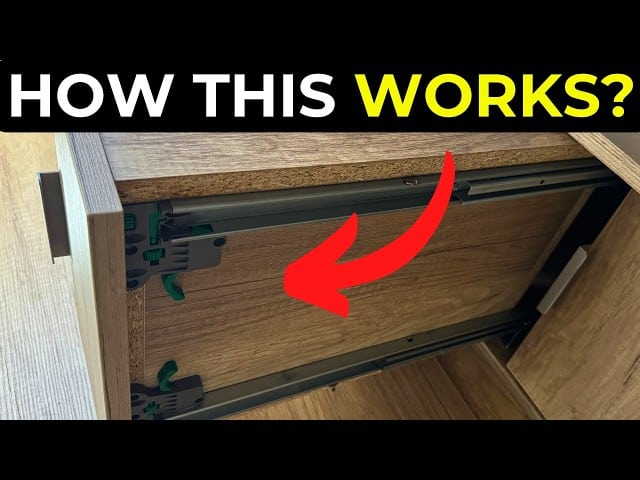
Are your kitchen drawers getting stuck or not sliding as smoothly as they used to? You're not alone.
Over time, even the best drawer slides can wear out, leaving you frustrated every time you try to grab a spoon or dish towel. But don't worry—learning how to replace drawer slides on kitchen drawer is easier than you might think. In this guide, you'll discover simple steps to swap out your kitchen drawer slides, transforming your daily routine and restoring order to your space.
Imagine the satisfaction of opening a drawer that glides effortlessly, just like new. Keep reading to learn how you can achieve this small yet impactful home improvement project with ease.

Credit: www.familyhandyman.com
Signs You Need New Drawer Slides
Kitchen drawers open and close many times every day. Over time, drawer slides can wear out. This causes problems with how drawers work.
Knowing the signs of bad drawer slides helps you fix or replace them before more damage happens.
Common Drawer Slide Problems
Drawer slides can suffer from many issues. These problems make drawers hard to use or cause noise.
- Drawers stick or jam when opening or closing
- Drawers slide unevenly or wobble
- Drawers feel loose or fall out easily
- Drawer slides make squeaking or grinding noises
- Drawers do not close fully or pop open
- Visible damage or rust on the slides
These problems happen because of dirt, wear, or broken parts inside the slides. Sometimes the slides get bent or loose screws cause trouble.
When To Replace Slides
Replace drawer slides if problems do not improve after cleaning and lubricating. Also, change slides if they are bent or broken.
Regular replacement keeps kitchen drawers working smoothly and safely. Old slides can cause drawers to fall or get stuck.
- Drawers jam even after cleaning
- Slides are bent, cracked, or broken
- Drawers wobble or fall out easily
- Rust or corrosion damages the slides
- Replacement parts are cheaper than repairs

Credit: www.familyhandyman.com
Tools And Materials Required
Replacing drawer slides on a kitchen drawer needs the right tools and parts. Using proper tools makes the job easier and safer.
This guide lists the essential tools and how to choose the right replacement slides for your drawer.
Essential Tools
You need some common tools to replace drawer slides. Having them ready saves time and helps you work quickly.
- Phillips screwdriver for screws
- Flathead screwdriver for prying
- Measuring tape to check slide length
- Power drill with drill bits
- Level to ensure slides are straight
- Pencil for marking positions
- Utility knife to remove old tape or debris
Choosing Replacement Slides
Replacement slides come in different types and sizes. Pick slides that fit your drawer’s weight and length.
Check the slide extension and mounting style. These details help you find a perfect match for your drawer.
- Measure the drawer depth to find slide length
- Choose side-mount or under-mount slides
- Check the weight capacity needed
- Pick full-extension slides for full drawer access
- Match the slide type with your cabinet design
Removing Old Drawer Slides
Replacing drawer slides helps your kitchen drawers work smoothly again. The first step is to remove the old slides carefully. This guide shows you how to do it safely.
Take your time to avoid damaging the drawer or cabinet. Follow the steps below for a smooth removal process.
Empty And Prepare The Drawer
Start by removing all items from the drawer. This makes the drawer lighter and easier to handle. It also prevents things from falling out during the process.
Pull the drawer out gently. Place it on a flat surface where you can work comfortably. Clear the area around the drawer to avoid accidents.
Unscrewing The Slides
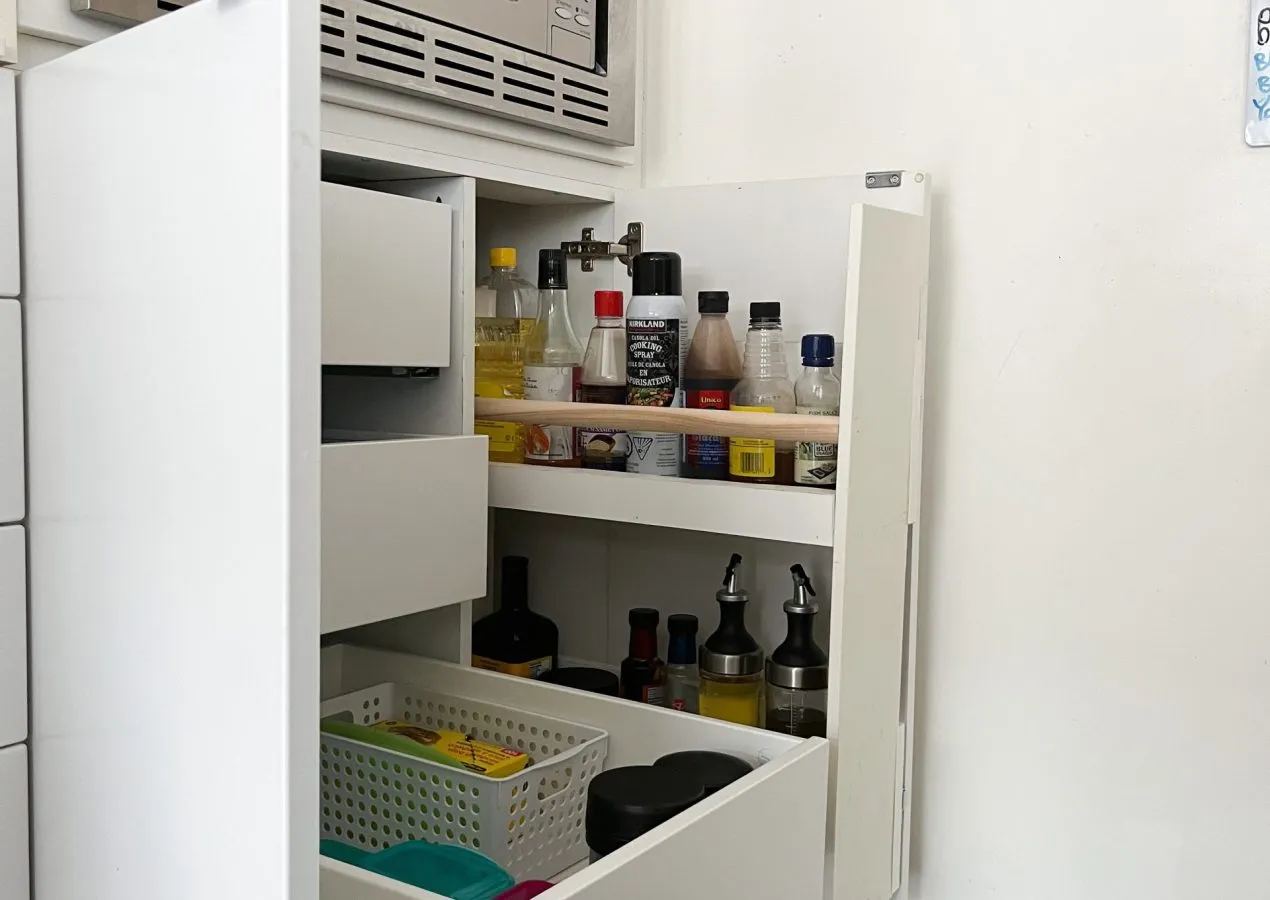
Locate the screws that hold the slides to the drawer and cabinet. Use a screwdriver that fits the screw heads well. Turn the screws counterclockwise to loosen them.
Remove all screws from both sides of the slide. Keep the screws in a safe place if you plan to reuse them. After unscrewing, pull the slides off carefully.
Credit: hanashappyhome.com
Measuring For New Slides
Replacing drawer slides is a simple way to fix a sticking or broken kitchen drawer. The key to success is measuring the right parts carefully. This guide helps you measure drawer and cabinet parts correctly before buying new slides.
Accurate measurements ensure the new slides fit perfectly and work smoothly. Take your time and use a good measuring tape or ruler for best results.
Measuring Drawer And Cabinet
Start by measuring the drawer itself. Measure the width, height, and depth of the drawer box. Then measure the inside width, height, and depth of the cabinet where the drawer sits. These numbers help you find slides that fit both parts well.
- Measure drawer width from side to side
- Measure drawer height from top to bottom
- Measure drawer depth from front to back
- Measure cabinet width inside the opening
- Measure cabinet height inside the opening
- Measure cabinet depth inside the opening
Matching Slide Size And Type
Drawer slides come in different types and sizes. Choose slides that match your drawer depth and weight capacity needs. Side-mount slides are common, but under-mount or center-mount slides may suit some drawers better.
| Slide Type | Where Mounted | Common Drawer Depth |
| Side-mount | On drawer sides | 12 to 24 inches |
| Under-mount | Under drawer bottom | 12 to 22 inches |
| Center-mount | Under drawer center | Up to 18 inches |
Installing New Drawer Slides
Replacing drawer slides makes your kitchen drawers open smoothly again. New slides improve the drawer’s movement and support.
This guide explains how to install new drawer slides step-by-step. Follow the instructions carefully for the best results.
Attaching Slides To Cabinet
Start by measuring the inside height and depth of the cabinet. Mark the spots where the slides will attach. Use a level to keep the slides straight.
- Place the cabinet slide inside the cabinet on the marked spot.
- Align the slide so it sits flat and straight.
- Use a pencil to mark screw holes on the cabinet frame.
- Drill small pilot holes for the screws.
- Attach the slide using screws provided with the slides.
- Repeat for the other side of the cabinet.
Fixing Slides To Drawer
Attach the matching slides on the drawer sides. Make sure the slides align with the cabinet slides for smooth movement.
| Task | Tips |
| Measure drawer length | Match slide length to drawer size |
| Mark screw holes | Use pencil marks for accuracy |
| Drill pilot holes | Drill gently to avoid wood splitting |
| Screw slides on drawer | Keep screws tight but not too tight |
| Test drawer fit | Check if drawer slides in and out smoothly |
Testing And Adjusting
After installing new drawer slides, testing and adjusting is important. This step ensures the drawer opens and closes smoothly. It helps avoid future problems like sticking or misalignment.
Testing and adjusting can save time and effort later. It also makes sure your kitchen drawer works well every day.
Checking Smooth Operation
First, open and close the drawer slowly. Listen for any unusual noises. Feel if the drawer slides easily without sticking.
- Check if the drawer moves straight without wobbling.
- Make sure the drawer stops fully at the open and closed positions.
- Look for gaps between the drawer and cabinet sides.
- Test for smooth sliding on both sides of the drawer.
Making Necessary Adjustments
If the drawer does not slide smoothly, adjust the slides. Small changes can fix most problems quickly.
| Problem | Cause | Adjustment |
| Drawer sticks when opening | Slide misaligned | Loosen screws and realign slides |
| Drawer does not close fully | Obstruction or bent slide | Clear obstruction or replace slide |
| Drawer wobbles | Loose screws | Tighten all screws firmly |
| Drawer jams halfway | Dirt or debris in slides | Clean slides and lubricate |
After each adjustment, test the drawer again. Repeat the process until the drawer works smoothly.
Tips For Maintaining Drawer Slides
Proper care of drawer slides helps them work smoothly and last longer. Simple maintenance keeps your kitchen drawers easy to open and close.
Regular upkeep prevents damage and avoids the need for frequent replacements. Use these tips to keep your drawer slides in good shape.
Cleaning And Lubrication
Clean drawer slides to remove dirt and dust that cause friction. Use a soft cloth and mild cleaner to wipe the slides gently.
After cleaning, apply a lubricant to keep slides moving smoothly. Use silicone spray or a light oil made for metal parts.
- Remove the drawer and wipe slides with a damp cloth
- Dry slides completely before applying lubricant
- Spray lubricant evenly along the slide tracks
- Open and close the drawer several times to spread lubricant
Preventive Care
Check drawer slides regularly for loose screws or damage. Tighten screws and replace broken parts to avoid bigger problems.
Avoid overloading drawers. Heavy weight strains slides and causes wear. Keep drawers light and balanced for best performance.
- Inspect slides every few months for signs of wear
- Tighten all screws and mounting brackets
- Do not push or pull drawers roughly
- Keep drawer weight under the recommended limit
Frequently Asked Questions
How Do I Know When To Replace Drawer Slides?
You should replace drawer slides if they’re sticking, making noise, or not sliding smoothly. Worn-out slides cause drawers to jam or fall. Inspect slides for rust, damage, or looseness. Replacing them improves functionality and extends drawer life.
What Tools Are Needed To Replace Drawer Slides?
You’ll need a screwdriver, tape measure, pencil, drill, and replacement slides. A level helps ensure slides install evenly. Having these tools ready makes the process faster and more precise.
Can I Replace Drawer Slides Without Removing The Drawer?
Yes, some side-mount slides can be replaced while the drawer stays in place. However, it’s easier and safer to remove the drawer for full access. Removing the drawer prevents damage and ensures accurate alignment.
How Long Does It Take To Replace Kitchen Drawer Slides?
Replacing drawer slides typically takes 20 to 40 minutes per drawer. Time varies with slide type and your experience level. Taking time to align slides correctly ensures smooth drawer operation.
Conclusion
Replacing drawer slides can make your kitchen drawers work smoothly again. It takes some care but is not too hard. Measure well, choose the right slides, and follow steps carefully. With patience, you can fix or upgrade your drawers yourself.
This simple task saves money and improves your kitchen’s look. Try it today and enjoy easier drawer use every day.


