Ultimate Must Have Kitchen Pans Checklist 2026
When it comes to cooking, having the right kitchen pans can make all the difference. You want your meals to turn out perfect every time, right?
But with so many options out there, it’s easy to feel overwhelmed. Imagine reaching for the perfect pan that heats evenly, cooks your food just right, and lasts for years. Sounds great, doesn’t it? You’ll discover the must-have kitchen pans that will upgrade your cooking game and make your time in the kitchen more enjoyable.
Keep reading—you won’t want to miss these essentials!
Essential Pan Types
Every kitchen needs a variety of pans for cooking different dishes. Choosing the right pan can make cooking easier and tastier.
Here are some essential types of kitchen pans you should have. Each pan has a special use for your cooking needs.
Frying Pans
Frying pans have a flat bottom and low sides. They are perfect for frying, searing, and browning foods quickly.
Saucepans
Saucepans have tall, straight sides and a lid. They work well for making sauces, boiling, and simmering liquids.
Sauté Pans
Sauté pans look like frying pans but have higher, straight sides. They help cook food evenly with less splatter.
- Great for searing meats
- Perfect for cooking vegetables
- Good for making one-pan meals
Stockpots
Stockpots are large and deep with tall sides. They are ideal for making soups, stocks, and boiling pasta.
| Pan Type | Best For | Typical Size |
| Frying Pan | Frying and searing | 8 to 12 inches |
| Saucepan | Boiling and simmering | 1 to 4 quarts |
| Sauté Pan | Cooking evenly with sides | 3 to 5 quarts |
| Stockpot | Soups and stocks | 8 to 20 quarts |
| Grill Pan | Grilling indoors | 10 to 12 inches |
Grill Pans
Grill pans have ridges that leave grill marks on food. They are great for indoor grilling of meats and vegetables.
Tip: Use a grill pan to get the grilled taste without an outdoor grill.

Credit: lothandco.co.uk
Material Matters
Choosing the right kitchen pan depends on the material it is made from. Each material offers different benefits and care needs.
Understanding these materials helps you pick pans that suit your cooking style and last longer.
Stainless Steel
Stainless steel pans are strong and resist rust. They work well for browning and searing food. These pans do not react with acidic ingredients.
Cast Iron
Cast iron heats evenly and keeps heat for a long time. It is great for frying and slow cooking. You must season cast iron pans to keep food from sticking.
Nonstick
Nonstick pans require less oil and are easy to clean. They are perfect for cooking eggs and pancakes. Avoid using metal utensils to protect the coating.
- Use wooden or silicone spatulas
- Cook on low to medium heat
- Hand wash to extend life
Copper
Copper pans heat up quickly and cool down fast. They give you precise temperature control. Copper can react with food, so many pans have a stainless steel lining.
Aluminum
Aluminum pans heat quickly and are lightweight. They are often coated to prevent food from sticking and to stop the metal from reacting with food.
| Material | Heat Conductivity | Durability | Maintenance |
| Stainless Steel | Medium | High | Easy |
| Cast Iron | Low (slow to heat) | Very High | Season regularly |
| Nonstick | Medium | Medium | Gentle cleaning |
| Copper | Very High | Medium | Polish often |
| Aluminum | High | Low to Medium | Coated care |
Choosing The Right Size
Picking the right size kitchen pan is key for cooking well. A good size helps cook food evenly and saves energy.
Think about what you cook most to choose small, medium, or large pans. This helps in using your kitchen space wisely.
Small Pans
Small pans are good for quick tasks like frying eggs or heating sauces. They usually hold 1 to 2 quarts.
These pans heat up fast and are easy to clean. Use them for small meals or side dishes.
- Perfect for 1-2 servings
- Easy to store
- Good for sauces and small portions
Medium Pans
Medium pans hold around 3 to 5 quarts. They work well for cooking meals for 2 to 4 people.
You can use them for frying, boiling, or sautéing. They are the most common size in kitchens.
- Good for family meals
- Fits most stove burners
- Versatile for many cooking tasks
Large Pans
Large pans hold 6 quarts or more. They are great for big meals or cooking for many people.
Use them for soups, stews, or boiling large amounts of food. Large pans need more space and heat.
- Best for large families or gatherings
- Needs a big stove burner
- Good for batch cooking
Specialty Pans To Consider
Specialty pans help you cook specific dishes better. They have unique shapes and features.
Adding these pans to your kitchen can improve your cooking variety and results.
Wok
A wok is a round-bottomed pan used for stir-frying and deep-frying. Its shape helps food cook quickly and evenly.
It is great for making Asian dishes and tossing ingredients with ease.
- High, sloped sides allow fast stirring
- Thin metal heats up quickly
- Can be used for steaming and boiling
Crepe Pan
A crepe pan is flat with low edges. It helps spread batter thin and flip delicate crepes easily.
This pan is perfect for making thin pancakes, omelets, and tortillas.
- Non-stick surface for easy flipping
- Wide surface to cook large crepes
- Low edges allow easy access with a spatula
Roasting Pan
A roasting pan is large and deep. It holds meat and vegetables for oven roasting.
It often comes with a rack to lift food above the pan for even cooking.
- Heavy-duty metal for heat retention
- Handles for easy lifting
- Rack helps brown food evenly
Maintenance Tips
Proper care helps your kitchen pans last longer and work better. Simple maintenance keeps pans safe and clean.
Learn how to clean, store, and season your pans for best results.
Cleaning Best Practices
Wash pans soon after use to stop food from sticking. Use warm water and a soft sponge. Avoid harsh scrubbers that can damage pans.
For stuck-on food, soak pans in warm water before washing. Dry pans completely to stop rust and stains.
- Use mild dish soap and soft sponges
- Avoid metal scrubbers on non-stick pans
- Do not put wooden or cast iron pans in the dishwasher
- Dry pans well before storing
Storage Solutions
Store pans in a dry place to prevent rust and damage. Stack pans carefully to avoid scratches. Use pan protectors or cloth between pans.
Hang pans with handles for easy access. Keep lids separate to avoid trapping moisture inside pans.
- Store in a dry cupboard or rack
- Use cloth or paper between stacked pans
- Hang pans by their handles if possible
- Keep lids stored separately
Seasoning Cast Iron
Seasoning cast iron builds a natural non-stick surface. It protects the pan from rust and improves cooking.
Coat the pan with a thin layer of oil. Heat it in the oven or on the stove to bake the oil into the surface. Repeat as needed to keep the pan smooth.
- Clean pan with warm water, no soap
- Dry pan fully after washing
- Apply a thin layer of cooking oil all over
- Bake pan upside down at 350°F (175°C) for 1 hour
- Let pan cool in the oven before storing
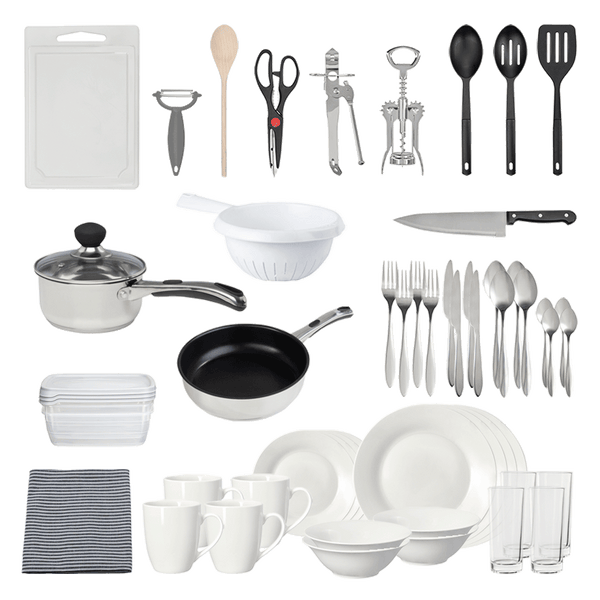
Credit: www.unikitout.com
Budget Vs Quality
Choosing the right kitchen pans can be tricky. You want good quality but also want to save money.
This guide looks at budget options and investment pieces for your kitchen.
Affordable Options
Affordable pans work well for everyday cooking. They often use materials like aluminum or non-stick coatings.
- Aluminum pans heat quickly and are light.
- Non-stick pans are easy to clean.
- Steel pans are durable and budget-friendly.
- Look for pans with comfortable handles.
- Check if pans fit your stove type.
Investment Pieces
Investment pieces last longer and cook more evenly. These pans often cost more but save money over time.
| Type | Material | Price Range | Key Benefit |
| Cast Iron Skillet | Cast Iron | $$$ | Excellent heat retention |
| Stainless Steel Pan | Stainless Steel | $$$ | Durable and non-reactive |
| Copper Pan | Copper | $$$$ | Precise temperature control |
| Hard-Anodized Pan | Aluminum | $$$ | Scratch resistant |

Credit: www.healthierhomes.com
Frequently Asked Questions
What Are The Essential Kitchen Pans Everyone Needs?
Essential kitchen pans include a non-stick skillet, stainless steel sauté pan, cast iron skillet, and a saucepan. These pans cover most cooking techniques, from frying to simmering. Investing in quality pans ensures durability and better cooking results for everyday meals.
Which Pan Is Best For Frying And Sautéing?
A non-stick skillet is best for frying and sautéing. It requires less oil and prevents food from sticking. This pan is easy to clean and ideal for cooking eggs, vegetables, and delicate proteins like fish.
Why Is A Cast Iron Skillet A Must-have Pan?
Cast iron skillets distribute heat evenly and retain it well. They are versatile, suitable for frying, baking, and roasting. Over time, they develop a natural non-stick surface, enhancing flavor and durability.
How Do Stainless Steel Pans Benefit Cooking?
Stainless steel pans are durable, non-reactive, and perfect for searing and browning. They tolerate high heat and don’t alter food flavor. These pans are dishwasher safe, making cleanup simple and convenient.
Conclusion
A well-equipped kitchen needs the right pans. They make cooking easier. From frying pans to saucepans, each serves a purpose. These essential pans help create delicious meals. Choose quality pans for long-lasting use. They save time and enhance your cooking experience.
Non-stick pans are easy to clean. Cast iron pans offer great heat retention. Stainless steel pans are durable and versatile. Invest in these must-have kitchen pans today. They simplify your culinary adventures. Enjoy cooking with ease and confidence. Happy cooking!