Are you setting up a new kitchen or just looking to upgrade your cookware collection? Choosing the right pans can make all the difference in your cooking experience.
But with so many options available, it’s easy to feel overwhelmed. You might wonder, What Pans Do I Need in My Kitchen? Don’t worry; you’re not alone in this culinary quest. Imagine effortlessly preparing your favorite dishes with the perfect tools at hand.
Picture the satisfaction of cooking like a pro, without the clutter of unnecessary cookware. In this guide, we’ll break down the essential pans that every home cook should have. Let’s take the guesswork out of your kitchen setup and help you invest in quality pieces that will serve you for years. Ready to discover the must-have pans that will elevate your cooking game? Keep reading!
Key Pans For Basic Cooking
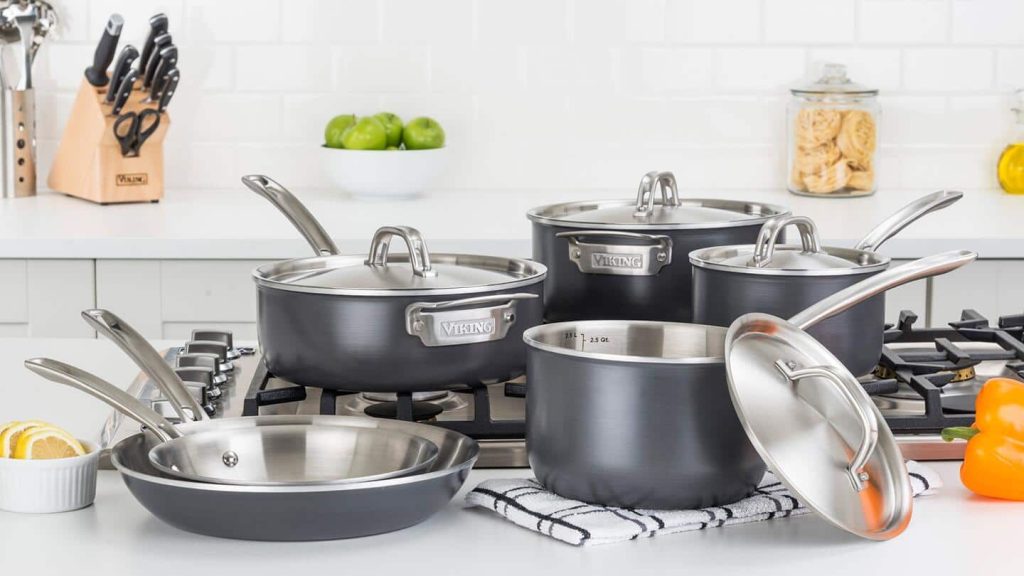
Every kitchen needs a few essential pans to cook a variety of meals. Choosing the right pans helps you prepare food more easily and with better results.
This guide covers three key pans that work well for most basic cooking tasks.
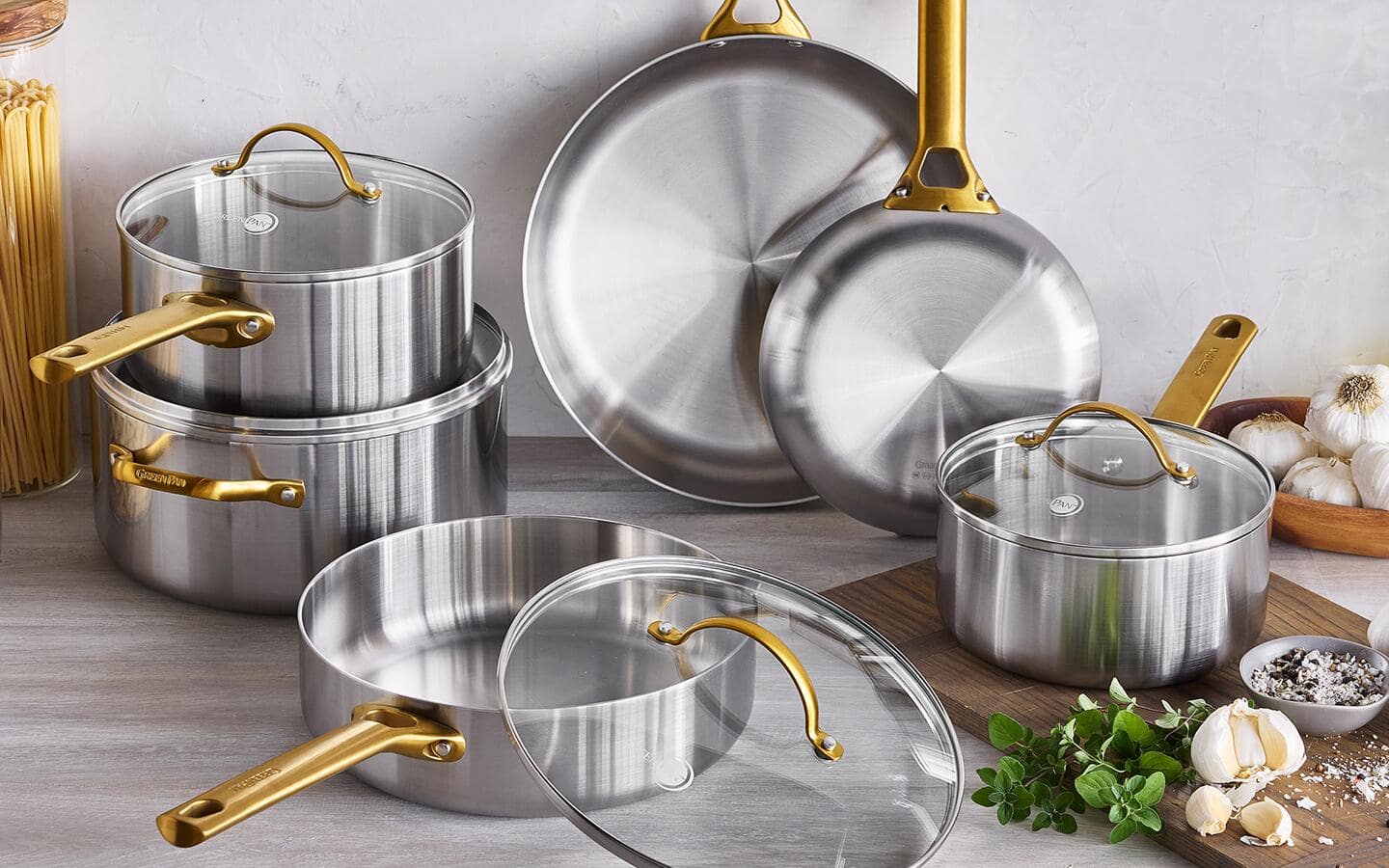
Frying Pan Or Skillet
A frying pan, also called a skillet, is flat with low sides. It is great for frying, searing, and browning food quickly.
- Use it to cook eggs, pancakes, and stir-fry.
- Choose a non-stick or stainless steel pan for easy cleaning.
- Look for a size between 8 to 12 inches for versatility.
Saucepan
A saucepan has tall, straight sides and a lid. It is perfect for cooking sauces, boiling pasta, or heating soups.
| Feature | Purpose |
| Tall sides | Hold liquids without splashing |
| Lid | Keep heat and moisture inside |
| Size | Usually 1 to 4 quarts for most uses |
Sauté Pan
A sauté pan has straight sides and a wide bottom. It lets you cook food evenly while stirring or tossing.
Benefits of a sauté pan:
- Large surface area for browning
- High sides to hold sauces and food
- Ideal for cooking vegetables and meats
Credit: www.homedepot.com
Specialty Pans To Expand Your Skills
Having the right pans in your kitchen can help you cook many types of dishes. Specialty pans let you try new recipes and techniques. They add variety to your cooking.
These pans are not for every meal, but they make certain foods better. Learning how to use them can make cooking more fun and tasty.
Cast Iron Skillet
A cast iron skillet is heavy and holds heat well. It can go from stove to oven easily. This pan is great for frying, searing, and baking.
It lasts a long time if you keep it seasoned. The more you use it, the better the non-stick surface gets.
- Use for frying eggs, steak, or cornbread
- Preheat well before cooking
- Clean gently and dry to avoid rust
Grill Pan
A grill pan has ridges that leave grill marks on food. It is perfect for indoor grilling. It helps drain fat away from meat.
This pan works well for vegetables, chicken, and burgers. It gives a smoky taste without needing an outdoor grill.
- Preheat pan for clear grill marks
- Use a little oil to prevent sticking
- Cook on medium-high heat for best results
Wok
A wok has a round bottom and high sides. It cooks food fast with little oil. It is great for stir-frying, steaming, and deep-frying.
The shape helps toss ingredients easily. It is common in Asian cooking but useful for many meals.
- Heat wok until very hot before adding oil
- Cook small batches to avoid crowding
- Use a wooden or silicone spatula to stir
Baking And Roasting Essentials
Having the right pans makes baking and roasting easier. Different pans help with different recipes. Choosing the right one saves time and improves results.
This guide covers three essential pans you need: baking sheet, roasting pan, and casserole dish.
Baking Sheet
A baking sheet is a flat pan with low edges. It is great for cookies, biscuits, and roasting vegetables.
- Choose a rimmed baking sheet to keep juices from spilling.
- Non-stick or lined with parchment paper for easy cleanup.
- Heavy-duty metal sheets heat evenly for better baking.
Roasting Pan
A roasting pan is deep and sturdy. It holds large cuts of meat or whole poultry. It often comes with a rack to lift food above juices.
| Feature | Benefit |
| Deep sides | Prevents spills and splatters |
| Rack included | Allows even heat and crisp skin |
| Heavy material | Retains heat well for roasting |
Casserole Dish
Casserole dishes are oven-safe and come in many shapes. They are perfect for layered dishes, baked pasta, and gratins.
Tips for choosing a casserole dish:
- Look for glass or ceramic for even cooking.
- Choose a size that fits your family’s needs.
- Check if it has a lid for slow cooking.
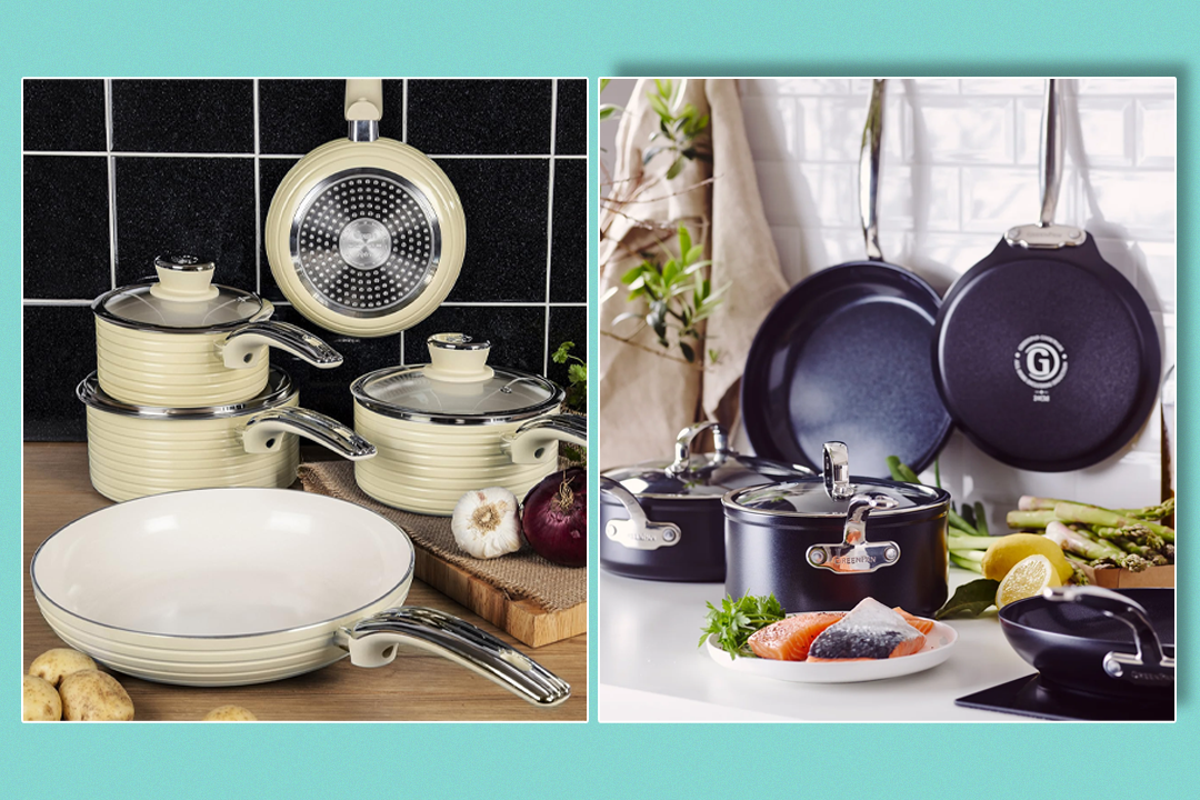
Materials And Their Benefits
Choosing the right pans for your kitchen depends on the material they are made from. Each material offers different benefits for cooking.
Knowing these benefits helps you pick pans that fit your cooking style and needs.
Stainless Steel
Stainless steel pans are strong and last a long time. They do not react with food, so they keep flavors pure.
These pans heat evenly and work well for browning and searing food.
- Durable and resistant to rust
- Safe for acidic foods
- Can go in the oven and dishwasher
Nonstick
Nonstick pans have a coating that stops food from sticking. They need less oil for cooking.
These pans are easy to clean and good for cooking eggs and pancakes.
- Requires less oil or butter
- Easy to clean by hand
- Best for low to medium heat cooking
Cast Iron
Cast iron pans hold heat very well. They are perfect for slow cooking and frying.
With use, cast iron becomes naturally nonstick. It also adds a small amount of iron to food.
- Very durable and long-lasting
- Great for high heat cooking
- Needs seasoning to keep nonstick surface
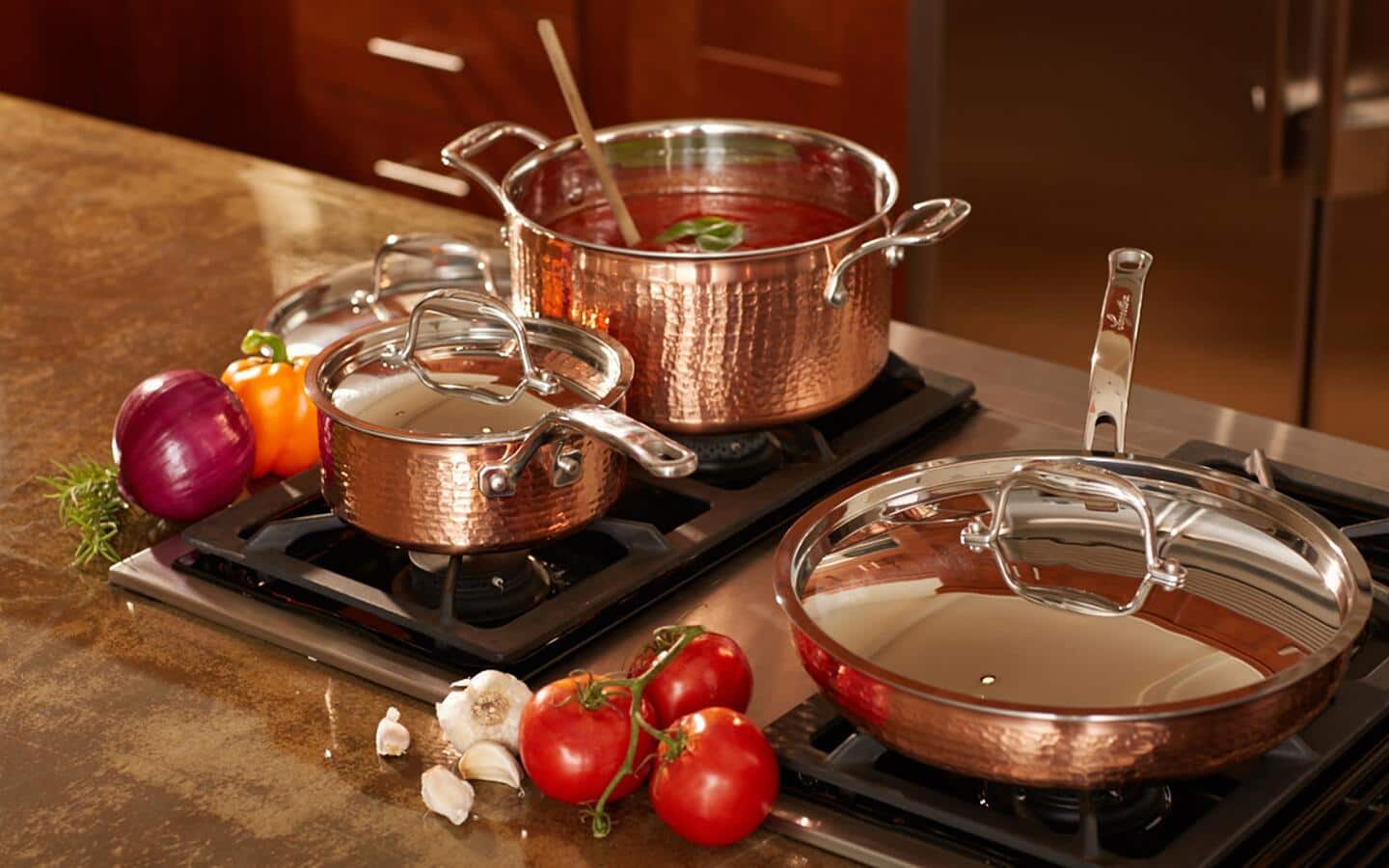
Copper
Copper pans heat up quickly and cool down fast. This gives you good control over cooking temperature.
They often have a lining inside to prevent copper from touching food directly.
- Excellent temperature control
- Heats evenly across the pan
- Requires polishing to keep shine
Choosing The Right Size
Choosing the right size pans helps you cook better and avoid waste. You want pans that fit the amount of food you usually make.
Using the right pan size saves energy and makes cooking easier. It also helps your food cook evenly.
Small Pans For Singles
Small pans work well for one or two people. They heat up quickly and use less energy. These pans are good for frying eggs, toasting nuts, or making small meals.
- 6-inch skillets
- 1 to 2-quart saucepans
- Small sauté pans
Medium Pans For Families
Medium pans suit families of three to five. They hold enough food for dinner without crowding. These pans are good for making soups, stir-fries, and pasta dishes.
| Pan Type | Size | Uses |
| Skillet | 8 to 10 inches | Frying, sautéing |
| Saucepan | 3 to 4 quarts | Boiling, simmering |
| Stockpot | 6 to 8 quarts | Soups, stews |
Large Pans For Entertaining
Large pans fit big groups and parties. They let you cook large meals at once. Use these for roasting, frying, or making big batches of food.
| Pan Type | Size | Best For |
|---|---|---|
| Large Skillet | 12 to 14 inches | Frying, searing meats |
| Large Stockpot | 10 to 16 quarts | Boiling pasta, making soup |
| Roasting Pan | Large size | Roasting meats and vegetables |
Credit: www.independent.co.uk
Care And Maintenance Tips
Keeping your kitchen pans in good shape helps them last longer. Proper care also keeps food tasting great.
Learn simple ways to clean, store, and avoid common errors with your pans. These tips save time and money.
Cleaning Techniques
Clean pans gently to keep their surface safe. Use mild soap and soft sponges to avoid scratches.
- Wash pans by hand instead of using a dishwasher
- Soak pans with stuck food before scrubbing
- Use baking soda paste for tough stains
- Dry pans immediately to stop rust
Storage Solutions
Store pans carefully to protect their shape and coating. Keep them in a dry place.
| Storage Tip | Benefit |
| Hang pans on hooks | Easy access and air flow |
| Use pan protectors or cloths | Prevents scratches when stacking |
| Keep lids separate | Stops moisture buildup |
| Store pans upright | Saves space and avoids damage |
Avoiding Common Mistakes
Some habits can harm your pans. Avoid these to keep them working well.
- Don’t heat empty pans for a long time
- Avoid metal utensils that scratch surfaces
- Never use harsh chemicals or steel wool
- Don’t stack pans without protection between them
- Keep pans dry to prevent rust and stains
Credit: www.homedepot.com
Frequently Asked Questions
What Are The Essential Pans Every Kitchen Needs?
Essential pans include a non-stick skillet, saucepan, and a stockpot. These cover most cooking tasks like frying, boiling, and simmering efficiently.
Which Pan Is Best For Frying And Sautéing?
A non-stick skillet is best for frying and sautéing. It ensures even cooking and easy food release without sticking.
Do I Need A Cast Iron Pan In My Kitchen?
Yes, cast iron pans are versatile and durable. They retain heat well, ideal for searing, baking, and frying.
What Size Pans Should I Have For Cooking?
A small (8-inch) skillet, medium (10-12 inch) skillet, and a large stockpot cover most recipes. Sizes depend on your cooking needs.
Conclusion
Choosing the right pans makes cooking easier and more fun. A few basic pans cover most recipes well. Think about what you cook often and pick pans that fit. Good pans last long and save money. Start with essentials like a frying pan, saucepan, and stockpot.
Add others as you try new dishes. Cooking feels better with the right tools. Your kitchen will be ready for any meal. Simple choices lead to great results.