Are you frustrated with a kitchen drawer that just won't slide back into place? You're not alone.
A misaligned drawer can be a real headache, especially when you're in a hurry. But don't worry, fixing it is easier than you might think. Imagine the relief of having all your drawers gliding smoothly, just like they did when they were brand new.
In this guide, you'll discover simple, step-by-step instructions on how to put your kitchen drawer back on track. Whether you're a DIY novice or just looking for a quick fix, you'll find this article packed with practical tips and tricks to get the job done. Stick around, and let’s turn that kitchen chaos into harmony.

Credit: www.angi.com
Common Causes Of Drawer Track Issues
Kitchen drawers often slide on tracks that help them move smoothly. Sometimes, these drawers get stuck or fall off their tracks. Knowing the common causes can help you fix the problem quickly.
Issues with drawer tracks happen due to simple problems. These include parts that are out of place, worn out, or dirty. Understanding these causes helps you put the drawer back on track.
Misaligned Tracks
Tracks can move out of place over time. This happens when the drawer is forced or used roughly. Misaligned tracks stop the drawer from sliding smoothly.
Check if the tracks are straight and match on both sides. If they are crooked or uneven, the drawer will not work right.
Worn Or Broken Rollers
Rollers help drawers slide easily. These small wheels can wear out or break after long use. Worn rollers make the drawer hard to open or close.
Look for cracked or missing rollers. Replacing them can restore smooth movement to your drawer.
Loose Screws And Hardware
Screws and other hardware hold the tracks and rollers in place. Over time, these parts can loosen. Loose hardware causes the drawer to wobble or fall off the track.
Tighten all screws and check for missing pieces. Secure hardware keeps the drawer stable and working well.
Debris And Dirt Buildup
Dirt, crumbs, and dust can gather inside the tracks. This buildup blocks the drawer from sliding smoothly. It can also damage rollers and tracks over time.
Clean the tracks regularly with a cloth or brush. Removing debris helps the drawer move freely and lasts longer.
Tools And Materials Needed
Putting a kitchen drawer back on track is a simple task with the right tools and materials. Being prepared helps the process go smoothly and saves time.
This guide covers basic tools, replacement parts, cleaning supplies, and lubricants to get your drawer sliding perfectly again.
Basic Tool Kit
You need a few common tools to fix drawer tracks. These tools help remove and adjust the drawer parts safely.
- Screwdriver (flathead and Phillips)
- Pliers
- Hammer
- Measuring tape
- Utility knife
Replacement Parts
Some parts wear out and need replacing to keep your drawer working well. Check these parts before starting repairs.
| Part | Description | Purpose |
| Drawer Slide Rails | Metal or plastic tracks | Guide drawer movement |
| Rollers or Wheels | Small round parts | Help smooth sliding |
| Screws | Various sizes | Secure parts in place |
Cleaning Supplies
Cleaning is important before putting the drawer back on track. Dirt and dust cause rubbing and sticking.
- Soft cloth or rag
- Brush or old toothbrush
- Mild detergent or soap
- Water
- Vacuum cleaner (optional)
Lubricants And Grease
Lubricants reduce friction and make the drawer slide smoothly. Use the right type for metal or plastic parts.
- Silicone spray lubricant
- White lithium grease
- Graphite powder (for dry lubrication)
Step-by-step Fix For Misaligned Tracks
Kitchen drawers can become misaligned over time. Fixing the tracks helps the drawer slide smoothly again. Follow these simple steps to put your drawer back on track.
Be careful during the process to avoid damage. Use the right tools and take your time for the best results.
Removing The Drawer Safely
Start by emptying the drawer. This makes it lighter and easier to handle. Then, open the drawer fully to access the stops or clips holding it in place.
- Pull the drawer out until it stops.
- Press or lift the clips on both sides of the drawer.
- Carefully pull the drawer free from the cabinet.
Realigning The Tracks
Check the tracks for dirt or damage. Clean them with a cloth and mild cleaner. Look for bent or loose parts that need adjustment.
| Issue | Fix |
| Dirt or debris | Wipe clean with a soft cloth |
| Bent track | Gently straighten with pliers |
| Loose screws | Tighten with a screwdriver |
Securing The Tracks
After realigning, fix the tracks firmly to the drawer and cabinet. Use screws that fit well and avoid over-tightening. This keeps the tracks stable for smooth sliding.
- Replace missing screws with the correct size.
- Use a power drill or screwdriver to secure screws.
- Check that tracks do not move or wobble.
Testing The Drawer Movement
Put the drawer back in place. Slide it in and out slowly to test the movement. Listen for noises and watch for sticking points.
| Test | What to Check | Action if Needed |
|---|---|---|
| Sliding | Moves smoothly without effort | Adjust tracks if stiff |
| Noise | No squeaking or grinding sounds | Lubricate tracks with silicone spray |
| Alignment | Drawer sits flush with cabinet | Realign tracks or stops |
Replacing Worn Or Broken Rollers
Kitchen drawers often use rollers to slide smoothly. Over time, these rollers can wear out or break. Replacing them helps your drawer move easily again.
This guide shows how to identify roller types, remove old rollers, and install new ones safely.
Identifying Roller Types
Drawers may have different types of rollers. Knowing your roller type helps you buy the right replacement. Common types include plastic wheels, metal ball bearings, and nylon rollers.
- Plastic wheels are simple and light. They often snap into place.
- Metal ball bearings offer smooth movement and last longer.
- Nylon rollers resist wear and reduce noise.
Removing Old Rollers
Remove the drawer from its cabinet before starting. Look for screws or clips holding the rollers. Use a screwdriver or pliers to carefully detach them.
| Roller Type | Removal Method |
| Plastic Wheels | Snap off or unscrew |
| Metal Ball Bearings | Unscrew or slide out |
| Nylon Rollers | Remove clips or screws |
Installing New Rollers
Match the new rollers to the old ones in size and type. Align the rollers with the slots or holes on the drawer. Secure them with screws or clips firmly.
- Place the new roller in the slot.
- Insert screws or press clips to fix the roller.
- Check the roller spins freely.
- Slide the drawer back to test movement.
Tightening Loose Screws And Hardware
Kitchen drawers can become loose over time. Tightening screws and hardware keeps drawers working well. This guide helps you fix loose parts quickly.
Use basic tools like a screwdriver and check all drawer parts. Fixing loose screws improves safety and drawer function.
Locating Loose Components
First, open the drawer fully and look at the sides and bottom. Check the screws holding the drawer sliders and handles. Wiggle each part to find any movement. Loose parts usually feel wobbly or shift easily.
- Look under the drawer for loose screws
- Check the drawer sliders on both sides
- Inspect the handle and front panel screws
- Test the drawer by sliding it in and out
Choosing The Right Screws
Use screws that fit the holes well. Screws that are too long or too short may cause damage or not hold tight. Wooden screws work best for wood drawers. Metal screws suit metal frames.
| Screw Type | Use For | Length |
| Wood Screws | Wood drawer parts | 1 inch to 1.5 inches |
| Machine Screws | Metal drawer slides | Short, 0.5 to 1 inch |
| Sheet Metal Screws | Thin metal panels | 1 inch or shorter |
Proper Tightening Techniques
Use a screwdriver that matches the screw head. Turn screws clockwise to tighten. Do not overtighten or strip the screw heads. Tighten screws evenly to keep parts aligned.
- Place the screwdriver tip in the screw head
- Turn slowly and steadily clockwise
- Stop when resistance increases
- Check if the part is secure without wobbling
- Repeat for all loose screws
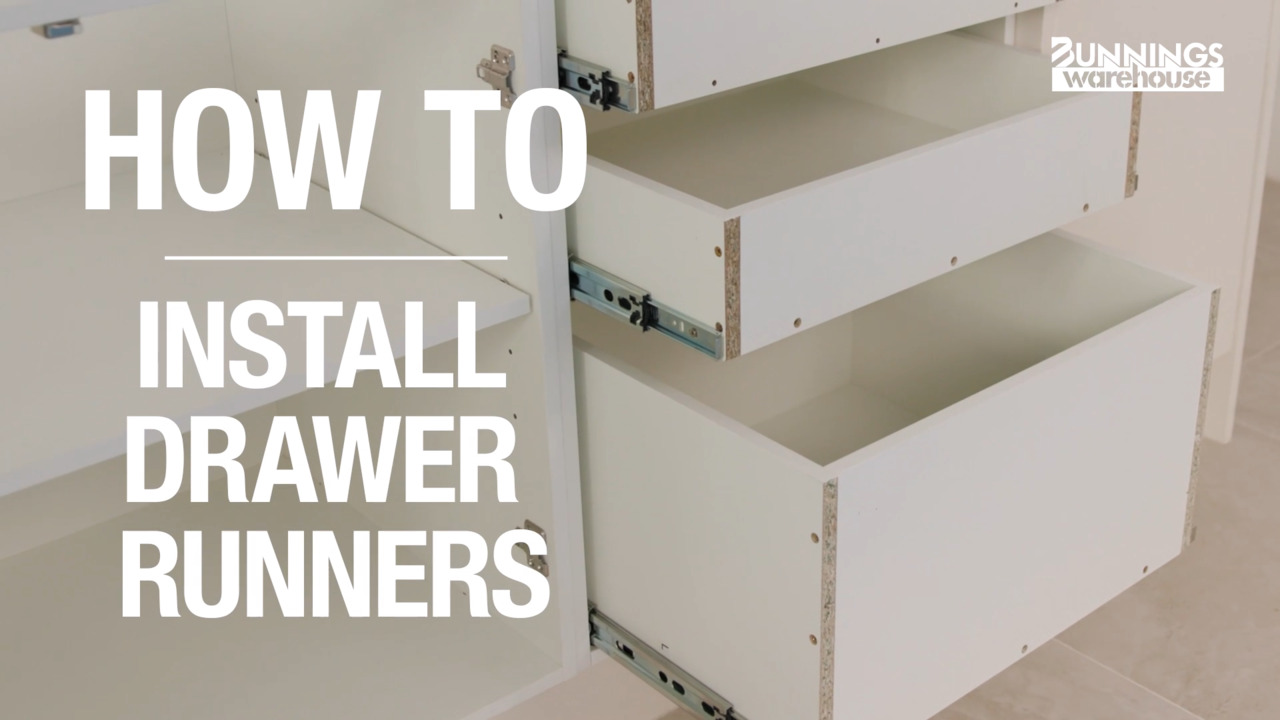
Credit: www.bunnings.com.au
Cleaning And Lubricating Drawer Tracks
Kitchen drawers can get stuck if their tracks are dirty or dry. Cleaning and lubricating the tracks helps them slide smoothly again.
This guide explains how to clean dirt and apply lubricant to drawer tracks the right way.
Removing Dirt And Debris
First, pull the drawer out and remove any loose dirt or crumbs from the tracks. Use a soft brush or cloth to clean hard-to-reach spots.
If there is sticky residue, use a mild soap and water solution. Make sure to dry the tracks completely before applying lubricant.
- Pull out the drawer fully
- Brush away loose dirt and dust
- Wipe sticky spots with mild soap
- Dry the tracks well with a cloth
Choosing The Best Lubricant
Select a lubricant made for metal or plastic drawer tracks. Avoid thick greases that attract dust and cause buildup.
Silicone spray and dry lubricants work well. They reduce friction without making a mess or damaging the tracks.
- Use silicone spray for smooth sliding
- Choose dry lubricants for less dirt buildup
- Avoid heavy oil or grease
Applying Lubricant Correctly
Spray or apply lubricant evenly along the entire length of each track. Focus on the moving parts where metal meets metal or plastic.
After applying, move the drawer back and forth several times. This spreads the lubricant and improves the drawer’s movement.
- Apply lubricant evenly on tracks
- Cover all sliding parts well
- Slide the drawer multiple times
- Wipe off excess lubricant to prevent drips
Tips To Prevent Future Drawer Track Problems
Keeping kitchen drawers working well saves time and effort. Problems with drawer tracks can stop drawers from sliding smoothly.
Regular care helps avoid issues and keeps your kitchen organized. Use simple habits to protect your drawer tracks.
Regular Maintenance Routine
Check your drawer tracks every few months. Clean out dust and crumbs that collect inside.
- Remove the drawer and wipe the tracks with a dry cloth.
- Use a small brush to clear dirt from tight spaces.
- Apply a little silicone spray to keep the tracks smooth.
- Test the drawer after cleaning to make sure it slides well.
Avoiding Overloading Drawers
Do not put too many heavy items in one drawer. Overloaded drawers strain the tracks and can cause damage.
| Load Level | Effect on Drawer |
| Light (under 10 lbs) | Tracks work smoothly and last longer |
| Medium (10-20 lbs) | Tracks may wear faster but still function well |
| Heavy (over 20 lbs) | Tracks bend or break, causing drawer problems |
Handling Drawers Gently
Open and close drawers with care. Avoid slamming or forcing them.
Follow these tips for gentle handling:
- Pull the drawer straight out without tilting.
- Push the drawer slowly to avoid sudden impact.
- Fix any loose screws or parts to keep drawers steady.

Credit: www.reddit.com
Frequently Asked Questions
How Do I Fix A Kitchen Drawer Off Its Track?
To fix a kitchen drawer off its track, remove the drawer completely. Check the rails for damage or dirt. Clean and realign the rails, then carefully slide the drawer back on track until it moves smoothly.
What Tools Are Needed To Put A Drawer Back On Track?
You typically need a screwdriver, a flashlight, and a cloth. A flathead or Phillips screwdriver helps remove screws. The cloth cleans rails, and the flashlight aids visibility inside the drawer space.
Why Does My Kitchen Drawer Keep Falling Off The Track?
Drawers fall off track due to worn or damaged rails, loose screws, or overloading. Regular maintenance like tightening screws and cleaning rails helps prevent this issue.
Can I Realign Drawer Tracks Without Removing The Drawer?
Yes, you can realign tracks by gently lifting the drawer and adjusting the rails. However, removing the drawer allows better access for cleaning and fixing any damage.
Conclusion
Fixing a kitchen drawer track is easier than you think. Start by cleaning the tracks and checking for damage. Tighten any loose screws and realign the drawer carefully. Small steps can make a big difference. You can avoid buying new parts or calling a repair person.
A smooth drawer makes your kitchen work better every day. Keep tools handy for quick fixes in the future. Taking a little time now saves hassle later. Your kitchen will feel more organized and neat. Simple repairs help your home run smoothly.