How to Make a Compost Bin for Kitchen Waste: Are you tired of seeing your kitchen scraps go straight into the trash? What if you could turn that waste into something valuable for your garden?
Making a compost bin for your kitchen waste is easier than you think. Not only will you reduce trash, but you’ll also create rich, natural fertilizer right at home. In this guide, you’ll discover simple steps to build your own compost bin and start transforming your kitchen leftovers into black gold.
Ready to make a positive change for your home and the planet? Let’s get started!
Choosing The Right Compost Bin
Picking the right compost bin helps you recycle kitchen waste easily. It keeps your kitchen clean and makes good compost for your plants.
There are many types of compost bins. You should think about materials, size, and where to place it.
Materials To Consider
Compost bins come in different materials. Each has its own benefits and drawbacks.
- Plastic:Lightweight and easy to clean. It holds heat well but may crack in cold weather.
- Metal:Durable and strong. It can rust if not treated properly.
- Wood:Natural and blends with garden. It needs maintenance to avoid rot.
- Wire Mesh:Good for air flow. It may let pests in if not covered.
Size And Capacity
Choose a bin size that fits your kitchen waste amount and space. Too small means frequent emptying. Too big may waste space.
| Household Size | Recommended Bin Size |
| 1-2 people | 20-30 gallons |
| 3-4 people | 40-60 gallons |
| 5+ people | 60+ gallons |
Placement Tips
Place your compost bin in a spot that is easy to reach and has good air flow. It should get some sunlight but not too much heat.
- Near the kitchen for easy access
- Shaded area to keep moisture
- Flat ground to keep bin stable
- Good drainage to avoid water build-up
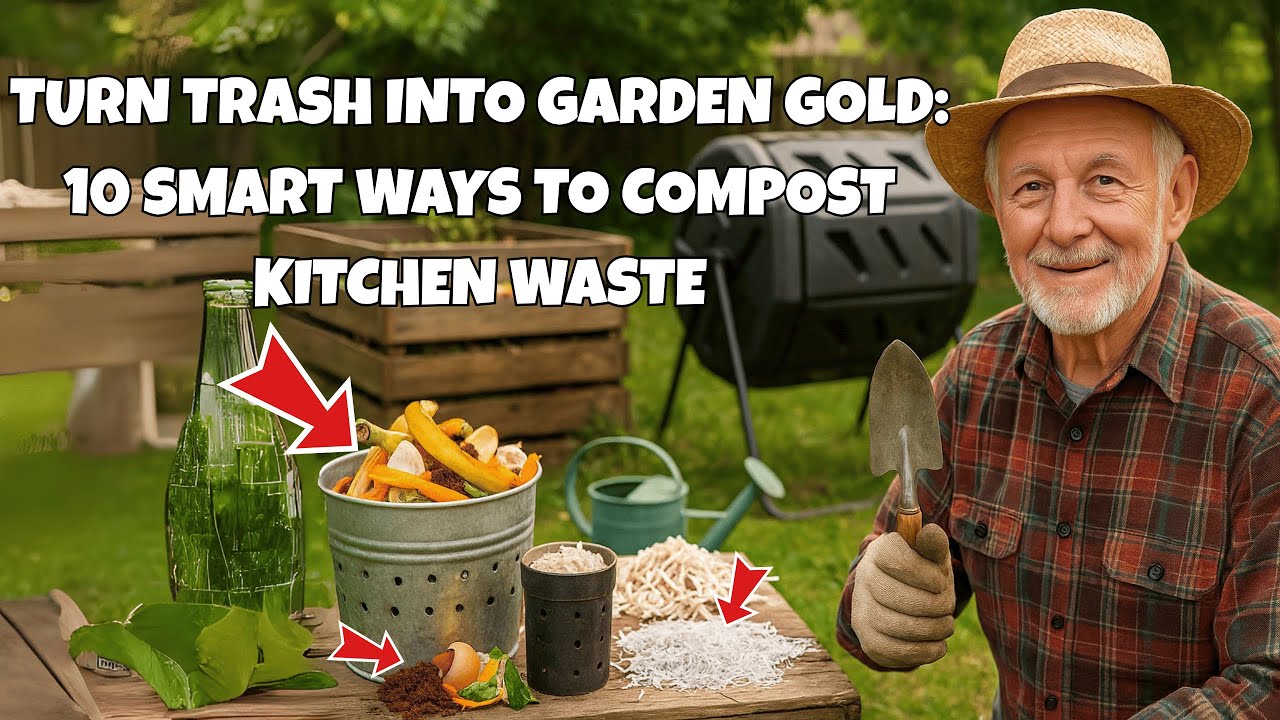
Credit: www.youtube.com
Gathering Kitchen Waste
Making a compost bin starts with collecting the right kitchen waste. You can use leftovers and scraps to create rich compost.
Gather waste regularly to keep your bin full and active. Proper sorting helps the composting process work faster.
Types Of Waste To Compost
Not all kitchen waste is good for compost. Focus on organic materials that break down easily.
- Fruit and vegetable peels
- Coffee grounds and filters
- Eggshells (crushed)
- Tea bags (without plastic)
- Leftover cooked vegetables
- Nut shells (except walnuts)
- Bread scraps
- Paper towels and napkins (if not greasy)
What To Avoid
Some kitchen waste can harm your compost or attract pests. Avoid these materials to keep your compost healthy.
- Meat, fish, and bones
- Dairy products like cheese and milk
- Oily or greasy food scraps
- Pet waste and litter
- Plastic, glass, and metal
- Diseased or insect-infested plants
- Weeds with seeds
Preparing Waste For Composting
Preparing waste properly helps it break down faster. Small pieces compost quicker than large chunks.
Dry materials balance wet scraps. Layering waste keeps your bin healthy and smelling fresh.
- Cut large scraps into small pieces
- Crush eggshells before adding
- Mix wet and dry waste evenly
- Use shredded paper or dry leaves as dry material
- Turn the compost regularly for air flow
Building Your Compost Bin
Creating a compost bin is a simple way to recycle kitchen waste. It helps turn scraps into rich soil for plants.
This guide shows you how to build a compost bin step by step with the right tools and features.
Essential Tools And Supplies
Gathering the right tools and materials will make building your compost bin easy and fast.
- Wooden pallets or plastic bin
- Drill with screwdriver bits
- Jigsaw or handsaw
- Staple gun or nails
- Wire mesh for ventilation
- Gloves for safety
- Measuring tape and pencil
Step-by-step Assembly
Follow these steps to put your compost bin together quickly and correctly.
- Measure and cut wood panels or use a plastic bin as base.
- Attach panels to form a box shape with open top.
- Secure corners with screws or nails for stability.
- Fix a hinged door or removable side for easy access.
- Line the inside bottom with wire mesh if needed.
- Check all edges and corners to avoid sharp points.
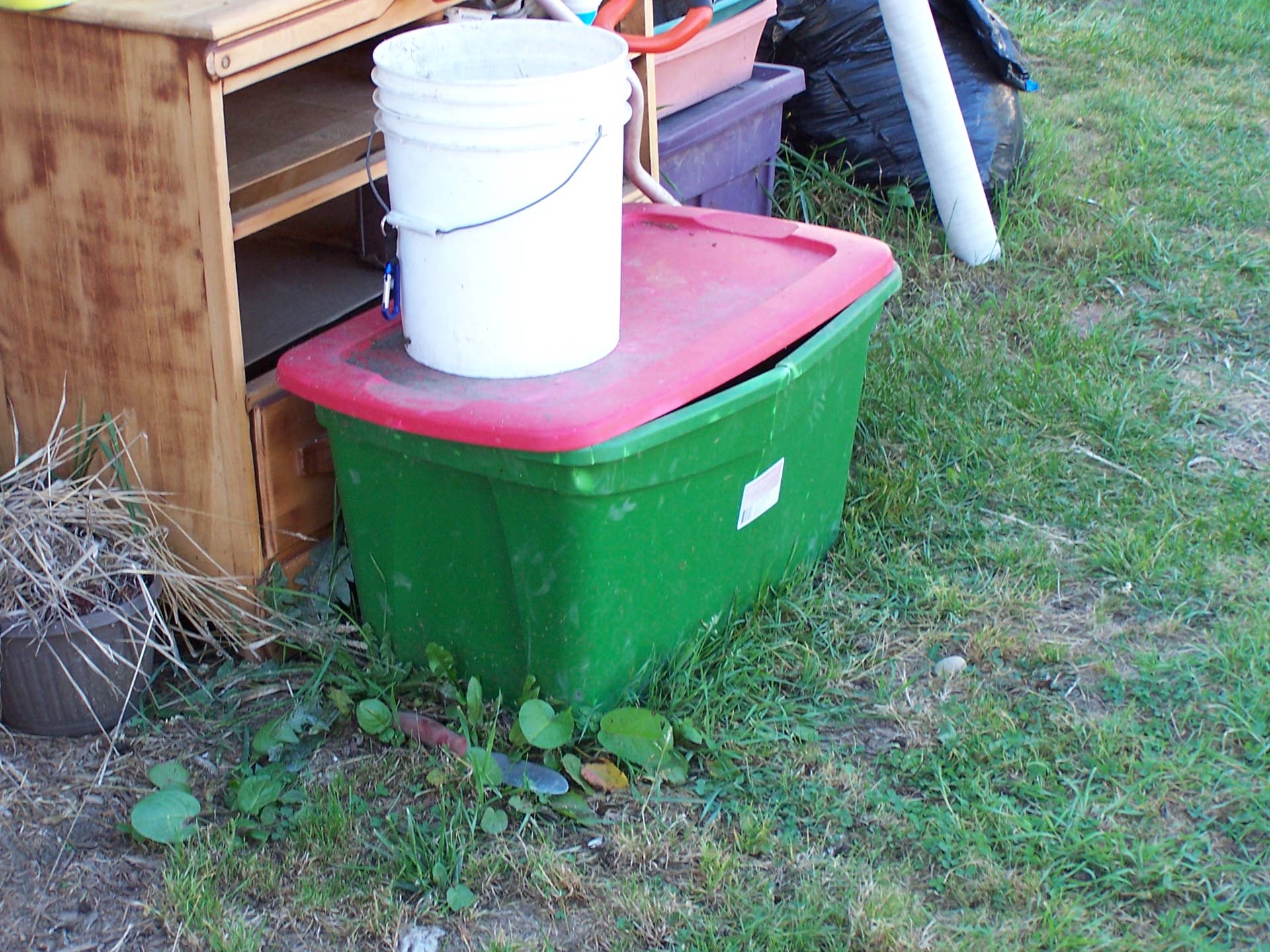
Ventilation And Drainage
Good airflow and water drainage keep compost healthy and reduce bad smells.
| Feature | How to Add | Why It Matters |
|---|---|---|
| Ventilation holes | Drill several holes on sides and lid | Allows air to flow and speeds up decomposition |
| Wire mesh | Line bottom inside to keep pests out | Keeps unwanted animals away while letting water drain |
| Elevated base | Use bricks or blocks to lift bin off ground | Prevents water logging and improves air circulation |
Credit: dengarden.com
Maintaining Your Compost Bin
Keeping your compost bin healthy helps break down kitchen waste faster. Regular care prevents bad smells and pests. It also helps produce rich compost for your garden.
Simple steps like turning the compost and checking moisture make a big difference. Knowing how to fix common problems keeps the bin working well.
Turning And Aeration
Turn your compost at least twice a week. This adds air to the mix, which helps microbes break down waste. Use a garden fork or a compost aerator tool.
- Turn the compost gently but thoroughly
- Mix dry and wet materials evenly
- Check the center for heat as a sign of activity
- Avoid compacting the compost when turning
Moisture Control
Keep the compost moist like a wrung-out sponge. Too much water stops airflow and causes bad smells. Too little water slows decomposition.
| Moisture Level | Signs | Action |
| Too Wet | Smells bad, soggy texture | Add dry leaves or shredded paper |
| Too Dry | Slow breakdown, dry and crumbly | Spray water lightly and mix |
| Just Right | Feels damp, no foul smell | Keep regular checks and turn often |
Troubleshooting Common Issues
Some problems happen often but can be fixed fast. Check your compost for these signs and use the tips below.
- Bad Odor:Add dry material and turn the compost to add air.
- Slow Decomposition:Chop waste into smaller pieces and keep moisture balanced.
- Pests:Avoid adding meat or oily foods. Cover fresh waste with dry leaves.
- Compost Too Hot:Turn more often and add more dry material.
Harvesting And Using Compost
Compost turns kitchen waste into rich soil. Knowing how and when to use it helps your garden grow strong.
This guide shows how to tell if compost is ready. It also explains ways to use it and the benefits for your plants.
Knowing When Compost Is Ready
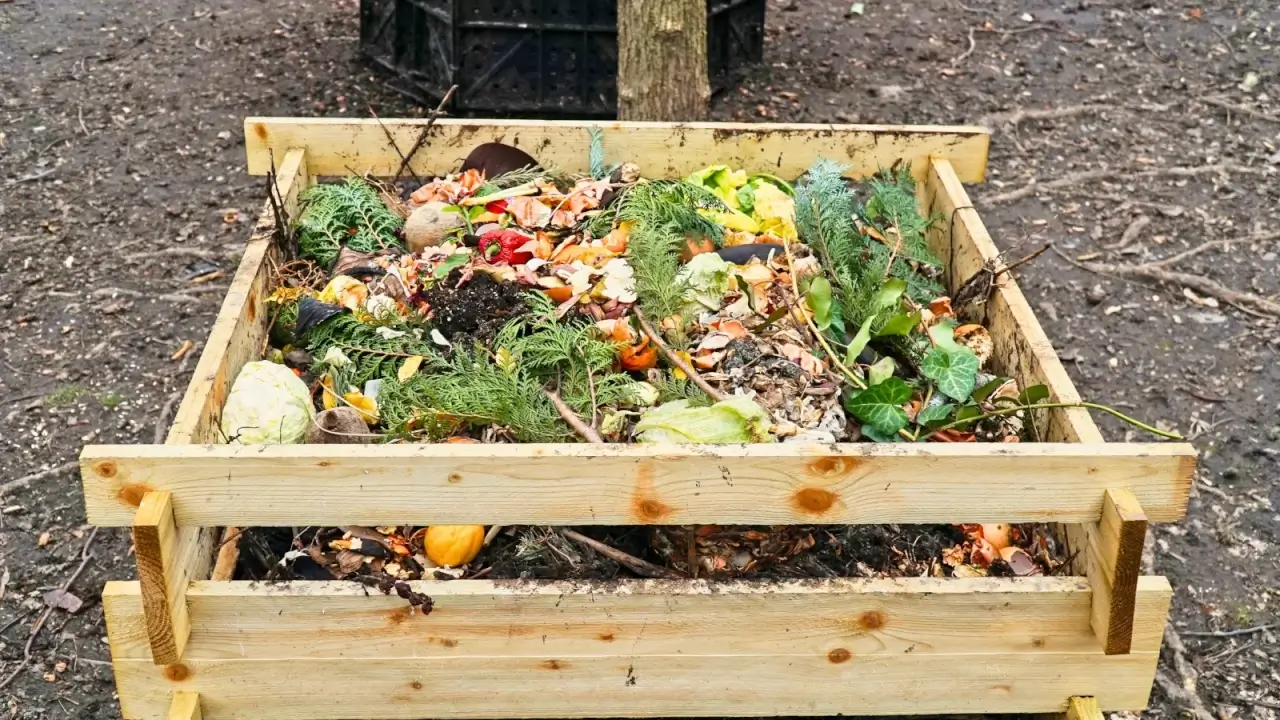
Compost is ready when it looks dark and crumbly. It should smell like fresh earth, not rotten or sour.
- The compost has no large food pieces left.
- The temperature inside the pile is cool.
- It feels light and fluffy when touched.
- Earthworms and bugs are present, helping the process.
How To Use Finished Compost
Use compost to improve soil and help plants grow. It adds nutrients and keeps soil moist.
- Mix compost into garden beds before planting.
- Use compost as a top layer around plants to protect roots.
- Add compost to potting soil for indoor plants.
- Make compost tea by soaking compost in water for a few days, then use it to water plants.
Benefits For Your Garden
| Benefit | Description |
| Better Soil | Compost improves soil structure and drainage. |
| More Nutrients | It adds key nutrients plants need to grow healthy. |
| Water Retention | Soil holds water longer, reducing watering needs. |
| Natural Pest Control | Healthy soil helps plants resist pests and diseases. |
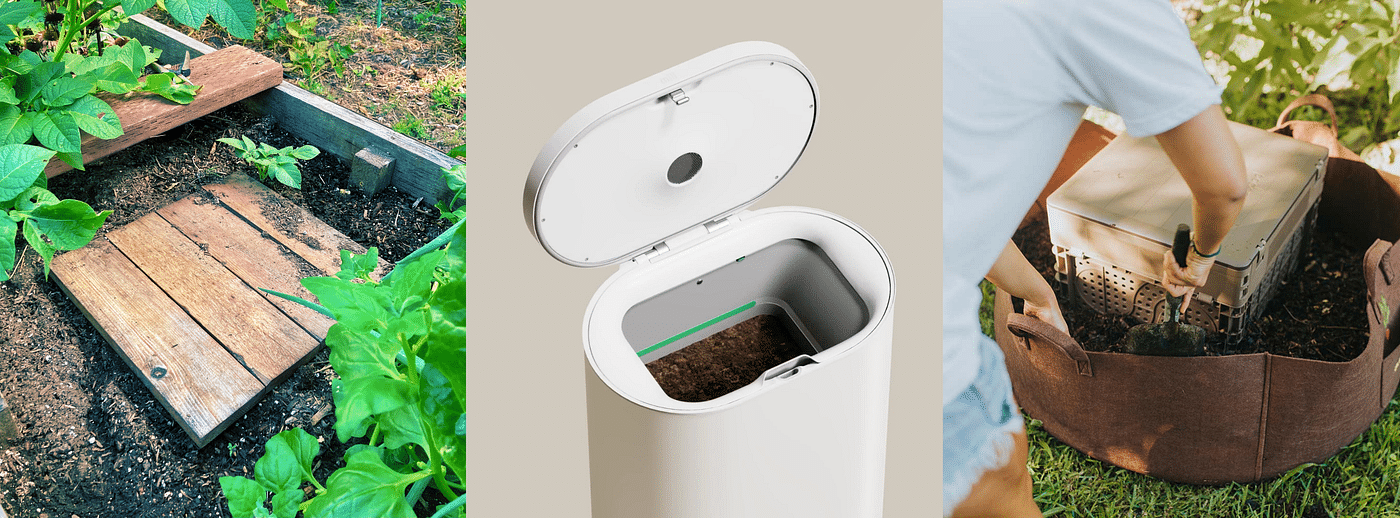
Credit: modernfarmer.com
Frequently Asked Questions
What Materials Are Best For Making A Compost Bin?
Wood, plastic, or metal containers work well. Choose breathable materials like wood for airflow. Avoid sealed containers to prevent odor buildup.
How Do I Start Composting Kitchen Waste?
Add fruit and vegetable scraps, coffee grounds, and eggshells. Avoid meat, dairy, and oily foods. Mix green and brown waste for balance.
How Often Should I Turn The Compost Bin?
Turn the compost every 1-2 weeks. This helps aerate and speed up decomposition. Regular turning prevents bad smells and attracts fewer pests.
Where Is The Ideal Place For A Compost Bin?
Place the bin in a shaded, well-drained area. Avoid direct sunlight or heavy rain spots. Good airflow and easy access improve composting efficiency.
Conclusion
Creating a compost bin at home is simple and rewarding. It reduces kitchen waste and enriches garden soil. Start with basic materials and follow easy steps. Remember to balance greens and browns for effective composting. Turn your pile regularly to speed up decomposition.
Soon, you’ll have rich compost for your plants. This process benefits both your garden and the environment. Try it today and see the difference. Happy composting!