How to Make Compost from Kitchen Waste: Are you tired of throwing away kitchen scraps every day? What if you could turn your leftover food into something valuable for your garden?
Making compost from kitchen waste is easier than you think. It helps reduce trash, saves money, and gives your plants the nutrients they need to grow strong. Keep reading, and you’ll discover simple steps to transform your everyday scraps into rich, healthy compost right at home.
Your garden—and the planet—will thank you!
Benefits Of Composting Kitchen Waste
Composting kitchen waste turns food scraps into useful soil material. It helps the environment by reducing trash and feeding plants naturally.
Many people find composting easy and good for their gardens. It is a smart way to recycle kitchen leftovers.
Improving Soil Health
Compost adds nutrients to the soil and helps it hold water better. This makes plants stronger and healthier.
- Increases soil fertility naturally
- Improves soil structure and aeration
- Helps retain moisture for plants
- Supports beneficial soil microorganisms
Reducing Household Waste
Composting lowers the amount of trash sent to landfills. It stops kitchen scraps from creating bad smells and gases.
| Type of Waste | Effect on Landfill |
| Vegetable peels | Reduce volume and odor |
| Coffee grounds | Decrease methane release |
| Eggshells | Lower landfill waste |
Supporting Sustainable Gardening
Using compost helps gardens grow without chemical fertilizers. It supports eco-friendly practices.
Benefits of compost in gardening:
- Reduces need for synthetic fertilizers
- Encourages natural pest control
- Promotes healthy plant growth
- Supports biodiversity in soil

Credit: www.youtube.com
Choosing The Right Composting Method
Composting kitchen waste is a great way to reduce trash and create rich soil. Choosing the right method depends on your space and needs.
Some methods work better indoors, while others suit outdoor gardens. This guide covers popular options for home composting.
Indoor Composting Options
Indoor composting helps those with limited outdoor space. It keeps waste contained and reduces odors.
- Use a small compost bin with a lid to keep smells in.
- Try vermicomposting with worms to speed up decomposition.
- Keep the compost moist but not wet for best results.
- Stir the compost regularly to add air and help breakdown.
Outdoor Composting Techniques
Outdoor composting suits larger spaces and backyard gardens. It can handle more waste and produces compost faster.
- Choose a dry, shady spot for your compost pile.
- Layer kitchen scraps with dry leaves or paper.
- Turn the pile every few weeks to mix and add air.
- Keep the pile moist but not soaked to help microbes.
- Use finished compost in your garden to enrich soil.
Using Compost Bins And Tumblers
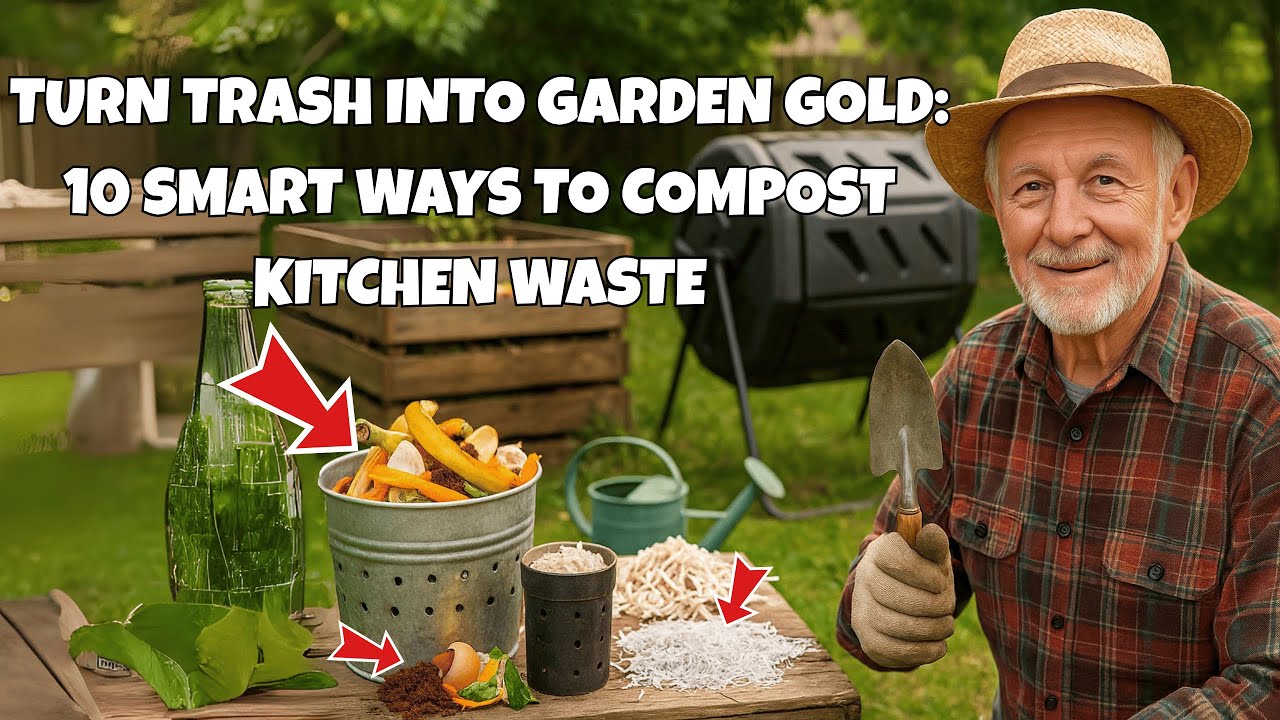
Bins and tumblers make composting easier and cleaner. They help control pests and speed up the process.
| Type | Description | Best For |
| Compost Bin | A stationary container to hold compost materials. | Small to medium outdoor spaces |
| Compost Tumbler | A rotating container that mixes compost easily. | Fast composting and easy turning |
| Vermicompost Bin | A bin with worms to break down kitchen scraps indoors. | Indoor composting with limited space |
Preparing Kitchen Waste For Compost
Making compost from kitchen waste helps reduce trash and enrich soil. Preparing the waste correctly speeds up composting.
Sorting and handling waste well keeps the compost healthy and free from bad smells.
Types Of Waste To Include
Use kitchen scraps that break down easily. These help create rich, dark compost quickly.
- Fruit and vegetable peels
- Tea bags and coffee grounds
- Eggshells, crushed
- Leftover cooked vegetables
- Nut shells (except walnut)
Avoiding Harmful Materials
Some kitchen waste can harm compost or attract pests. Avoid these to keep compost safe.
- Do not add meat, fish, or bones
- Avoid dairy products like cheese and milk
- Skip oily or greasy food scraps
- Do not use pet waste or litter
- Avoid diseased or pesticide-treated plants
Chopping And Sorting Waste
Cut waste into small pieces to help it break down faster. Sorting helps balance compost ingredients.
- Chop large scraps into small bits
- Separate wet and dry waste
- Mix green (wet) and brown (dry) materials
- Remove any plastics or metals
- Store prepared waste in a covered container
Building Your Compost Pile
Building a compost pile is easy and helps reduce kitchen waste. You can turn scraps into rich soil for your garden.
Start by choosing a good spot and gather your kitchen waste and yard materials. The right setup speeds up composting.
Layering Greens And Browns
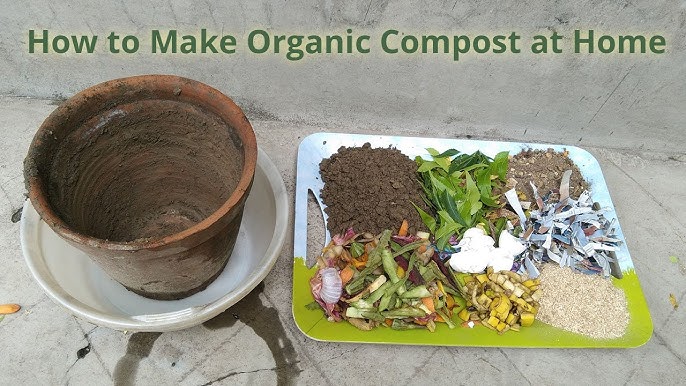
Use green materials like vegetable scraps and coffee grounds. Add brown materials like dry leaves and paper.
Layering greens and browns helps balance nitrogen and carbon. This balance is key for healthy compost.
- Start with a layer of browns to allow air flow
- Add a layer of greens on top
- Alternate layers about 3-4 inches thick
- Repeat layers until pile is the right size
Maintaining Moisture Levels
Keep the compost moist but not wet. It should feel like a damp sponge.
If the pile is too dry, add water or green materials. If it is too wet, add more browns to absorb moisture.
- Check moisture every few days
- Add water during dry periods
- Mix in dry leaves if pile gets soggy
Ensuring Proper Aeration
Air helps microbes break down the waste. Without air, compost can smell bad and slow down.
Turn your compost pile every week or two. This adds air and mixes materials well.
- Use a garden fork to turn the pile
- Turn compost deeper inside to the outside
- Make sure the pile is loose, not packed
Managing The Compost Process
Making compost from kitchen waste needs careful care. Managing the compost process helps break down waste fast and safely.
You must keep the pile healthy by turning it, checking the heat, and fixing problems quickly.
Turning The Pile Regularly
Turning the compost pile mixes the materials. It adds air, which helps the waste break down. You should turn the pile every few days or once a week.
- Use a garden fork or shovel to turn the pile.
- Move the outside parts to the center.
- Break up clumps to improve airflow.
- Wear gloves to protect your hands.
Monitoring Temperature
Temperature shows how well your compost is working. A healthy pile heats up between 130°F and 160°F (54°C to 71°C). Use a compost thermometer to check inside the pile.
| Temperature (°F) | What It Means |
|---|---|
| Below 90°F | Too cold, slow breakdown |
| 130°F - 160°F | Active composting |
| Above 160°F | Too hot, may kill helpful microbes |
Troubleshooting Common Issues
If your compost smells bad or is too dry, fix it fast. Problems can slow down composting or stop it.
- Bad smell:Add dry leaves or paper to absorb moisture.
- Too dry:Sprinkle water and mix well.
- Slow breakdown:Chop waste into smaller pieces and turn the pile.
- Flies or pests:Cover fresh waste with soil or finished compost.
Harvesting And Using Finished Compost
Finished compost is rich, dark, and crumbly. It adds nutrients to your garden soil.
Knowing when and how to use compost helps plants grow healthy and strong.
Identifying Mature Compost
Mature compost looks dark brown or black. It smells earthy and fresh.
You should not see large pieces of food or yard waste. The texture is loose and crumbly.
- Dark color
- Earthy smell
- No visible food scraps
- Crumbly texture
- Cool to touch
Applying Compost To Your Garden
Use compost to improve your garden soil. It helps plants get more nutrients.
- Spread a 2-3 inch layer of compost on garden beds.
- Mix compost into the top 6 inches of soil.
- Use compost as mulch around plants.
- Water the composted area lightly after applying.
Storing Compost For Future Use
Store compost in a dry, shady spot. Keep it covered to stay moist but not wet.
| Storage Tip | Reason |
|---|---|
| Use a covered bin | Prevents rain from making compost soggy |
| Keep compost shaded | Protects from sun drying it out |
| Turn compost occasionally | Keeps it aerated and fresh |
| Store off the ground | Stops pests and moisture buildup |
Tips For Successful Composting
Composting kitchen waste helps reduce trash and creates rich soil. It is easy if you follow some simple tips.
Good composting needs care to avoid problems like bad smells and pests. It also benefits from ways to speed up the process.
Avoiding Odors And Pests
Keep your compost pile balanced to stop bad smells and pests. Too much wet or green waste causes odors. Pests come if food scraps are left uncovered.
- Cover food scraps with dry leaves or shredded paper.
- Turn the compost regularly to add air.
- Do not add meat, dairy, or oily foods.
- Keep the compost moist but not wet.
- Use a closed bin or cover the pile with a lid.
Speeding Up Decomposition
Faster composting means you get rich soil sooner. You can help the process by breaking down waste and keeping the pile active.
- Chop kitchen scraps into small pieces.
- Mix green waste with dry brown materials.
- Turn the compost every week.
- Keep the compost moist, like a damp sponge.
- Add a small amount of garden soil to introduce microbes.
Seasonal Composting Advice
Composting changes with the seasons. You need to adjust care for summer heat or winter cold.
| Season | Tips |
| Spring | Start fresh piles, add lots of green waste, turn often. |
| Summer | Keep compost moist, cover to keep cool, turn to add air. |
| Fall | Add fallen leaves as brown material, keep pile balanced. |
| Winter | Insulate pile with straw, reduce turning, add kitchen scraps indoors. |

Credit: www.youtube.com
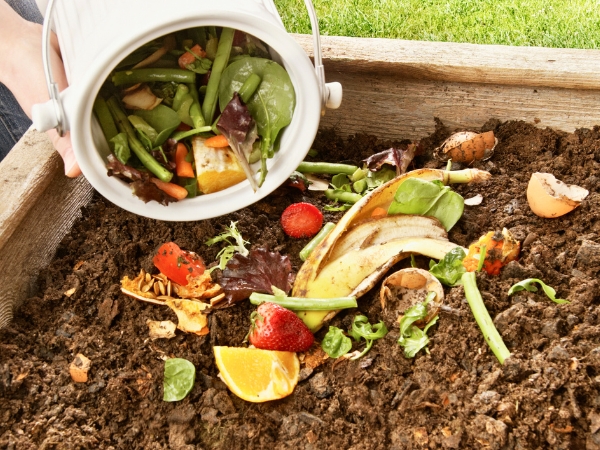
Credit: canadale.ca
Frequently Asked Questions
What Kitchen Wastes Are Best For Composting?
Vegetable peels, fruit scraps, coffee grounds, eggshells, and tea bags are ideal. Avoid meat, dairy, and oily foods to prevent pests and odors.
How Long Does Kitchen Waste Take To Compost?
Composting kitchen waste typically takes 2 to 6 months. Proper moisture, aeration, and temperature speed up the decomposition process.
Can I Compost Citrus And Onion Scraps?
Yes, but use them in moderation. Citrus and onion can slow decomposition due to their acidity and strong smell.
How Do I Maintain Moisture In A Compost Bin?
Keep the compost damp like a wrung-out sponge. Add water if dry and add dry materials if too wet.
Conclusion
Creating compost from kitchen waste is simple and rewarding. It reduces waste and enriches your garden soil. Start with fruit peels, vegetable scraps, and coffee grounds. Layer them with dried leaves or shredded paper. Turn the pile weekly for air.
In a few months, you'll have rich compost. Nature’s cycle at work. Remember, avoid meat, dairy, or oily foods. They attract pests. Composting helps our planet. A small step, big impact. Try it today and see the difference. Your garden will thank you.
Your waste finds a purpose. Happy composting!