Are you wondering what you can put in your kitchen compost bin? You’re not alone.
Knowing exactly what belongs in your compost can be confusing. Tossing the wrong items can slow down the process or cause unpleasant smells. But when you get it right, your compost bin becomes a powerful tool to reduce waste and create rich soil for your garden.
Keep reading, and you’ll discover simple, clear answers that make composting easy and effective for you.
Credit: www.hgtv.com
Kitchen Compost Basics
Composting in the kitchen helps reduce waste and create rich soil. It is easy to start with simple steps.
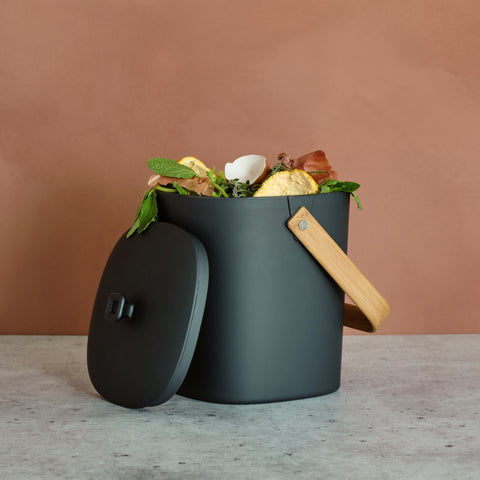
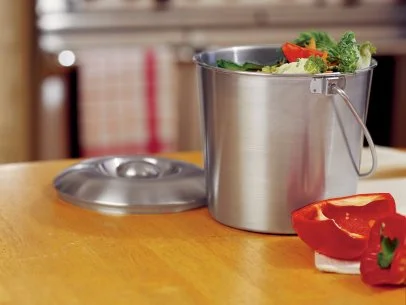
A small bin in your kitchen can collect food scraps for composting. This keeps waste out of landfills.
What Is Kitchen Composting
Kitchen composting means collecting food scraps and organic waste. These materials break down into compost.
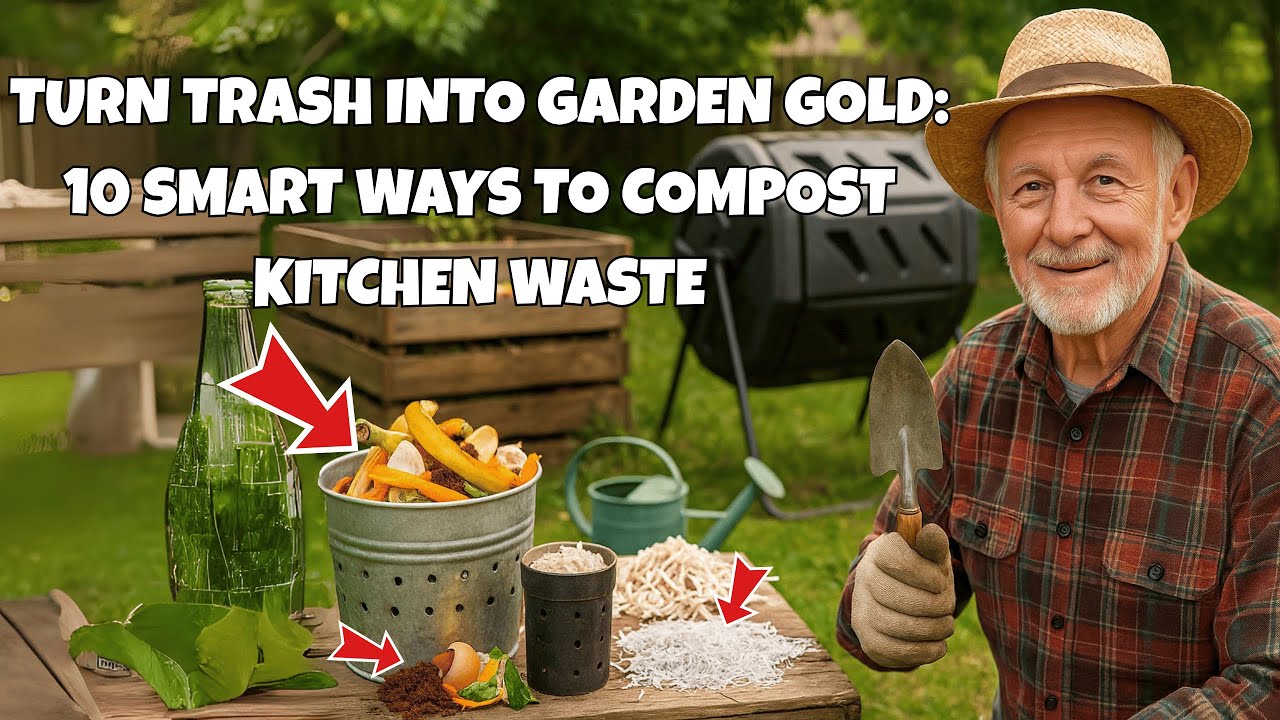
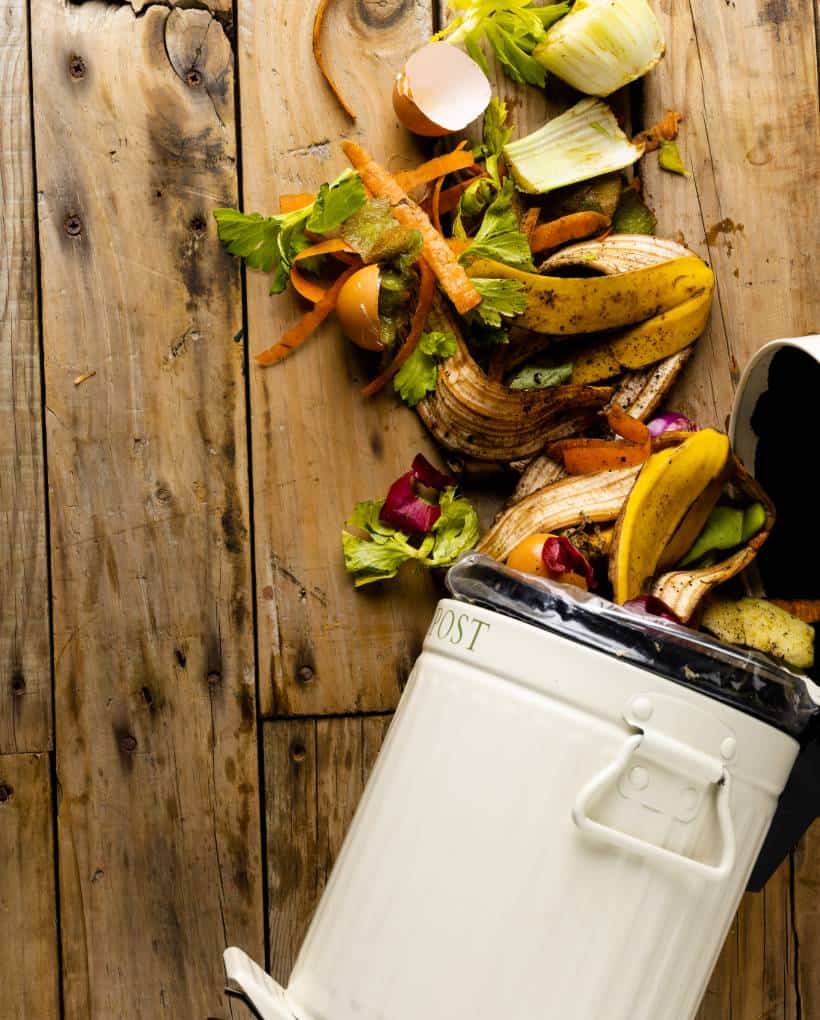
You can compost fruit peels, vegetable scraps, coffee grounds, and eggshells. Avoid meat and dairy products.
- Fruit and vegetable scraps
- Coffee grounds and filters
- Eggshells
- Tea bags (without plastic)
- Nut shells
- Stale bread and grains
Benefits Of Composting At Home
Composting reduces the amount of trash sent to landfills. This helps lower greenhouse gas emissions.
Home compost provides natural fertilizer. It improves soil health and helps plants grow strong.
- Reduces kitchen waste and trash
- Creates nutrient-rich soil for gardens
- Supports healthy plant growth
- Helps protect the environment
- Saves money on fertilizers

Credit: www.bonappetit.com
Compostable Kitchen Waste
Composting kitchen waste helps reduce trash and enrich soil. You can recycle many food scraps at home.
Knowing what to put in your compost bin keeps it healthy and efficient. Let’s look at common compostable items.
Fruit And Vegetable Scraps
Fruit and vegetable scraps are some of the best materials for composting. You can add peels, cores, and leftover pieces.
- Apple cores and peels
- Banana skins
- Carrot tops and peels
- Potato skins
- Leafy greens and vegetable ends
Coffee Grounds And Tea Bags
Coffee grounds add nitrogen to your compost. You can compost tea bags if they are made from natural fibers.
Remove staples from tea bags before composting. Avoid bags made of synthetic materials.
Eggshells And Nut Shells
Eggshells add calcium to the compost. Crush them to speed up decomposition. Most nut shells also break down well.
| Type | Compostable? |
| Eggshells | Yes, crushed |
| Walnut shells | Yes, but slow |
| Peanut shells | Yes |
| Coconut shells | No, too hard |
Bread And Grains
Old bread and grains can go into your compost bin. Avoid moldy bread to prevent unwanted smells and pests.
Tips for composting bread and grains:
- Break bread into small pieces
- Mix grains with dry leaves or paper
- Use stale or leftover bread only
Avoid These Items
Keeping your kitchen compost bin free of certain items helps it work better. Some materials can cause bad smells or attract pests.
Learn what to avoid putting in your compost bin to keep it healthy and clean.
Meat And Dairy Products
Meat and dairy can spoil and create strong odors. They also attract animals and bugs to your compost bin.
Oils And Fats
Oils and fats do not break down easily in compost. They can slow the composting process and cause smells.
Processed Foods
Processed foods often contain preservatives. These chemicals stop natural decomposition and harm compost quality.
- Chips and snack wrappers
- Packaged baked goods
- Candies and sweets
- Ready-to-eat meals
Pet Waste
Pet waste can carry harmful germs. Composting it in your kitchen bin is unsafe for your garden and health.
Best Practices For Composting
Composting in your kitchen helps reduce waste and creates rich soil for plants. Knowing what to put in your bin makes composting easier and more effective.
Following simple rules keeps your compost healthy and prevents problems like bad smells or pests. Here are some key tips to help you compost well.
Balancing Greens And Browns
Compost needs a mix of green and brown materials to break down properly. Greens provide nitrogen, and browns supply carbon.
Too many greens can make your compost wet and smelly. Too many browns slow down the process.
- Green items: fruit scraps, vegetable peels, coffee grounds, grass clippings
- Brown items: dry leaves, cardboard, paper towels, straw
- Try to add two parts browns for every one part green
Proper Bin Maintenance
Keep your compost bin clean and dry to help materials break down faster. Stir or turn the compost regularly to add air.
Check the moisture level often. Compost should feel like a damp sponge, not soaking wet or dry.
- Mix the contents every few days
- Drain excess liquid if the bin is too wet
- Store the bin in a shady spot to avoid overheating
Controlling Odors And Pests
Good compost does not smell bad. If you notice strong odors, it may mean the bin is too wet or has too many greens.
Keep pests away by covering fresh scraps with brown materials. Close the bin lid tightly and avoid adding meat or dairy.
- Use a bin with a secure lid
- Cover food scraps with dry leaves or shredded paper
- Avoid adding oily, salty, or cooked foods
- Turn compost often to reduce smells
Choosing The Right Compost Bin
Choosing a good kitchen compost bin helps you recycle food scraps easily. It keeps your kitchen clean and free from bad smells.
There are many types of compost bins. Knowing their features helps you pick the best one for your home.
Types Of Kitchen Compost Bins
Kitchen compost bins come in different styles to fit your needs. Some bins have lids, others have filters to stop smells.
- Countertop bins:Small and easy to use on your kitchen counter.
- Cylindrical bins:Tall and narrow, save space in small kitchens.
- Electric composters:Speed up composting with heat and mixing.
- Compost pails:Simple buckets with tight lids for easy carrying.
Features To Look For
Look for features that make composting easy and clean. A good bin should fit your kitchen and compost needs.
- Size:Choose a size that fits your space and compost amount.
- Lid:A tight lid keeps smells and bugs away.
- Filter:Some bins have charcoal filters to reduce odors.
- Material:Durable materials like stainless steel or plastic work well.
- Ease of cleaning:Smooth surfaces and removable parts help clean the bin easily.
- Design:Pick a design that matches your kitchen style.
Using Your Finished Compost
Finished compost is full of nutrients that help plants grow strong. It is a natural way to feed your garden and indoor plants.
Using compost reduces the need for chemical fertilizers. It also improves soil health and helps retain water.
Enriching Garden Soil
Mix compost into your garden soil to add nutrients and organic matter. It makes the soil loose and easy for roots to grow.
Compost helps soil hold moisture and improves drainage. It also supports helpful microbes that keep plants healthy.
- Spread 2-3 inches of compost on garden beds
- Mix compost into the top 6-8 inches of soil
- Use compost before planting or during the growing season
Indoor Plant Benefits
Compost adds nutrients to potting soil for indoor plants. It helps plants grow greener leaves and stronger roots.
Using compost in pots improves soil texture and water retention. It also reduces the need for chemical plant food.
- Mix compost with potting soil before planting
- Add a thin layer of compost on top of the soil
- Refresh indoor plant soil with compost every few months
Tips For Applying Compost
Use compost carefully to avoid overfeeding plants. Too much compost can cause problems for some plants.
Apply compost in spring or fall for best results. Water the soil after adding compost to help nutrients reach roots.
- Use compost as mulch to keep soil moist
- Do not pile compost around plant stems or trunks
- Combine compost with other soil amendments if needed
- Store compost in a dry place to keep it fresh

Credit: www.reddit.com
Frequently Asked Questions
What Kitchen Scraps Can I Safely Compost?
You can compost fruit and vegetable peels, coffee grounds, eggshells, and tea bags. Avoid meat, dairy, and oily foods to prevent odors and pests.
Can I Compost Bread And Grains In My Kitchen Bin?
Yes, small amounts of bread and grains can be composted. Avoid large quantities to prevent attracting pests and creating mold issues.
Are Citrus Peels Good For Kitchen Compost Bins?
Citrus peels can be composted but in moderation. Too many can slow decomposition due to their acidity and oils.
How Do I Prevent Odors In My Kitchen Compost Bin?
To prevent odors, balance green (wet) and brown (dry) materials. Keep the bin dry and add baking soda or charcoal if needed.
Conclusion
Your kitchen compost bin can be a green powerhouse. Toss in fruit peels, vegetable scraps, and coffee grounds. Avoid meat, dairy, and oily foods. Eggshells are great too. A balanced mix helps compost break down. Keep it moist but not soggy.
Stirring speeds up the process. Your garden will thank you with rich soil. Composting reduces waste and benefits the environment. It’s a simple step toward sustainability. Start small and watch your compost grow. It’s easy and rewarding. Happy composting!