Are your kitchen drawers making annoying squeaky noises every time you open or close them? You're not alone.
Many people face this common yet frustrating problem. But here's the good news: you can easily fix it yourself with just a little bit of know-how. Learning how to lubricate kitchen drawer slides can transform your cooking space, making it a more pleasant and efficient environment.
Imagine effortlessly gliding open a drawer to grab what you need, with no more irritating sounds or sticking. This guide will walk you through simple steps to achieve that smooth, noise-free experience. Ready to make your kitchen drawers glide like new? Let's dive in and discover the secrets to a quieter, more functional kitchen.
Types Of Kitchen Drawer Slides
Kitchen drawer slides help drawers open and close smoothly. Different types of slides have unique parts and uses.
Knowing the types of drawer slides helps you lubricate them properly. This keeps your drawers working well for a long time.
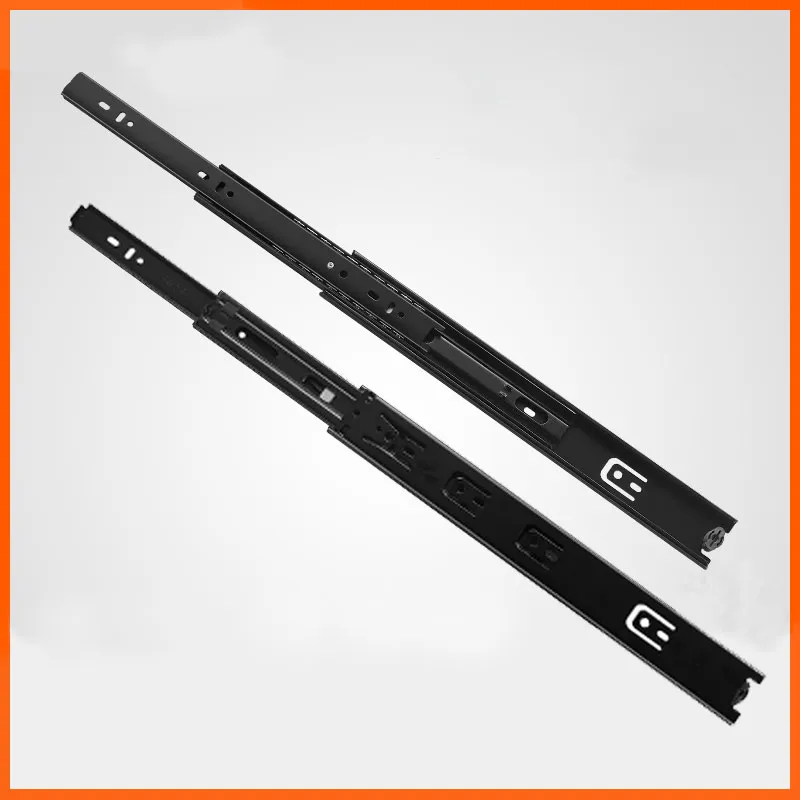
Ball Bearing Slides
Ball bearing slides use small metal balls to help the drawer move. These balls roll between two metal rails.
They offer smooth and quiet operation. Lubricate the ball bearings with light oil or silicone spray to reduce friction.
Roller Slides
Roller slides use small plastic or nylon wheels. These wheels roll on a track to move the drawer.
They are simple and affordable but may be noisier. Use a dry lubricant or silicone spray on the rollers for best results.
Undermount Slides
Undermount slides are hidden under the drawer. They use ball bearings or rollers inside a metal track.
These slides give a clean look and smooth motion. Apply silicone-based lubricant inside the track to keep them running well.
Credit: www.huisohardware.com
Signs Drawer Slides Need Lubrication
Kitchen drawers often have metal slides that help them open and close smoothly. Over time, these slides can become dry and cause problems.
Lubricating drawer slides can fix common issues and make your drawers work like new again. Watch for these signs that your slides need lubrication.
Squeaking Noises
Squeaking sounds when you open or close a drawer usually mean the slides are dry. Lack of lubrication causes metal parts to rub loudly.
These noises can be annoying and show that the slides need oil or grease to reduce friction.
Stiff Movement
If your drawer moves with difficulty or feels stiff, the slides may be dirty or dry. Lubricant helps parts slide smoothly.
Without lubrication, the metal parts can catch or resist movement, making the drawer hard to open or close.
Drawer Sticking
When a drawer sticks or gets stuck halfway, the slides might need lubrication. Dry slides cause the drawer to catch on the frame.
Lubricating helps the drawer move past rough spots and prevents it from sticking during use.
Tools And Lubricants Needed
Lubricating kitchen drawer slides keeps them working smoothly. Using the right tools and lubricants makes the job easier.
This guide will help you pick the best lubricant and gather the essential tools for the task.
Choosing The Right Lubricant
Pick a lubricant that works well on metal and does not attract dirt. Avoid thick greases as they can gum up the slides.
Lubricants that dry quickly or stay clean help keep your drawer slides smooth for a long time.
- Silicone spray: Dries fast and resists dirt.
- White lithium grease: Good for metal-on-metal parts.
- Graphite powder: Dry, does not attract dust.
- Avoid oil-based lubricants that drip or collect dust.
Essential Tools For The Job
Having the right tools helps you clean and lubricate the drawer slides easily. Gather everything before starting.
- Screwdriver: To remove or loosen drawer parts.
- Cleaning cloth: To wipe off old grease and dirt.
- Brush or old toothbrush: For scrubbing hard-to-reach areas.
- Protective gloves: To keep your hands clean.
- Lubricant applicator: A straw or nozzle helps apply lubricant precisely.

Credit: www.amazon.com.au
Step-by-step Lubrication Process
Kitchen drawer slides can become stiff and noisy over time. Lubricating them helps drawers open and close smoothly. This guide shows you how to do it correctly.
Follow each step carefully to keep your drawers working well. Use the right tools and lubricant for best results.
Removing The Drawer
Start by pulling the drawer out gently until it stops. Look for any clips or levers that lock the drawer in place. Press or lift these to release the drawer completely.
- Pull the drawer out slowly.
- Locate the locking clips or levers on the slides.
- Press or lift the clips to unlock.
- Carefully pull the drawer out of the cabinet.
Cleaning The Slides
Remove dust and old lubricant from the slides. Use a soft cloth and mild cleaner to wipe them down. Dry the slides completely before applying new lubricant.
| Cleaning Tool | Purpose |
|---|---|
| Soft cloth | Wipe off dust and dirt |
| Mild cleaner | Remove old grease and grime |
| Dry cloth | Ensure slides are dry before lubrication |
Applying Lubricant
Choose a lubricant made for metal slides, like silicone spray or white lithium grease. Apply it evenly along the tracks and moving parts. Avoid overuse to prevent buildup.
- Spray or apply lubricant along the entire slide length.
- Focus on joints and moving parts.
- Wipe off any excess lubricant with a clean cloth.
- Do not use oil-based lubricants that attract dust.
Reinstalling The Drawer
Align the drawer slides with the cabinet tracks. Push the drawer in slowly until it clicks or locks back into place. Test the drawer movement to check for smooth operation.
- Line up the drawer slides with cabinet tracks.
- Insert the drawer carefully into the tracks.
- Push the drawer fully until it locks.
- Open and close the drawer to test smoothness.
Maintenance Tips For Long-lasting Slides
Kitchen drawer slides help your drawers open and close smoothly. Keeping them well-maintained extends their life. Simple care steps can avoid damage and noise.
Follow these tips to keep your drawer slides working well for years. Regular attention prevents problems and saves repair costs.
Regular Cleaning Routine
Clean the drawer slides often to remove dust and dirt. This stops buildup that slows down the slides. Use a soft cloth or a small brush.
- Remove the drawer carefully from the cabinet.
- Wipe the slides with a dry cloth to remove dust.
- Use a mild cleaner on a cloth if there is sticky residue.
- Dry the slides fully before putting the drawer back.
Avoiding Overloading Drawers
Do not put too much weight in your drawers. Overloading stresses the slides and can cause bending or breaking. Follow these weight limits:
| Slide Type | Maximum Load (lbs) |
| Light Duty | 50 |
| Medium Duty | 75 |
| Heavy Duty | 100+ |
Keep heavy items in lower drawers or cabinets to reduce slide wear. Organize items to spread weight evenly.
When To Replace Slides
Check your drawer slides for damage or wear regularly. Replace them if you notice these signs:
- Drawers stick or do not open smoothly.
- Visible dents, bends, or broken parts on the slides.
- Loose slides that wobble or fall off.
- Unusual noises like grinding or squeaking after cleaning and lubricating.

Credit: www.amazon.com.au
Frequently Asked Questions
How Often Should I Lubricate Kitchen Drawer Slides?
Lubricate kitchen drawer slides every six months to maintain smooth operation. Frequent use may require more regular lubrication. This prevents sticking and reduces wear on the slides.
What Type Of Lubricant Is Best For Drawer Slides?
Use a silicone-based or lithium grease lubricant for kitchen drawer slides. These lubricants resist moisture and last longer. Avoid oil-based products that attract dust and dirt.
Can I Lubricate Drawer Slides Without Removing Drawers?
Yes, you can lubricate drawer slides without removing drawers. Fully extend the drawer and apply lubricant directly to the slides. Wipe off excess for clean, smooth movement.
How Do I Know If Drawer Slides Need Lubrication?
If your kitchen drawers stick, squeak, or feel hard to open, they likely need lubrication. Regular inspection helps catch these signs early and prevents damage.
Conclusion
Properly lubricating kitchen drawer slides keeps them smooth and quiet. It also helps the drawers last longer without sticking or squeaking. Regular care saves you from costly repairs or replacements. A little effort goes a long way in maintaining your kitchen's function.
Try these simple steps to keep your drawers working well every day. Clean, apply lubricant, and test the slides often. Your kitchen will feel more organized and easier to use. Small actions make a big difference in home comfort.