Are you dreaming of a new kitchen but don’t know where to start? Imagine having a clear, detailed plan that guides you from idea to reality.
Learning how to draw a kitchen plan might sound intimidating, but it can be much simpler than you think. Whether you want to maximize space, boost functionality, or create a stylish haven, a well-thought-out kitchen plan is your first step. In this guide, you’ll learn easy-to-follow steps to draw a kitchen plan that meets your needs and reflects your personal style.
Get ready to transform your ideas into a clear vision and bring your dream kitchen to life. Let’s dive in and discover how straightforward and rewarding this process can be!
Credit: www.staxtradecentres.co.uk
Gather Essential Tools
Drawing a kitchen plan needs the right tools. These tools help you create an accurate and clear design.
Start by collecting items that let you measure, sketch, and design your kitchen layout.
Measuring Tape And Scale
Measuring tape lets you record exact dimensions of your kitchen space. Use a scale ruler to convert measurements to your drawing size.
Both tools ensure your plan fits the real kitchen layout and furniture.
Graph Paper And Pencils
Graph paper helps keep your drawing neat and to scale. Pencils allow easy corrections as you draft your plan.
- Choose graph paper with square sizes that match your scale
- Use different pencil types for sketching and shading
- Have an eraser handy for quick fixes
Design Software Options
Design software offers digital tools to create kitchen plans. Some popular software lets you drag and drop elements easily.
| Software | Key Features | Platform |
| SketchUp | 3D modeling, easy interface | Windows, Mac |
| Sweet Home 3D | Free, drag and drop, 3D view | Windows, Mac, Linux |
| RoomSketcher | Floor plans, furniture library | Web-based |
Assess Your Kitchen Space
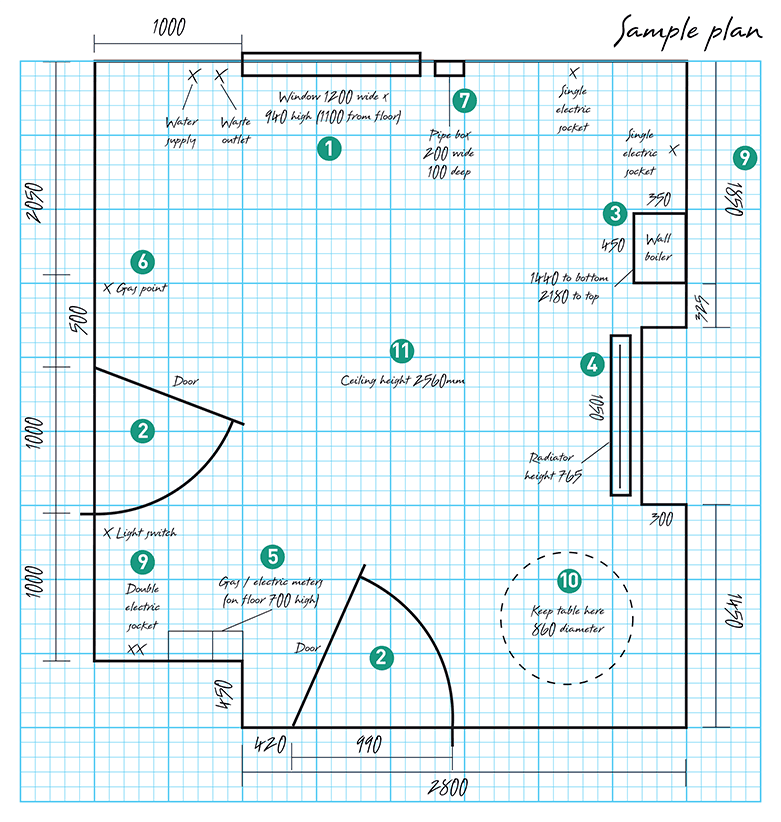
Drawing a kitchen plan starts with a clear look at your space. Understanding your kitchen’s layout helps you design a functional area.
Take time to study the room carefully. This makes sure your plan fits perfectly and works well.
Measure Dimensions Accurately
Use a tape measure to get exact room sizes. Measure walls, floor, and ceiling heights. Write down every number clearly.
- Measure the length of each wall from corner to corner.
- Check the height from floor to ceiling.
- Note the width of doorways and hallways.
- Measure any built-in shelves or cabinets.
Identify Doors And Windows
Mark where doors and windows sit on your plan. These affect where you can place appliances and cabinets.
| Feature | Location | Size (inches) |
| Main Door | Left Wall | 36 x 80 |
| Back Door | Right Wall | 32 x 80 |
| Window 1 | Front Wall | 48 x 36 |
| Window 2 | Back Wall | 36 x 36 |
Note Existing Utilities
Identify where plumbing, gas, and electrical outlets are. This helps plan appliance placement without extra work.
- Locate water supply lines for sinks and dishwashers.
- Mark gas lines for stoves or ovens.
- Note electrical outlets and light switches.
- Check for ventilation ducts or exhaust fans.
Choose Your Kitchen Layout
Choosing the right kitchen layout helps you use space well. It also makes cooking easier and more fun.
Look at your kitchen size and shape. Think about how you want to move and work in your kitchen.
Single Wall Design
The single wall design places all kitchen elements on one wall. It is simple and good for small spaces.
L-shaped Layout
The L-shaped layout uses two walls that meet at a corner. It gives more counter space and fits many kitchens.
U-shaped Setup
The U-shaped setup uses three walls or sections. It offers a lot of storage and work areas for cooking.
- Plenty of room for appliances
- Easy to reach everything
- Works well for bigger kitchens
Island And Peninsula Options
Islands and peninsulas add extra workspace and seating. They can separate cooking and eating zones.
| Type | Description | Best For |
| Island | Free-standing counter in the middle | Large kitchens with open floor plans |
| Peninsula | Connected counter extending from a wall | Medium kitchens needing more space |
Plan Key Kitchen Zones
Drawing a kitchen plan requires organizing spaces for different tasks. Each zone should fit its function well.
Dividing your kitchen into zones helps improve workflow and makes cooking easier.
Cooking Area
The cooking area is where you prepare hot meals. It usually includes the stove, oven, and microwave.
Place this zone away from heavy traffic to keep it safe and efficient.
- Stove or cooktop
- Oven
- Microwave
- Range hood or vent
Cleaning Zone
The cleaning zone holds the sink, dishwasher, and trash bins. It is used to wash dishes and clean up.
Keep this area close to the cooking zone for easy cleanup while cooking.
- Kitchen sink
- Dishwasher
- Trash and recycling bins
- Drying rack or space
Storage Spaces
Storage spaces store food, dishes, and kitchen tools. This zone includes cabinets, pantry, and refrigerator.
Organize storage to keep items easy to find and reach.
- Refrigerator and freezer
- Pantry shelves
- Upper and lower cabinets
- Drawers for utensils and tools
Food Preparation Spot
This spot is for chopping, mixing, and assembling meals. It needs counter space and good lighting.
Place the prep spot between the storage and cooking zones for smooth workflow.
- Clear countertop space
- Cutting boards
- Small appliances like mixers
- Easy access to utensils
Incorporate The Work Triangle
The work triangle is a smart way to design your kitchen. It links the sink, stove, and refrigerator.
Good placement of these three spots makes cooking easier and faster. It reduces walking and keeps things close.
Positioning The Sink
The sink is the center of cleaning and prep work. Place it near a window if possible for natural light.
Keep it between the stove and refrigerator to make the work triangle balanced. This helps with smooth movement.
Locating The Stove
Put the stove close to the sink for easy transfer of pots and pans. Avoid placing it near a door to prevent drafts.
- Keep enough counter space on each side of the stove.
- Place the stove away from heavy traffic areas.
- Make sure there is good ventilation above the stove.
Placing The Refrigerator
The refrigerator should be easy to reach from both the sink and stove. This helps with quick access to ingredients.
| Work Station | Ideal Distance from Refrigerator |
| Sink | 4 to 9 feet |
| Stove | 4 to 9 feet |
Add Cabinets And Appliances
Drawing a kitchen plan means placing cabinets and appliances carefully. This helps use space well and keeps the kitchen functional.
This guide covers how to select cabinets, place appliances, and maximize storage in your kitchen plan.
Selecting Cabinet Types
Choose cabinets by style and function. Base cabinets hold heavy items. Wall cabinets store dishes and glassware. Tall cabinets are good for pantry space.
- Base cabinets: support countertops and appliances
- Wall cabinets: mounted above counters for easy reach
- Tall cabinets: use vertical space for storage
- Corner cabinets: use awkward corners with special shelves
- Open shelving: display items and keep essentials handy
Appliance Placement Tips
Place appliances where they fit best and allow smooth workflow. Keep the fridge near the entrance for quick access. The stove should have counter space on both sides. The sink needs space for washing and drying.
| Appliance | Ideal Location | Reason |
| Refrigerator | Near kitchen entrance | Easy access to food items |
| Stove | Central counter space | Room for prep and cooking |
| Sink | Between stove and fridge | Efficient cleaning area |
| Dishwasher | Next to sink | Easy loading and unloading |
Maximizing Storage
Use smart solutions to increase storage in your kitchen plan. Add pull-out shelves and drawers. Use the space above cabinets for less-used items. Add hooks or racks inside cabinet doors.
- Pull-out shelves for pots and pans
- Vertical dividers for baking sheets
- Lazy Susans for corner cabinets
- Hooks for mugs and utensils inside doors
- Use ceiling space for hanging racks
Include Lighting And Ventilation
Drawing a kitchen plan means thinking about light and air. Good lighting helps you cook safely and comfortably.
Proper ventilation keeps the kitchen fresh and removes cooking smells and smoke. Both are key for a pleasant kitchen.
Natural Light Sources
Windows and skylights bring natural light into the kitchen. They make the space feel open and bright.
Place windows near work areas like the sink or stove. This gives light where you need it most.
- Use large windows to let in more daylight
- Consider skylights for extra light from above
- Keep window coverings light and easy to open
Task And Ambient Lighting
Task lighting shines directly on work areas like counters and sinks. It helps you see clearly while cooking.
Ambient lighting lights up the whole kitchen. It creates a warm and inviting space.
- Install under-cabinet lights for countertop tasks
- Use ceiling lights to spread soft light evenly
- Add pendant lights over islands or dining areas
Ventilation Solutions
Good ventilation removes smoke, steam, and odors from the kitchen. It keeps the air clean and healthy.
Use exhaust fans or range hoods above the stove. Open windows to let fresh air in.
- Choose a range hood with enough power for your stove size
- Place vents near cooking areas for fast air removal
- Consider a window or wall fan for extra airflow
Review And Adjust Your Plan
After drawing your kitchen plan, it is important to review it carefully. This helps you find mistakes and improve the layout.
Making adjustments early saves time and money later. Check the details to ensure the kitchen works well.
Check Measurements
Measure all walls, doors, and windows again. Make sure the sizes in your plan match the real space.
Check the sizes of appliances and furniture. They should fit well without crowding the room.
- Confirm wall lengths and angles
- Measure door and window openings
- Verify appliance dimensions
- Allow space for cabinets and counters
Ensure Comfortable Flow
Think about how you will move in the kitchen. There should be clear paths between work areas.
Make sure the fridge, sink, and stove form a good work triangle. This makes cooking easier and faster.
- Keep walkways at least 36 inches wide
- Place main appliances close to each other
- Avoid blocking doors or windows
- Leave space for opening doors and drawers
Seek Feedback
Show your plan to family or friends. They may notice problems you missed.
Ask for opinions about the layout and comfort. Use their ideas to improve your plan.
- Share your plan with people who use the kitchen
- Invite suggestions on space and design
- Consider advice from a kitchen expert
- Make changes based on feedback
Finalize And Present Your Drawing
Finalizing your kitchen plan drawing is important before sharing it. Clear and neat plans help others understand your design. Presentation makes your ideas look professional and ready to build.
This guide covers how to create a clean draft, label key elements, and prepare your drawing for implementation.
Create A Clean Draft
Start by redrawing your kitchen plan with clean, precise lines. Use a ruler or digital tools to keep measurements accurate. Erase any unnecessary marks to avoid confusion.
- Use consistent line weights for walls, appliances, and furniture
- Keep proportions correct for better spatial understanding
- Include all dimensions and measurements clearly
- Make sure text and symbols are easy to read
Label Key Elements
Labeling helps identify each part of your kitchen plan. Use clear and simple names for appliances, cabinets, and workspaces. This makes your drawing easy to follow.
| Element | Label Example | Notes |
| Sink | Kitchen Sink | Include faucet and drainage details |
| Stove | Cooking Range | Show burner layout and oven door |
| Refrigerator | Fridge | Mark door opening direction |
| Cabinets | Upper Cabinets | Specify height and shelf numbers |
Prepare For Implementation
Before you hand off your drawing, check it for completeness. Make sure all details are clear for builders or contractors. Organize your drawing files and notes carefully.
- Review all measurements and labels for accuracy
- Print or export your drawing in a common format like PDF
- Include a legend or key to explain symbols used
- Gather any additional notes or instructions
- Present your drawing in a clean folder or digital package

Credit: www.freepik.com
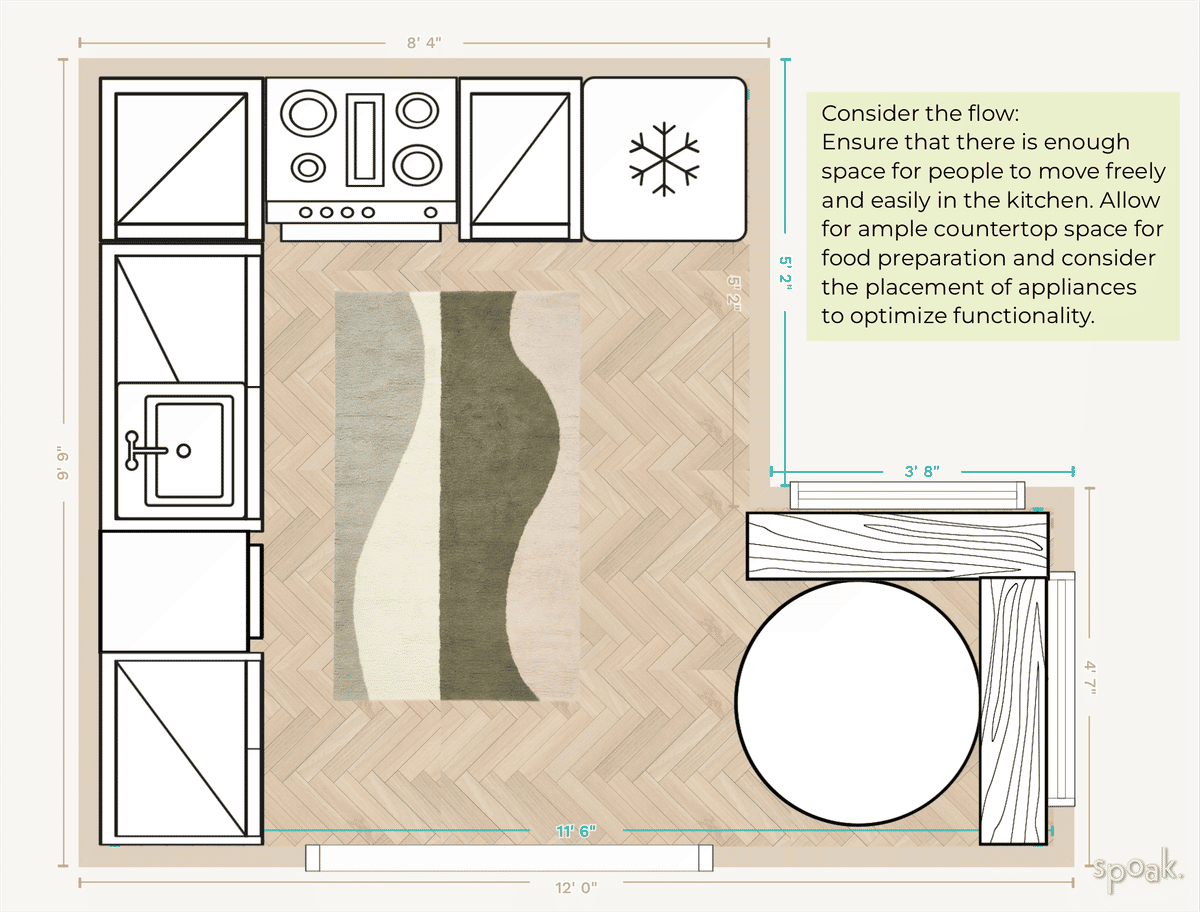
Credit: www.spoak.com
Frequently Asked Questions
What Tools Do I Need To Draw A Kitchen Plan?
You need graph paper, a pencil, ruler, and measuring tape. Software like AutoCAD or SketchUp helps create digital plans. These tools ensure accurate measurements and clear drawings for better kitchen layout planning.
How Do I Measure My Kitchen For The Plan?
Measure the length and width of walls, doors, and windows. Include ceiling height and appliance sizes. Accurate measurements ensure your kitchen plan fits perfectly and helps avoid costly mistakes during renovation.
What Is The Ideal Kitchen Work Triangle?
The work triangle connects the sink, stove, and refrigerator. It optimizes efficiency by minimizing walking distance. Aim for 12 to 26 feet total distance between these three points for a functional kitchen layout.
How Can I Optimize Storage In My Kitchen Plan?
Use vertical space with tall cabinets and shelves. Incorporate drawers, pull-outs, and corner units. Plan storage near prep and cooking areas to improve accessibility and maximize kitchen organization.
Conclusion
Drawing a kitchen plan helps organize your space well. Start with a clear idea of your needs. Measure your kitchen carefully and use simple tools. Plan the placement of appliances and storage smartly. Keep walking paths open and work zones efficient.
Review your plan to avoid mistakes and save time. A good kitchen plan makes cooking easier and more fun. Take your time and enjoy the process. Your kitchen will be both practical and beautiful.