Are you dreaming of a kitchen that’s both beautiful and functional? Designing the perfect kitchen layout doesn’t have to be a daunting task.
Imagine walking into a space where everything is within reach, and every corner is crafted to suit your needs. If you’re ready to transform your kitchen into the heart of your home, you’ve come to the right place. This guide will take you through the essential steps to draw a kitchen layout that maximizes space, enhances efficiency, and reflects your personal style.
With just a few strategic decisions, you can create a kitchen that not only meets your needs but also brings joy every time you step into it. So, grab your sketchpad and let’s get started on designing a kitchen that truly works for you!
Planning Your Kitchen Space
Designing a kitchen starts with careful planning. You need to think about space and how you will use it.
Good planning helps make the kitchen safe and easy to work in.
Measuring The Area
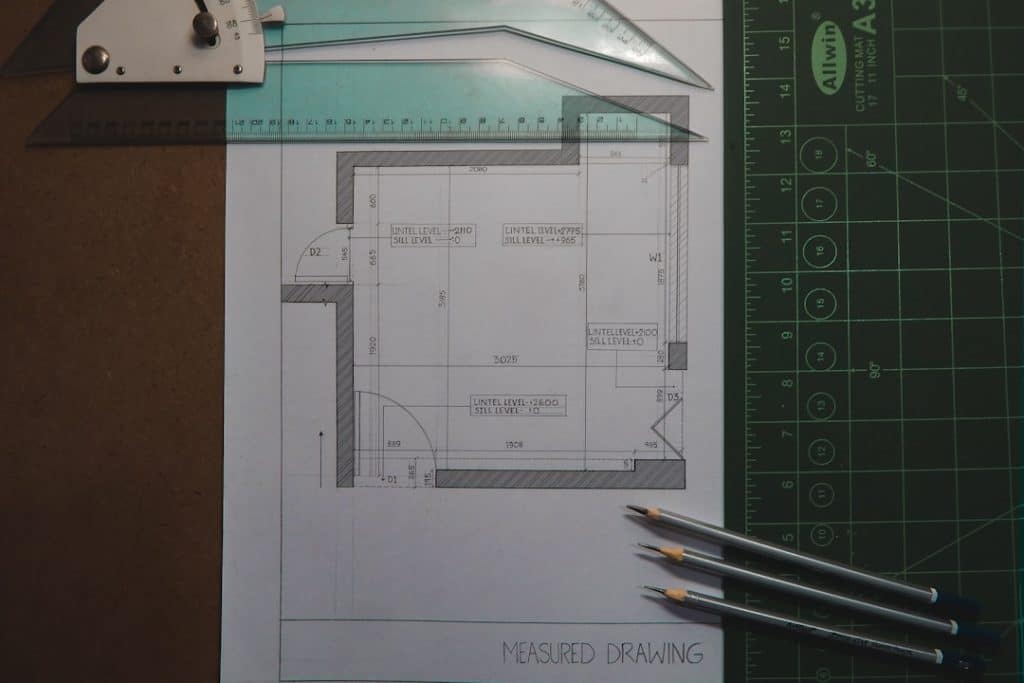
First, measure the length and width of your kitchen area. Note the location of doors and windows. This helps you see where to place cabinets and appliances.
| Item | Measurement | Notes |
| Length | _____ ft | Measure from wall to wall |
| Width | _____ ft | Measure from wall to wall |
| Doors | _____ ft | Mark position and swing direction |
| Windows | _____ ft | Mark position and size |
Identifying Key Zones
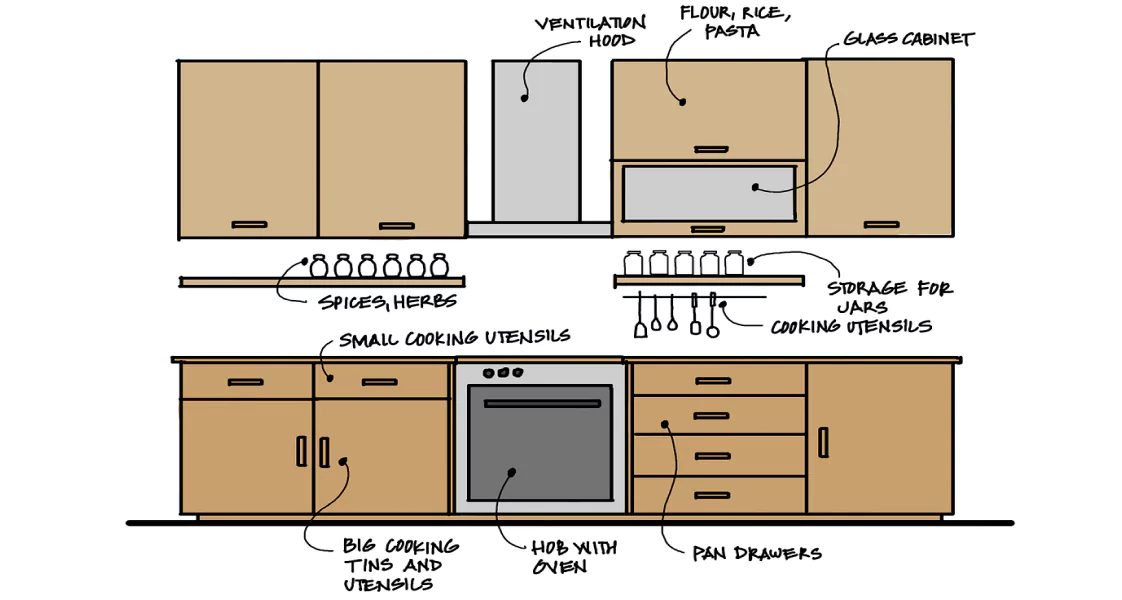
Your kitchen has main zones. These include the cooking, cleaning, and storage areas. Place them so you can work quickly and safely.
- Cooking zone: stove and oven area
- Cleaning zone: sink and dishwasher area
- Storage zone: fridge, pantry, and cabinets
Considering Traffic Flow
Plan paths where people walk in the kitchen. Avoid placing zones where they block each other. This keeps the kitchen safe and easy to use.
- Keep main walkways at least 3 feet wide.
- Place the fridge away from doorways.
- Avoid placing the sink and stove opposite each other in narrow spaces.
Credit: foyr.com
Choosing The Layout Style
Drawing a kitchen layout starts with picking the right style. Your choice affects space use and how you work.
Think about your kitchen size, how many people use it, and what suits your needs best.
Single Wall Layout
This layout has all kitchen elements along one wall. It saves space and fits small rooms well.
It works best for simple kitchens with little cooking and storage needs.
L-shaped Layout
The L-shaped design uses two walls that meet at a corner. It gives more counter space and storage.
This layout allows open space for dining or moving around easily.
U-shaped Layout
The U-shaped kitchen has cabinets on three walls. It offers plenty of workspace and storage.
This style works well in large kitchens and lets you keep cooking zones close.
Galley Layout
The galley layout has two parallel walls with a walkway in between. It is good for narrow spaces.
This design helps keep everything within reach and makes cooking fast.
Island Layout
The island layout adds a separate counter space in the middle of the kitchen. It provides extra storage and work area.
This style fits large kitchens and allows socializing while cooking.
Sketching The Basic Floor Plan
Drawing a kitchen layout starts with a simple floor plan. It shows the room shape and size. A clear plan helps place walls, doors, and fixtures correctly.
Use a pencil and ruler to sketch straight lines. Measure the kitchen space carefully before drawing. This plan is the base for adding details.
Drawing Walls And Windows
Begin by drawing the outer walls of the kitchen. Use thick lines to show these walls clearly. Next, add windows along the walls where natural light enters.
- Draw walls to scale using your measurements
- Mark window locations with rectangles on the walls
- Indicate window size and type if possible
- Leave space around windows for cabinets or counters
Marking Doors And Openings
Doors and openings connect the kitchen to other rooms. Show door swings with curved lines. This helps plan space for movement and furniture.
| Type | Symbol | Notes |
| Standard Door | Rectangle with arc | Shows door swing direction |
| Sliding Door | Two parallel lines | Space-saving option |
| Open Archway | Gap without door | Open passage |
Adding Fixed Features
Fixed features include sinks, stoves, and cabinets. Place these on your floor plan to see how they fit. This helps plan the kitchen workflow.
- Draw rectangles for counters and cabinets
- Mark sink location with a circle or square
- Show stove and fridge as labeled blocks
- Keep space for walking and working
Placing Kitchen Elements
Designing a kitchen layout means carefully placing all key elements. Good placement helps you move easily and work better.
We look at cabinets, appliances, and plumbing to create a smooth kitchen flow.
Positioning Cabinets And Countertops
Cabinets and countertops form the main storage and work areas. Place upper cabinets at a height easy to reach. Lower cabinets should allow enough legroom.
- Keep countertops close to cooking and sink areas.
- Use corner cabinets to save space.
- Leave enough space between cabinets and appliances.
- Install cabinets near the kitchen entrance for easy access.
Arranging Appliances
Arrange appliances to make cooking fast and safe. Group the stove, refrigerator, and microwave near each other but avoid crowding.
| Appliance | Recommended Placement |
| Refrigerator | Near kitchen entrance for easy grocery storage |
| Stove | Central spot with countertop space on both sides |
| Microwave | Above countertop or built-in at eye level |
| Dishwasher | Close to sink for loading convenience |
Planning For Sink And Plumbing
The sink needs good plumbing and space around it. Plan for easy water access and drainage. Keep the sink between the stove and refrigerator if possible.
- Leave space on one or both sides of the sink for drying dishes.
- Choose a spot with access to both hot and cold water lines.
- Ensure enough clearance under the sink for plumbing pipes.
- Install a garbage disposal if desired for waste management.
Incorporating The Work Triangle
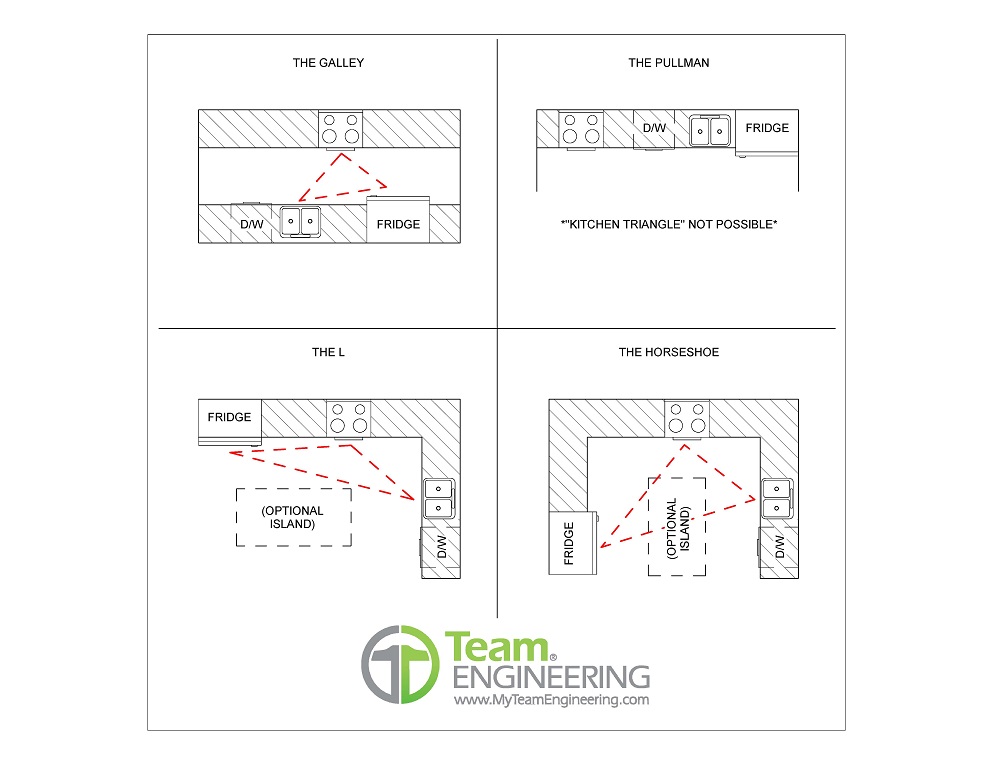
The work triangle is a classic kitchen design concept. It connects the stove, sink, and refrigerator. This layout helps make cooking easier and faster.
Knowing how to draw a kitchen layout using the work triangle can improve your kitchen’s flow. It reduces walking and keeps everything within reach.
Defining The Triangle Points
Each point of the work triangle is a key kitchen area. The stove is for cooking, the sink for cleaning, and the refrigerator for storage. Place these three points carefully to create a smooth workflow.
Optimizing Distance Between Points
Keep the distance between the triangle points balanced. Too close or too far can cause problems. The total distance should be between 12 and 26 feet. This range allows easy movement without crowding.
- Measure the distance from the stove to the sink.
- Measure from the sink to the refrigerator.
- Measure from the refrigerator back to the stove.
- Add all three distances to check total length.
Avoiding Common Mistakes
Some mistakes can hurt your kitchen’s function. Avoid placing points too close or in narrow walkways. Also, keep the triangle free of obstacles like cabinets or islands blocking movement.
| Common Mistake | Why to Avoid |
| Too small triangle | Feels cramped and hard to work |
| Too large triangle | Causes extra walking and fatigue |
| Obstacles in triangle | Blocks flow and slows cooking |
| Points in corners | Limits access and workspace |
Credit: myteamengineering.com
Adding Storage Solutions
Good kitchen storage helps keep your space clean and organized. It makes cooking easier and saves time.
Planning storage in your kitchen layout gives you more room for everything you need. Think about how you use your kitchen.
Cabinet Types And Placement
Choose cabinets that fit your kitchen size and style. Use a mix of base, wall, and tall cabinets for different needs.
Place cabinets where you use items most. Store pots near the stove and dishes near the sink for easy access.
- Base cabinets hold heavy pots and pans
- Wall cabinets store dishes and glasses
- Tall cabinets can hide brooms or food
- Corner cabinets use hard-to-reach spaces
Pantry Options
A pantry stores dry foods and snacks. It frees up cabinet space for other kitchen tools.
You can choose a walk-in pantry, a cabinet pantry, or a pull-out pantry to fit your kitchen size.
- Walk-in pantries offer lots of space
- Cabinet pantries fit in small kitchens
- Pull-out pantries use slim spaces well
Utilizing Vertical Space
Use the walls to add more storage. Vertical space is often unused but very helpful.
Install shelves, hooks, or racks to keep items off the counters and easy to reach.
- Wall shelves hold cookbooks and jars
- Hooks hang pots, pans, and utensils
- Magnetic strips keep knives safe and visible
- Overhead racks store large pots
Finalizing The Design Plan

Credit: www.youtube.com
Frequently Asked Questions
What Are The Basic Steps To Draw A Kitchen Layout?
Start by measuring your kitchen space accurately. Sketch walls, doors, and windows. Add major appliances and work zones. Finally, arrange cabinets and counters for flow and efficiency.
How To Choose The Best Kitchen Layout Design?
Consider your kitchen size and shape. Assess your cooking habits and storage needs. Choose layouts like L-shape, U-shape, or galley to maximize space and function.
What Tools Help In Drawing A Kitchen Layout?
Use graph paper, pencils, and rulers for manual sketches. Digital tools like SketchUp or RoomSketcher simplify precise, scalable kitchen designs.
Why Is The Kitchen Work Triangle Important?
The work triangle connects the sink, stove, and refrigerator. It minimizes movement and improves cooking efficiency by optimizing kitchen flow.
Conclusion
Drawing a kitchen layout takes some planning and care. Start with a clear idea of your space and needs. Keep the work triangle in mind for easy movement. Use simple shapes to show counters, appliances, and storage. Take your time to adjust and improve your design.
Practice makes it easier to create a good plan. A well-drawn layout helps build a kitchen that works well. Now, you can begin to draw your own kitchen layout with confidence.