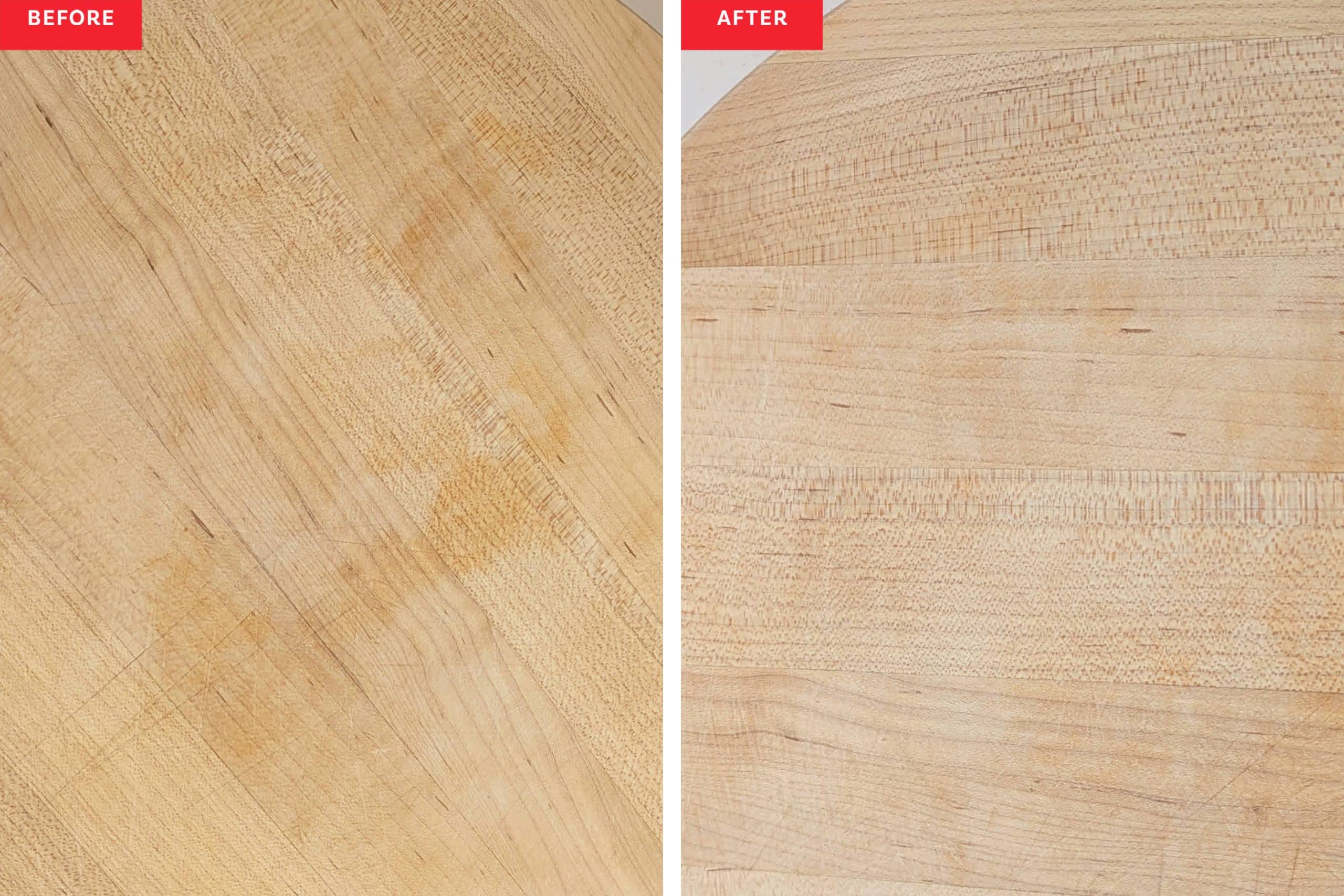
How to Deep Clean Wooden Cutting Board: Have you ever wondered how to keep your wooden cutting board in pristine condition? If you're like most people, you probably use your cutting board daily, making it a crucial part of your kitchen routine.
But over time, food particles, bacteria, and stains can build up, leaving your board looking less than fresh. The good news is, with a few simple steps, you can deep clean your wooden cutting board and restore it to its natural beauty.
Imagine the satisfaction of knowing your board is not only spotless but also safe for preparing food for your loved ones. Dive into this guide to discover how to achieve that clean, fresh feeling every time you step into your kitchen. Are you ready to transform your wooden cutting board into a kitchen staple you can be proud of? Let's get started!

Credit: www.aol.com
Choosing The Right Cleaning Tools
Cleaning a wooden cutting board needs the right tools. Good tools keep the wood safe and clean.
Picking the right brushes, sponges, and cleaners helps remove dirt without damage.
Soft Brushes And Sponges
Use soft brushes to scrub away food bits gently. Hard brushes can scratch the wood.
Sponges with a soft side clean well without hurting the board’s surface.
- Choose brushes with soft bristles
- Use non-abrasive sponges
- Avoid steel wool or rough scrubbers
Natural Cleaning Agents
Natural cleaners are safe for wood and remove stains well. They do not leave harmful residues.
Common natural agents include vinegar, lemon juice, and baking soda. These clean and deodorize.
- White vinegar kills bacteria and cleans
- Lemon juice removes stains and smells fresh
- Baking soda scrubs gently and absorbs odors
Avoiding Harsh Chemicals
Harsh chemicals can damage the wood and leave toxic residues. Avoid bleach and strong detergents.
These chemicals dry out the wood and cause cracks or warping. Stick to mild and natural options.
- Do not use bleach or ammonia
- Avoid strong chemical detergents
- Choose gentle and wood-safe cleaners
Preparing Your Cutting Board
Deep cleaning a wooden cutting board starts with good preparation. This step helps remove dirt and food bits.
Taking time to prepare keeps your board clean and safe for food use.
Removing Food Debris
First, clear any stuck food from the surface. Use a bench scraper or a spatula to lift bits gently.
Do not use metal tools that can scratch the wood. Scrape carefully to avoid damage.
- Use a plastic or wooden scraper
- Work in one direction to lift debris
- Remove crumbs from grooves and edges
Initial Rinse Techniques
After removing food bits, rinse the board with warm water. This washes away loose dirt and residue.
Avoid soaking the board in water. Instead, hold it under running water briefly to prevent warping.
- Use warm water, not hot
- Rinse both sides of the board
- Dry the board quickly with a clean towel
Deep Cleaning Methods
Wooden cutting boards need deep cleaning to remove stains and bacteria. Regular cleaning is not enough for tough grime.
Deep cleaning helps keep your board safe and fresh for food preparation. Use natural ingredients for effective results.
Salt And Lemon Scrub
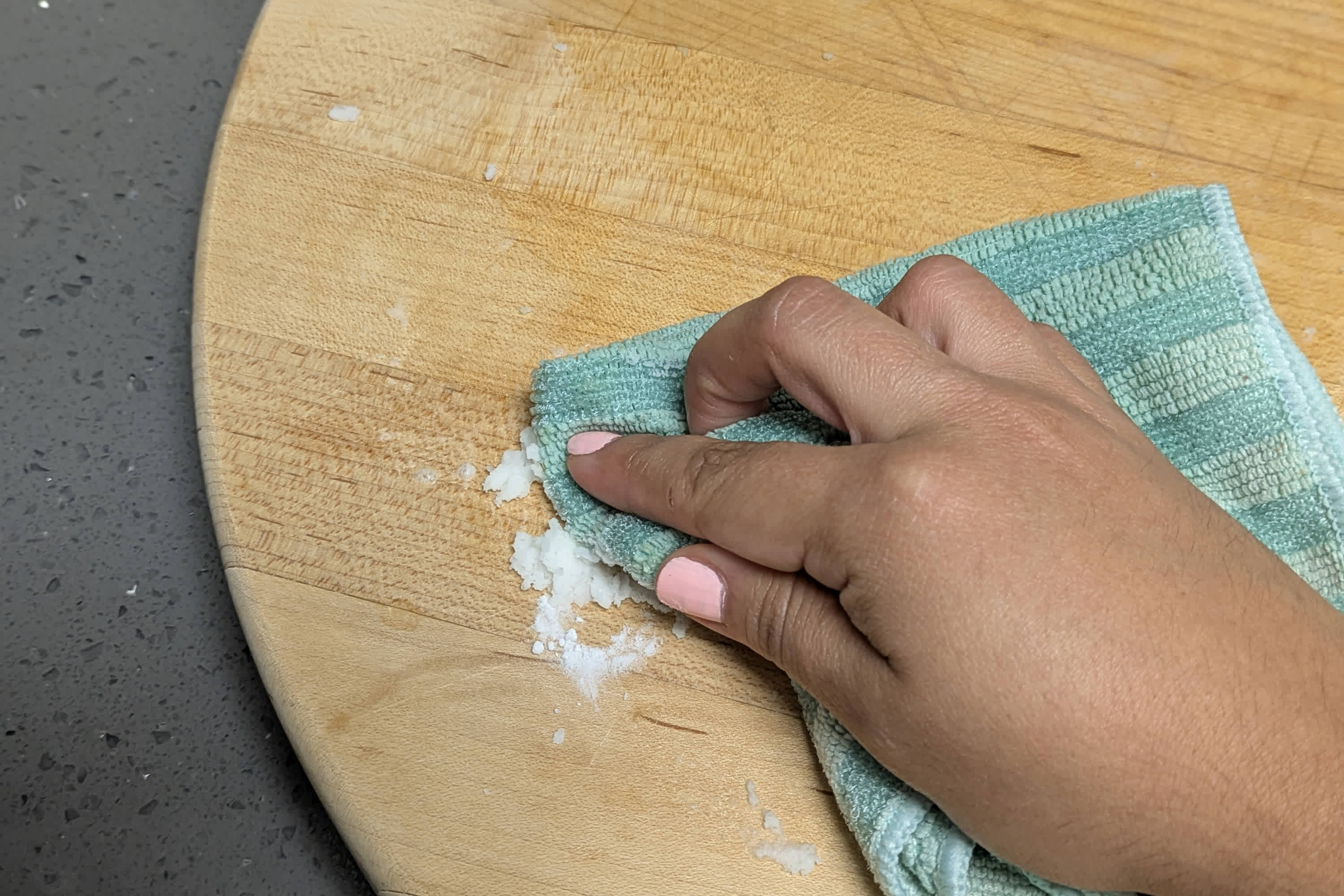
Sprinkle coarse salt over the wooden board surface. Cut a lemon in half and use it to scrub the salt into the wood.
The lemon juice helps break down stains, while salt acts as a gentle abrasive. Rinse with warm water after scrubbing.
- Use coarse salt for better scrubbing power
- Scrub all areas of the board well
- Rinse and dry thoroughly after cleaning
Baking Soda Paste
Mix baking soda with water to form a thick paste. Apply the paste to the cutting board and scrub with a sponge or brush.
Baking soda removes odors and light stains effectively. Let the paste sit for 5 to 10 minutes before rinsing.
- Create a paste with 3 parts baking soda to 1 part water
- Scrub in circular motions for best cleaning
- Rinse well and dry the board completely
Vinegar Soak
Pour white vinegar over the wooden board to cover the surface. Let it soak for a few minutes to kill bacteria.
Vinegar is a natural disinfectant that cleans and deodorizes. After soaking, rinse the board with water and dry it.
- Use plain white vinegar without dilution
- Allow at least 5 minutes of contact time
- Dry the board in a vertical position for airflow
Dealing With Stains And Odors
Wooden cutting boards can hold stains and odors from foods. Deep cleaning helps remove these issues and keeps the board fresh.
Using simple household items can clean stains and absorb smells. This keeps your wooden board safe for food use.
Using Hydrogen Peroxide
Hydrogen peroxide is a gentle cleaner that kills germs and removes stains. It works well on wooden boards without damage.
Pour a small amount on the board and spread it over the stained area. Let it sit for a few minutes, then wipe off with a clean cloth.
- Use 3% hydrogen peroxide for safety
- Do not soak the board in it
- Rinse with water after treatment
- Dry board completely before use
Activated Charcoal Treatment
Activated charcoal absorbs odors and impurities from wooden cutting boards. It is a natural way to freshen the surface.
Place a small bag of activated charcoal near the board or rub some charcoal powder on the stained area. Let it sit for several hours or overnight.
- Use food-safe activated charcoal
- Do not leave charcoal powder on the board too long
- Brush off charcoal before use
- Repeat if odors persist
Sanitizing The Board
Keeping your wooden cutting board clean helps stop germs from spreading. Sanitizing removes bacteria and keeps the board safe for food preparation.
There are simple ways to sanitize your board at home using common items. This guide covers two effective methods.
Boiling Water Method
Boiling water kills most bacteria on wooden cutting boards. It is a natural way to sanitize without chemicals.
To use this method, carefully pour boiling water over the board. Let it sit for a few minutes. Then dry the board completely with a clean towel.
Bleach Solutions And Safety Tips
Bleach can sanitize cutting boards but must be used carefully to avoid damage or health risks.
- Mix 1 tablespoon of unscented bleach with 1 gallon of water.
- Apply the solution to the board with a clean cloth or spray bottle.
- Let it sit for 2 minutes to kill bacteria.
- Rinse the board well with water to remove bleach residue.
- Dry the board fully before use or storage.
| Safety Tips | Details |
| Use in a well-ventilated area | Prevents inhaling fumes |
| Wear gloves | Protects skin from irritation |
| Do not mix with other cleaners | Can create harmful gases |
| Store bleach safely | Keep away from children and pets |

Credit: www.aol.com
Drying And Maintenance
Taking care of your wooden cutting board keeps it safe and lasts longer. Drying and regular maintenance stop damage and bacteria growth.
Proper drying after cleaning and simple upkeep habits help your board stay in great shape for years.
Proper Air Drying Techniques
After washing, dry your wooden board with a clean towel. Then let it air dry fully to avoid moisture buildup.
Place the board upright or on its side. This lets air flow around all sides and speeds up drying.
- Use a dish rack or lean it against a wall
- Keep the board in a well-ventilated area
- Avoid stacking other items on top while drying
- Do not dry in direct sunlight or near heat sources
Avoiding Warping And Cracks
Wood changes shape if it gets too wet or too dry. Warping and cracks happen from uneven moisture or heat.
Keep your board safe by using these tips to stop damage and keep it flat and smooth.
- Do not soak the board in water
- Oil the board regularly with food-safe mineral oil
- Store the board away from heaters and direct sun
- Use both sides of the board to spread wear
Conditioning And Oiling
Keeping your wooden cutting board in good shape needs regular conditioning and oiling. This protects the wood from drying out and cracking. It also helps stop stains and smells.
Oiling your board adds a water-resistant layer. This keeps the surface smooth and safe for food prep. Let’s look at how to pick the right oil and how often to apply it.
Choosing The Right Oil
Not all oils are good for wooden cutting boards. Some oils can go rancid or leave a sticky surface. It is best to use oils that soak in well and are food safe.
- Mineral oil is the most common and safe choice.
- Beeswax mixed with mineral oil adds extra protection.
- Coconut oil is natural but may smell strong for some users.
- Walnut oil works but can cause allergies in some people.
- Avoid vegetable oils like olive or canola, they can spoil.
Application Frequency
How often you oil your board depends on how much you use it. A dry or dull board needs oiling to stay healthy.
| Usage Level | Oiling Frequency | Signs to Oil |
| Daily Use | Once a week | Wood looks dry or lightens in color |
| Weekly Use | Every 2-4 weeks | Water no longer beads on surface |
| Occasional Use | Every 2-3 months | Board feels rough or dry |
Preventing Future Damage
Deep cleaning your wooden cutting board is important. It keeps the board safe and extends its life.
Prevent damage by caring for your board after cleaning. Simple habits help keep it strong and clean.
Regular Cleaning Habits
Clean your wooden cutting board after every use. Use warm water and mild soap. Avoid soaking it in water.
Dry the board quickly with a towel. Let it air dry completely before storing. This stops mold and cracks.
- Wash with warm water and soap
- Do not soak in water
- Dry with towel right away
- Let air dry fully before storage
Storage Tips
Store your wooden cutting board in a dry place. Avoid spots with too much moisture or heat.
Keep the board standing up or on its side. This lets air flow around it and stops warping.
- Choose a dry, cool storage spot
- Store standing or on side
- Keep away from direct sunlight
- Do not store near heat sources
Credit: www.thekitchn.com
Frequently Asked Questions
How Often Should I Deep Clean My Wooden Cutting Board?
Deep clean your wooden cutting board once a month. Regular cleaning prevents bacteria buildup and maintains the board's quality. Daily washing with soap and water is essential, but deep cleaning removes hidden grime and odors effectively.
What Is The Best Method To Deep Clean Wooden Boards?
Use coarse salt and lemon for deep cleaning. Sprinkle salt on the board, scrub with half a lemon, then rinse. This natural method kills bacteria and removes stains without harming the wood.
Can Vinegar Be Used To Deep Clean Wooden Cutting Boards?
Yes, vinegar is effective for deep cleaning. Wipe the board with white vinegar to disinfect and deodorize. Avoid soaking to prevent wood damage. Vinegar naturally kills germs without harsh chemicals.
How Do I Remove Stains And Odors From Wooden Boards?
Use baking soda paste to remove stains and odors. Mix baking soda with water, apply, scrub gently, and rinse. This method deodorizes and brightens your board safely and naturally.
Conclusion
Deep cleaning your wooden cutting board keeps it safe and lasts longer. Use gentle scrubbing and natural cleaners for best results. Dry it well to stop cracks and mold growth. Regular care helps avoid stains and bad smells. Clean boards make cooking healthier and more enjoyable.
Keep these tips in mind for a fresh board every time. Your kitchen will thank you for the extra effort. Simple steps, big difference.