How to sanitize wooden cutting board properly is an essential skill for every home cook. Your wooden cutting board is a kitchen staple, used daily to prep everything from fresh veggies to juicy meats. But have you ever wondered how clean it really is?
Wooden cutting boards can harbor bacteria and odors if not properly sanitized. Ensuring your board is spotless doesn't just keep it looking good; it protects your health and enhances the flavors of your meals. Imagine the peace of mind knowing every chop, slice, and dice is done on a pristine surface.
In this guide, you'll discover simple, effective methods on how to sanitize wooden cutting board, ensuring it remains a safe and trusted tool in your culinary adventures. Ready to transform your kitchen hygiene? Let’s dive in!

Credit: www.youtube.com
Why Sanitize Wooden Cutting Boards
Wooden cutting boards are popular in many kitchens. They are strong and gentle on knives.
Sanitizing wooden boards keeps them safe to use. It stops germs from spreading to food.
Risks Of Bacterial Growth
Wood can absorb liquids and food bits. This can cause bacteria to grow inside the board.
Bacteria on cutting boards can cause food poisoning. Raw meat and vegetables add to this risk.
- Harmful germs like Salmonella and E. coli may hide in cracks.
- Cross-contamination happens when cutting raw and cooked foods on the same board.
- Improper cleaning makes bacteria multiply quickly.
Benefits Of Regular Cleaning
Cleaning wooden boards often keeps them fresh and safe. It removes food debris and germs.
Regular sanitation prevents bad smells and stains. It also extends the board’s life.
- Stops bacteria from growing inside the wood.
- Reduces risk of foodborne illness.
- Maintains the board’s appearance and strength.
Credit: www.thekitchn.com
Tools And Materials Needed
Sanitizing a wooden cutting board keeps it safe and clean. Using the right tools and materials makes the job easier.
This guide covers what you need to clean and sanitize your wooden cutting board properly.
Cleaning Agents
Cleaning agents remove dirt and germs from the board. Choose gentle and natural options to avoid damage.
- Mild dish soap
- White vinegar
- Baking soda
- Hydrogen peroxide (3%)
- Food-safe mineral oil (for conditioning)
Scrubbing Tools
Scrubbing tools help remove stuck-on food and stains. Use soft tools to protect the wood surface.
- Soft-bristle brush
- Non-abrasive sponge
- Scouring pad (for tough spots)
- Clean cloth or microfiber towel
Additional Supplies
Extra supplies help dry and maintain the cutting board after cleaning.
- Paper towels or clean kitchen towels
- Plastic or rubber gloves (optional)
- Cutting board oil or conditioner
- Storage rack or stand for drying
Daily Cleaning Routine
Keeping your wooden cutting board clean is important. A daily routine helps stop germs and keeps the board safe.
Simple steps can clean and sanitize your board after each use. This keeps it fresh and ready for your next meal.
Washing Techniques
Wash your wooden cutting board with warm water and mild soap right after use. This removes food particles and bacteria.
Use a soft sponge or cloth to scrub the surface gently. Avoid harsh scrubbing to protect the wood.
- Rinse the board well to remove all soap
- Never soak the board in water to avoid warping
- Clean both sides of the board
Drying Tips
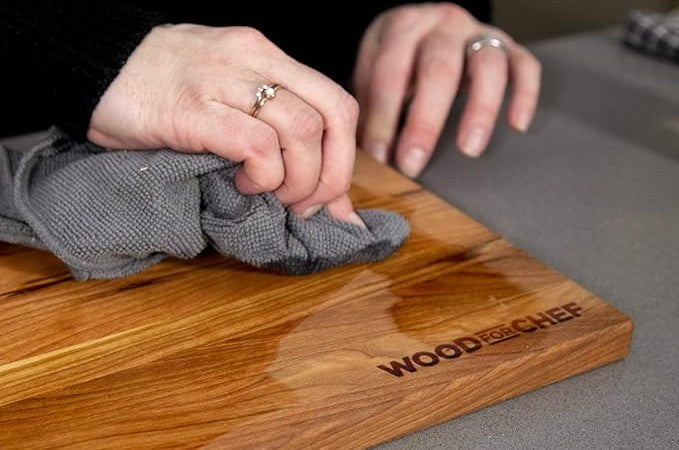
Dry your cutting board immediately after washing. Use a clean towel to wipe off water from all sides.
Stand the board upright or lean it against a wall. This lets air flow around it and stops moisture buildup.
- Avoid leaving the board flat on the counter to dry
- Do not store the board in a damp place
- Allow the board to dry fully before storing

Credit: homewithgraceandjoy.com
Deep Cleaning Steps
Wooden cutting boards need deep cleaning to stay safe and last longer. Regular cleaning removes dirt but deep cleaning kills germs and removes stains.
Follow these steps to clean and sanitize your wooden cutting board properly. This keeps it fresh and safe for food preparation.
Removing Stains And Odors
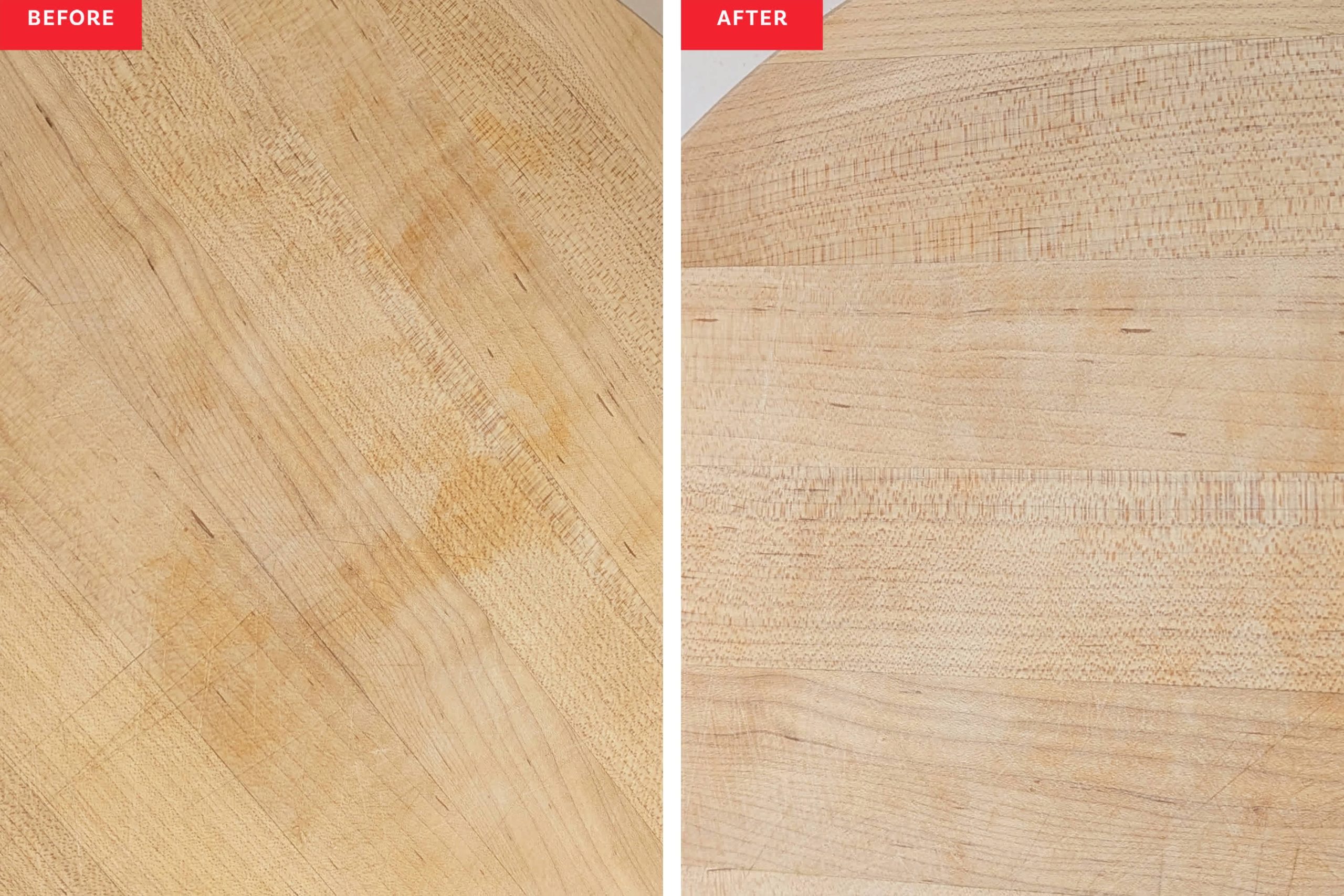
Stains and smells can build up on wooden boards. Use simple ingredients to clean and freshen your board naturally.
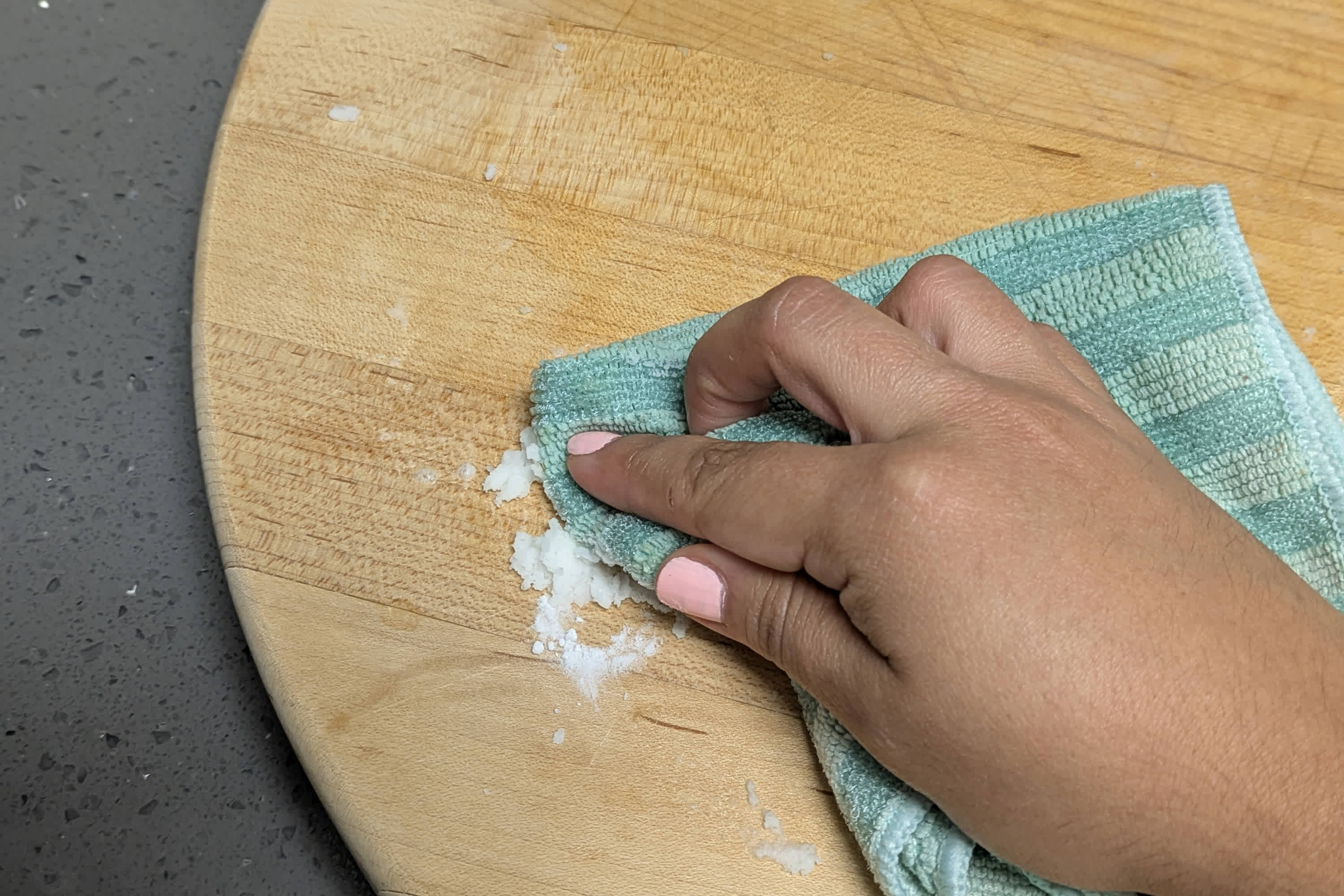
Apply coarse salt or baking soda on the board. Rub it with half a lemon. Let it sit for five minutes, then rinse with warm water.
- Sprinkle coarse salt or baking soda on the board
- Rub with half a lemon to lift stains and odors
- Wait five minutes for the mixture to work
- Rinse board with warm water and dry well
Using Natural Sanitizers
Natural sanitizers kill germs without harsh chemicals. Vinegar and hydrogen peroxide work well for wooden boards.
Spray white vinegar on the board and let it sit for a few minutes. Wipe with a clean cloth. You can also use diluted hydrogen peroxide for extra cleaning.
- Spray white vinegar on the cutting board
- Let it sit for 5 minutes to kill bacteria
- Wipe off with a clean cloth
- Optionally, use 3% hydrogen peroxide diluted with water
Disinfecting Solutions
Disinfect your wooden board with safe solutions. Mix water with bleach or use commercial disinfectants made for wood.
Use one tablespoon of bleach in one gallon of water. Soak the board for a few minutes, rinse well, and dry completely to avoid damage.
- Mix 1 tablespoon bleach with 1 gallon water
- Soak or wipe the board with this solution
- Wait 2-3 minutes to disinfect
- Rinse board thoroughly with water
- Dry board fully before storing
Maintaining Wooden Boards
Wooden cutting boards need care to stay safe and last long. Cleaning alone is not enough. Proper maintenance keeps wood strong and clean.
Regular care prevents damage like cracks and warping. It also stops germs from growing inside the wood.
Oiling And Conditioning
Oiling your wooden board protects it from drying out. It also seals the surface to prevent water from soaking in. Use food-safe mineral oil or a special wood conditioner.
Apply oil evenly and let it soak for a few hours or overnight. Wipe off extra oil with a clean cloth. Do this once a month or when the board looks dry.
- Use food-safe mineral oil or beeswax conditioner
- Apply a generous amount with a cloth
- Let it soak for several hours or overnight
- Wipe off excess oil before use
- Repeat monthly or when board looks dry
Preventing Cracks And Warping
Keep wooden boards away from extreme heat and moisture. Avoid soaking them in water or putting them in the dishwasher. Dry boards quickly after washing.
Store boards standing up or flat in a dry place. This stops warping and splits. Regular oiling also helps wood stay flexible and strong.
- Do not soak or wash in dishwasher
- Dry boards quickly after cleaning
- Store boards standing up or flat
- Avoid direct heat or sunlight
- Oil boards regularly to keep wood flexible
When To Replace Wooden Boards
Wooden cutting boards last a long time if you take care of them. But they do wear out. It is important to know when to replace your board.
Replacing old boards helps keep your kitchen safe and clean. Let’s look at signs of wear and safety concerns.
Signs Of Wear
Look for deep cuts or cracks on your board. These can trap bacteria and dirt. If the board feels rough or splinters, it is time to replace it.
- Large cracks or splits in the wood
- Deep grooves from knife cuts
- Rough or splintered surface
- Warping or bending of the board
Safety Concerns
Old wooden boards may hold harmful bacteria. These germs can cause food poisoning. If you notice stains or bad smells, do not use the board.
- Persistent odors that don’t go away
- Stains that cannot be cleaned
- Signs of mold or mildew
- Loose wood fibers that could get in food
Frequently Asked Questions
How Often Should I Sanitize My Wooden Cutting Board?
Sanitize your wooden cutting board after every use, especially when cutting raw meat. This prevents bacteria buildup and cross-contamination. Regular cleaning with soap and water followed by sanitizing keeps the board safe and odor-free.
What Household Items Can Sanitize Wooden Cutting Boards?
You can use white vinegar, hydrogen peroxide, or diluted bleach to sanitize wooden cutting boards. These household items kill bacteria effectively. Always rinse thoroughly and dry the board after sanitizing to avoid damage.
Can I Use Bleach To Sanitize Wooden Cutting Boards?
Yes, but use a diluted bleach solution (one tablespoon per gallon of water). Apply briefly, then rinse well. Avoid soaking the board to prevent wood damage and warping. Bleach is effective for disinfecting but should be used sparingly.
Is Vinegar Safe For Sanitizing Wooden Cutting Boards?
Yes, white vinegar is a natural, safe sanitizer for wooden boards. It kills many bacteria and removes odors. Spray or wipe the board with vinegar, let it sit for a few minutes, then rinse and dry.
Conclusion
Sanitizing your wooden cutting board keeps it safe and clean. Use simple steps like washing with soap and water first. Then apply natural disinfectants like vinegar or lemon juice. Always dry the board well to stop germs from growing. Regular care helps your cutting board last longer.
Clean boards protect your food and your health. Small habits make a big difference in kitchen safety. Keep your wooden cutting board fresh and ready every day.