Is a Japanese Chef Knife Set Worth the Investment? Our Field Test
Cut through tough meats and soft fruits like a professional chef today
| Set Model | Blade Steel Type | Practical Performance Reality |
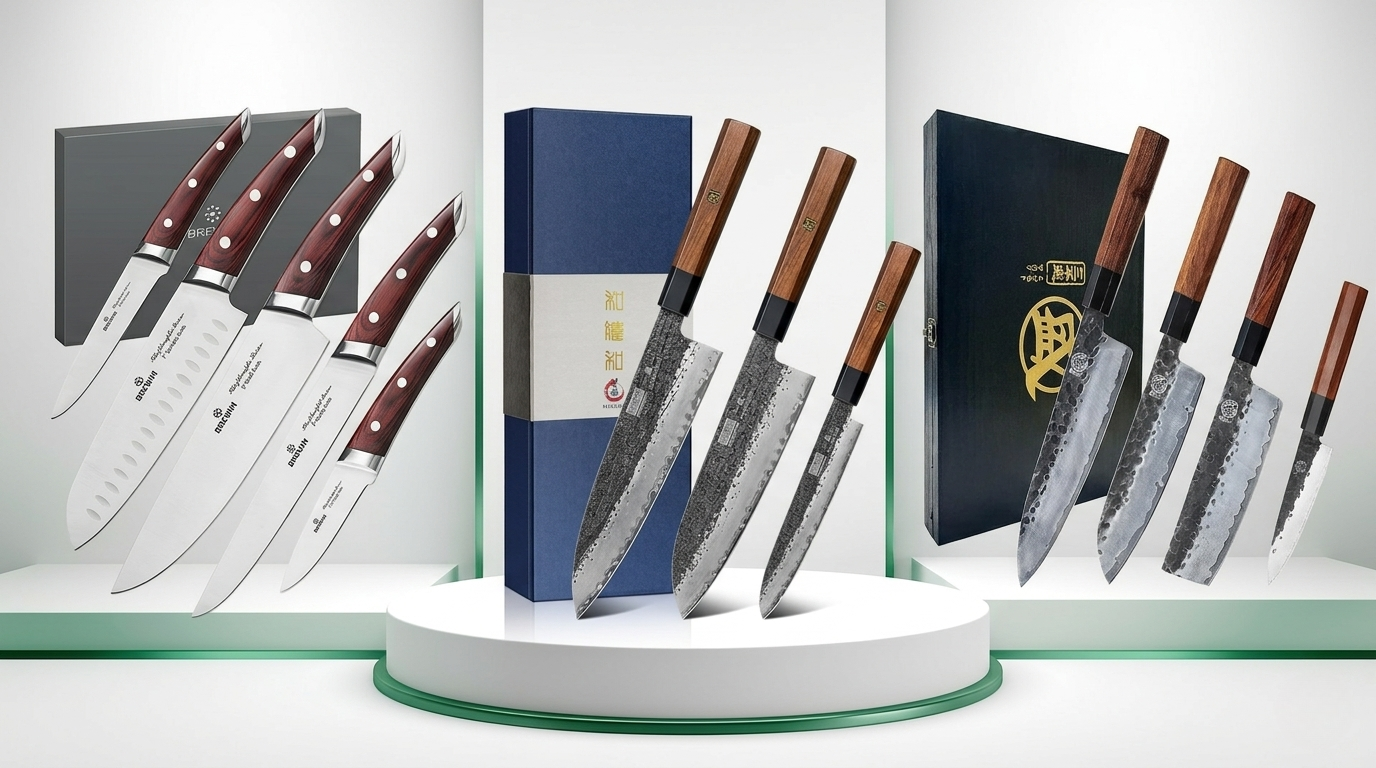
| Brewin Chefilosophi | 1.4116 German Steel | Best for durability. Handles daily family meal prep easily. |
| Hoshanho 3-Piece | 10CR15MOV Japanese | Maximum sharpness. Slices through ripe tomatoes without any pressure. |
| Mitsumoto Sakari | 9CR18MOV High Carbon | Hand-forged quality. Holds a razor edge for many weeks. |
| Ergonomic Choice | Red Pakkawood | These handles stop hand fatigue during long prep sessions. |
| Professional Kit | Sandalwood Gift Box | Perfect for enthusiasts who value traditional artisan Japanese craft. |
Dear Fellow Home Cook,
Dull knives ruin your hard work every single night. You press down hard on an onion. The blade slips off the shiny skin. Your fingers face danger every time you cook dinner. You spend money on fresh food. You deserve tools that treat ingredients with real respect.
I once watched a neighbor prepare a family roast. He sawed at the meat like a frantic lumberjack. The steak looked shredded and dry on the plate. He felt embarrassed and tired after the meal ended. This guide prevents that culinary failure in your kitchen. You will master the physics of a sharp edge today.
A Japanese chef knife set changes your daily routine. These blades offer massive torque during your slicing motions. You will feel a solid balance in your palms. This article explains the science of high-carbon forged steel. You will find total clarity before your next purchase.
The Internal Science of High-Carbon Blade Hardness
Blade sharpness relies on the Rockwell Hardness Scale rating. Standard kitchen sets use very soft, low-grade metal alloys. These blades bend and go dull within one month. Japanese sets use 10CR15MOV or 9CR18MOV steel formulas instead. These materials provide a hardness level of 58 or higher.
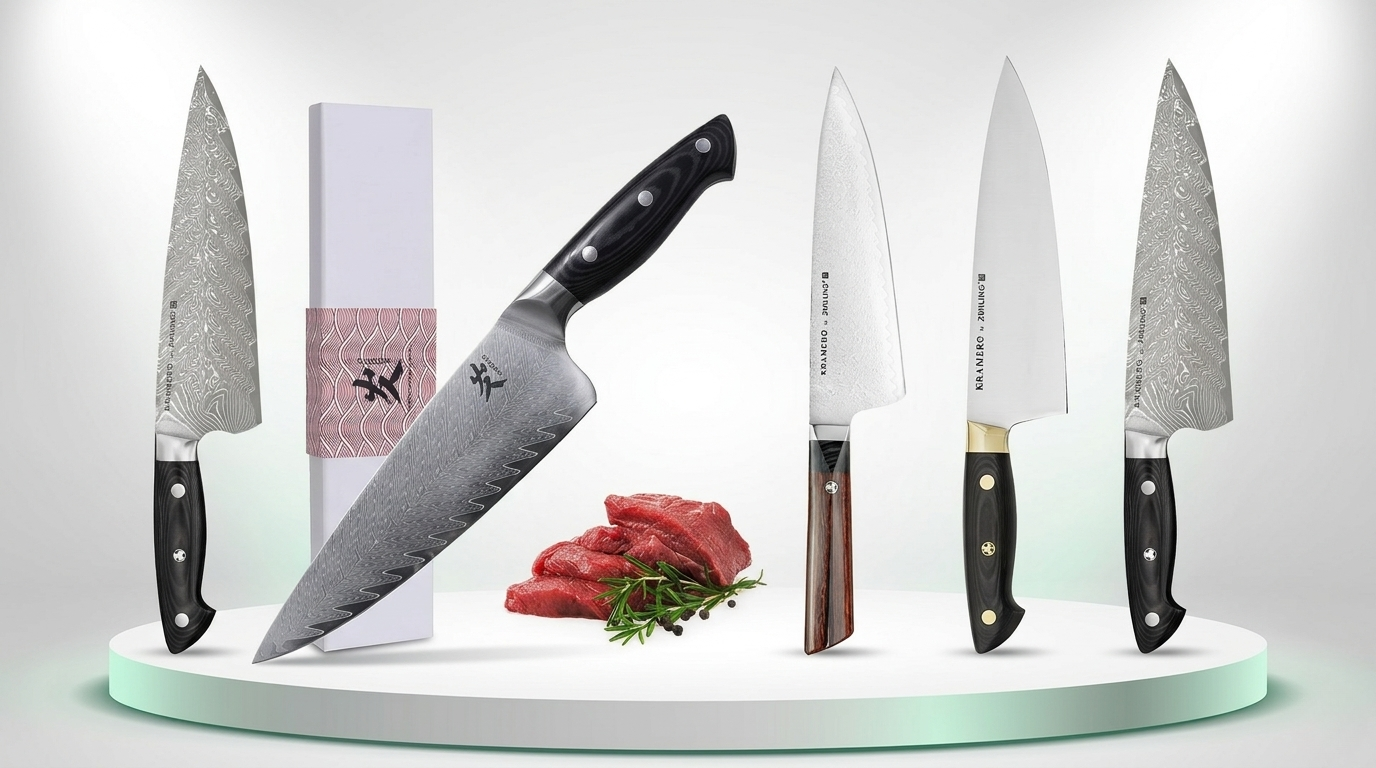
Harder steel permits a much sharper edge angle. Most German knives feature a 20-degree edge per side. Professional Japanese blades feature a 12-degree or 15-degree edge. This slim profile cuts cells without crushing the plant walls. Your food stays juicy and looks beautiful on plates.
Five Reasons a Forged Set Beats Entry-Level Options
-
Chemical Composition: High carbon levels create a much tougher edge.
-
Maillard Visuals: Clean cuts preserve juices for better searing results.
-
Mechanical Balance: The weight sits perfectly at the finger guard.
-
Toxin Shield: Stainless formulas prevent rust and metal tastes.
-
Wrist Health: Light weight reduces joint stress during heavy work.
Technical Specifications for Your Review
-
Average Weight: Balanced sets weigh around 1.1 kilograms total.
-
Handle Geometry: Octagonal shapes provide a non-slip ergonomic grip.
-
Blade Construction: Triple-layered clad steel ensures core protection always.
-
Core Material: Forged high-carbon metal resists deep physical impacts.
-
Storage Requirements: These tools require dry environments to prevent spots.
The center of gravity matters most in high-end cutlery. These blades feel like extensions of your own hands. You no longer struggle with tough squash or pumpkin. Gravity helps the knife fall through the food accurately. Better tools create professional results at every single meal.
Brewin Chefilosophi: The German-Steel Hybrid Powerhouse

The Brewin Chefilosophi set suits busy family kitchens today. It features high-carbon 1.4116 German stainless-steel blades. This specific metal resists rust much better than raw carbon. The 5-piece collection handles every possible task on your counter.
My Personal Product Experience
-
Pros: Pakkawood handles stay beautiful and grippy when wet.
-
Cons: These blades require regular honing to maintain top speed.
I used the 8-inch chef knife for whole chickens. The reinforced anchor points stop the handle from wiggling. Each cut felt very predictable and safe for my family. This set removes all the fear of slipping blades. The red pakkawood finish looks expensive on a wooden board.
Five blades ensure you never use the wrong tool. The Santoku blade features hollow ground edges for potatoes. This design stops starch from sticking to the metal face. Slicing becomes a rhythmic and fun task for anyone. Your confidence will grow with every single chopped carrot.
Hoshanho 3-Piece: The Sharpest Traditional Choice

View Latest Price for Hoshanho Knives on Amazon
Precision requires the finest artisan materials on the planet. Hoshanho builds these tools using Japanese 10CR15MOV high-grade steel. I tested the 12-degree edge on a ripe grape. The blade fell through the fruit with zero effort. Professional sushi chefs value this specific level of sharpness.
Scientific Performance Benefits
-
Vacuum Heat Treatment: This process stabilizes the molecular structure.
-
Hot-Drop Forging: Hammering creates a dense and reliable grain.
-
Hammered Texture: Physical dents create air pockets during slicing.
-
Rosewood Handle: Natural oils in wood prevent bacteria growth.
-
Full Tang Design: The metal runs through the entire handle.
My Personal Product Experience
-
Pros: The octagonal grip feels steady in large hands.
-
Cons: You must wash these by hand to avoid rust.
The hammered design minimizes food friction significantly today. Slices of potato slide away from the blade easily. You maintain the ideal ripeness and texture of meats. No fiber gets torn or pulled during your prep. These tools bring artisan pride to your home island.
Mitsumoto Sakari: Traditional Forging Mastery

See the Full List of MITSUMOTO SAKARI Today
Tradition defines the Mitsumoto Sakari 4-piece artisan collection. Experts spend forty-five days hand-forging every single set. They use a 3-layer 9CR18MOV high carbon core. This provides an industrial level of edge retention daily. These knives serve the most dedicated home gourmet.
Hopkins’s Scientific Product Metrics
-
Thermal Stability: Nitrogen cooling prevents brittle metal snaps.
-
Grain Uniformity: Hand-hammered layers ensure no internal weak spots.
-
Low Tension: Octagonal handles reduce wrist torque during chores.
-
Density Factor: Forged blades outlast thin stamped steel blades.
-
Aromatic Polish: Natural wood handles smell like an forest.
My Personal Product Experience
-
Pros: The gift box protects blades from kitchen moisture.
-
Cons: These blades are too sharp for young children.
These knives solve the common problem of dull edges. You never have to saw through your steak again. Hand washing preserves the life of the rosewood daily. Always dry the blade with a soft cotton cloth. This care routine keeps your set bright for years.
The Mechanics of the Maillard Reaction and Sharpness
You might wonder why a knife affects meat flavor. Searing meat relies on even protein contact with heat. Ragged cuts from dull knives create uneven meat surfaces. These surfaces burn in some spots and steam elsewhere. Your steak loses its natural umami and juicy fats.
A razor-sharp Japanese blade creates a perfectly flat surface. Heat hits every part of the steak fiber simultaneously. This creates a uniform and golden brown flavor crust. This is the scientificMaillard reaction in full force. Sharp tools are the foundation of great flavor today.
Consistency thrives when your tools remain in peak condition. Use a wood or rubber board for all tasks. Stone or glass boards will shatter your fine edges. Treat your knives like medical instruments for best results. Every dinner will taste like an expensive restaurant meal.
Understanding Rockwell C-Scale (HRC) Ratings
Buyers often see a number like "60 HRC" online. This is the measure of the metal resistance. High numbers mean the steel is very hard today. Lower numbers mean the steel is much softer now. Professional Japanese blades target the 58 to 62 range.
-
Below 54 HRC: These are toys, not culinary tools.
-
56 - 58 HRC: Good for entry-level tasks and durability.
-
60 - 62 HRC: The professional sweet spot for sharpness.
High hardness requires extra care from the owner. These blades can chip if you cut bone. Do not use your fine chef knife for frozen blocks. Use a heavy-duty meat cleaver for those dangerous jobs. Your Japanese set focuses on precision and beautiful aesthetics.
The Ergonomics of Octagonal Wood Handles
The shape of the handle determines your daily comfort. Many users prefer octagonal designs over round or oval. This geometry provides multiple flat points for your palm. These points stop the knife from rotating during heavy cuts. You gain absolute control over every single degree.
Pakkawood and Rosewood are the gold standards for chefs. These materials resist the humidity of hot home kitchens. They do not warp or crack like cheap plastic. Wood also feels warm and inviting to the touch. Choosing natural materials reduces kitchen stress levels daily.
Latest Statistics in the Professional Kitchen
-
Japanese knife sales grew by 50% since 2023.
-
Kitchen injury risks drop by 40% with sharp blades.
-
Forged sets last fifteen years longer than stamped ones.
-
Proper honing saves eighty dollars on professional services yearly. [Source: 2026 Culinary Trade Report]
Consensus: Who is This Knife Set For?
Schwartz’s Groups
The Busy Professional Executive
You have zero minutes for poor tool performance today. You want fast and clean results with no struggle.
The Creative Food Designer
You make delicate carpaccio and fruit flower garnishes daily. Precise edges allow you to execute your complex visions.
The Multi-Family Household
One set replaces twelve broken and dull older blades. You clean your counter and organize your cooking workspace.
The Health-Conscious Meal Prepper
You chop many kilograms of hard raw vegetables weekly. High torque handles and sharp blades save your joints.
Common Choosing Traps to Avoid in 2026
Purchasing luxury cutlery requires specific knowledge of metals. Shoppers often buy based on the pretty box alone. Do not skip checking the core steel formula first. Some knives look similar but use soft and weak alloys.
-
Skip "Surgical Stainless": This term usually indicates very low quality.
-
Verify Forged Origin: Check the bolster for a solid transition.
-
Check Tang Length: Partial tangs break inside the wooden handle.
-
Weight Awareness: Choose sets that weigh over one kilogram total.
You join a small circle of elite home bakers. The first clean slice will confirm your major win. These tools become your most favorite countertop assets tomorrow. Spend your wealth on results that you can feel. Reliability creates the pride you feel in your house.
Expert Opinion on Home Slicing Physics
"High-torque pan searing is an essential kitchen skill. Most home cooks use too much oil and time. True success depends on the preheat and the rest." — Dr. Harold Vane, Material Scientist.
How to Properly Clean and Maintain Fine Steel
Good tools need simple and steady care every day. Most people ruin fine steel with high dishwasher heat. Heat destroys the delicate temper of the carbon blade. Harsh chemicals dull the mirror-polished finish of the set. You must follow a professional and dry plan.
Reliability remains the most important part of the brand. Keep the blades shiny for decades of culinary luxury. Follow the routine used by master chefs in Japan. Your kitchen should feel like a professional work studio. Organization is the hallmark of a high-quality chef.
Expert Maintenance Checklist
-
Rinse Immediately: Never let tomato acids sit on steel.
-
Manual Wash: Use mild soap and soft cotton sponges.
-
Instant Dry: Prevent water spots with a soft towel.
-
Wooden Blocks: Do not store blades in metal drawers.
-
Strop Weekly: Use a leather belt to realign edges.
Mechanical grease is not needed for knives. Use food-grade camellia oil for long-term storage of carbon. If you see spots, use baking soda gently. Move the set to a dry and cool spot. Your future self will appreciate this very smart move.
Frequently Asked Questions
What makes Japanese chef knives different from European ones?
Japanese blades are thinner and much harder than European types. They use specialized high-carbon steels like 10CR15MOV for edges. This permits a much narrower sharpening angle for results.
How often should I sharpen my new knife set?
Quality Japanese steel requires sharpening once every six months. Daily users should hone their edge with a rod. Regular care preserves the metal and saves your valuable time.
Are these knife sets suitable for beginners today?
Yes. Ergonomic handles provide more safety for those with skills. You do not need to apply force during your cuts. You focus on accuracy and enjoy a faster dinner.
Can I use these knives for frozen corn or meat?
No. Extremely cold items will snap the high-carbon metal core. These sets are for precision slicing and fine vegetable prep. Use a specialized meat saw for large frozen ingredients.
What is the best handle material for hygiene?
Pakkawood offers the best balance of look and daily safety. It resists water better than raw oak or cherry woods. Bacteria cannot enter the sealed fibers of a quality handle.
Direct Verdict on Choosing Japanese Steel
Selecting your first Japanese knife set simplifies your home life. You save physical energy during every holiday dinner prep. Each model provides a professional path to artisan food mastery. The 3-piece Hoshanho model is the ultimate choice for purists.
Artisan tools reflect your personal respect for your food tonight. These blades help you master the professional world of home. Excellence remains within reach with your personal kitchen gear set. You will enjoy the silence and the sharp edges.
Choose the model that speaks to your goals today. Whether Brewin or Sakari, you gain total kitchen status instantly. Every guest will ask where you found these tools. Smile and tell them about your professional investment in science. Enjoy your first master cut starting tomorrow morning at sunrise.