How to Oil a Wooden Cutting Board: Do you know that your wooden cutting board could be one of the most important tools in your kitchen? It's not just for chopping veggies or slicing bread; it’s a key player in keeping your meals safe and delicious.
But to keep it in top shape, you need to care for it properly. Oiling your wooden cutting board is a crucial step that many overlook. Without it, your board can dry out, crack, or even become a breeding ground for bacteria.
By learning how to oil it correctly, you can extend its life and maintain its beauty. Stick with us as we show you how easy it is to give your cutting board the TLC it deserves. You'll be amazed at how this simple task can make a big difference in your kitchen routine!

Credit: homewithgraceandjoy.com
Choosing The Right Oil
Oiling a wooden cutting board keeps it strong and clean. Picking the right oil is key to protect the wood.
Not all oils work well on wood. Some can spoil or harm the board over time.
Food-safe Oils To Use
Use oils that are safe to touch food and do not go rancid. These oils protect the wood and keep it smooth.
- Mineral oil is popular because it is odorless and tasteless.
- Coconut oil is good but should be refined to avoid smells.
- Walnut oil works well but watch for allergies.
- Beeswax mixed with oil adds extra protection.
Oils To Avoid
Some oils can spoil or make the wood sticky. Avoid these to keep your board safe and clean.
- Olive oil can go rancid and cause bad smells.
- Vegetable oils like canola or sunflower also spoil easily.
- Nut oils that are not food-safe may cause allergies.
- Oils with strong scents can affect food taste.
Benefits Of Mineral Oil
Mineral oil is safe and lasts a long time on wood. It soaks in well and stops water damage.
This oil does not smell or change the flavor of your food. It helps keep the wood smooth and clean.
- Prevents cracking and drying of the wood
- Easy to apply and absorbs quickly
- Does not go bad or smell over time
- Safe for food contact surfaces
Preparing The Cutting Board
Oiling a wooden cutting board keeps it strong and safe to use. Before oiling, you must prepare the board well. This helps the oil soak in evenly and protects the wood.
Preparation includes cleaning, drying, and removing any stains or smells. These steps make the cutting board ready for oiling and extend its life.
Cleaning Before Oiling
Clean the cutting board to remove food bits and dirt. Use warm water and mild soap. Avoid soaking the board in water to prevent warping.
Scrub gently with a sponge or soft brush. Rinse well to get rid of soap. Clean boards absorb oil better.
Drying Techniques
Dry the board completely before oiling. Use a clean towel to wipe off water. Stand the board on its side to air dry.
Make sure no moisture is left. Oiling a wet board can trap water inside and cause damage.
Removing Stains And Odors
Remove stains and smells to keep the board fresh. Sprinkle salt or baking soda on the surface. Rub with half a lemon to clean deeply.
Let it sit for a few minutes, then rinse and dry. This method helps eliminate tough stains and odors naturally.
Oiling Process Steps
Oiling a wooden cutting board keeps it strong and clean. It stops the wood from drying out and cracking.
The process has three main parts. Each part helps the oil soak deep into the wood.
Applying Oil Evenly
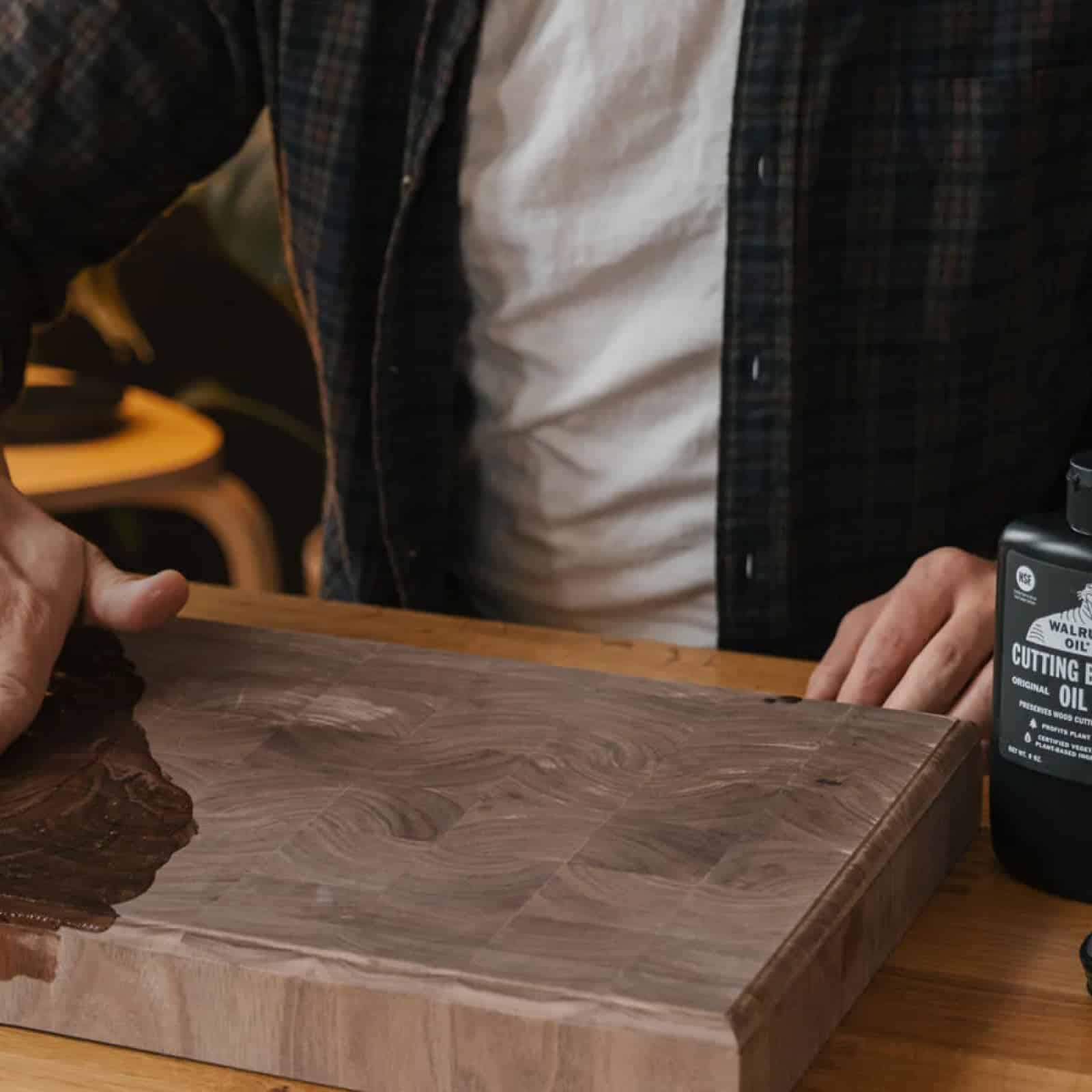
Use a clean cloth or brush to apply oil. Spread the oil in small circles over the entire surface. Be sure to cover all sides and edges.
- Pour a small amount of oil onto the board.
- Use a cloth or brush to spread it.
- Cover every inch including edges.
Allowing Oil To Soak
Let the oil sit and soak into the wood. This step lets the oil protect the wood deeply. The time can vary depending on the oil type and wood.
| Oil Type | Soak Time |
| Mineral Oil | 4 to 6 hours |
| Walnut Oil | 6 to 8 hours |
| Coconut Oil | 8 to 12 hours |
Wiping Off Excess Oil
After soaking, remove extra oil with a dry cloth. Wipe gently to avoid removing too much oil. This step prevents sticky residue on the board.
Tips for wiping off oil:
- Use a soft, clean cloth.
- Wipe in the direction of the wood grain.
- Repeat if you see oily spots.

Credit: woodforchef.com
Frequency Of Oiling
Oiling a wooden cutting board keeps it strong and clean. It stops the wood from drying out and cracking. You should oil your board often to protect it.
The exact time between oiling depends on how much you use the board. If you cook a lot, you might need to oil it once a week. For less use, oil it once a month.
Signs Your Board Needs Oil
Look for changes in your wooden board to know when to oil it. Dry spots and cracks are clear signs. The wood may also look dull or faded.
If water stops soaking into the board and just pools on top, it is time to apply oil. This means the wood is dry and needs moisture.
- Wood looks dry or faded
- Small cracks or splits appear
- Water beads on the surface
- Board feels rough or brittle
Seasonal Oiling Tips
Wood changes with the seasons. In dry winter months, your board loses moisture faster. Oil it more often during these times.
In warmer, humid months, the wood holds moisture better. You can oil the board less often but still check for dryness.
- Oil every 1-2 weeks in winter
- Oil every 3-4 weeks in summer
- Store board away from heat and sunlight
- Wipe off extra oil after application
Additional Maintenance Tips
Oiling a wooden cutting board is important, but there are other ways to keep it in good shape. These extra tips help protect your board and make it last longer.
Follow these simple maintenance steps to avoid damage and keep your board looking fresh.
Avoiding Water Damage
Wood and water do not mix well. Too much water can cause cracks and warping. Always avoid soaking your cutting board.
After washing, dry the board right away with a clean towel. Let it air dry standing up to keep air flowing on all sides.
- Do not put the board in the dishwasher
- Wash quickly with warm, soapy water
- Dry immediately after washing
- Store the board upright to air dry fully
Using Board Conditioners
Board conditioners help keep wood strong and healthy. They often contain beeswax or mineral oil to protect the surface.
Apply conditioner after oiling to create a barrier against moisture and stains. Use it once every few months or when the board looks dry.
- Apply a thin layer of conditioner with a soft cloth
- Let it soak in for several hours or overnight
- Wipe off any extra conditioner before use
- Condition regularly to maintain wood health
Storage Recommendations
How you store your cutting board affects its life. Keep it in a dry, cool place away from direct sunlight.
Storing your board flat on a countertop can trap moisture underneath. Instead, stand it on its edge to allow airflow.
- Store boards vertically to prevent moisture buildup
- Keep away from heat sources like stoves
- Do not stack heavy items on top of the board
- Clean and dry before storing to avoid mold

Credit: homewithgraceandjoy.com
Troubleshooting Common Issues
Oiling a wooden cutting board keeps it healthy and extends its life. Sometimes, problems happen despite regular care. Fixing these problems quickly stops damage.
This guide helps you fix dry boards, sticky residue, and mold. Use simple methods to keep your board safe and clean.
Fixing Dry Or Cracked Boards
Dry boards lose their shine and may crack. To fix this, apply mineral oil or a special cutting board oil. Rub the oil in well and let it soak overnight.
- Clean the board with warm soapy water and dry it completely.
- Pour a small amount of oil on the surface.
- Use a soft cloth to spread oil evenly.
- Let the board sit for 8 to 12 hours.
- Wipe off any extra oil before use.
Dealing With Sticky Residue
Sticky residue may come from oily foods or cleaning products. It can attract dirt and bacteria. Remove it by scrubbing gently with coarse salt and lemon.
Follow these tips for sticky residue:
- Sprinkle coarse salt on the sticky area.
- Rub with half a lemon in circular motions.
- Rinse with warm water and dry well.
- Oil the board after cleaning to protect the wood.
Preventing Mold Growth
Mold appears if the board stays wet or stored in damp places. Keep the board dry and air it after washing.
| Action | How it Helps |
| Dry thoroughly after washing | Stops moisture that causes mold |
| Store in a dry, ventilated place | Prevents dampness buildup |
| Occasionally treat with vinegar | Kills mold spores naturally |
Frequently Asked Questions
How Often Should I Oil A Wooden Cutting Board?
You should oil your wooden cutting board once a month. Regular oiling prevents drying and cracking. If used heavily, oil it more often. Consistent care extends its lifespan and maintains its appearance.
What Type Of Oil Is Best For Cutting Boards?
Food-grade mineral oil is the best choice for cutting boards. It is safe, odorless, and won't go rancid. Avoid vegetable or olive oils as they can spoil and cause odors.
Can I Use Olive Oil To Oil My Cutting Board?
No, avoid using olive oil on wooden boards. Olive oil can become sticky and rancid over time. Use food-grade mineral oil or specialized cutting board oil instead.
How Do I Apply Oil To A Wooden Cutting Board?
Apply oil evenly using a clean cloth or paper towel. Rub the oil into the wood in circular motions. Let it soak for a few hours or overnight, then wipe off excess oil.
Conclusion
Oiling your wooden cutting board keeps it strong and clean. It stops cracks and warping over time. Regular oiling also makes food safer by reducing bacteria. Use food-safe oils and apply them often for best results. A well-oiled board lasts longer and looks better.
Caring for your board is simple and worth the effort. Keep it dry between uses to avoid damage. Your kitchen tools will thank you for the extra care.