
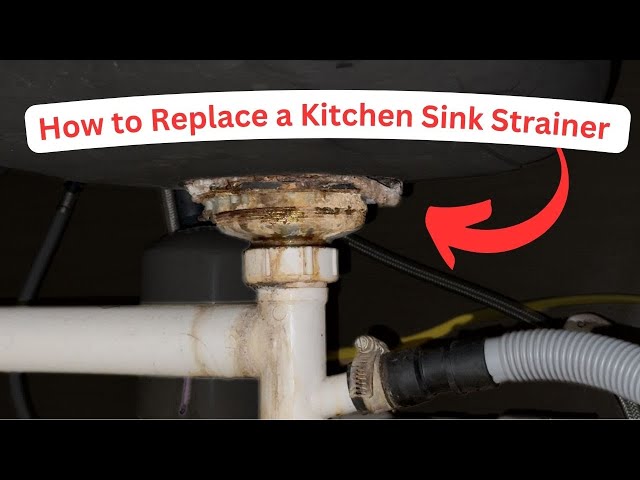
How to Change a Kitchen Sink Basket Strainer Without Leaks
Are you tired of dealing with a leaky kitchen sink that just won't cooperate? Replacing a worn-out basket strainer might be the simple solution you need.
Imagine this: a kitchen where water drains smoothly, and you never have to worry about unexpected puddles under the sink. Sounds good, right? Whether you're a seasoned DIY enthusiast or just starting out, changing a kitchen sink basket strainer is a task you can tackle with confidence.
In this guide, you'll learn how to do it step-by-step, saving time, money, and perhaps a bit of sanity. Ready to transform your kitchen sink experience? Let's dive in!

Credit: www.indiamart.com
Tools And Materials Needed
Changing a kitchen sink basket strainer requires specific tools and materials. Having them ready makes the job easier and faster.
Using the right tools helps you avoid damage to your sink and plumbing parts.
Adjustable Wrench
An adjustable wrench helps you loosen and tighten nuts under the sink. It fits many sizes of nuts and bolts.
Make sure the wrench opens wide enough to grip the strainer locknut securely.
Bucket Or Container
A bucket catches water that may drip when you remove the old strainer. It keeps your workspace dry and clean.
Place it under the sink drain before starting to avoid spills on the floor.
Plumber’s Putty
Plumber’s putty seals the new basket strainer to the sink. It stops water from leaking around the drain opening.
Apply a soft rope of putty around the bottom edge of the new strainer before fitting it in place.
New Kitchen Sink Basket Strainer
Choose a strainer that fits your sink drain size and style. It should come with a rubber gasket and locknut.
Check the package to see if you need extra washers or seals for your installation.
Screwdriver
A screwdriver helps remove any screws holding the old strainer parts. It also tightens screws on some strainer models.
Use the correct type, usually a flathead or Phillips screwdriver, based on your strainer screws.
Rags Or Towels
Rags clean up water spills and wipe excess plumber’s putty. They keep your work area neat and dry.
Keep a few rags nearby for quick cleanup during and after the job.

Credit: www.familyhandyman.com
Preparing The Area
Changing a kitchen sink basket strainer needs a clean and safe workspace. Preparing the area helps you work easily and avoid mess.
Gather tools and clear the space under the sink. This makes the process smooth and faster.
Clear The Space Under The Sink
Remove all items stored under the sink. This gives you enough room to work and prevents accidents.
- Take out cleaning supplies
- Move trash bins away
- Clear any stored tools or containers
Turn Off The Water Supply
Shut off the water valves under the sink to stop water flow. This prevents leaks during the change.
Turn both the hot and cold water valves clockwise until tight.
Place A Bucket And Towels Nearby
Keep a bucket under the drain pipe to catch water spills. Use towels to wipe any drips or messes.
- Use an old towel or rag
- Place bucket directly below the strainer area
- Keep extra towels handy for quick clean-up
Gather The Needed Tools
Collect tools like a wrench, pliers, and a screwdriver. Having these ready saves time during the job.
- Adjustable wrench or basin wrench
- Slip-joint pliers
- Flathead screwdriver
- Plumber’s putty or sealant (optional)
Turning Off Water Supply
Before you start changing your kitchen sink basket strainer, you must turn off the water supply. This step stops water from flowing and prevents leaks while you work.
Turning off the water supply is simple. You need to find the right valves and close them properly to avoid any water damage.
Locate The Water Shut-off Valves
Look under the kitchen sink for small valves on the pipes. These valves control water flow to the faucet and drain. Usually, you will find two valves: one for hot water and one for cold water.
Turn Off The Valves
Use your hand to turn the valves clockwise until they stop. Do not force them if they are hard to turn. Turning them off closes the water supply to the sink.
- Turn the hot water valve clockwise
- Turn the cold water valve clockwise
- Check if water flow stops at the faucet
Test The Water Supply Is Off
Open the faucet and let any remaining water drain out. If no water comes out, the valves are off. If water still flows, check the valves again or turn off the main water supply.
| Action | Purpose |
| Locate valves under sink | Find control for water flow |
| Turn valves clockwise | Stop water flow to sink |
| Open faucet to test | Confirm water is off |
Removing The Old Basket Strainer
Changing a kitchen sink basket strainer starts with removing the old one. This process needs care and some tools.
Follow these steps to safely remove the old basket strainer from your sink.
Disconnecting The Drain Pipe
First, turn off the water supply under the sink. Place a bucket under the drain pipe to catch water.
Use a wrench or pliers to loosen the slip nuts on the drain pipe. Carefully disconnect the pipe from the sink drain.
- Turn off water supply
- Place bucket under drain pipe
- Use wrench to loosen slip nuts
- Disconnect drain pipe carefully
Loosening The Locknut
Look under the sink to find the locknut holding the basket strainer. It is usually a large ring-shaped nut.
Use a pipe wrench or adjustable pliers to turn the locknut counterclockwise. Keep turning until it is fully loose.
- Locate the locknut under the sink
- Use pipe wrench or pliers
- Turn locknut counterclockwise
- Loosen it completely
Taking Out The Old Strainer
Once the locknut is removed, push up on the basket strainer from the sink basin. It should slide out easily.
If the strainer is stuck, gently tap it with a rubber mallet or use a putty knife to loosen the edges.
- Push up on the basket strainer
- Remove it from the sink basin
- Use a mallet if stuck
- Loosen edges with a putty knife
Cleaning The Sink Drain
Keeping your kitchen sink drain clean helps prevent bad smells and clogs. A clean drain makes water flow smoothly.
Changing the kitchen sink basket strainer is a good time to clean the drain. This guide explains how to do it easily.
Remove The Old Basket Strainer
First, turn off the water supply under the sink. Then, use a wrench to loosen the locknut holding the basket strainer.
Pull out the old basket strainer carefully. This lets you see inside the drain for cleaning.
Clean The Drain Opening
Use a brush or old toothbrush to scrub the drain opening. Remove any dirt, grease, and food bits stuck inside.
If there is grime buildup, apply baking soda and vinegar. Let it fizz for 10 minutes, then rinse with hot water.
- Scrub drain edges with a brush
- Apply baking soda and vinegar
- Wait 10 minutes for fizzing
- Flush with hot water
Check The Drain Pipe For Blockages
Look inside the drain pipe with a flashlight. Remove any visible debris using pliers or a bent wire hanger.
Run water to see if it flows freely. Clear any slow spots by repeating the cleaning steps or using a plunger.
Reinstall The New Basket Strainer
Place the new basket strainer into the drain opening. Tighten the locknut by hand first, then use a wrench to secure it.
Turn the water supply back on and check for leaks. Run water to test if the drain is clean and clear.
Installing The New Basket Strainer
Installing a new kitchen sink basket strainer is a simple task. It helps prevent debris from clogging your drain.
Follow these steps carefully to fit the new strainer securely and avoid leaks.
Applying Plumber’s Putty
Plumber’s putty creates a watertight seal between the sink and the strainer. Take a small amount and roll it into a rope.
Place the putty rope around the bottom edge of the new basket strainer’s flange before fitting it into the sink hole.
Positioning The New Strainer
Insert the basket strainer into the sink drain hole with the putty side down. Press it firmly to spread the putty evenly.
Make sure the strainer sits flat and does not tilt. Adjust it gently if needed before tightening the locknut underneath.
Securing The Locknut
Under the sink, slide the rubber gasket and metal washer onto the strainer’s threaded end. Then, screw on the locknut.
Use a wrench to tighten the locknut. Do not overtighten, or you may damage the sink or strainer.
- Hand-tighten the locknut first
- Use a wrench for final tightening
- Check that the strainer stays aligned
- Wipe away excess plumber’s putty
Reattaching The Drain Pipe
After replacing the kitchen sink basket strainer, you need to reconnect the drain pipe. This step ensures water flows properly from the sink to the plumbing system.
Take your time to align and secure the drain pipe. A good connection prevents leaks and keeps your kitchen dry.
Align The Drain Pipe With The Strainer
First, position the drain pipe so it lines up with the bottom of the new basket strainer. Proper alignment makes sealing easier.
Check that the pipe fits smoothly without forcing it. If the pipe is too tight or loose, adjust its placement.
Secure The Slip Nut
Slide the slip nut over the drain pipe end. Then, thread it onto the strainer’s tailpiece by hand. Tighten the nut firmly but do not over-tighten.
Use a wrench if needed, but be gentle to avoid cracking the pipe or stripping the threads.
Check The Washer Placement
Ensure the rubber or plastic washer sits between the slip nut and the strainer. This washer creates a watertight seal.
If the washer is damaged or missing, replace it before tightening the connection.
Test For Leaks
Turn on the water and watch the connection closely. Look for any drips or moisture around the slip nut.
If you see leaks, tighten the slip nut a little more. Check again until the leak stops completely.
Testing For Leaks
After changing your kitchen sink basket strainer, check for leaks. This step is important to avoid water damage.
Leak testing ensures the strainer fits tightly and seals well. It helps you fix problems early.
Turn On The Water Slowly
Start by turning on the faucet slowly. Let water flow into the sink and watch the strainer area carefully.
Look for any drips or water spots around the basket strainer and underneath the sink.
Check The Connections Underneath
Look under the sink where the strainer connects to the drain pipe. Check for water dripping or wet spots.
If you see water, tighten the connections gently with a wrench. Do not overtighten to avoid damage.
Use A Dry Paper Towel For Detection
Wrap a dry paper towel around the strainer and pipes. Water will leave wet marks if there is a leak.
This method helps spot slow leaks that are hard to see with bare eyes.
Run Water For Several Minutes
Let water run for at least five minutes to check if leaks appear over time. Watch carefully during this period.
Leaks can start small and grow as water pressure increases. Early detection saves repair costs.
Maintenance Tips
Changing a kitchen sink basket strainer keeps your sink working well. Regular care stops leaks and clogs.
Follow simple steps to clean and inspect the strainer. This helps your sink last longer and stay fresh.
Regular Cleaning
Clean the basket strainer often to remove food and debris. This stops bad smells and blockages.
- Remove the strainer basket and rinse it well.
- Use a soft brush to clean hard-to-reach spots.
- Soak in warm soapy water for tough stains.
- Rinse thoroughly before putting it back.
Inspect For Damage
Check the strainer for cracks or rust. Damaged parts can cause leaks or stop draining properly.
| Problem | Signs | Action |
| Cracks | Water leaks, loose fit | Replace the strainer |
| Rust | Discoloration, rough surface | Clean or replace |
| Clogs | Slow draining, bad odor | Clean the basket and pipes |
Use Proper Tools
Use the right tools to remove and install the basket strainer. This prevents damage and ensures a tight fit.
Tools to keep handy:
- Adjustable wrench
- Plumber’s putty
- Screwdriver
- Bucket to catch water

Credit: www.familyhandyman.com
Frequently Asked Questions
How Do I Remove A Kitchen Sink Basket Strainer?
To remove a basket strainer, first disconnect the drain pipe. Then, unscrew the locknut under the sink. Lift the strainer basket out carefully to avoid damage.
What Tools Are Needed To Change A Basket Strainer?
You will need a plumber’s wrench, screwdriver, plumber’s putty, and bucket. These tools help loosen, remove, and install the new strainer properly.
How Long Does It Take To Replace A Sink Strainer?
Replacing a basket strainer usually takes 30 to 45 minutes. The process is quick if you have the right tools and follow instructions carefully.
Can I Use Plumber’s Putty Instead Of Silicone Sealant?
Yes, plumber’s putty is commonly used to seal the basket strainer. It creates a watertight seal and is easier to remove if needed later.
Conclusion
Changing a kitchen sink basket strainer is simple and quick. Follow each step carefully to avoid leaks or problems. Use basic tools and take your time. A new strainer keeps your sink clean and working well. Small repairs like this save money and stress.
Try it yourself and enjoy the satisfaction of fixing things at home. Keep your kitchen running smoothly with easy maintenance tasks. A little effort goes a long way.


