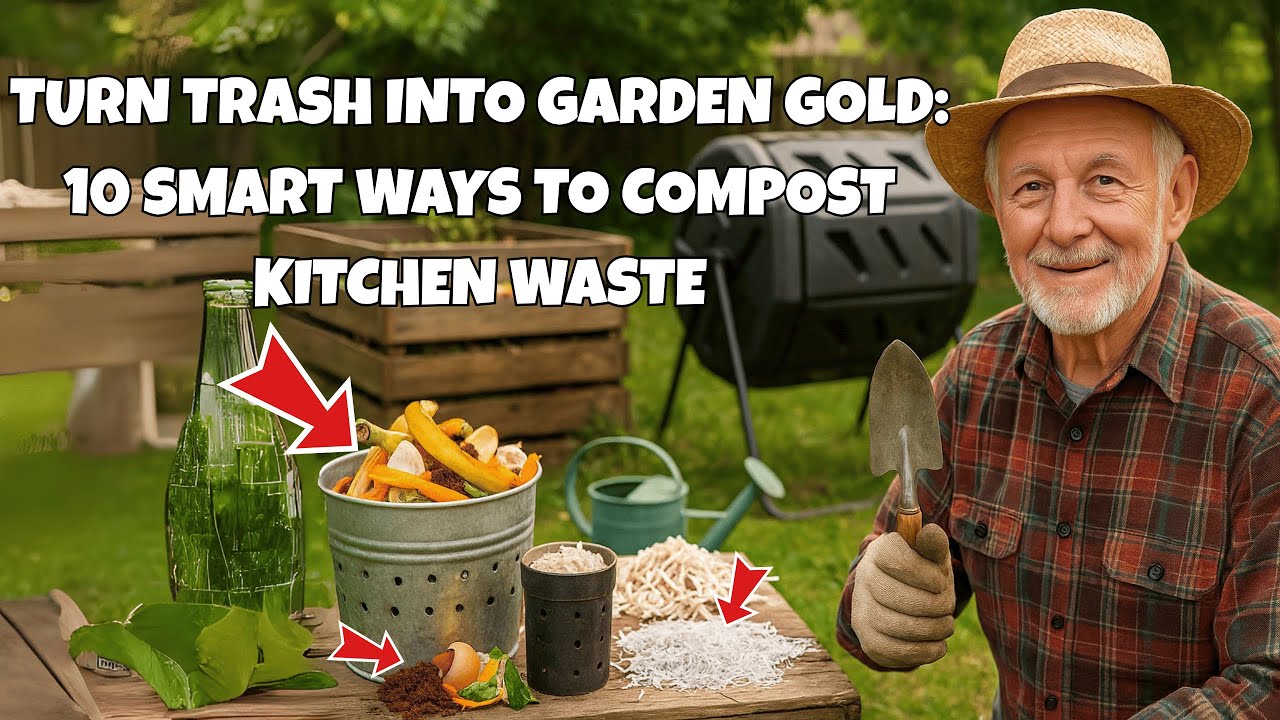
How to Start a Kitchen Compost Bin: Have you ever wondered how to turn your kitchen scraps into something valuable? Starting a kitchen compost bin is easier than you think, and it can save you money while helping the environment.
Imagine reducing your waste and creating rich soil for your plants—all from your own kitchen. In this guide, you’ll discover simple steps to set up your compost bin, what to add, and how to keep it smelling fresh. Ready to transform your food waste into gold?
Let’s dive in and make composting a natural part of your daily routine.

Credit: grandlittleplace.com
Benefits Of Kitchen Composting
Starting a kitchen compost bin helps you manage food scraps easily. It turns waste into something useful.
Composting indoors saves space and makes recycling organic waste simple and clean.
Reducing Household Waste
Kitchen composting cuts down the amount of trash sent to landfills. It keeps food scraps out of the garbage.
- Fruit and vegetable peels
- Eggshells
- Coffee grounds and tea bags
- Small amounts of paper towels
Enriching Soil Naturally
Compost adds nutrients to soil without chemicals. It helps plants grow strong and healthy.
| Benefit | Effect on Soil |
| Improves Texture | Makes soil loose and easy to work |
| Increases Nutrients | Feeds plants with natural minerals |
| Enhances Water Retention | Helps soil hold moisture longer |
Lowering Carbon Footprint
Composting reduces methane gas from waste in landfills. This helps lower greenhouse gases.
Here are key ways composting cuts carbon emissions:
- Stops food waste from rotting in dumps
- Reduces need for chemical fertilizers
- Encourages local recycling of organic matter
Choosing The Right Compost Bin
Starting a kitchen compost bin is a smart way to reduce waste. Picking the right bin makes composting easier and cleaner.
There are many types of compost bins. Consider size, material, and odor control before buying.
Types Of Kitchen Compost Bins
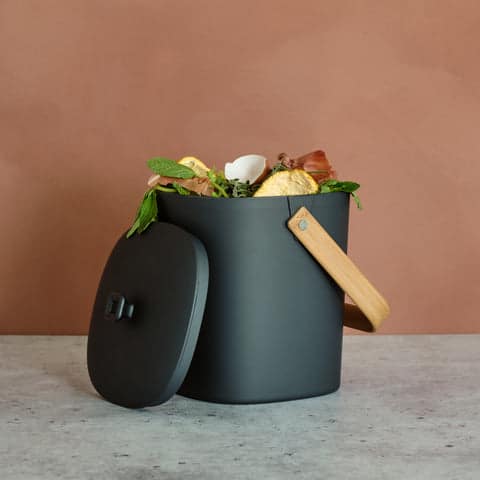
Kitchen compost bins come in different styles. Some are simple buckets, while others have special features.
- Countertop bins for small spaces and easy access
- Bins with lids to keep pests away
- Electric composters that speed up the process
- Bokashi bins that ferment food waste
Size And Material Considerations
Choose a bin size that fits your kitchen space and waste amount. Too big or too small can be hard to manage.
Materials affect durability and cleaning. Common materials include plastic, stainless steel, and ceramic.
- Plastic bins are lightweight and affordable
- Stainless steel bins resist stains and odors
- Ceramic bins look nice but can break easily
Odor Control Features
Odor control is important for indoor compost bins. Good bins reduce smells and keep your kitchen fresh.
Look for bins with tight lids, carbon filters, or vent holes. These help keep odors inside.
- Tight-fitting lids block smells
- Carbon filters absorb odors
- Vents allow air to flow and reduce moisture
Setting Up Your Compost Bin
Starting a kitchen compost bin is simple. It helps reduce waste and create rich soil.
Setting up your bin correctly makes composting easier and cleaner.
Selecting The Location
Pick a spot that is easy to reach from your kitchen. This helps you add scraps often.
Choose a place with good airflow but away from direct sunlight. This keeps the bin from smelling bad.
- Near the kitchen door or under the sink
- Well-ventilated area
- Shaded or cool spot
- Easy to clean around
Preparing The Bin
Use a bin with a tight-fitting lid to keep pests out. It should have holes for air circulation.
Clean the bin well before use. Add a small layer of dry material at the bottom to absorb moisture.
- Choose plastic or metal bin with lid
- Drill small holes for air flow
- Wash the bin with soap and water
- Add dry leaves or paper scraps inside
Adding Initial Compost Materials
Start with a mix of green and brown materials. This balance helps compost break down well.
Add small pieces to speed up the process. Avoid meat, dairy, or oily foods as they attract pests.
- Green materials: vegetable scraps, coffee grounds
- Brown materials: dry leaves, shredded paper
- Chop or tear scraps into small bits
- Do not add meat, dairy, or grease

Credit: www.bamboozlehome.com
What To Compost And What To Avoid
Starting a kitchen compost bin is easy and helps reduce waste. Knowing what to compost and what to avoid is important.
Choosing the right materials keeps your compost healthy and free from pests. Let’s look at common items you can compost and those to skip.
Common Kitchen Waste Items
You can compost many kitchen scraps. These items break down quickly and add nutrients to your compost.
- Fruit peels and scraps
- Vegetable trimmings
- Coffee grounds and filters
- Tea bags (without plastic)
- Eggshells, crushed
- Nut shells (except walnuts)
- Old bread and grains
- Used paper towels and napkins
Items To Exclude
Some kitchen waste can cause problems in compost. Avoid these to keep your bin clean and odor-free.
| Item | Reason to Avoid |
|---|---|
| Meat and fish scraps | Attract pests and smell bad |
| Dairy products | Cause odors and slow decomposition |
| Oils and fats | Slow breakdown and repel water |
| Pet waste | May carry harmful bacteria |
| Diseased plants | Spread disease in compost |
| Walnut shells | Contain toxins harmful to plants |
Balancing Greens And Browns
Good compost needs a balance of green and brown materials. Greens add nitrogen. Browns add carbon.
- Greens: fruit scraps, vegetable waste, coffee grounds
- Browns: dry leaves, paper, cardboard, eggshells
- Mix them well to speed up composting
- A 2:1 ratio of browns to greens works well
Maintaining Your Compost Bin
Keeping your kitchen compost bin healthy helps create rich soil. Regular care speeds up breakdown and prevents problems.
Simple habits keep your compost fresh and useful. Learn how to turn, check moisture, and control smells.
Turning And Aerating
Air is important for composting. Turning your compost mixes materials and adds oxygen. This helps bugs and microbes work faster.
Turn your compost every few days with a small shovel or compost aerator tool. Mix the outside parts into the center.
- Use a garden fork or aerator tool
- Lift and mix the compost gently
- Turn compost about 2-3 times a week
- Avoid over-mixing to keep balance
Monitoring Moisture Levels
Compost should be damp like a wrung-out sponge. Too much water slows down compost and causes bad smells.
Check moisture by squeezing a handful of compost. Add water if dry. Add dry brown materials if too wet.
- Check moisture once a week
- Add water with a spray bottle if dry
- Mix in dry leaves or paper if wet
- Keep compost moist but not soaking
Managing Odors
Good compost should smell earthy, not bad. Rotten smells mean too much wet or green material or little air.
Fix smells by turning the pile and adding dry brown materials like shredded paper or dry leaves.
- Turn compost to add air
- Add dry brown materials for balance
- Keep food scraps chopped small
- Cover fresh scraps with dry layers
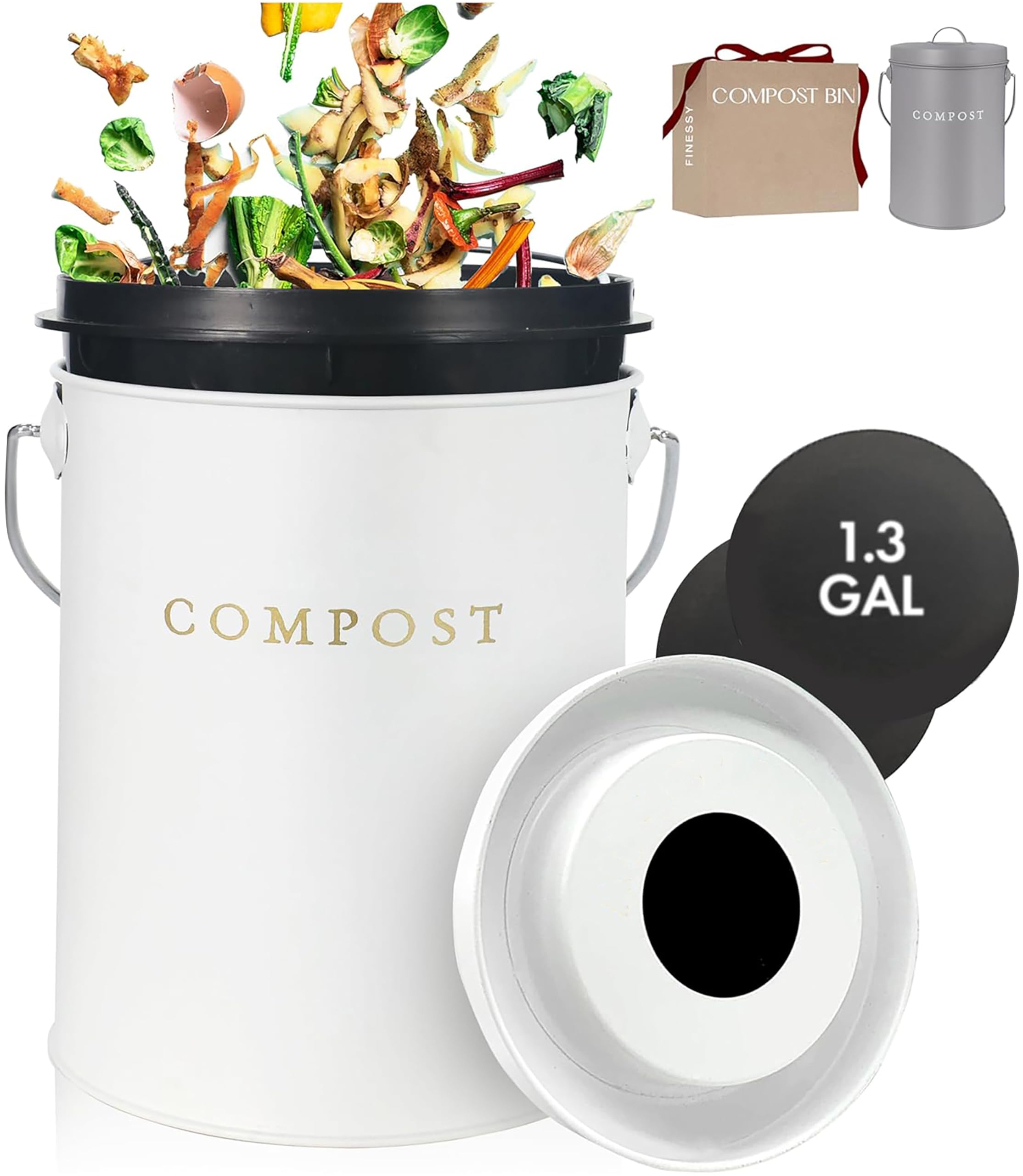
Credit: www.amazon.com
Harvesting And Using Compost
Starting a kitchen compost bin is easy and helps reduce waste. Compost turns food scraps into healthy soil.
Knowing when compost is ready and how to use it will help your garden grow strong.
Recognizing Ready Compost
Finished compost looks dark, crumbly, and smells like earth. It should not smell bad or have large food pieces.
The compost should be cool and dry. If it is still warm or wet, it needs more time to break down.
- Color: Dark brown or black
- Texture: Soft and crumbly
- Smell: Fresh, like soil
- Temperature: Same as room temperature
How To Use Finished Compost
Use finished compost to enrich garden soil or houseplants. It adds nutrients and improves soil texture.
Mix compost into garden beds before planting or sprinkle around plants as mulch. Avoid using too much at once.
- Mix with soil to help plants grow
- Use as mulch to keep soil moist
- Add to potting mix for houseplants
- Do not use compost that is not fully finished
Storing Compost Safely
Store compost in a dry, shaded place to keep it healthy. Use a covered bin or container to protect it from pests.
Keep compost moist but not wet. Stir it occasionally to keep air flowing and prevent bad smells.
- Use a covered bin or container
- Keep compost moist, not soaked
- Store in a cool, shaded area
- Turn compost regularly for airflow
Tips For Long-term Success
Starting a kitchen compost bin is easy, but keeping it working well takes effort.
These tips help you avoid problems and make composting part of your daily life.
Troubleshooting Common Issues
Sometimes your compost bin may smell bad or attract pests. These signs show you need to adjust how you compost.
- Fix bad smells by adding dry leaves or paper to balance wet scraps.
- Turn or stir the compost to add air and speed up breakdown.
- Keep the bin closed to stop fruit flies and rodents.
- Cut food scraps into small pieces to help them decompose faster.
Incorporating Composting Into Daily Routine
Make composting easy by adding it to your daily kitchen habits. This helps you keep the bin active and healthy.
- Place a small compost bin in your kitchen for food scraps.
- Empty the bin into a larger outdoor compost pile regularly.
- Rinse scraps if needed to reduce odor before adding them.
- Keep a supply of dry materials like shredded paper nearby.
- Check the compost bin weekly to turn or mix the contents.
Encouraging Household Participation
Getting everyone in your home to compost makes the process easier and more fun.
Tips to Involve Your Family
- Explain why composting helps the environment.
- Assign simple tasks like collecting scraps or turning the compost.
- Use labeled bins to keep composting organized.
- Celebrate small successes to keep motivation high.
Frequently Asked Questions
What Materials Can I Compost In A Kitchen Bin?
You can compost fruit and vegetable scraps, coffee grounds, eggshells, and tea bags. Avoid meat, dairy, and oily foods to prevent odors and pests.
How Often Should I Empty My Kitchen Compost Bin?
Empty your kitchen compost bin every 2 to 3 days to avoid bad smells and attract pests. Regular emptying keeps compost fresh and manageable.
What Is The Best Location For A Kitchen Compost Bin?
Keep your kitchen compost bin in a cool, dry spot, like under the sink or on a countertop. Ensure it's easily accessible for daily use.
How Do I Control Odors In A Kitchen Compost Bin?
Control odors by adding dry materials like shredded paper or sawdust. Regularly clean the bin and avoid composting smelly foods like meat or dairy.
Conclusion
Starting a kitchen compost bin is simple and rewarding. It reduces waste and enriches soil. Begin with a small, manageable container. Add food scraps like fruit peels and coffee grounds. Stir it occasionally to mix. This helps it break down faster.
Keep the bin in a cool, shaded spot. Soon, you'll have rich compost for your garden. It's a great way to recycle and help the planet. Plus, your plants will thrive. So, gather your scraps and start composting today. It's easy and beneficial for everyone.