Imagine transforming your kitchen with eco-friendly elegance while also enhancing your cooking experience. How to Make Bamboo Kitchen Utensils will guide you to create tools that offer a unique blend of sustainability, durability, and aesthetic appeal.
They're not just tools; they're a statement about your commitment to the environment and your love for quality craftsmanship. But how do you make these beautiful utensils yourself? The process is simpler than you think, and it’s incredibly rewarding. By the end of this guide, you’ll have the knowledge and confidence to create your own set of bamboo kitchen utensils.
You’ll not only save money, but you'll also add a personal touch to your kitchen essentials. Ready to dive into this fulfilling project? Let's get started!
Choosing The Right Bamboo
Bamboo is a strong, light, and eco-friendly material. It is perfect for making kitchen utensils. Choosing the right type of bamboo helps create utensils that last long and look great.
This guide explains how to pick the best bamboo. It covers the types, how to find sustainable sources, and how to prepare the bamboo for crafting.
Types Of Bamboo Suitable For Utensils
Not all bamboo types work well for kitchen tools. Some are too soft or too hard. Here are the best types to use.
- Moso Bamboo:Thick and strong, good for spoons and spatulas.
- Timber Bamboo:Durable and smooth, ideal for cutting boards.
- Golden Bamboo:Light and flexible, great for stirring sticks.
- Black Bamboo:Hard and dense, perfect for utensils that need extra strength.
Sourcing Sustainable Bamboo
Choose bamboo that grows fast and does not harm forests. Sustainable bamboo helps protect the environment and supports local farmers.
| Source | Benefits | Notes |
| Certified Bamboo Farms | Eco-friendly, supports communities | Look for FSC or similar certificates |
| Local Bamboo Suppliers | Fresher bamboo, reduces shipping impact | Check harvesting methods |
| Wild Bamboo | Natural growth, less processed | May vary in quality and size |
Preparing Bamboo For Crafting
Cleaning and drying bamboo is key before making utensils. Proper preparation stops cracks and warping.
- Cut bamboo into usable lengths.
- Remove leaves and outer skin gently.
- Soak bamboo in water for 2 to 3 days.
- Dry bamboo in shade to keep color and strength.
- Sand surfaces smooth before carving.
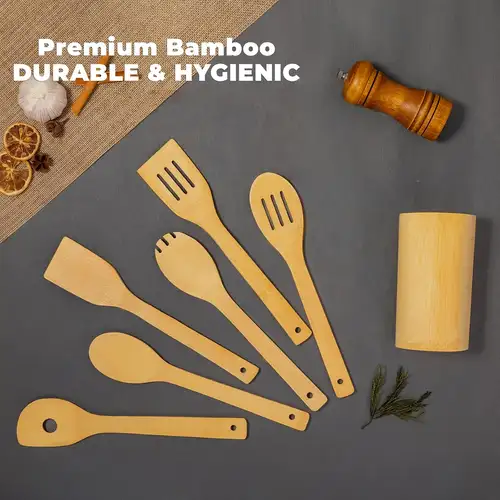
Credit: www.temu.com
Essential Tools And Materials
Making bamboo kitchen utensils needs the right tools and materials. This guide covers the basics you need.
Using quality tools helps you shape bamboo smoothly and safely. Prepare your workspace before starting.
Cutting And Shaping Tools
You need sharp cutting tools to shape bamboo sticks or strips. Choose tools that give you control and accuracy.
- Hand saw or small fine-toothed saw for cutting bamboo
- Utility knife for trimming edges
- Chisels for detailed shaping
- Files to smooth rough cuts
- Clamps to hold bamboo steady while working
Sanding And Finishing Supplies
Sanding removes splinters and smooths bamboo surfaces. Finishing protects utensils from water and stains.
| Material | Purpose |
| Coarse sandpaper (80-120 grit) | Remove rough surfaces |
| Fine sandpaper (220-320 grit) | Smooth and polish |
| Food-safe mineral oil | Protect and condition bamboo |
| Beeswax or food-safe finish | Add shine and seal surface |
Safety Gear
Protect yourself while working with bamboo. Safety gear reduces injury risks and dust inhalation.
- Safety goggles to protect eyes from dust and chips
- Dust mask or respirator to avoid inhaling bamboo dust
- Gloves to protect hands from cuts
- Apron to keep clothes clean
Cutting And Shaping Techniques
Making bamboo kitchen utensils needs careful cutting and shaping. Bamboo is strong but easy to work with the right tools. This guide shows how to measure, cut, and shape bamboo pieces.
Following clear steps helps you create smooth, useful utensils from bamboo. Each step ensures the final product is safe and attractive.
Measuring And Marking Bamboo
Start by measuring the bamboo carefully. Use a ruler or tape measure for accuracy. Mark the bamboo where you want to cut with a pencil or marker.
Marking helps avoid mistakes and waste. Draw clear lines on the bamboo surface. Check measurements twice before cutting.
- Use a fine pencil for clear marks
- Measure twice to reduce errors
- Mark all cutting points and shapes
Cutting Bamboo Sections
Cut bamboo using a sharp saw or a fine-toothed blade. Cut slowly along the marked lines. Keep the bamboo steady to make straight cuts.
Cut sections to the right size for your utensil. Remove any rough edges after cutting. Smooth cuts help prevent splinters and make shaping easier.
- Use a miter saw or hand saw for precision
- Hold bamboo firmly while cutting
- Sand edges after cutting for smoothness
Carving And Shaping Utensil Forms
Shape bamboo with carving tools or sandpaper. Start by carving rough shapes with a knife or chisel. Work slowly to avoid cracking the bamboo.
Use fine sandpaper to smooth the surface and refine the shape. Make sure edges are rounded for safety. Carving and sanding give your utensil its final look.
- Use a sharp carving knife for detailed shapes
- Sand with coarse then fine sandpaper
- Round edges to avoid sharp points

Credit: www.amazon.in
Sanding And Smoothing
Sanding and smoothing are important steps to make bamboo kitchen utensils safe and comfortable to use. These steps remove rough spots and prepare the surface for finishing.
Good sanding helps prevent splinters and gives your utensils a nice, polished look. Let’s look at how to do it well.
Choosing The Right Sandpaper
Pick sandpaper that matches the job. Start with coarse grit to shape the bamboo, then use finer grits to smooth the surface.
Coarse sandpaper removes big bumps. Fine sandpaper makes the surface soft and even.
- Start with 80-100 grit for rough shaping
- Use 150-180 grit for smoothing
- Finish with 220-320 grit for a silky feel
Techniques For A Smooth Finish
Sand along the bamboo grain to avoid scratches. Use gentle, even pressure and move the sandpaper in long strokes.
Check your progress often. Wipe the surface with a cloth to see if it feels smooth. Change to finer sandpaper as needed.
- Sand with the grain, not against it
- Use long, even strokes
- Clean dust often to see the surface clearly
- Switch to finer grit gradually
Removing Splinters And Rough Edges
Check your utensils for splinters or rough edges. Use sandpaper or a sanding block to smooth these areas carefully.
For small splinters, use fine grit sandpaper. For bigger rough spots, start with medium grit first.
- Find splinters by running your fingers gently
- Sand splinters away with fine grit
- Shape rough edges with medium grit
- Finish with fine grit for smoothness
Assembling And Joining Parts
Joining bamboo pieces is key to making kitchen utensils. Strong connections hold the parts together well.
You can use natural glues and binding ways. These keep the utensils safe to use with food.
Using Natural Adhesives
Natural adhesives come from plants or animals. They stick bamboo parts without chemicals.
Common natural glues include starch pastes and hide glue. They dry clear and hold well.
- Rice or wheat starch paste is easy to make.
- Hide glue is strong but takes longer to dry.
- Apply glue thinly for a clean join.
- Clamp parts gently while drying.
Binding Techniques
Binding uses cords or strips to tie bamboo parts. This adds strength and decoration.
Common bindings use natural fibers like rattan or hemp. Wrap tightly around joints for good hold.
- Cut strips or cords to the right length.
- Wrap evenly and overlap for strength.
- Tie knots that won’t slip or loosen.
- Soak fibers first for flexibility.
Ensuring Durability
Durability means the utensil lasts long and stays safe. Proper joining helps it resist wear.
Use tight joints, dry glue well, and seal surfaces. Keep utensils dry after washing to avoid damage.
- Check joints regularly for looseness.
- Smooth rough edges to stop cracks.
- Apply natural oil to protect bamboo.
- Avoid soaking utensils in water.
Finishing Touches
After shaping your bamboo kitchen utensils, it is time to add the finishing touches. These steps help protect the wood and improve its look. They also make the utensils safe to use with food.
Finishing touches include applying oils, adding designs, and drying the utensils properly. These steps increase the life of your bamboo tools.
Applying Food-safe Oils
Applying food-safe oils protects bamboo from moisture and cracking. It also gives the utensils a smooth finish. Use oils that are safe to eat and easy to apply.
Common oils include mineral oil, coconut oil, and walnut oil. Apply the oil with a clean cloth and let it soak in. Repeat the process until the bamboo stops absorbing oil.
- Use a clean, soft cloth for application
- Apply oil evenly on all surfaces
- Let the oil soak for several hours
- Wipe off any extra oil to avoid stickiness
- Repeat every few weeks to maintain protection
Decorative Carving And Design
Decorative carving adds beauty and style to your bamboo utensils. Simple patterns or shapes can make your tools unique. Use carving tools or wood-burning pens for designs.
Keep carvings shallow to avoid weakening the bamboo. Test your design on a scrap piece first. Clean the surface before carving to prevent splinters.
- Plan your design on paper first
- Use sharp, safe carving tools
- Work slowly and carefully
- Sand the carved areas smooth after finishing
- Apply oil after carving to protect the design
Drying And Curing Process
Drying and curing bamboo utensils prevents mold and warping. Let the utensils dry in a cool, dry place. Avoid direct sunlight to stop cracking or fading.
Curing helps the bamboo harden and last longer. It usually takes a few days to a week. Turn the utensils regularly to dry evenly on all sides.
- Place utensils on a rack or hang them
- Keep away from heat sources and sunlight
- Turn the utensils daily for even drying
- Check for cracks or soft spots during drying
- Only use utensils after they are fully dry
Care And Maintenance Tips
Bamboo kitchen utensils are strong and eco-friendly. They need care to last long and stay safe to use.
Proper cleaning, storage, and fixing small problems keep bamboo tools in good shape.
Cleaning Bamboo Utensils
Clean bamboo utensils right after use. Avoid soaking them in water for too long.
Use mild soap and warm water. Wash gently with a soft sponge or cloth.
- Do not put bamboo utensils in the dishwasher
- Dry them completely with a towel after washing
- Air dry in a well-ventilated area
Storage Recommendations
Store bamboo utensils in a dry place. Avoid areas with high humidity.
Keep them away from direct sunlight to prevent cracking and fading.
- Use a utensil holder with good air flow
- Do not stack heavy items on bamboo tools
- Check storage area for moisture regularly
Repairing Minor Damages
Small cracks or rough spots can be fixed easily. Sand the area lightly with fine sandpaper.
Apply a food-safe mineral oil after sanding. This helps protect and restore the bamboo.
- Use a clean cloth to apply the oil
- Let the oil soak in for a few hours
- Wipe off any extra oil before use
Creative Project Ideas
Making bamboo kitchen utensils is a fun and useful project. Bamboo is strong and eco-friendly. It works well for many kitchen tools.
This guide shows ideas for simple spoons and spatulas, unique serving sets, and custom gift sets. These projects suit beginners and skilled crafters.
Simple Spoons And Spatulas
Start by carving simple spoons and spatulas. These tools are easy to shape and useful in every kitchen. Choose smooth bamboo for a nice finish.
Use sandpaper to smooth edges and make handles comfortable. You can add small designs by carving simple patterns.
- Cut bamboo into flat pieces for spatulas
- Shape rounded ends for spoons
- Sand all surfaces to avoid splinters
- Add carved lines or dots for decoration
Unique Serving Sets
Create serving sets with multiple pieces like bowls, forks, and small plates. Bamboo’s light weight makes these easy to handle. Combine different shapes for a unique look.
Try mixing natural bamboo color with painted accents. You can also use natural oils to bring out the bamboo grain and protect the wood.
- Make small bowls by bending thin bamboo strips
- Carve matching forks and knives
- Use food-safe oil to finish the surface
- Paint or carve patterns for style
Custom Gift Sets
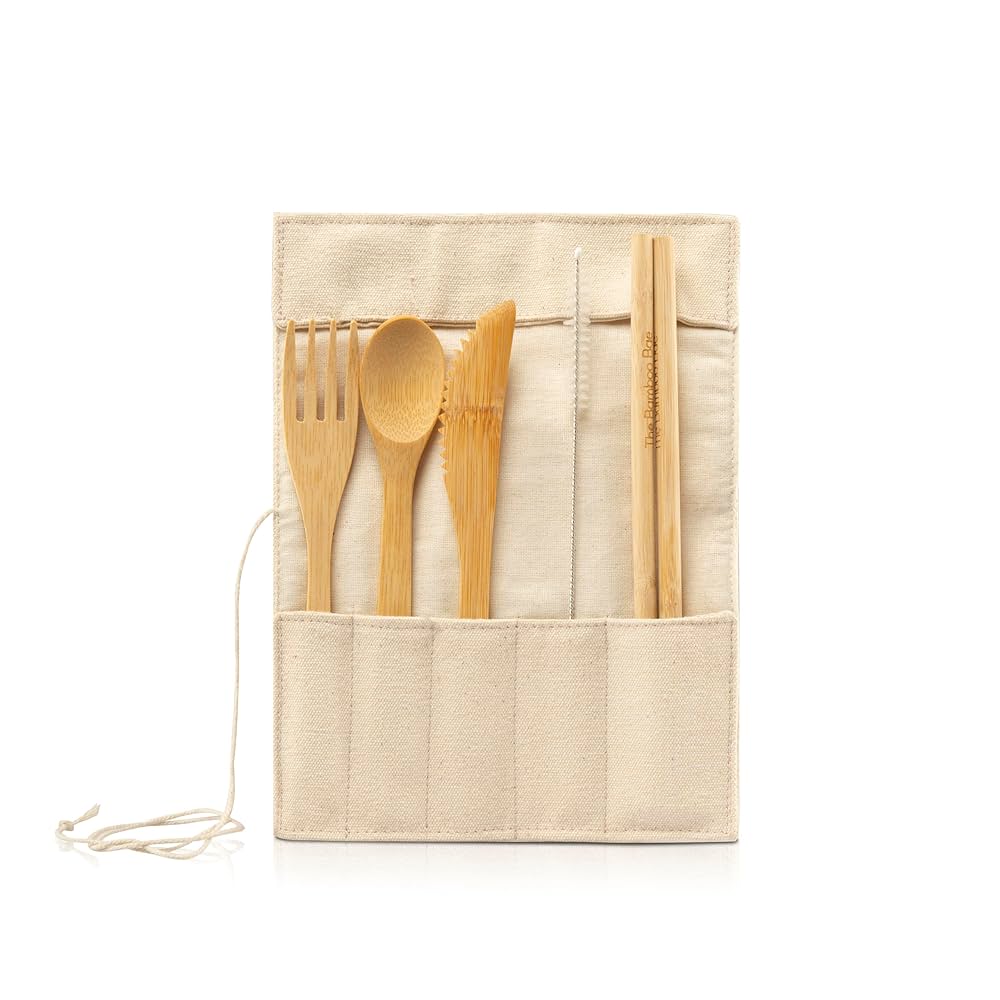
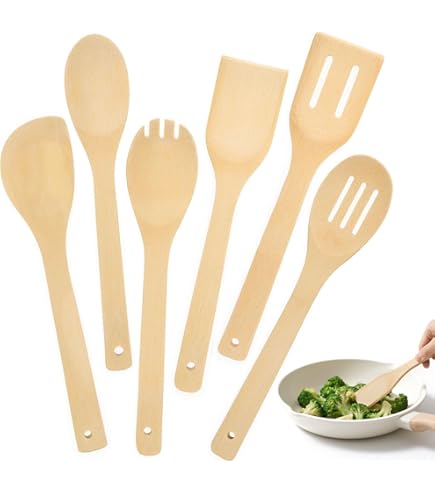
Custom gift sets are great for holidays and special occasions. Combine spoons, spatulas, and small serving boards. Personalize them with names or simple messages.
Wrap the utensils in cloth or bamboo boxes for a nice presentation. These sets show care and skill, making them special gifts.
- Choose utensils with smooth finishes
- Carve or burn names or dates into handles
- Include a bamboo or cloth wrap
- Add a small card with a message
Credit: www.amazon.com
Frequently Asked Questions
What Materials Are Needed To Make Bamboo Kitchen Utensils?
You need bamboo stalks, a saw, sandpaper, a carving knife, and food-safe oil. These materials help shape and finish utensils safely for kitchen use.
How Do You Properly Clean Bamboo Kitchen Utensils?
Clean bamboo utensils with mild soap and warm water. Avoid soaking to prevent cracking. Dry them immediately to maintain durability and hygiene.
Are Bamboo Kitchen Utensils Safe For Cooking?
Yes, bamboo utensils are safe. They are naturally antimicrobial, do not scratch cookware, and resist heat well. Always use food-safe finishes for extra safety.
How Long Do Bamboo Kitchen Utensils Last?
With proper care, bamboo utensils last 1-3 years. Regular oiling and avoiding prolonged water exposure extend their lifespan and maintain their quality.
Conclusion
Making bamboo kitchen utensils is simple and rewarding. You need only basic tools and fresh bamboo. Each step adds to your skills and confidence. These utensils are eco-friendly and last a long time. They bring a natural touch to your kitchen.
Try making them at home for fun and usefulness. Enjoy crafting with bamboo and feel proud of your work. Keep practicing to improve your technique and creativity. Your kitchen will look unique with handmade bamboo tools.