Have you ever wondered if bamboo kitchen utensils are safe for your cooking adventures? As you reach for that sleek bamboo spoon or spatula, you might pause and question its safety.
Bamboo utensils are becoming a popular choice in kitchens worldwide, thanks to their eco-friendly appeal and natural beauty. But what's really going on with these green alternatives? Are they as safe as they are stylish? By the end of this article, you'll know the facts about bamboo kitchen tools, empowering you to make informed decisions in your kitchen.
Keep reading to discover if these trendy utensils deserve a spot in your culinary collection.
Bamboo As A Material
Bamboo is a popular choice for kitchen utensils. It is natural and easy to use. People want to know if bamboo utensils are safe for cooking.
This article looks at the qualities of bamboo. It also explains why bamboo is good for the environment.
Natural Properties Of Bamboo
Bamboo has many strong and useful features. It is hard but lightweight. Bamboo does not absorb water like other woods. This helps keep it clean and dry.
- Bamboo is naturally antibacterial.
- It resists stains and odors.
- Bamboo utensils are smooth and gentle on cookware.
- The material does not release harmful chemicals when heated.
Sustainability And Eco-friendliness
Bamboo grows fast and needs little water. It can be harvested without hurting the plant. This makes bamboo a renewable resource.
| Feature | Details |
| Growth Speed | Up to 3 feet per day |
| Water Use | Low compared to trees |
| Harvesting | Can be done without killing plant |
| Biodegradable | Yes, breaks down naturally |
Health Safety Concerns
Bamboo kitchen utensils are popular for being eco-friendly and durable. Some people worry about their safety in cooking.
This article looks at health risks linked to bamboo utensils. We focus on chemical treatments and bacteria growth.
Chemical Treatments And Coatings
Bamboo utensils may be treated with chemicals to improve durability or appearance. Some chemicals can be harmful if they enter food.
- Some bamboo products use formaldehyde-based resins.
- Coatings may contain synthetic varnishes or paints.
- Untreated bamboo is safer for cooking use.
- Look for bamboo utensils labeled food-safe and chemical-free.
Potential For Bacterial Growth
Bamboo is porous and can absorb water. This creates a risk for bacteria and mold if not cleaned properly.
| Care Tip | Reason |
| Hand wash only | Prevents water damage |
| Dry completely | Stops mold growth |
| Avoid soaking | Reduces bacteria build-up |
| Use food-safe oil | Seals surface against moisture |
Durability And Maintenance
Bamboo kitchen utensils are popular because they last a long time. They resist cracking and breaking better than some woods.
Taking care of bamboo tools keeps them safe to use and extends their life. Proper cleaning and handling matter a lot.
Cleaning And Care Tips
Clean bamboo utensils by hand using warm water and mild soap. Avoid soaking them for a long time.
Dry utensils well after washing. Store them in a dry place to stop mold and warping.
- Do not put bamboo utensils in a dishwasher.
- Use a soft sponge or cloth to clean them.
- Oil bamboo tools occasionally with food-safe oil.
- Avoid harsh chemicals or strong detergents.
Signs Of Wear And Tear
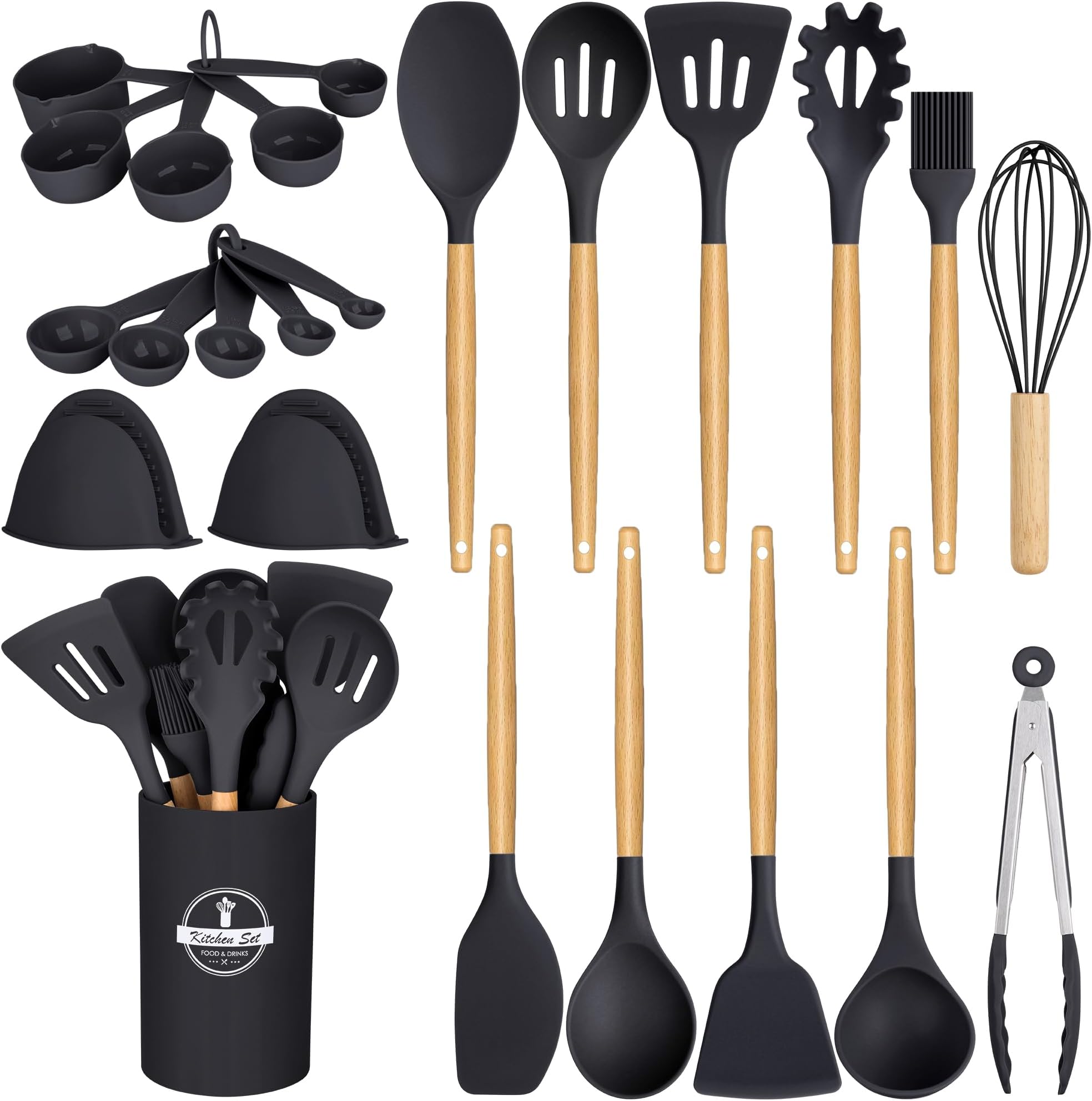
Check bamboo utensils for cracks, splinters, or rough edges. These signs mean the tool is wearing out.
If the utensil feels rough or starts to break, it is time to replace it. Using damaged bamboo can harm your food.
- Cracks or splits in the wood
- Rough or splintered surfaces
- Warping or bending out of shape
- Foul or unusual smells
Credit: www.victus-srl.com
Comparing Bamboo With Other Utensils
Bamboo kitchen utensils are popular for their natural look. Many people wonder if they are safe to use.
This article compares bamboo with wood, plastic, and metal utensils. It helps you decide which is best for your kitchen.
Wood Vs Bamboo
Wood utensils come from many types of trees. Bamboo is a grass, but it acts like wood.
Bamboo grows faster and is more sustainable than most woods. It is harder and less likely to crack.
- Wood can absorb water and stain easily
- Bamboo resists water better and dries fast
- Both are gentle on cookware surfaces
- Bamboo is lighter and often cheaper
Plastic And Metal Alternatives
Plastic utensils are common but may melt or release chemicals when heated. Metal utensils are strong but can scratch pans.
Bamboo is safer with non-stick cookware and does not melt. It also does not react with food like some metals can.
- Plastic may contain harmful chemicals like BPA
- Metal is durable but can damage cookware
- Bamboo is natural and eco-friendly
- Bamboo does not leach chemicals into food
Expert Recommendations
Bamboo kitchen utensils are popular for their natural look and eco-friendliness. Many wonder if they are safe for daily use. Experts offer clear advice on choosing and using these utensils safely.
This guide covers how to select safe bamboo utensils and best ways to care for them. Following expert tips helps keep your kitchen tools clean and durable.
Choosing Safe Bamboo Utensils
Look for bamboo utensils that are free from harmful chemicals. Food-safe finishes and natural bamboo are best. Avoid products with synthetic coatings or paints.
- Choose utensils made from 100% natural bamboo.
- Check for labels that say food-grade or BPA-free.
- Avoid brightly colored or heavily painted utensils.
- Pick brands with transparent sourcing and safety information.
- Inspect for smooth surfaces without cracks or splinters.
Best Practices For Usage
Proper care extends the life of bamboo utensils and keeps them safe. Clean and store them correctly to avoid damage and bacteria growth.
| Care Tip | Details |
| Hand wash only | Use mild soap and warm water. Avoid dishwashers. |
| Dry fully | Air dry or wipe with a towel to prevent mold. |
| Oil regularly | Apply food-safe mineral oil once a month to prevent cracking. |
| Avoid soaking | Do not leave utensils in water for long periods. |
| Store properly | Keep in a dry place away from direct sunlight. |

Credit: www.hungryhuy.com

Credit: menwiththepot.com
Frequently Asked Questions
Are Bamboo Kitchen Utensils Safe For Cooking?
Yes, bamboo utensils are safe for cooking. They are naturally antimicrobial, non-toxic, and do not leach chemicals into food. Bamboo is a sustainable and eco-friendly material, making it a healthy choice for your kitchen.
Do Bamboo Utensils Harbor Bacteria Easily?
Bamboo has natural antibacterial properties that reduce bacterial growth. However, proper cleaning and drying after use are essential to keep utensils hygienic and safe.
Can Bamboo Utensils Withstand Heat During Cooking?
Bamboo utensils can handle normal cooking temperatures without damage. They do not melt or release harmful substances, making them safe for stirring hot food.
How To Clean And Maintain Bamboo Kitchen Utensils?
Clean bamboo utensils with mild soap and warm water. Avoid soaking them for long periods. Dry thoroughly to prevent cracking and extend their lifespan.
Conclusion
Bamboo kitchen utensils offer a safe and eco-friendly choice. They resist stains and do not harbor bacteria easily. These tools stay gentle on your cookware surfaces. Regular cleaning and drying keep them in good shape. Choose utensils made from natural bamboo without harmful chemicals.
This helps protect your health and the environment. Bamboo utensils can last long with simple care. They add a natural touch to your kitchen. Safe, practical, and easy to use. A smart option for everyday cooking needs.