
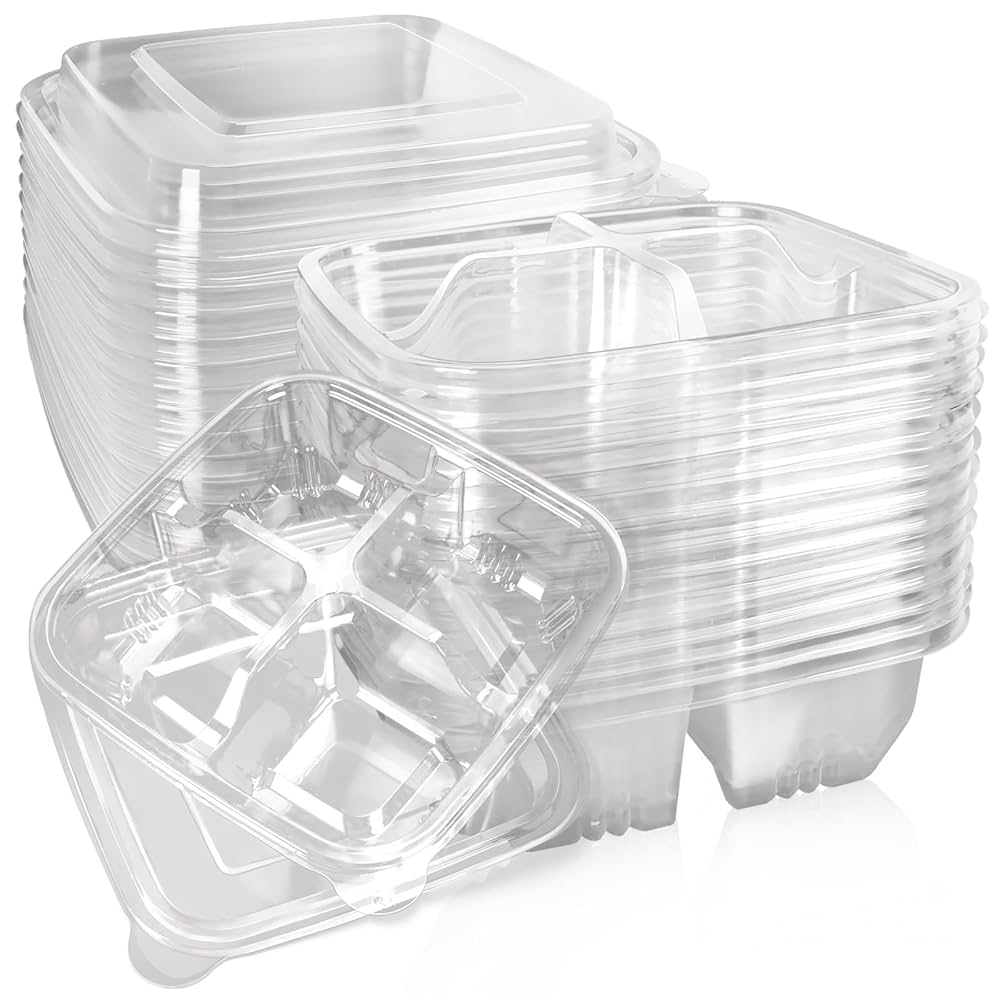
How to Clean Kitchen Plastic Containers is a question many of us face when our trusty storage solutions start to look stained, smelly, or worn out.
These containers are essential in every kitchen, but over time they can lose their freshness and appeal. Imagine opening your cabinet to find every container sparkling clean and odor-free—it’s not just a dream, it can be your reality.
In this guide, we’ll uncover the secrets to restoring your containers to their former glory. Whether it’s stubborn stains or lingering odors, you’ll learn simple, effective methods to make your containers look and feel like new again. Ready to transform your kitchen storage? Let’s dive in and discover how a little cleaning can make a big difference.
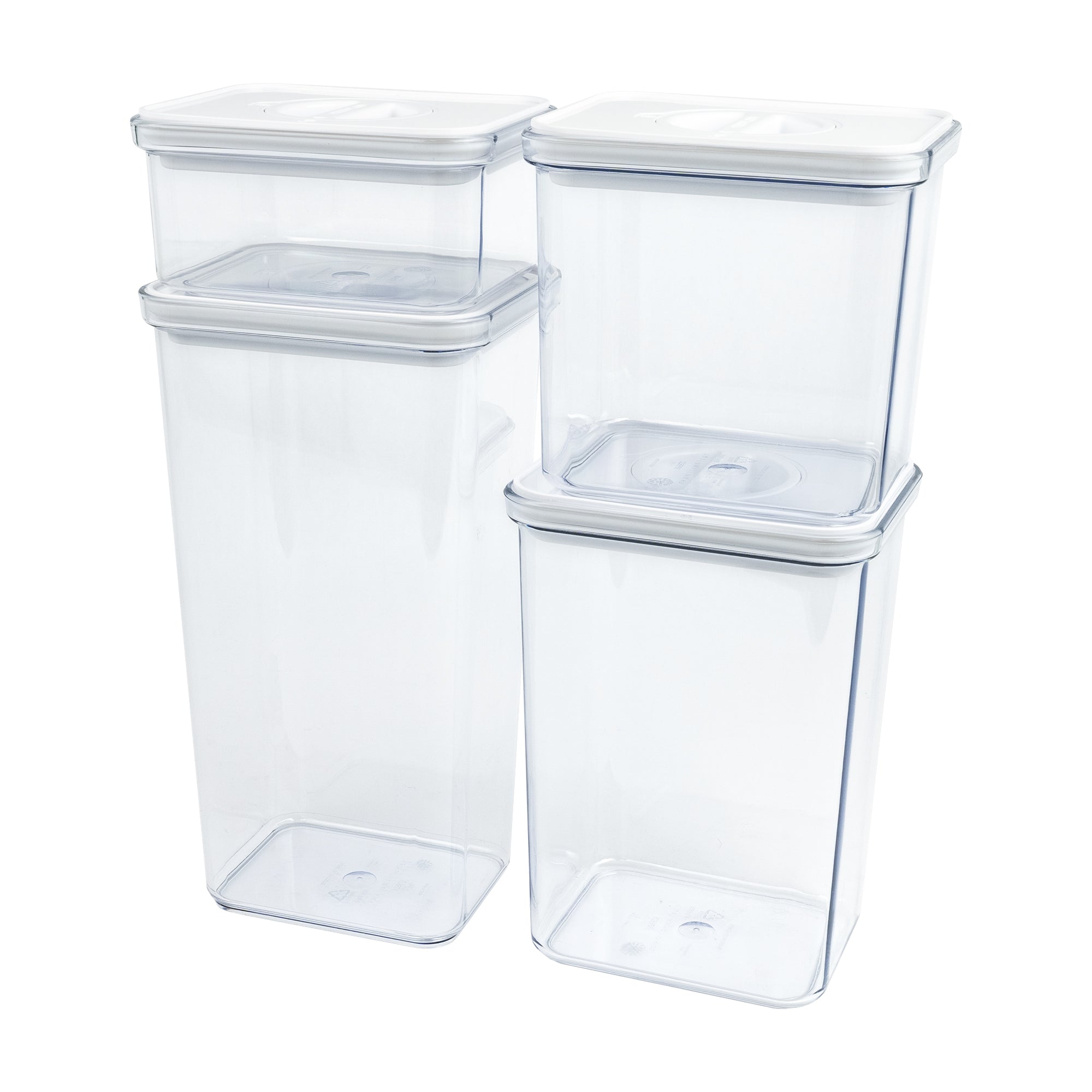
Credit: www.neoflamshop.com
Choosing The Right Cleaner
Cleaning plastic kitchen containers well keeps them safe and lasting longer. Picking the right cleaner helps remove stains and odors without damage.
Some cleaners are gentle and work well for daily use. Others use natural ingredients that are safe for your family. Avoid harsh chemicals that can harm the plastic.
Mild Detergents And Soaps
Mild dish soaps clean plastic containers without scratching or fading them. They break down grease and food residue easily.
Use warm water with a small amount of mild soap. Wash containers gently with a soft sponge or cloth. Rinse well to remove soap.
- Look for fragrance-free soaps for sensitive skin
- Avoid strong degreasers that may damage plastic
- Use mild detergents made for dishes or hand washing
Natural Cleaning Alternatives
Natural cleaners like vinegar and baking soda are safe and effective. They remove stains and odors without chemicals.
Vinegar kills bacteria and cuts grease. Baking soda scrubs off tough spots gently. Mix them with water for a simple cleaner.
- Use a solution of equal parts water and white vinegar
- Sprinkle baking soda on stains and scrub lightly
- Rinse containers thoroughly after cleaning
Avoiding Harsh Chemicals
Harsh chemicals can damage plastic containers. They may cause cracks, fading, or harmful residue.
Stay away from bleach, ammonia, and strong cleaners. These can weaken the plastic and affect food safety.
- Do not use bleach or ammonia-based cleaners
- Avoid abrasive scrubs or steel wool
- Check labels for safe use on plastics
Prepping Containers For Cleaning
Cleaning kitchen plastic containers starts with good preparation. This helps remove dirt and stains more easily.
Follow simple steps to get your containers ready for washing. Proper prep keeps containers fresh and safe to use.
Removing Food Residue
Remove any leftover food before washing. Scrape out scraps with a soft spatula or paper towel to avoid scratching.
- Empty the container completely
- Use a rubber spatula to scrape stuck food
- Wipe with a damp cloth if needed
- Rinse lightly with warm water
Soaking Stubborn Stains
Soak containers with tough stains to loosen grime. Use warm, soapy water and leave them for 15-30 minutes.
| Type of Stain | Soaking Solution | Time |
|---|---|---|
| Grease | Warm water with dish soap | 20 minutes |
| Tomato Sauce | Water with baking soda | 30 minutes |
| Tea or Coffee | Vinegar and water mix | 15 minutes |
Separating Lids And Containers
Take lids off containers before cleaning. This helps clean all parts well and prevents trapped dirt.
- Remove lids completely
- Check seals and grooves for dirt
- Wash lids and containers separately
- Dry lids and containers before storing
Effective Cleaning Techniques
Plastic containers are common in kitchens. Keeping them clean stops smells and stains.
Use safe and simple ways to clean your plastic containers well every time.
Hand Washing Best Practices
Hand washing plastic containers helps remove stuck-on food and oils. Use warm water and soap.
Clean all corners and lids well. Rinse with clear water after scrubbing.
- Use a soft sponge to avoid scratches
- Wash lids and seals separately
- Dry containers completely before storing
Using Baking Soda And Vinegar
Baking soda and vinegar remove stains and odors from plastic containers. They are natural cleaners.
Sprinkle baking soda inside the container. Add vinegar to create fizz. Let it sit for 10 minutes.
- Scrub gently with a sponge
- Rinse well with warm water
- Dry completely to prevent smell
Dishwasher Tips For Plastics
Check if your plastic containers are dishwasher safe. Place them on the top rack to avoid heat damage.
Use a gentle cycle and mild detergent. Remove containers soon after the cycle ends to air dry.
- Avoid high heat settings
- Do not overload the dishwasher
- Keep lids separate for better cleaning
Tackling Stains And Odors
Plastic kitchen containers can get stains and smells from food. Cleaning them well keeps your kitchen fresh and safe.
This guide helps you remove tough stains, get rid of bad odors, and stop future problems.
Removing Tough Stains
Stains from tomato sauce, curry, or berries can be hard to clean. Use simple tricks to make your containers look new again.
Try soaking the containers in warm soapy water first. Then scrub gently with a sponge or soft brush.
- Use baking soda paste on stains and let it sit for 15 minutes.
- Rub the paste gently and rinse well.
- For strong stains, soak containers in diluted white vinegar for 30 minutes.
Eliminating Lingering Smells
Plastic containers can keep smells from garlic, onions, or fish. Removing these odors makes your containers fresh.
Use natural ingredients that absorb smells and clean the plastic safely.
- Fill the container with a mixture of water and lemon juice.
- Leave it open in the sun for a few hours to freshen up.
- Place a small bowl of baking soda inside the container overnight.
- Rinse containers with cold water and dry them well.
Preventing Future Discoloration
Keep your containers clear and bright by avoiding stains and smells before they start. Clean them soon after use.
Use these tips to protect your plastic containers over time.
- Wash containers immediately after storing colorful or strong-smelling foods.
- Use mild dish soap and soft sponges to avoid scratches.
- Store containers with lids off to prevent moisture buildup.
- Avoid using plastic containers in the microwave for long times.
Drying And Storing Containers
Cleaning kitchen plastic containers is only half the task. Drying and storing them properly keeps them fresh and safe to use. This guide covers the best ways to dry and store your containers to avoid problems.
Following good drying and storage methods helps prevent mold growth and keeps your kitchen neat. Let’s look at key tips to handle your containers correctly.
Proper Drying Methods
Dry your containers completely before storing. Water left inside can cause bad smells and bacteria. Use a clean towel or air dry them upside down on a rack. Make sure lids dry separately to avoid moisture buildup.
- Shake off excess water after washing
- Place containers and lids upside down on a drying rack
- Use a clean dish towel to wipe hard-to-reach spots
- Allow them to air dry fully before storage
Avoiding Mold And Mildew
Mold grows in damp, dark places. Keep containers dry and store them in well-ventilated areas. Check containers for any signs of mold before use. Clean and dry containers immediately after use to stop mold growth.
| Cause | Prevention |
| Moisture inside containers | Dry completely before storing |
| Sealed containers with wet lids | Dry lids separately |
| Dark, humid storage spaces | Store in dry, airy places |
Organizing For Easy Access
Keep your containers neat and easy to find. Stack them by size and type. Label lids and containers if possible. Use storage bins or shelves to keep sets together and prevent clutter.
- Store containers with matching lids together
- Use clear bins to see contents quickly
- Place frequently used containers at eye level
- Keep lids in a separate container or organizer
:max_bytes(150000):strip_icc()/sl-plastic-free-kitchen-items-tout-002962ef52df4243ab28acb4c58b1a39.jpg)
Credit: www.southernliving.com
Maintaining Container Quality
Plastic containers are useful in the kitchen for storing food. Keeping them clean helps maintain their quality.
Proper care stops damage and keeps containers safe for use. This guide shares tips for cleaning and care.
When To Replace Plastic Containers
Plastic containers should be replaced if they show signs of wear. Old containers can harm food quality.
Replace containers if they have deep scratches, stains, or a bad smell that won’t go away.
- Cracks or breaks in the plastic
- Permanent stains or odors
- Warping or misshaped lids
- Discoloration or cloudiness
Avoiding Warping And Cracks
Heat can warp plastic containers and cause cracks. Avoid using them in very hot conditions.
Do not put plastic containers directly on stove or in the oven. Use only microwave-safe containers in the microwave.
- Wash with warm, not hot, water
- Do not use abrasive scrubbers
- Avoid sudden temperature changes
- Store containers with lids off to prevent pressure
Safe Usage Tips
Use plastic containers correctly to keep food safe and containers lasting longer. Follow these simple tips.
- Hand wash containers gently with mild soap
- Check labels for microwave and dishwasher safety
- Avoid storing oily or acidic foods for a long time
- Dry containers fully before storing to avoid mold
- Keep containers away from direct sunlight

Credit: www.amazon.com
Frequently Asked Questions
How Do I Remove Odors From Plastic Containers?
To remove odors, wash containers with warm water and baking soda. Let them soak for 30 minutes, then rinse well. Sun-drying also helps eliminate stubborn smells naturally and effectively.
Can I Clean Plastic Containers In A Dishwasher?
Yes, most plastic containers are dishwasher-safe. Place them on the top rack to avoid warping. Check manufacturer instructions to confirm dishwasher safety before cleaning.
How To Prevent Stains On Plastic Containers?
Avoid storing highly pigmented foods like tomato sauce for long periods. Rinse containers immediately after use and apply a thin layer of cooking oil to prevent stains.
What Is The Best Homemade Cleaner For Plastic Containers?
A mixture of vinegar and water works well. Spray the solution, let it sit for 10 minutes, then scrub gently and rinse. This removes stains and disinfects effectively.
Conclusion
Cleaning kitchen plastic containers keeps them safe and fresh for use. Use warm water, soap, and a soft sponge to avoid scratches. Remove stains with baking soda or vinegar for better results. Dry containers fully before storing to prevent odors.
Regular cleaning helps containers last longer and stay hygienic. Small efforts make a big difference in kitchen care. Keep your plastic containers clean and enjoy fresh food every day. Simple steps lead to a tidy and healthy kitchen space.


