
Are you tired of opening your kitchen cabinets only to be met with an avalanche of plastic containers? If you’ve ever felt overwhelmed by the clutter, you’re not alone.
Managing the chaos of plastic containers can be a real headache, but it doesn’t have to be. Imagine a kitchen where every container has its place, and you can find the right lid at a moment’s notice. Sounds like a dream, right?
Well, it’s time to turn that dream into reality. In this guide, you’ll discover simple, effective strategies to store your plastic containers, transforming your kitchen into an organized haven. Dive in, and let’s declutter your space together!
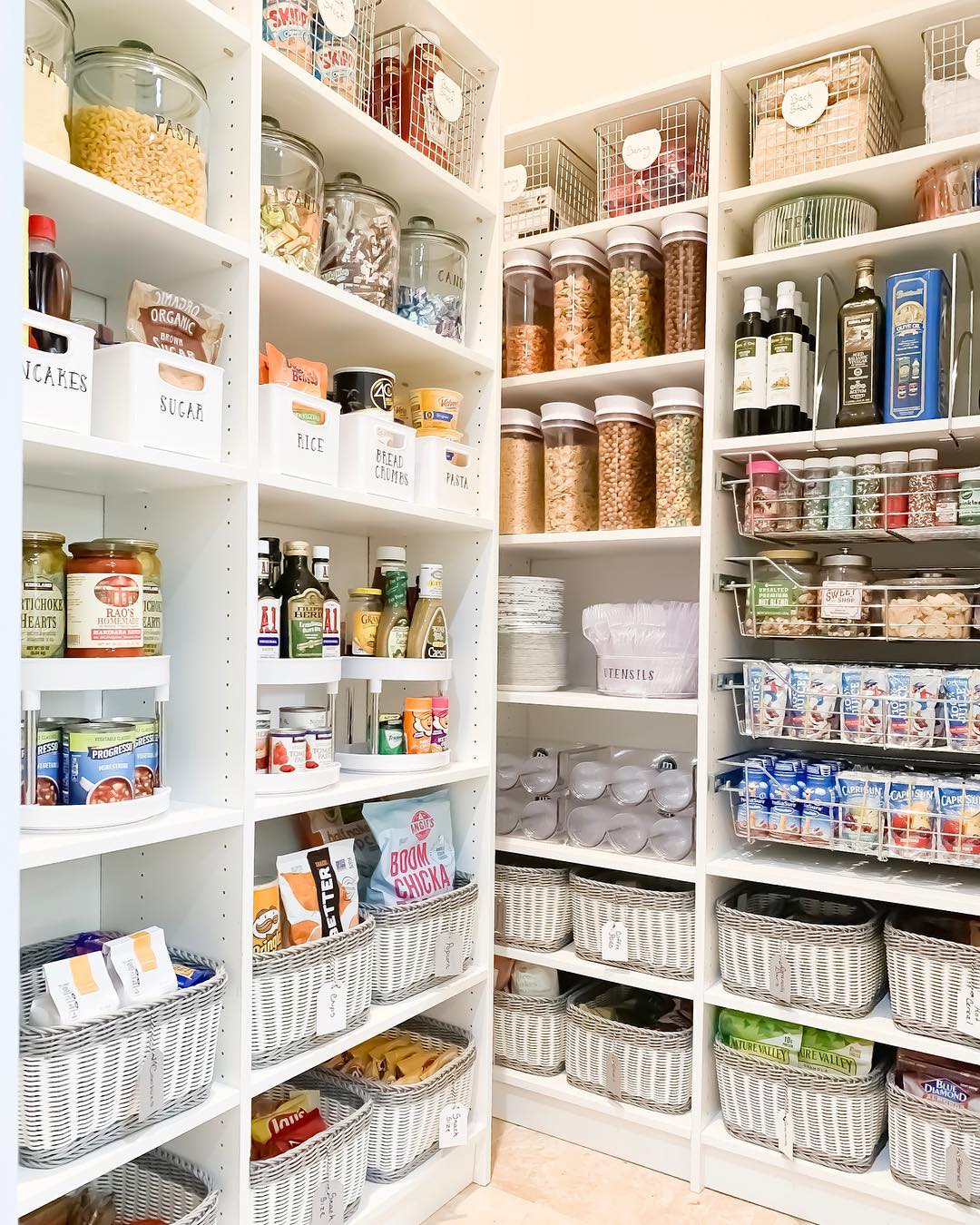
Credit: www.extraspace.com
Choosing The Right Containers
Plastic containers help keep your kitchen organized. Choosing the right ones saves space and keeps food fresh.
Consider material, size, and lids when picking containers. These factors affect how useful they are in your kitchen.
Material Matters
Plastic containers come in many materials. Some are better for storing food, while others last longer.
Look for BPA-free plastics. They are safer for food storage. Thick, durable plastic lasts longer and resists stains.
- Polypropylene (PP): Safe and heat-resistant
- Polyethylene (PE): Flexible and durable
- BPA-free plastics: Health-friendly option
Sizes And Shapes
Choose containers in different sizes to fit various foods. Small ones work for snacks, large ones for leftovers.
Use stackable shapes to save space in your kitchen. Square or rectangular containers fit better than round ones.
- Small: For nuts, spices, and snacks
- Medium: For fruits and leftovers
- Large: For bulk items and large meals
- Stackable shapes: Save shelf space
Lids And Seals
Good lids keep food fresh and prevent spills. Look for tight seals that close securely.
Some lids snap on, others twist. Choose lids that are easy to open and close but stay tight.
- Snap-on lids: Quick and easy
- Twist lids: Secure and leak-proof
- Silicone seals: Add extra freshness

Credit: www.reddit.com
Sorting And Decluttering
Plastic containers often clutter kitchen cabinets and drawers. Sorting and decluttering help keep your kitchen tidy and efficient.
Organizing containers makes it easier to find what you need and saves space.
Discard Damaged Containers
Throw away containers that are cracked, warped, or stained. Damaged containers can leak or hold bacteria.
- Check each container for cracks or holes.
- Look inside for stains or odors that won’t go away.
- Recycle containers that are no longer safe to use.
Match Lids With Containers
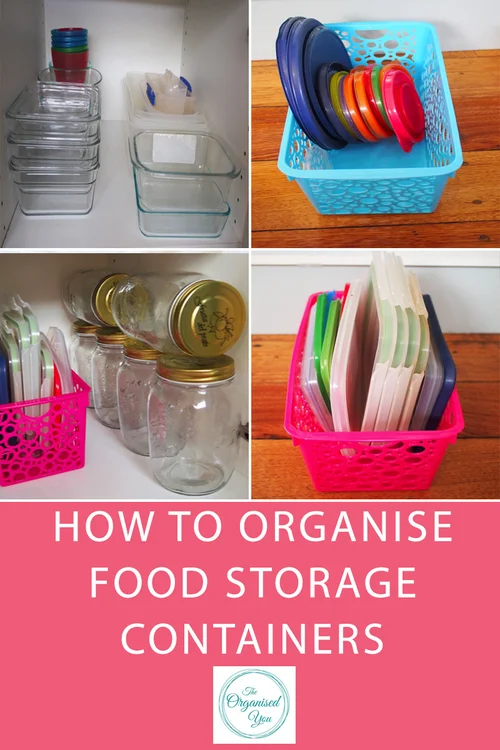
Keep lids and containers together to avoid losing pieces. Mismatched lids cause clutter and waste space.
| Tip | Explanation |
| Store lids vertically | Use a rack or box to keep lids upright and visible. |
| Stack containers inside each other | Place smaller containers inside larger ones to save room. |
| Use labels | Label lids and containers if they look alike but don’t fit together. |
Group By Use And Size
Sort containers by how you use them and their size. This makes it quick to grab the right one.
- Separate containers for leftovers, meal prep, or snacks.
- Group small, medium, and large containers together.
- Keep frequently used containers in easy reach.
Storage Solutions
Keeping plastic containers organized makes your kitchen neat. It saves space and helps you find lids and containers fast.
There are easy ways to store plastic containers. You can stack them, use drawer organizers, or add shelves and racks.
Stacking Techniques
Stack containers by size to save space. Put larger containers at the bottom and smaller ones on top.
Keep lids with their containers to avoid losing them. Nest containers inside each other to make stacks smaller.
- Sort containers by size
- Stack containers inside each other
- Match lids with containers
- Use vertical space well
Using Drawer Organizers
Drawer organizers keep containers and lids separated. They stop items from moving around in the drawer.
Choose organizers with sections for different sizes. This way, you can find what you need quickly.
- Pick organizers with compartments
- Separate lids from containers
- Label sections if needed
- Keep frequently used items near the front
Cabinet Shelves And Racks
Use shelves and racks inside cabinets to store containers neatly. Adjustable shelves help fit different container sizes.
Racks can hold lids upright or hang containers. This keeps items visible and easy to grab.
- Install adjustable shelves
- Use racks for lids and containers
- Arrange by container type or size
- Keep heavy items on lower shelves
Space-saving Tips
Plastic containers are useful but can take a lot of space in the kitchen. Proper storage helps keep your kitchen neat and organized.
Using smart storage ideas lets you save space and find containers quickly. Try these easy tips to store your plastic containers better.
Nesting Containers
Nesting means putting smaller containers inside larger ones. This saves a lot of room in your cabinets or drawers.
Keep lids separate or stack them vertically next to the nested containers. This keeps everything easy to find and use.
- Sort containers by size before nesting
- Store lids in a box or a lid organizer
- Use containers with similar shapes for better nesting
Vertical Storage Options
Vertical storage uses height instead of width or depth. It works well in small kitchens with limited drawer space.
Use racks, shelves, or organizers that stand upright. This method keeps containers visible and easy to grab.
- Place container lids in vertical slots
- Use magazine holders to store containers upright
- Install wall-mounted racks for extra space
Multi-purpose Storage Ideas
Some storage items work for more than just containers. Use baskets, bins, or drawer dividers for flexible organizing.
These items can hold containers, lids, and other kitchen tools. They help keep your space tidy and containers easy to find.
- Use clear bins to see contents easily
- Drawer dividers keep containers and lids separated
- Baskets can hold odd-shaped containers or lids
Maintenance And Cleaning
Keeping plastic containers clean helps them last longer and stay safe for food. Proper care stops stains and odors from building up.
Follow simple cleaning and drying steps to keep your kitchen organized and your containers fresh.
Regular Cleaning Routine
Wash plastic containers after every use to prevent bacteria growth. Use warm water with mild soap for cleaning.
Scrub the corners and lids well to remove all food residues.
- Use a soft sponge to avoid scratches
- Rinse thoroughly to remove soap
- Clean lids and seals separately
- Check for cracks or damage regularly
Avoiding Stains And Odors
Some foods can leave stains or smells in plastic containers. Clean containers soon after use to stop this problem.
Use natural cleaners like baking soda or vinegar to remove stubborn odors and stains.
- Rinse containers quickly after storing strong-smelling foods
- Soak containers in a baking soda solution for 15 minutes
- Use vinegar to deodorize and disinfect
- Avoid storing oily or colored foods for long periods
Proper Drying Methods
Dry plastic containers completely before storing. Moisture can cause mold and bad smells.
Air drying is best. Place containers upside down on a clean rack to let water drip out.
- Use a clean towel if air drying is not possible
- Store containers with lids off to allow airflow
- Keep containers in a dry, cool place
Credit: www.theorganisedyou.com
Frequently Asked Questions
How To Organize Plastic Containers Efficiently In Kitchen?
Stack containers by size and nest lids separately. Use clear bins to group similar items. Label containers for quick access. This method saves space and keeps your kitchen tidy and functional.
Can Plastic Containers Be Stored Inside Each Other?
Yes, nesting plastic containers saves space. Always separate lids and stack containers from largest to smallest. This prevents damage and keeps your kitchen organized.
What Is The Best Place To Store Plastic Containers?
Store plastic containers in a cool, dry cabinet or drawer. Avoid direct sunlight and heat sources to prevent warping and deterioration.
How To Keep Plastic Container Lids Organized?
Use a dedicated bin or a lid organizer rack. Sort lids by size or shape for easy retrieval. This keeps lids tidy and prevents clutter.
Conclusion
Storing plastic containers neatly saves space and keeps kitchens tidy. Stack containers by size to avoid clutter. Use lids as separators or store them together in one place. Keep containers dry to prevent bad smells or mold. Regularly check for cracks or damage to stay safe.
Simple steps make kitchen storage easier and faster. A clean, organized kitchen feels more pleasant. Try these tips and enjoy a clutter-free space every day.