
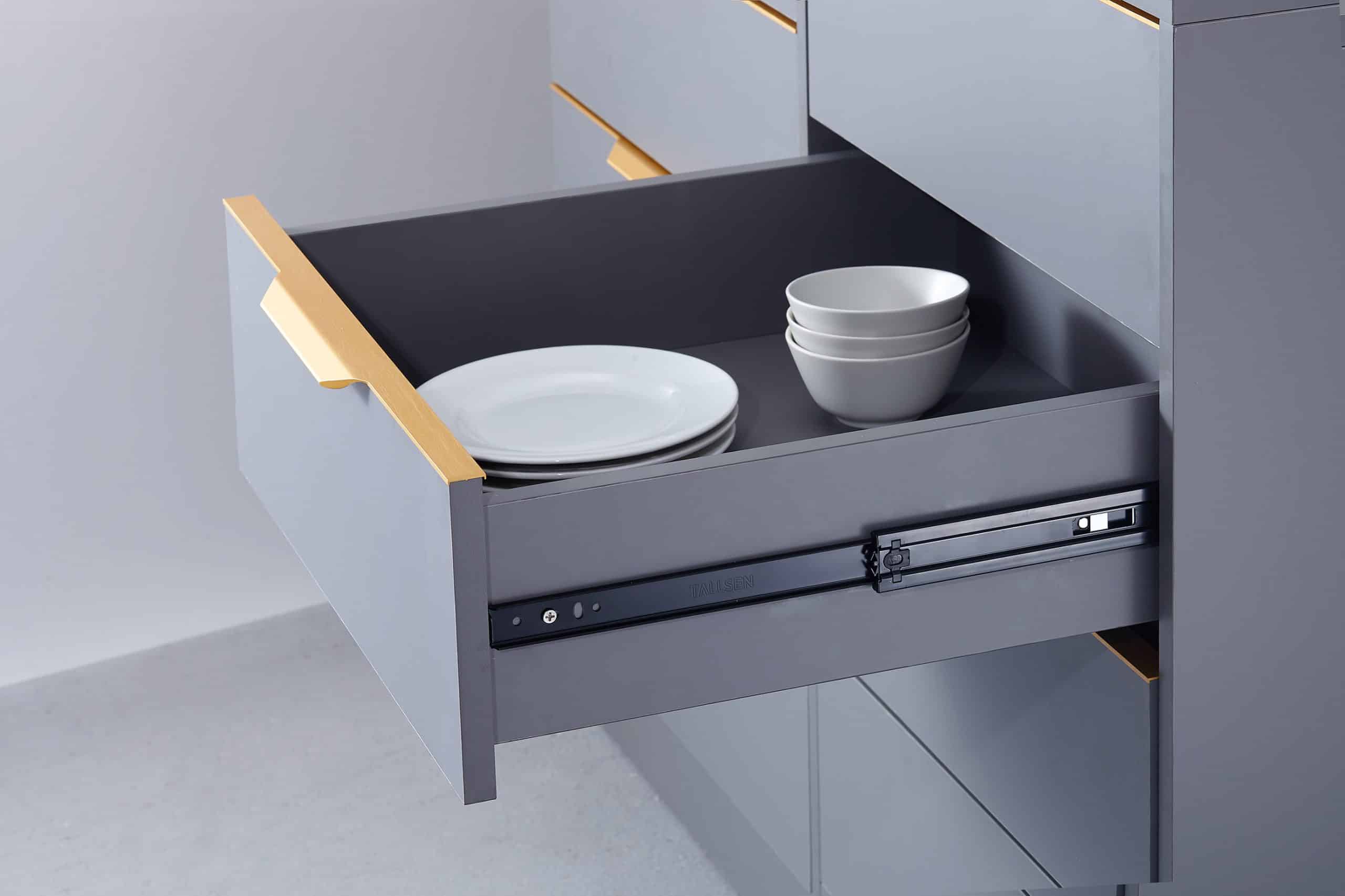
Are you tired of wrestling with that stubborn kitchen drawer every time you need a fork or spoon? A malfunctioning drawer slide can turn even the simplest kitchen task into a frustrating ordeal.
You deserve a smooth, hassle-free experience in your kitchen. Imagine the satisfaction of pulling out a perfectly gliding drawer with just one finger. In this guide, you'll discover simple steps on how to fix a kitchen drawer slide, no handyman required. You'll not only save time and effort but also restore harmony to your cooking space.
Read on to transform your kitchen experience and bring back the joy of effortless access to your essentials.
Common Drawer Slide Issues
Kitchen drawer slides can have problems that stop them from working well. Fixing these issues helps your drawers open and close smoothly.
Knowing the common problems makes it easier to repair drawer slides and keep your kitchen organized.
Sticking And Jamming
Drawers often stick or jam when dirt or debris blocks the slide. Dust and crumbs build up inside the tracks and cause friction.
Old or dry slides may also stick because they need lubrication. Without oil, metal parts rub hard and slow down the drawer.
- Clean tracks with a soft cloth or brush
- Remove crumbs and debris regularly
- Apply a silicone-based lubricant to slides
- Check for any bent or damaged parts
Loose Or Misaligned Slides
Loose screws or misaligned slides make drawers wobble or not close fully. This happens when slides get knocked or screws loosen over time.
Check if the slides sit straight and tight. Realign or tighten screws to fix the problem and improve drawer movement.
- Use a screwdriver to tighten loose screws
- Adjust the slide position so it is straight
- Make sure both slides on each side match in height
- Test the drawer after adjustments
Broken Or Damaged Components
Parts like rollers, tracks, or brackets can break from wear or force. Damaged pieces stop the drawer from sliding properly.
Replacing broken components is necessary to restore full function. Use parts that match the original slides for best results.
- Inspect rollers for cracks or missing pieces
- Look for bent or cracked slide tracks
- Replace damaged brackets or screws
- Buy replacement parts that fit your drawer model

Credit: www.familyhandyman.com
Tools And Materials Needed
Fixing a kitchen drawer slide needs the right tools and materials. Using these items makes the repair easier and faster.
This guide lists the basic hand tools, lubricants and cleaners, and replacement parts you will need.
Basic Hand Tools
You need simple hand tools to remove and install drawer slides. These tools help you take apart the drawer safely.
- Screwdriver (flathead and Phillips)
- Measuring tape
- Hammer or rubber mallet
- Pliers
- Drill with drill bits (optional)
- Utility knife
- Level
Lubricants And Cleaners
Lubricants help drawer slides move smoothly. Cleaners remove dirt and old grease that block movement.
- Silicone spray lubricant
- White lithium grease
- All-purpose cleaner or mild soap
- Clean cloths or rags
- Old toothbrush or small brush for cleaning
Replacement Parts
You may need to replace worn or broken parts on the drawer slide. Having replacements ready helps finish the job quickly.
- New drawer slides (side mount, under mount, or center mount)
- Screws that fit your drawer and slides
- Mounting brackets, if your slides use them
- Drawer bumpers or stops
Preparing The Drawer For Repair
Fixing a kitchen drawer slide starts with good preparation. You need to get the drawer ready for repair carefully. This helps avoid damage and makes the repair easier.
First, remove the drawer safely. Then clean the slide tracks well. These steps ensure the drawer works smoothly again.
Removing The Drawer Safely
Take your time when removing the drawer. Follow these tips to avoid breaking parts or hurting yourself.
- Pull the drawer out fully until it stops.
- Look for clips or levers on the sides of the drawer.
- Press or lift the clips gently to release the drawer.
- Hold the drawer firmly and pull it out straight.
- Place the drawer on a flat surface to work on it.
Cleaning The Slide Tracks
Clean slide tracks to remove dirt and old grease. This helps the drawer move smoothly after repair.
| Material | Cleaning Method | Tools Needed |
|---|---|---|
| Metal Slides | Wipe with a cloth and mild detergent | Cloth, mild detergent, water |
| Plastic Slides | Use warm soapy water and a soft brush | Soft brush, mild soap, water |
| Ball Bearing Slides | Remove debris carefully, avoid water inside | Compressed air, dry cloth |
Fixing Stuck Or Jammed Slides
Kitchen drawers often get stuck or jammed because the slides are dirty or misaligned. Fixing them can make your drawers open and close smoothly again. You do not need special tools for most repairs.
This guide explains how to fix stuck drawer slides by lubricating the tracks and adjusting their alignment. Follow these tips to restore proper function to your kitchen drawers.
Lubricating The Tracks
Lubricating the drawer slides reduces friction and helps the drawer move easily. You can use different types of lubricants depending on the slide material.
- Clean the tracks with a dry cloth to remove dust and debris.
- Use a silicone spray or a dry lubricant for metal slides.
- Apply a small amount of lubricant evenly along the tracks.
- Open and close the drawer several times to spread the lubricant.
- Wipe off any excess lubricant to avoid attracting dirt.
Adjusting Alignment
Misaligned slides cause drawers to jam or stick. Adjusting the alignment can fix this issue and improve drawer operation.
| Action | Details |
|---|---|
| Check drawer position | Remove the drawer and inspect the slides for damage or dirt. |
| Loosen screws | Loosen the screws on the slides to allow movement. |
| Align slides | Move the slides so they are parallel and properly positioned. |
| Tighten screws | Secure the slides by tightening the screws firmly. |
| Test drawer | Insert the drawer and test the smoothness of its movement. |
Tightening And Realigning Loose Slides
Loose kitchen drawer slides can cause drawers to stick or fall off track. Fixing them helps the drawer open and close smoothly.
This guide shows how to tighten screws and realign slides for better drawer movement.
Checking Screws And Mounts
Loose screws often cause drawer slides to wobble. Check all screws holding the slides and mounts carefully.
Use a screwdriver to tighten any loose screws. Replace missing screws with ones of the same size.
- Remove the drawer from the cabinet
- Look at the screws on both sides of the slide
- Tighten any screws that are loose
- Replace any missing or stripped screws
- Put the drawer back and test its movement
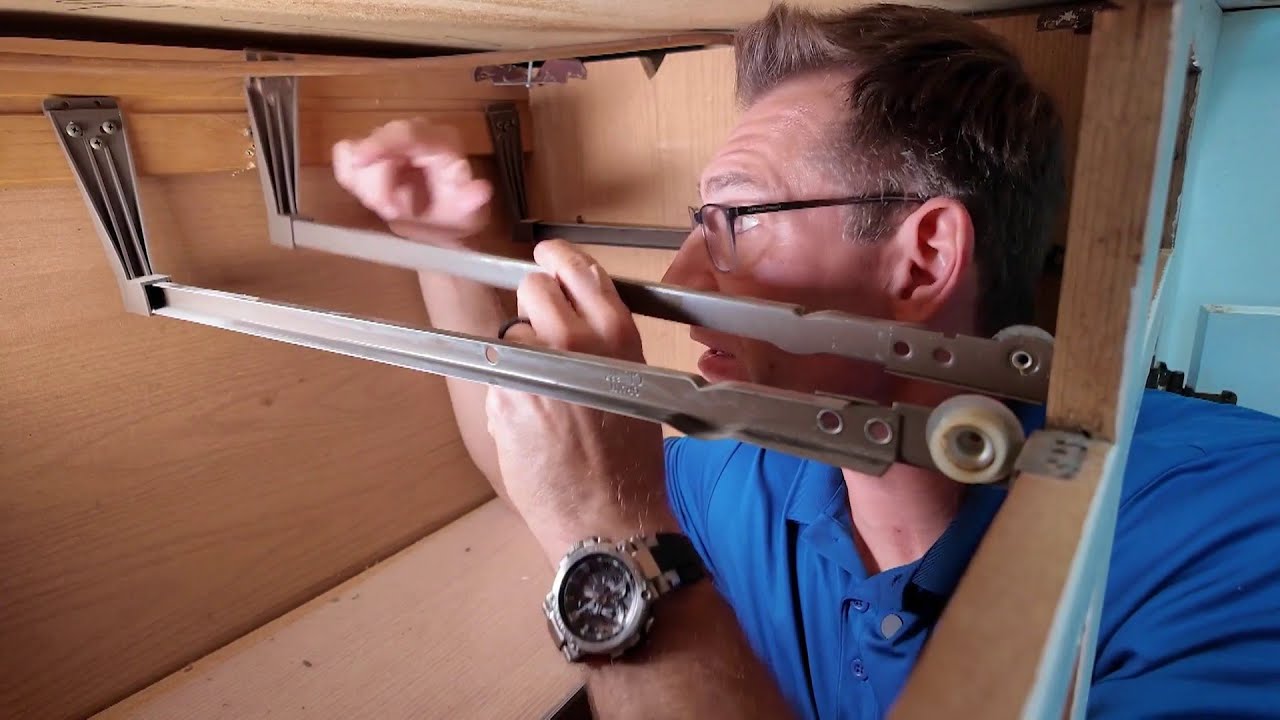
Repositioning Slides
If tightening screws does not fix the problem, slides may be misaligned. Repositioning slides can fix the drawer’s path.
Loosen screws slightly to move the slide up, down, forward, or backward. Adjust until the drawer moves smoothly.
- Loosen the screws on the drawer slide
- Shift the slide slightly in the needed direction
- Retighten screws and test the drawer
- Repeat adjustments if the drawer sticks or binds
- Make sure both sides are aligned evenly
Credit: www.youtube.com
Replacing Broken Drawer Slides
Kitchen drawer slides wear out or break over time. Fixing them keeps drawers working smoothly. Replacing broken slides is a simple task with the right tools and parts.
This guide helps you pick the right replacement slides. It also shows easy steps to install them properly.
Choosing The Right Replacement
Different drawers need different slides. You must match the size and type of your broken slide to the new one. Look for slides that fit your drawer’s width and length.
- Measure the length of the old slide from front to back.
- Check the slide type: side mount, under mount, or center mount.
- Note the weight rating to support your drawer’s contents.
- Choose slides with a smooth glide and soft-close feature if desired.
- Buy slides made from durable materials like steel.
Step-by-step Installation
Installing new drawer slides requires care. Follow these steps to avoid mistakes and ensure a good fit.
- Remove the drawer from the cabinet carefully.
- Take off the broken slides using a screwdriver.
- Clean the inside surfaces where the slides will attach.
- Align the new slides on the drawer sides or bottom.
- Use screws to secure the slides in place firmly.
- Attach the matching slide parts inside the cabinet.
- Slide the drawer back in and test its movement.
- Adjust screws if the drawer does not glide smoothly.
| Tool | Purpose |
| Screwdriver | Remove and install screws |
| Measuring tape | Measure slide length |
| Level | Ensure slides are straight |
| Cleaning cloth | Remove dirt before installation |
Preventing Future Drawer Slide Problems
Keeping your kitchen drawer slides in good shape helps avoid jams and breaks. Simple care and smart use extend their life.
Follow easy steps to keep slides smooth and strong. Prevent damage before it starts with regular checks and good habits.
Regular Maintenance Tips
Clean the slides often to remove dust and crumbs. Dirt can slow down the drawer and cause wear.
- Use a soft cloth to wipe the slides monthly.
- Apply a small amount of lubricant designed for metal slides.
- Check screws and tighten if loose.
- Remove debris that blocks the slide path.
- Test the drawer motion after maintenance.
Avoiding Overloading Drawers
Drawers can break if they hold too much weight. Overloading strains the slides and can bend or break them.
| Load Type | Max Weight | Notes |
| Light items (utensils, napkins) | 10 lbs | Safe for all slides |
| Medium items (plates, bowls) | 20 lbs | Check slide capacity first |
| Heavy items (pots, pans) | 30 lbs | Use heavy-duty slides only |

Credit: www.youtube.com
Frequently Asked Questions
How Do I Fix A Stuck Kitchen Drawer Slide?
To fix a stuck drawer slide, first remove the drawer. Clean the slides and apply lubricant. Check for any bent or damaged parts and straighten or replace them as needed.
What Tools Are Needed To Repair Drawer Slides?
You typically need a screwdriver, lubricant, replacement screws, and sometimes new slides. A measuring tape helps ensure proper alignment during installation.
How Do I Realign A Misaligned Kitchen Drawer Slide?
Loosen the screws on the slide, adjust the position carefully, then retighten. Ensure the drawer moves smoothly and evenly without wobbling or sticking.
When Should I Replace Kitchen Drawer Slides?
Replace slides if they are bent, broken, or worn out. Also, if lubrication and realignment don't improve drawer movement, new slides are necessary.
Conclusion
Fixing a kitchen drawer slide can save time and money. Small problems often cause big issues. Tighten screws or clean tracks to improve movement. Replace broken parts if needed for smooth sliding. Regular checks help avoid future troubles. A working drawer makes your kitchen more functional.
Try these simple steps before calling a professional. Keep your tools ready for quick fixes. Enjoy a neat and easy-to-use kitchen space.


