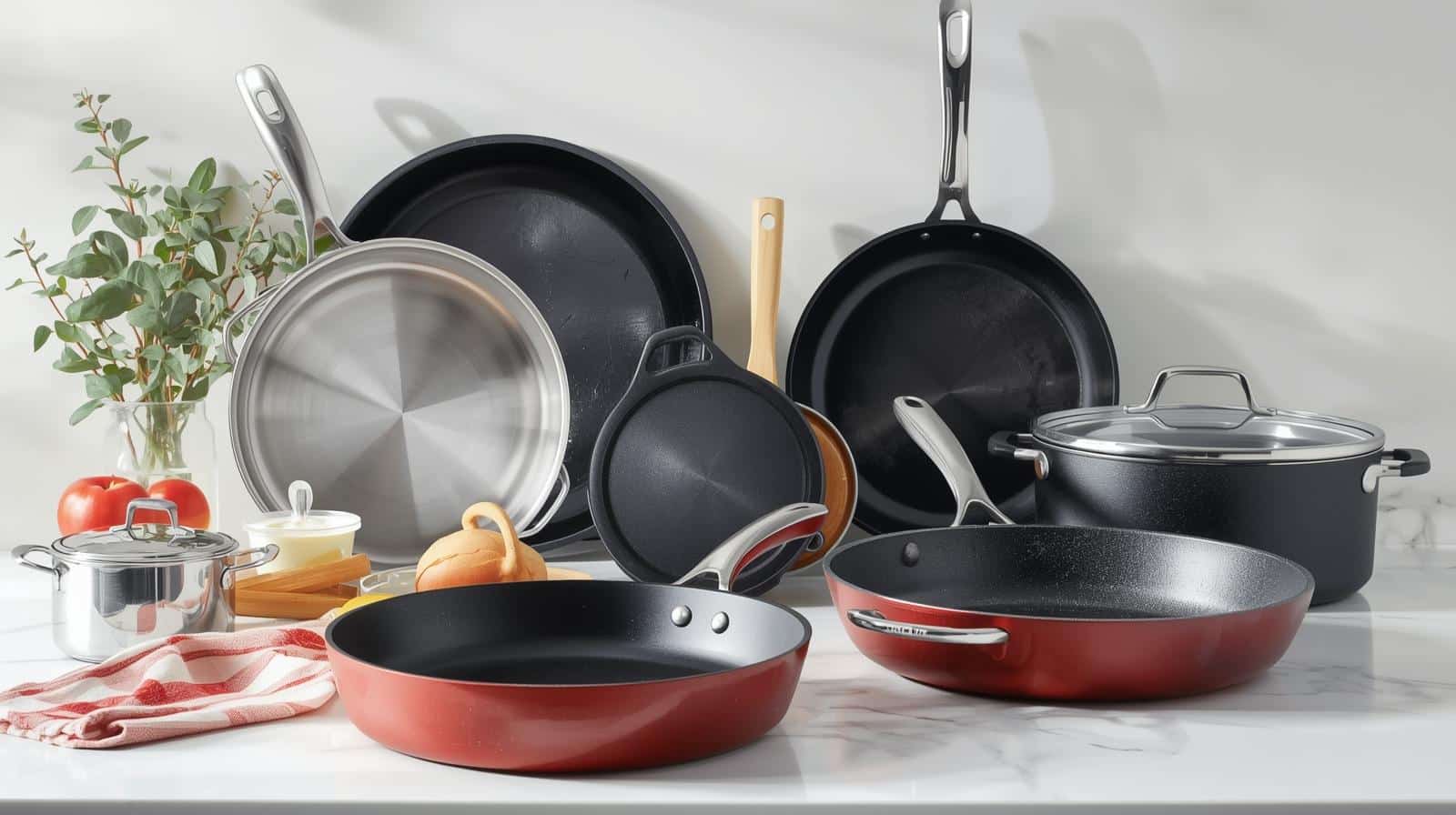
When it comes to cooking, having the right pans can make all the difference. But with so many options out there, you might wonder What Pans Do You Need in a Kitchen.
Are you stocking up on pans that sit unused, or do you have the essentials that make cooking easier and more enjoyable? This guide will help you cut through the clutter and choose the pans that suit your style and needs perfectly.
By the end, you’ll know exactly what to keep on your stove—and what you can leave behind. Ready to upgrade your kitchen game? Let’s dive in.
Credit: www.homedepot.com
Types Of Essential Pans
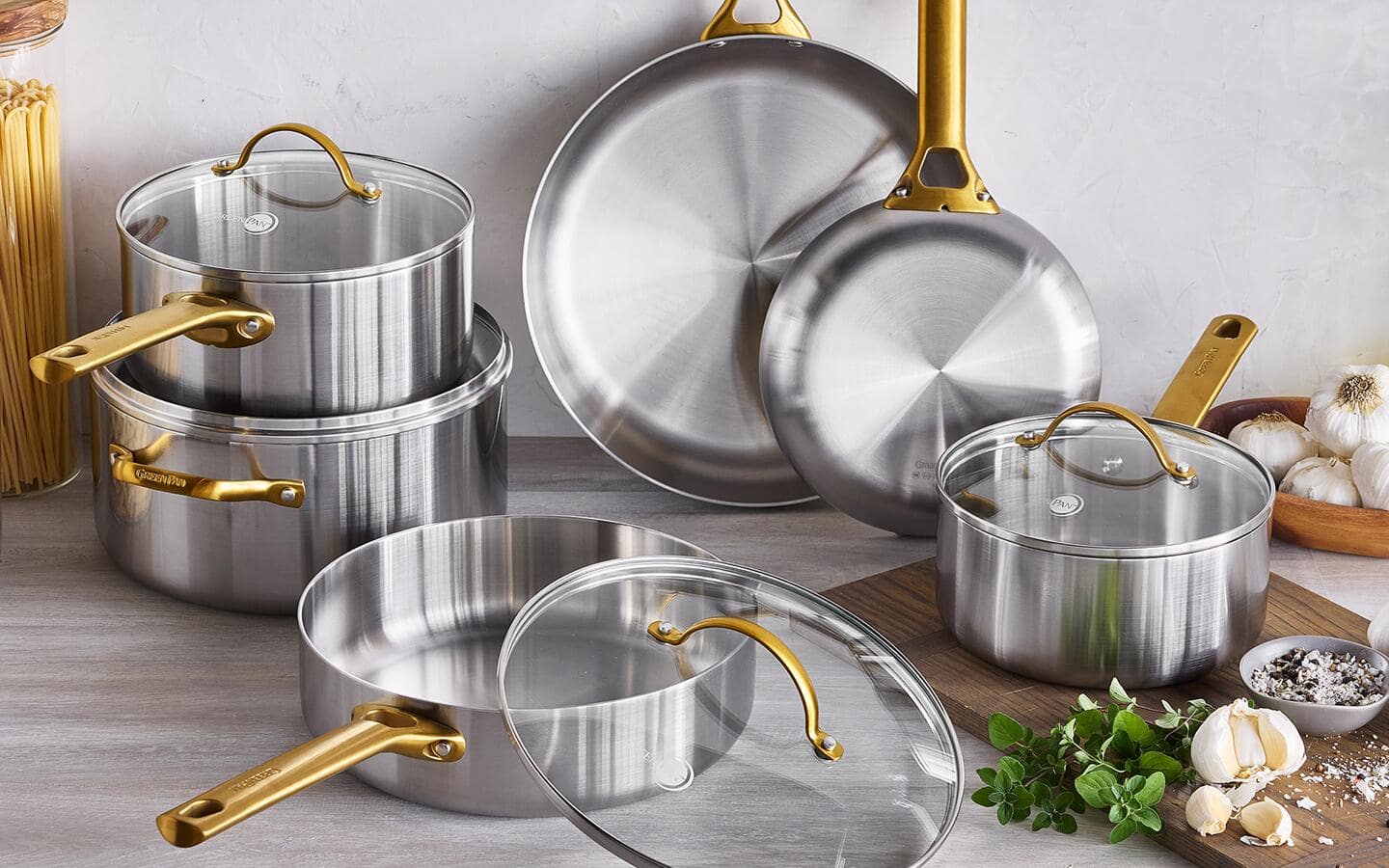
Every kitchen needs a good set of pans to cook a variety of meals. Choosing the right pan helps you cook better and faster.
If you’re wondering What Pans Do You Need, this guide explains the main types of pans you should have for everyday cooking.
Frying Pans And Skillets
Frying pans and skillets are flat and wide with low sides. They are great for frying, searing, and browning foods like eggs, pancakes, and meats.
Saucepans
Saucepans have tall sides and a lid. They are perfect for making sauces, boiling pasta, and cooking grains or vegetables in liquid.
Sauté Pans
Sauté pans have straight, tall sides and a large flat bottom. They hold more food and are good for sautéing, frying, and shallow frying.
- Wide base for even cooking
- Tall sides prevent splatter
- Good for stirring and tossing
Stockpots
Stockpots are large and deep with tall sides. They are used to cook soups, stocks, stews, and boil large amounts of water for pasta or vegetables.
Grill Pans
Grill pans have raised ridges on the cooking surface. They give food grill marks and allow fat to drain away, ideal for grilling meat and vegetables indoors.
Baking Sheets And Roasting Pans
Baking sheets are flat pans used for cookies and roasting pans have higher sides to hold juices. Both are essential for baking and roasting in the oven.
| Pan Type | Main Use | Key Feature |
|---|---|---|
| Frying Pan | Frying, searing | Flat bottom, low sides |
| Saucepan | Boiling, simmering | Tall sides, lid |
| Sauté Pan | Sautéing, frying | Straight tall sides |
| Stockpot | Soups, stocks | Large, deep |
| Grill Pan | Grilling indoors | Ridges on surface |
| Baking Sheet | Baking cookies, roasting | Flat or with low sides |
Credit: www.unikitout.com
Materials And Their Benefits
Choosing the right pans depends on the materials they are made from. Each material offers different benefits for cooking.
Knowing the strengths of each helps you pick the best pan for your needs and recipes.
Stainless Steel
Stainless steel pans are strong and resist rust. They do not react with acidic foods. These pans heat evenly and last a long time. They are easy to clean but may need oil to prevent food from sticking.
Nonstick Coatings
Nonstick pans require less oil for cooking. Food slides off easily, making them great for eggs and pancakes. They heat quickly but can scratch if used with metal tools. Use wood or silicone utensils to keep the coating safe.
- Easy to clean
- Good for low-fat cooking
- Not suitable for high heat
- Use gentle utensils only
Cast Iron
Cast iron pans hold heat very well. They are perfect for frying and slow cooking. Over time, they develop a natural nonstick surface when seasoned properly. These pans are heavy and need careful cleaning to avoid rust.
Copper
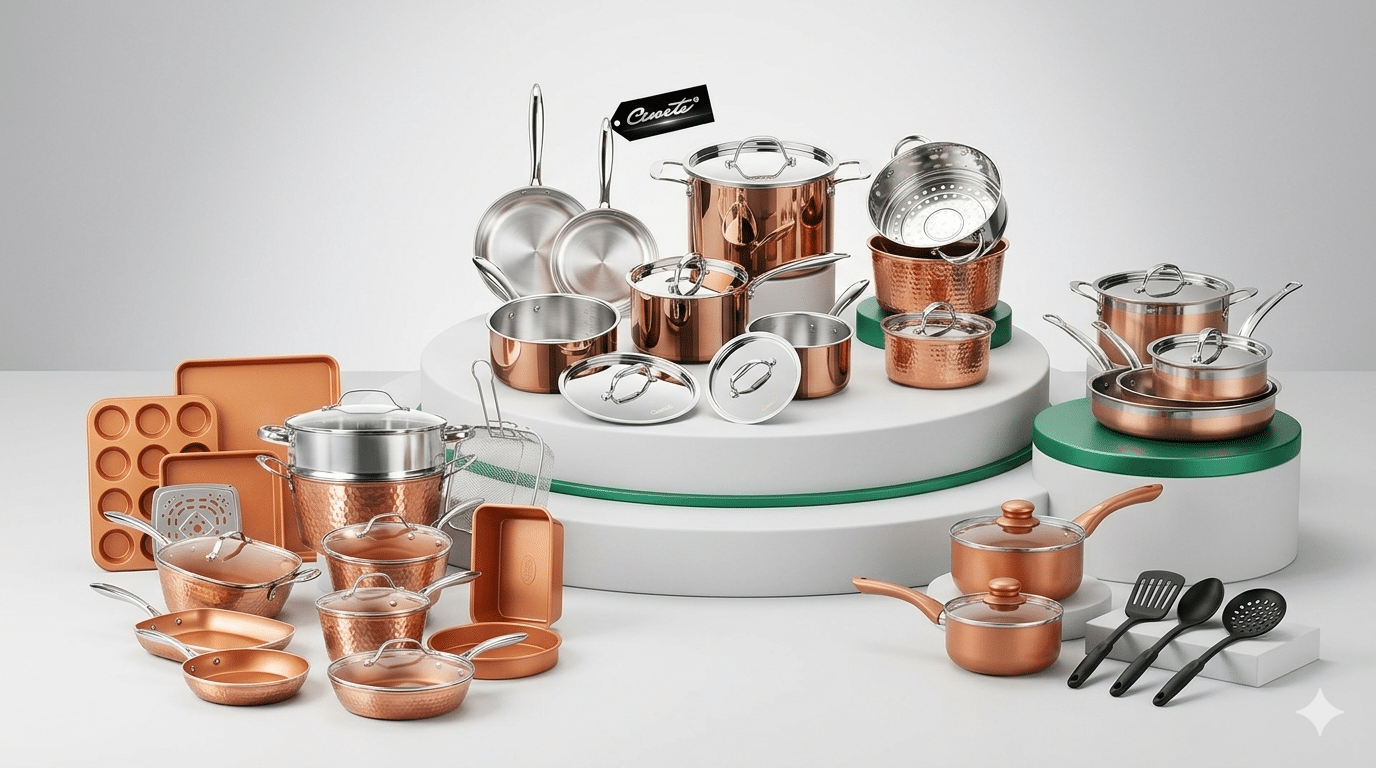
Copper pans heat up fast and cool down quickly. This gives you great control over cooking temperatures. They look shiny and attractive but need regular polishing. Copper can react with some foods, so many pans have a lining inside.
Aluminum
Aluminum pans are light and heat evenly. They are often coated to stop food from sticking and to prevent reactions with food. These pans are affordable and easy to handle but may dent if dropped.
| Material | Benefit | Care Tip |
|---|---|---|
| Stainless Steel | Durable and non-reactive | Use oil to prevent sticking |
| Nonstick Coatings | Easy cleaning and low-fat cooking | Use wood or silicone utensils |
| Cast Iron | Retains heat well, natural nonstick | Season regularly, dry to avoid rust |
| Copper | Fast, precise heat control | Polish often, avoid acidic food contact |
| Aluminum | Lightweight and even heating | Avoid dents, choose coated versions |
Choosing The Right Size
Pans come in different sizes to fit your cooking needs. Picking the right size helps cook food evenly and saves energy.
Using the right pan size also makes cleaning easier and improves your cooking experience.
Small Pans For Quick Meals
Small pans are perfect for cooking quick meals for one or two people. They heat up fast and use less energy.
Use small pans for frying eggs, toasting nuts, or making sauces. They are easy to handle and store.
- 6 to 8 inches in diameter
- Ideal for small portions
- Lightweight and easy to clean
Medium Pans For Everyday Cooking
Medium pans are the most common size used in kitchens. They work well for cooking meals for two to four people.
Use medium pans to sauté vegetables, cook meat, or prepare rice and pasta dishes. They offer good versatility.
- 8 to 10 inches in diameter
- Great for daily cooking tasks
- Balances cooking space and heat control
Large Pans For Family Meals
Large pans are needed when cooking for families or groups. They hold more food and allow even cooking.
Use large pans for frying multiple servings, making stews, or preparing big batches of food. They take more space and weight.
- 12 inches or larger in diameter
- Perfect for family-sized meals
- Requires more heat and careful handling
Specialty Pans To Consider
Choosing the right pans can improve your cooking experience. Specialty pans help with specific dishes and techniques.
If you’re asking What Pans Do You Need, these pans are not always in every kitchen but can be very useful. Knowing their purpose can help you decide what to add.
Woks
A wok is a deep, round-bottomed pan. It is perfect for stir-frying and quick cooking.
The shape lets heat spread fast and evenly. You can also use a wok for steaming and deep-frying.
- Great for Asian recipes
- Uses high heat efficiently
- Versatile for many cooking styles
Crepe Pans
Crepe pans are flat and have low edges. They help spread batter thinly and cook crepes evenly.
The smooth surface prevents sticking. You can also use it for pancakes and tortillas.
- Flat surface for easy flipping
- Non-stick coating is common
- Small and lightweight
Griddles
Griddles are large, flat pans that cook many items at once. They are great for breakfast foods like bacon and eggs.
You can use griddles on the stove or grill. They have even heat distribution for consistent cooking.
- Large cooking surface
- Good for sandwiches and burgers
- Easy to clean
Steamers
Steamers cook food with steam heat. They keep food moist and preserve nutrients well.
Steamers come as baskets or multi-tier pots. Use them for vegetables, fish, and dumplings.
- Healthy cooking method
- Prevents food from drying out
- Easy to use with boiling water
Maintenance And Care Tips
Keeping your kitchen pans in good shape helps them last longer. Proper care makes cooking safer and easier.
Different pan materials need different cleaning and storage methods. Learn how to care for each type.
Cleaning Different Materials
Stainless steel, aluminum, cast iron, and nonstick pans all require special cleaning. Use the right method to avoid damage.
- Stainless steel: Use warm soapy water and a soft sponge.
- Aluminum: Avoid harsh detergents; rinse quickly after use.
- Cast iron: Clean with hot water and a brush; avoid soap.
- Nonstick: Wash with mild soap and a soft cloth only.
Seasoning Cast Iron
Seasoning cast iron pans keeps them nonstick and rust-free. This process adds a protective oil layer.
| Action | Details |
| Clean | Wash with warm water; dry completely. |
| Apply Oil | Rub a thin layer of vegetable or flaxseed oil. |
| Heat | Bake upside down at 375°F for one hour. |
| Cool | Let pan cool inside the oven before storing. |
Avoiding Scratches On Nonstick
Nonstick pans can scratch easily. Use tools and cleaning methods that protect their coating.
- Use wooden or silicone utensils only.
- Do not use metal scrubbers or abrasive cleaners.
- Wash by hand with a soft sponge, not a dishwasher.
- Store pans carefully to prevent surface damage.
Proper Storage
Store pans to avoid warping, scratches, and dust. Proper storage saves space and protects your cookware.
| Pan Type | Storage Tip |
|---|---|
| Cast Iron | Keep dry; use paper towels between stacked pans. |
| Nonstick | Place cloth or pan protectors between pans. |
| Stainless Steel | Stack carefully with padding to avoid dents. |
| Aluminum | Store in a dry place; avoid heavy stacking. |

Credit: www.independent.co.uk
Budgeting For Cookware
Choosing the right pans for your kitchen is important. Cookware affects how well you cook and how much you spend.
If you’re wondering What Pans Do You Need, planning your budget helps you buy what you need without overspending. This guide covers how to manage costs.
Investing In Quality
High-quality pans last longer and cook food more evenly. They often cost more upfront but save money over time.
If you’re deciding What Pans Do You Need, materials like stainless steel and cast iron are durable and handle heat well. These pans resist warping and damage.
Affordable Options
You can find good pans at lower prices by choosing different materials or brands. Non-stick and aluminum pans are budget friendly.
- Look for sets that include basic pans to save money
- Buy pans with simple designs to lower cost
- Check for sales or discounts at stores or online
- Consider secondhand pans in good condition
When To Upgrade
| Sign of Wear | Reason to Upgrade |
| Scratched non-stick surface | Can release harmful chemicals and lose effectiveness |
| Warped or uneven pans | Cause uneven cooking and food may burn |
| Loose handles or broken parts | Safety risk and harder to use |
| Stains or rust that won't clean | Can affect food taste and hygiene |
Frequently Asked Questions
What Are The Essential Pans For Every Kitchen?
Essential pans include a non-stick skillet, a saucepan, a stockpot, and a cast iron skillet. These cover frying, boiling, simmering, and searing needs. Having these pans ensures versatility for most cooking styles and recipes.
Why Is A Non-stick Pan Important In Cooking?
Non-stick pans prevent food from sticking, making cooking and cleaning easier. They require less oil, promoting healthier meals. Ideal for eggs, pancakes, and delicate foods, these pans improve cooking efficiency and reduce frustration.
How Does A Cast Iron Pan Benefit Cooking?
Cast iron pans retain heat evenly and provide excellent searing. They are durable and improve with seasoning over time. Perfect for frying, baking, and slow cooking, they add flavor and texture to dishes.
Which Pan Is Best For Boiling And Simmering?
A saucepan is best for boiling and simmering liquids like soups and sauces. It has high sides and a lid to retain moisture. This pan offers precise temperature control for delicate cooking tasks.
Conclusion
Equipping your kitchen with the right pans makes cooking easier. If you’re wondering What Pans Do You Need, start with a good frying pan for daily meals. Saucepans help with soups and sauces, while a non-stick skillet is perfect for eggs and pancakes. A roasting pan works well for meats and vegetables.
Cast iron pans offer great heat retention, and each pan serves a unique purpose in the kitchen. Choose based on your cooking needs and preferences. The right pans enhance your culinary experience. Happy cooking and enjoy your meals!