
Have you ever wondered what happens when oven cleaner comes into contact with your kitchen countertops? It might seem like a quick solution to tackle stubborn stains or grease, but is it truly safe for your beautiful surfaces?
In this blog post, we'll uncover the real effects of using oven cleaner on kitchen countertops and why you might want to think twice before reaching for that spray bottle. By understanding the potential risks and benefits, you'll be empowered to make informed choices that keep your kitchen not only clean but also damage-free.
Stick with us, and discover the secrets to maintaining your countertops without the worry of unexpected damage.
Credit: pbphomerepair.com
How Oven Cleaners Work
Oven cleaners remove tough grease and burnt food inside ovens. They use strong chemicals to break down grime.
These cleaners can affect kitchen countertops if they come in contact. Knowing how they work helps protect surfaces.
Chemical Composition
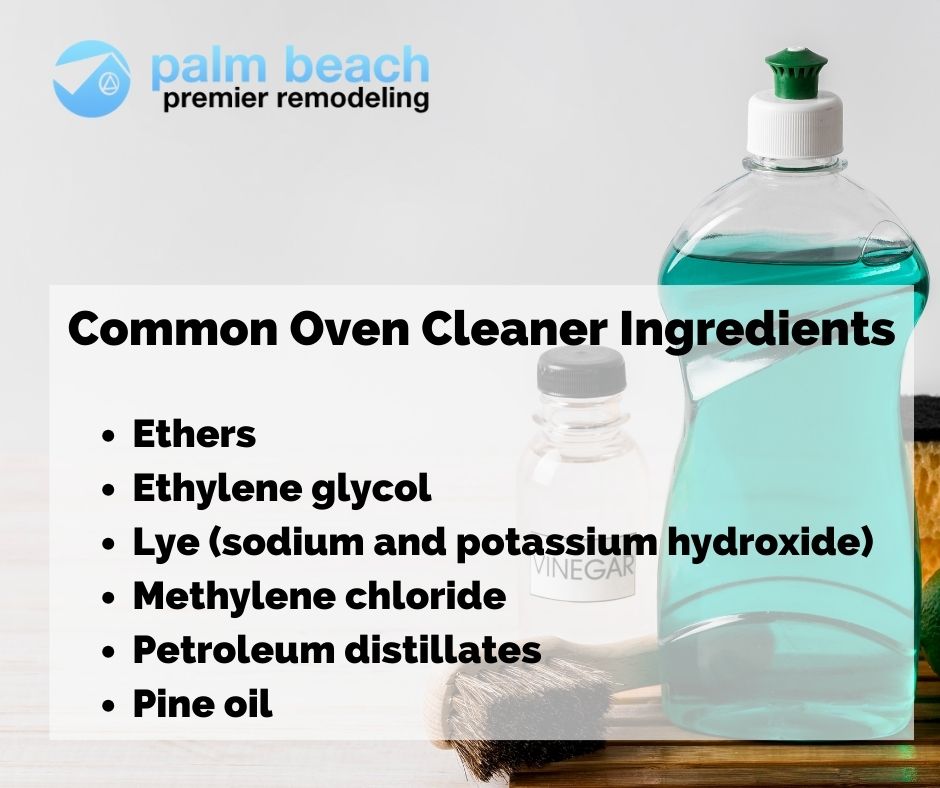
Oven cleaners contain powerful chemicals that dissolve baked-on grease and food. Common ingredients include alkalis and surfactants.
Some cleaners also have solvents and bleach to boost cleaning strength. These chemicals can harm some countertop materials.
- Alkalis like sodium hydroxide soften and break grease
- Surfactants help lift dirt from surfaces
- Solvents dissolve sticky residues
- Bleach removes stains and kills bacteria
Cleaning Mechanism
Oven cleaners work by breaking large grease molecules into smaller parts. This makes grease easier to wipe away.
The alkali in the cleaner breaks down fats through a chemical reaction called saponification. Surfactants lift the dirt off surfaces.
- Alkalis react with grease to form soap-like substances
- Surfactants reduce surface tension, helping grease detach
- Solvents dissolve stubborn residues
- Heat from the oven can speed up the process
Common Types Of Kitchen Countertops
Kitchen countertops come in many materials. Each type reacts differently to cleaners.
Oven cleaner can damage some surfaces. It is important to know which ones are safe.
Granite And Marble
Granite and marble are natural stone countertops. They look beautiful but need care.
Oven cleaner has strong chemicals. It can dull or etch granite and marble surfaces.
- Can cause discoloration
- May remove polish
- Can create rough spots
Laminate Surfaces
Laminate countertops are made of plastic layers on wood. They are affordable and common.
Oven cleaner can harm laminate by stripping the surface. It can cause stains and peeling.
- May fade colors
- Can peel edges
- Leaves sticky residue
Quartz And Solid Surface
Quartz and solid surfaces are man-made with resin and crushed stone. They are durable.
Oven cleaner can damage the resin. It may cause dull spots or weaken the surface.
- Can dull finish
- May cause cracks
- Reduces surface strength
Impact Of Oven Cleaner On Different Surfaces
Oven cleaner is strong and can damage many kitchen surfaces. It removes tough grease but may harm countertop materials.
Knowing how oven cleaner affects each surface helps protect your kitchen counters from damage.
Effects On Natural Stone
Oven cleaner can damage natural stone like granite, marble, and limestone. These stones are sensitive to strong chemicals.
The cleaner may cause dull spots or etching on the stone surface. It can also strip the protective sealant.
- Causes dull or etched marks
- Removes sealant, making stone porous
- May lead to permanent surface damage
Effects On Laminate
Laminate countertops have a thin plastic layer on top of particleboard. Oven cleaner can eat away this plastic layer.
This damage shows as discoloration or peeling. The particleboard underneath can swell if liquid seeps in.
- Discolors the surface
- Causes peeling or bubbling
- Can swell and weaken the core material
Effects On Quartz And Synthetic Materials
Quartz and other synthetic countertops resist many chemicals but oven cleaner is very harsh. It may dull the shine.
Strong cleaners can break down resins in these materials, causing discoloration or rough texture.
- May dull the polished finish
- Can discolor the surface
- Potentially damages resin binders

Credit: www.angi.com
Potential Damage And Risks
Oven cleaners are strong products made to remove tough grease and grime. Using them on kitchen countertops can cause problems. It is important to know the risks before applying these cleaners.
Many countertops have surfaces that react badly to harsh chemicals. These reactions can lead to permanent damage and safety issues in your kitchen.
Staining And Discoloration
Oven cleaners contain strong chemicals that can stain or change the color of countertops. This is especially true for natural stone and laminate surfaces.
After contact with oven cleaner, some countertops may show white marks or dark spots. These stains can be hard to remove and may ruin the look of your kitchen.
Surface Etching And Corrosion
Oven cleaners often have alkaline substances that can etch or corrode countertop surfaces. This damage creates rough, dull areas that weaken the material.
Stone countertops like granite, marble, and quartz are very sensitive to these chemicals. Etching can cause permanent marks that lower the countertop's value.
- Granite and marble may lose shine
- Laminate may peel or bubble
- Corrosion can create small pits or cracks
Health And Safety Concerns
Oven cleaners contain strong chemicals that can harm your skin and eyes. Using them on countertops can release fumes that irritate your lungs.
Always use gloves and work in a well-ventilated area if you use oven cleaner near food surfaces. Avoid mixing these cleaners with other chemicals to prevent dangerous reactions.
- Wear protective gloves and eye protection
- Open windows or use fans to ventilate the area
- Keep children and pets away during cleaning
- Do not mix with bleach or ammonia products
Safe Cleaning Alternatives For Countertops
Oven cleaners can damage kitchen countertops. They often contain strong chemicals. These chemicals may cause discoloration or surface damage.
Choosing safe cleaning methods protects your countertops. It also keeps your kitchen healthy and fresh.
Natural Cleaning Solutions
Natural cleaners are gentle and effective. They use common household ingredients. These options reduce the risk of harm to surfaces.
- Baking soda mixed with water makes a mild abrasive paste.
- White vinegar helps remove stains and disinfects.
- Lemon juice brightens and cuts grease.
- Olive oil can polish and protect certain stone countertops.
Commercial Countertop Cleaners
Many commercial cleaners are safe for specific countertop types. Always check the label before use. Some cleaners are designed for granite, marble, or laminate.
| Countertop Type | Recommended Cleaner | Notes |
| Granite | pH-neutral stone cleaner | Avoid acidic products |
| Marble | Special marble cleaner | Use soft cloth only |
| Laminate | All-purpose surface cleaner | Do not soak surface |
| Quartz | Non-abrasive cleaner | Use mild detergent |
Diy Cleaning Recipes
Making your own cleaner saves money. You control the ingredients and avoid harsh chemicals.
Try this simple recipe for a safe countertop cleaner:
- Mix 1 cup water, 1 cup white vinegar, and 1 teaspoon liquid dish soap.
- Pour into a spray bottle and shake well.
- Spray on the countertop and wipe with a soft cloth.
- For extra shine, buff with a dry cloth.
Tips To Protect Your Countertops
Oven cleaner can damage your kitchen countertops if used incorrectly. Knowing how to protect your surfaces is important. Follow these tips to keep your countertops safe and looking good.
Understanding proper product use, regular care, and quick action after spills will help prevent damage. Keep your kitchen countertops strong and clean with these easy steps.
Proper Product Usage
Oven cleaners contain strong chemicals that can harm many countertop materials. Use them with care and only on surfaces that are safe for these products.
- Read the label to check if the cleaner is safe for your countertop type.
- Test the product on a small, hidden area first.
- Wear gloves and use in a well-ventilated space.
- Do not leave the cleaner on the surface longer than recommended.
- Rinse thoroughly with water after cleaning.
Routine Maintenance
Regular cleaning keeps countertops in good shape and reduces the need for harsh chemicals.
| Countertop Material | Recommended Cleaner | Cleaning Frequency |
| Granite | Mild dish soap and water | Daily |
| Laminate | All-purpose cleaner | Daily |
| Quartz | Non-abrasive cleaner | Weekly |
| Marble | pH-neutral cleaner | Weekly |
Immediate Action After Spills
Cleaning spills quickly prevents stains and surface damage. Oven cleaner spills need fast and careful handling.
- Wipe up spills with a soft cloth or paper towel immediately.
- Rinse the area with clean water to remove any residue.
- Avoid scrubbing hard, which can scratch the surface.
- If damage occurs, contact a professional for advice.

Credit: www.reddit.com
Frequently Asked Questions
Can Oven Cleaner Damage Kitchen Countertops?
Yes, oven cleaner can damage some countertops. It contains strong chemicals that may discolor or erode surfaces like granite, marble, and laminate. Always test on a small area first and avoid prolonged contact to prevent damage.
Is Oven Cleaner Safe For Granite Countertops?
Oven cleaner is not safe for granite. Its harsh chemicals can strip sealants and cause dullness or etching. Use granite-specific cleaners instead to maintain your countertop’s finish and durability.
How To Clean Countertops After Using Oven Cleaner?
Rinse the countertop thoroughly with water immediately after using oven cleaner. Wipe with a damp cloth to remove residue. Avoid letting chemicals sit on the surface to prevent stains or damage.
What Ingredients In Oven Cleaner Affect Countertops?
Oven cleaners contain strong alkalis like sodium hydroxide. These chemicals break down grease but can also harm sensitive countertop materials by causing discoloration or surface erosion.
Conclusion
Oven cleaner can harm your kitchen countertops if used carelessly. Many cleaners contain strong chemicals that may damage surfaces. Always read labels and test on a small spot first. Using mild cleaners is safer for most countertop materials. Protect your kitchen by choosing the right cleaning products.
Remember, prevention is better than repair. Keep your countertops looking fresh and clean without risking damage. Simple care helps maintain their beauty and durability. Choose wisely and clean gently for the best results.


