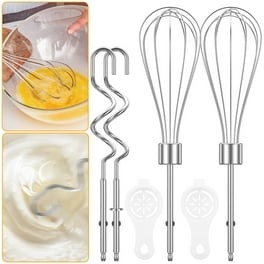
Have you ever found yourself wondering what does a stand mixer paddle attachment look like? You’re not alone.
Whether you’re a seasoned baker or just starting to explore the joy of mixing, understanding your kitchen tools can make all the difference. This small but mighty accessory is a game-changer in the world of baking and cooking. But what does a stand mixer paddle really look like, and why is it so essential for your culinary creations?
You'll discover the features and functions of this indispensable tool. Get ready to uncover the secrets behind what does a stand mixer paddle does and see how it can elevate your kitchen experience. Stay with us, and let’s explore this together.
Paddle Attachment Basics
The paddle attachment is a common part of stand mixers. It helps mix ingredients without adding too much air.
It is useful for many recipes like cakes, cookies, and mashed potatoes. The paddle mixes well and keeps the texture smooth.
Common Shapes And Sizes
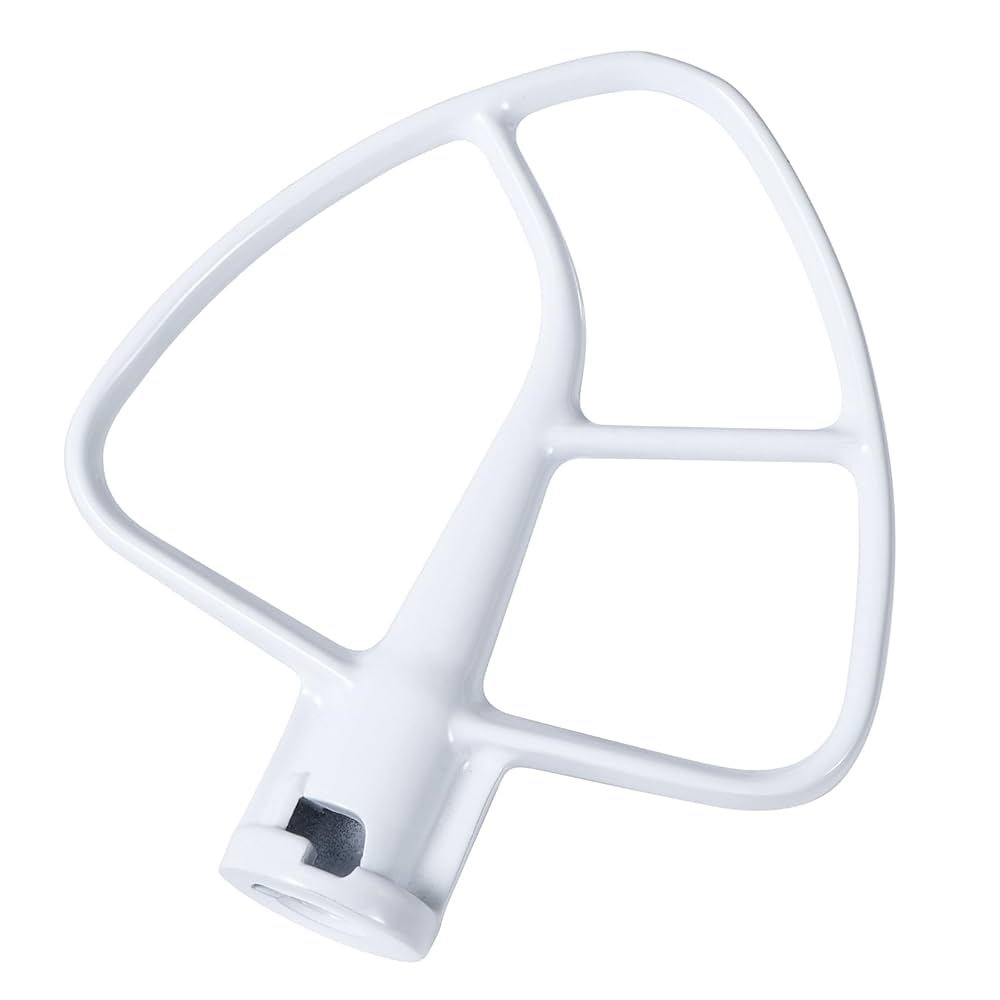
Most paddle attachments have a flat or slightly curved shape. This design helps scrape the sides of the bowl while mixing.
- Standard paddle: flat with open spaces for mixing
- Scraper paddle: has flexible edges to clean the bowl
- Mini paddle: smaller size for mini mixers or small batches
Materials Used
Paddle attachments come in different materials. Each material offers certain benefits and durability.
| Material | Features |
| Metal | Strong and durable, good for heavy doughs |
| Plastic | Lightweight and gentle, avoids scratching bowls |
| Silicone | Flexible edges for scraping, easy to clean |
Compatibility With Mixers
Not all paddle attachments fit every mixer. Check your mixer model before buying one.
- Match the attachment size with your mixer’s hub
- Check the brand’s recommended accessories
- Some mixers require specific paddle designs
- Adapters may be available for cross-brand use
Credit: medium.com
Design Features
A stand mixer paddle attachment has a unique design. It helps mix ingredients evenly and quickly.
The paddle's shape and parts work together to blend dough, batter, and other mixtures well.
Flat And Wide Surface
The paddle has a broad, flat surface to touch more ingredients at once. This helps mix everything smoothly.
The wide shape moves through thick dough and light batter without leaving lumps behind.
Perforations And Slots
Many paddles have small holes or slots in their surface. These let air pass and improve mixing.
The perforations help break up clumps and keep the mixture light and fluffy.
- Let ingredients flow through the paddle
- Prevent over-mixing by adding air
- Help mix sticky dough evenly
Attachment Mechanism
The paddle connects to the mixer’s arm with a secure attachment. This keeps it in place during use.
Most paddles use a simple locking system. It allows easy removal and cleaning after mixing.
Color And Finish Variations
Stand mixer paddle attachments come in different colors and finishes. These variations affect their look and feel.
Choosing between these options depends on your preferences and how you use the mixer.
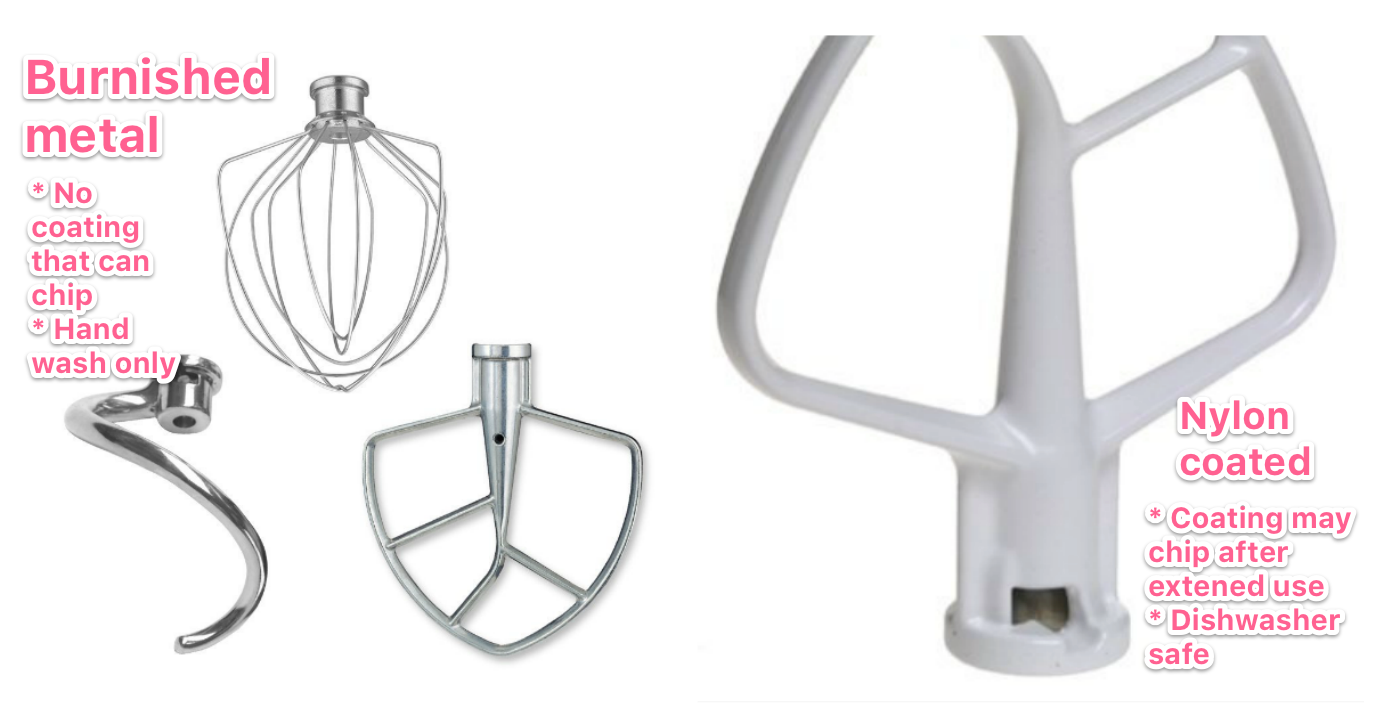
Metallic Vs Plastic
Metallic paddles often have a shiny or matte finish. They look strong and last long.
Plastic paddles come in many colors. They can be white, black, or other shades.
- Metallic paddles are heavier and feel sturdy.
- Plastic paddles are lighter and easier to handle.
- Plastic colors help match kitchen décor.
- Metallic finishes resist heat better.
Coatings And Non-stick Surfaces
Many paddles have coatings to improve use and cleaning. Non-stick surfaces are popular for easy food release.
| Coating Type | Color | Benefit |
| Non-stick | Black or Gray | Prevents food sticking |
| Enamel | White or Cream | Easy to clean, smooth finish |
| Raw Metal | Silver or Brushed Steel | Durable, classic look |
Comparing Paddle To Other Attachments
The stand mixer comes with different attachments. Each attachment has a special job.
The paddle, whisk, and dough hook look and work differently. Knowing these helps you pick the right one.
Differences From Whisk And Dough Hook
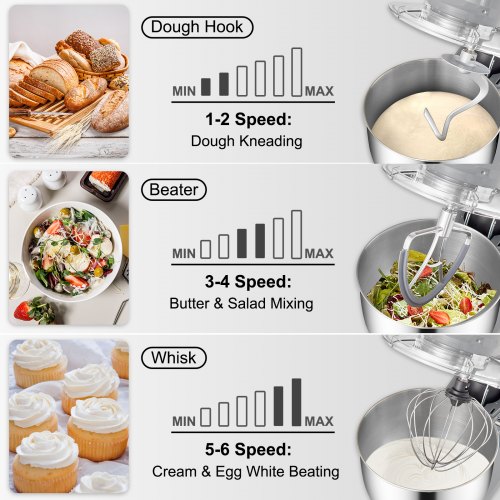
The paddle mixes thick batters and doughs. It does not add much air to the mix. The whisk adds air to make things fluffy. The dough hook kneads bread dough.
- Paddle:Best for cookie dough, cake batter, and mashed potatoes.
- Whisk:Used for whipping cream, egg whites, and sauces.
- Dough Hook:Designed for heavy bread and pizza dough.
Visual Characteristics
| Attachment | Shape | Material | Size |
| Paddle | Flat, broad | Metal or plastic | Medium |
| Whisk | Wire loops | Thin metal wires | Bulbous |
| Dough Hook | Curved hook | Thick metal | Large |
Using The Paddle Attachment
The paddle attachment is a common part of many stand mixers. It looks like a flat, wide blade with a slightly curved edge. It fits onto the mixer's arm and spins to mix ingredients evenly.
This attachment is useful for mixing many types of recipes. It blends ingredients without adding too much air or overworking dough.
Best Recipes And Mixing Tasks
The paddle attachment works well for recipes that need thorough mixing without heavy kneading. It mixes ingredients quickly and evenly.
Good tasks for the paddle include mixing batters, cookie dough, and mashed potatoes. It can also cream butter and sugar smoothly.
- Cookie dough
- Cake batter
- Mashed potatoes
- Frosting
- Quick breads
- Creaming butter and sugar
Visual Signs Of Proper Attachment
Check that the paddle attachment is locked firmly to the mixer’s hub. It should not wobble or feel loose during use.
The paddle should sit flat and align with the bowl. If it touches the bowl’s bottom, adjust the height or switch attachments.
- The paddle locks tightly in place
- No movement or wobbling while mixing
- Flat and level with the mixing bowl
- Clear space between paddle and bowl bottom
- Easy to remove after use
Credit: www.kitchenaid.ca
Maintenance And Care
Keeping your stand mixer paddle attachment clean helps it last longer. Proper care prevents damage and keeps it working well.
Regular maintenance is simple and protects your investment. Follow easy steps to clean and store the paddle correctly.
Cleaning Tips
After each use, clean the paddle attachment to remove food residue. This stops buildup and keeps it hygienic.
- Remove the paddle from the mixer before washing.
- Use warm, soapy water and a soft sponge to clean the surface.
- Avoid abrasive scrubbers that can scratch the paddle.
- Rinse thoroughly to remove all soap.
- Dry with a clean towel or air dry completely before storage.
Storage Recommendations
Store the paddle attachment in a dry place to avoid rust or damage. Keep it away from heavy items that could bend it.
| Storage Tip | Reason |
| Keep in a drawer or cabinet | Protects from dust and damage |
| Store separately from other attachments | Prevents scratches and dents |
| Use a storage bag or wrap | Keeps the paddle clean and safe |
| Ensure it is dry before storing | Stops rust and corrosion |

Credit: www.amazon.ca
Frequently Asked Questions
What Does A Stand Mixer Paddle Attachment Look Like?
A stand mixer paddle attachment is flat and broad with a slightly curved shape. It has openings or slots to mix ingredients evenly.
How Is A Paddle Attachment Different From Other Attachments?
The paddle is designed for mixing, not whipping or kneading. It combines ingredients without adding air or overworking dough.
Can I Use The Paddle Attachment For All Recipes?
The paddle suits batters, cookie dough, and mashed potatoes. It’s not ideal for whipping cream or bread dough.
What Materials Are Paddle Attachments Usually Made Of?
Paddle attachments are typically made of metal or durable plastic. Metal versions often have a non-stick coating for easy cleaning.
Conclusion
A stand mixer paddle attachment has a flat, wide shape with blades. It helps mix ingredients evenly without overworking the dough. This tool is perfect for batters, cookie dough, and more. Knowing its look helps you use your mixer better.
It saves time and effort in the kitchen. Now, you can spot the paddle attachment easily. Try it on your next recipe for smooth, consistent results. Simple, useful, and designed to make mixing easier.