What Mixer Speed to Cream Butter And Sugar: When you're baking, the first step often involves creaming butter and sugar. But have you ever wondered why your cookies didn’t spread just right or your cake wasn't as fluffy as you hoped?
The secret might lie in the mixer speed you're using. Getting this step right can make all the difference in your baked goods. Imagine your cookies with the perfect texture, or your cakes rising to fluffy perfection. If you're aiming for baking success, understanding the right mixer speed is crucial.
Let's dive into this simple yet essential technique that can elevate your baking game and ensure that every treat you make is a delightful experience for both you and those lucky enough to taste your creations. Stick around to discover how a small adjustment in mixer speed can lead to big improvements in your baking results.
Choosing The Right Mixer Speed
Creaming butter and sugar is an important baking step. The mixer speed affects the texture and airiness of your mix. Using the right speed helps get the best results.
This guide explains how to use low, medium, and high mixer speeds when creaming butter and sugar.
Low Speeds For Softening Butter
Start mixing butter at low speed to soften it gently. This avoids splashing and helps the butter become creamy without melting. Low speeds warm the butter slowly.
- Use speed 1 or 2 on most mixers
- Mix for 30 seconds to 1 minute
- Stop and scrape the bowl as needed
- Ensure butter is soft but not oily
Medium Speeds For Creaming
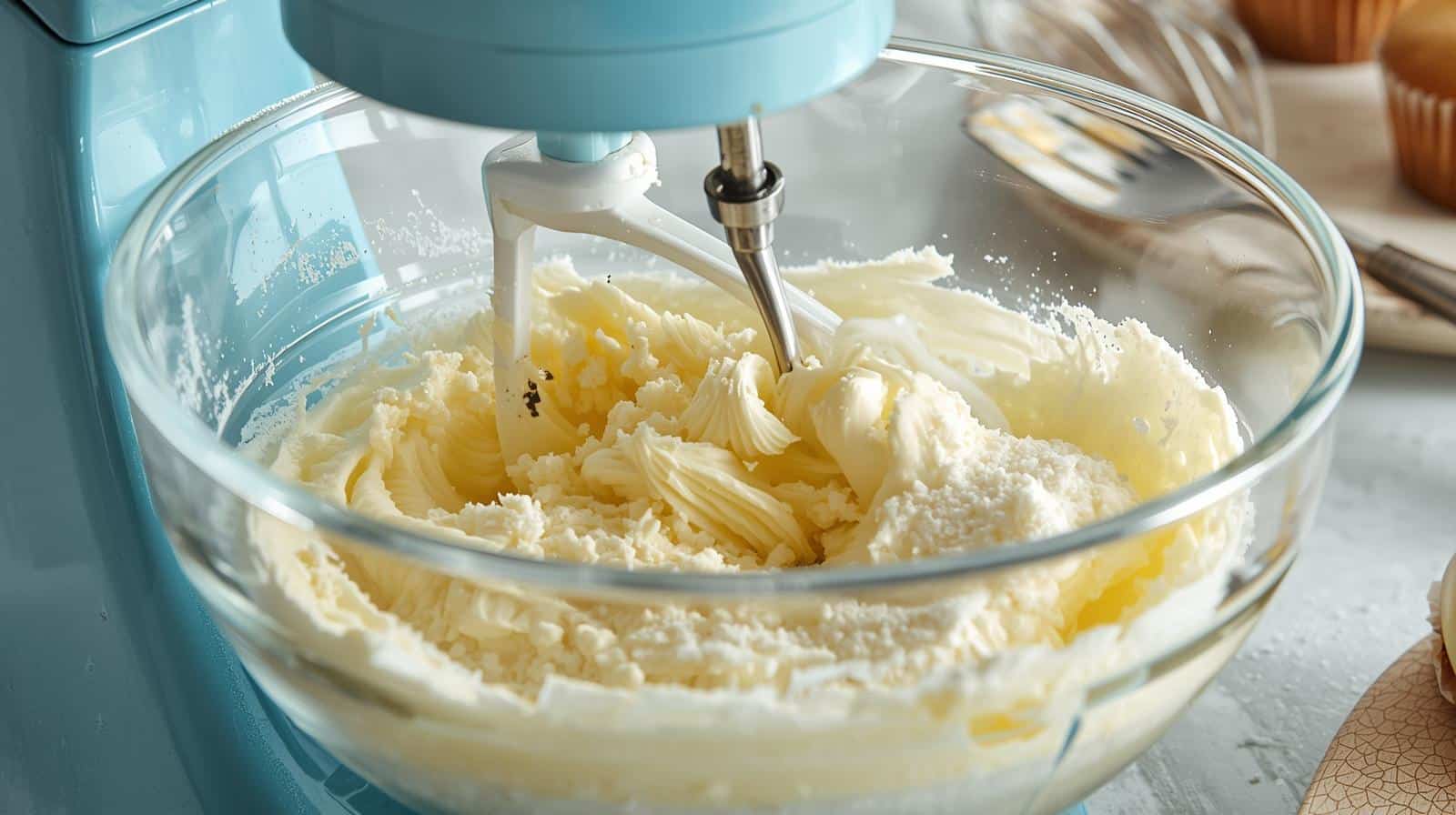
After softening, increase to medium speed to cream butter and sugar together. This blends sugar evenly and adds air for fluffiness. Medium speed is key for smooth texture.
| Mixer Speed | Purpose | Time |
| Low (1-2) | Softens butter | 30s - 1 min |
| Medium (3-5) | Creams butter and sugar | 2 - 4 min |
| High (6-8) | Adds final air and lightness | 30s - 1 min |
High Speeds For Final Texture
Use high speed at the end to add more air and make the mix very light. Be careful not to mix too long or the butter may separate. High speed finishes the creaming step well.
Tips for high speed mixing:
- Mix for only 30 to 60 seconds
- Watch the texture closely
- Stop if mixture looks oily or grainy
Effects Of Speed On Butter And Sugar
Mixing butter and sugar at the right speed affects the texture of baked goods. The speed influences how much air is added and how the ingredients blend.
Choosing the correct mixer speed helps create the best consistency for cakes and cookies. It also prevents common problems like overmixing.
Incorporating Air For Fluffiness
Mixing at medium speed adds air to the butter and sugar. This air makes the mixture light and fluffy. Too slow, and not enough air is added. Too fast, and the mixture can become too soft.
- Use medium speed for best air incorporation
- Avoid very slow mixing; it reduces fluffiness
- High speed can warm the butter, losing structure
Preventing Overmixing
Overmixing breaks down the butter and sugar structure. This causes a dense texture in baked goods. Mixing at high speed for too long leads to this problem.
| Mixing Speed | Effect |
| Low | Less air, denser texture |
| Medium | Good air, light texture |
| High | Risk of overmixing, soft butter |
Achieving The Ideal Consistency
The ideal consistency is smooth and creamy. It should hold air bubbles without being runny. Medium speed usually gives the best result.
Tips for ideal creaming:
- Start at low speed to combine ingredients
- Increase to medium speed to add air
- Stop as soon as mixture looks fluffy and pale
Tips For Optimal Creaming
Creaming butter and sugar is key to many recipes. The mixer speed affects how well they blend.
Using the right speed helps create a light, fluffy texture. This improves the final baked goods.
Using Room Temperature Ingredients
Butter and sugar blend better when the butter is soft. Cold butter is hard and tough to mix.
Room temperature butter traps air more easily. This creates a smooth and creamy mixture.
- Take butter out 30-60 minutes before mixing
- Butter should feel soft but not melted
- Sugar can be added directly at room temperature
Scraping Bowl Sides Regularly
Sugar and butter can stick to the sides of the bowl. Scraping helps mix all ingredients evenly.
Stop the mixer every 1-2 minutes to scrape. Use a spatula to bring ingredients back to the center.
- Prevents uneven mixing
- Ensures all butter and sugar are creamed
- Helps achieve a uniform texture
Timing Your Mixing Process
Cream butter and sugar long enough to trap air, but not too long. Overmixing can cause problems.
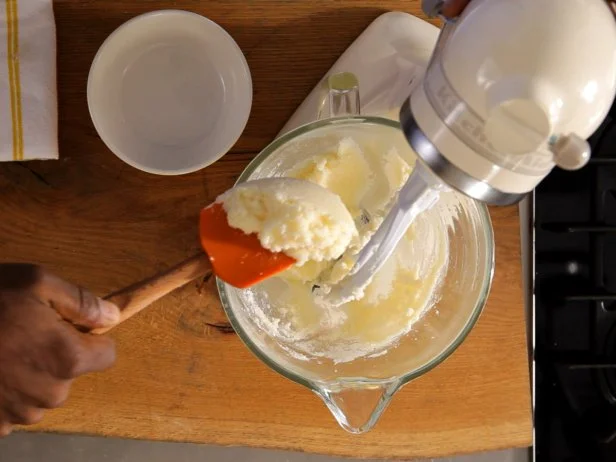
Mix at medium speed for about 3-5 minutes. Stop when the mixture is light and fluffy.
- Start slow to avoid sugar flying out
- Use medium speed for best aeration
- Watch for pale color and creamy texture
Credit: www.foodnetwork.com
Common Mistakes To Avoid
Creaming butter and sugar is an important step in many baking recipes. Doing it right helps make your baked goods light and fluffy.
Some mistakes can ruin the texture. Avoid these common errors to get the best results every time.
Mixing On Too High Speed
Mixing butter and sugar on high speed can cause problems. It may make the mixture too soft or greasy.
High speed adds too much air quickly. This can break down the butter and change the texture.
- Use medium speed for smooth creaming
- Stop mixing when mixture is light and fluffy
- Too fast can cause overheating and separation
Using Cold Butter
Cold butter is hard to mix with sugar. It won’t blend well, causing lumps and uneven texture.
Butter should be soft but not melted. Soft butter traps air and helps create a creamy mixture.
- Let butter sit at room temperature for 30 minutes
- Check softness by pressing with a finger
- Too soft or melted butter won’t cream properly
Ignoring Texture Changes
Watch the butter and sugar as you mix. The texture changes from grainy to creamy and fluffy.
Stopping too soon or mixing too long affects the final batter. Pay attention to the look and feel.
- Mix until the mixture is pale and fluffy
- Grainy texture means more mixing is needed
- Over-mixing can cause the mixture to break
Mixer Types And Speed Settings
Mixing butter and sugar well is key for many recipes. The mixer type and speed affect the result.
Different mixers have different speed options. Knowing which speed to use helps make creamy batter.
Stand Mixer Recommendations
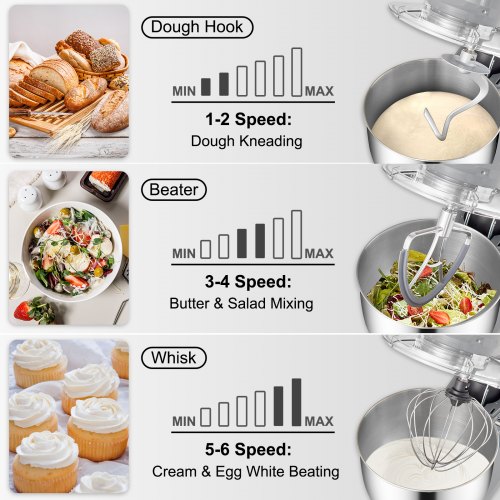
Stand mixers often have many speed settings. Use low to medium speed to cream butter and sugar.
Start at speed 2 or 3 on most models. This blends ingredients without splashing or overheating.
- Begin mixing on low to soften butter
- Increase to medium speed for fluffiness
- Avoid high speeds to prevent butter melting
Hand Mixer Best Practices
Hand mixers are good for small batches. Use low speed first to mix butter and sugar smoothly.
After softening, raise speed to medium. Mix until the mixture is light and creamy.
- Start at speed 1 or 2 to avoid splashing
- Mix for about 3 to 5 minutes
- Stop and scrape bowl sides as needed
Adjusting Speeds For Different Models
Mixers vary by brand and model. Speed numbers may not match exactly between brands.
Watch the mixture as you mix. Lower speed if butter melts or splatters. Raise speed for fluffiness.
| Mixer Type | Recommended Speed Range | Notes |
| Stand Mixer | Speed 2–4 (low to medium) | Adjust based on motor power |
| Hand Mixer | Speed 1–3 (low to medium) | Use lowest speeds to start |
| Basic Mixer | Low to medium speed setting | Mix slowly to avoid overheating |

Credit: sallysbakingaddiction.com

Credit: sallysbakingaddiction.com
Frequently Asked Questions
What Mixer Speed Is Best To Cream Butter And Sugar?
Use medium speed on your mixer to cream butter and sugar. This speed blends ingredients smoothly without overheating or splattering.
How Long Should I Cream Butter And Sugar On Medium Speed?
Cream butter and sugar for 2 to 3 minutes on medium speed. Stop when the mixture is light, fluffy, and pale in color.
Can I Use High Speed To Cream Butter And Sugar?
High speed is not recommended initially. It can cause butter to melt and sugar to scatter, ruining the texture.
Why Is Creaming Butter And Sugar Important In Baking?
Creaming traps air, giving baked goods a light texture. It also helps sugar dissolve evenly for consistent sweetness.
Conclusion
Creaming butter and sugar works best at medium speed. Start slow to mix ingredients, then increase speed. This method creates light, fluffy texture for baking. Avoid too high speed to prevent overheating or splattering. Patience matters; proper creaming takes a few minutes.
Follow these steps for better cake and cookie results. Simple, steady mixing makes a big difference in baking. Try it next time for smoother batter and softer treats.