
Are you tired of digging through cluttered kitchen cabinets every time you need a container? Finding the right container quickly can save you time and reduce stress in your busy day.
Imagine opening your kitchen storage and instantly seeing everything neatly organized, making meal prep a breeze. You’ll discover simple, practical ways to store containers that fit your space and lifestyle. Keep reading to transform your kitchen into an organized haven where everything has its place.
Choosing The Right Containers
Storing containers in your kitchen saves space and keeps food fresh. Picking the right containers helps you stay organized.
Consider the material, size, and design of containers before buying. These factors affect how well they fit in your kitchen.
Material Matters
Containers come in plastic, glass, metal, and silicone. Each material has its own benefits.
- Plastic is lightweight and cheap but may stain or absorb smells.
- Glass is durable and does not hold odors. It is microwave safe.
- Metal containers are strong but can react with acidic foods.
- Silicone is flexible and heat resistant, good for lids and collapsible containers.
Size And Shape Tips
| Size | Best Use | Storage Tip |
| Small | Spices, nuts, and snacks | Keep near the stove or counter |
| Medium | Leftovers and cut vegetables | Stack in fridge or pantry |
| Large | Bulk items like flour or pasta | Use clear containers for easy ID |
Choose shapes that fit your shelves and fridge. Square or rectangular containers use space better than round ones.
Stackable Designs
Stackable containers help save space and keep your kitchen neat. Look for containers with lids that lock or fit tightly.
Benefits of stackable containers:
- Maximize vertical space in cabinets and fridge
- Prevent spills with secure lids
- Easy to find items when stacked by size
Maximizing Cabinet Space
Storing containers in the kitchen can be tricky. Cabinets often get cluttered and hard to use.
Using smart storage ideas helps keep containers neat. It also frees up space for other items.
Using Vertical Storage
Vertical storage uses the full height of your cabinets. It stops containers from stacking too high.
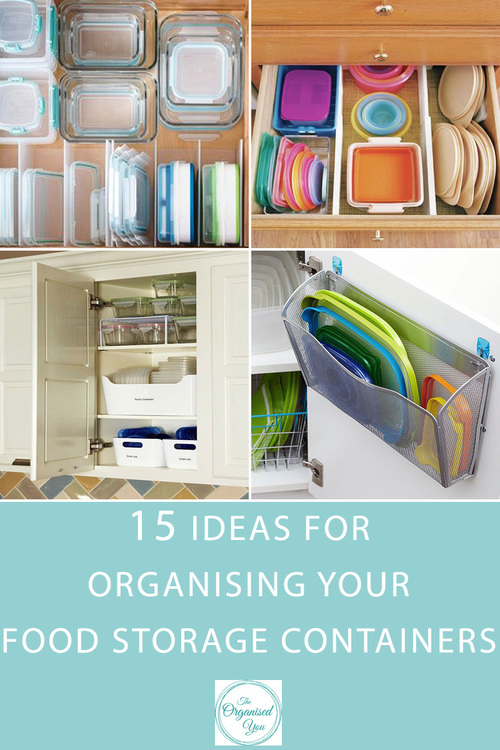
Use vertical dividers or stackable shelves to separate containers. This makes it easier to find lids and boxes.
- Place lids vertically with rack dividers
- Stack containers with sturdy risers
- Keep tall containers at the back
Installing Pull-out Shelves
Pull-out shelves let you reach containers in the back. You can slide the shelf out to see all items.
This system reduces clutter and saves time. It keeps containers organized and easy to grab.
- Install shelves on smooth tracks
- Use non-slip mats to hold containers
- Label containers for quick access
Door-mounted Racks
Door-mounted racks use the inside of cabinet doors. This space is often empty but perfect for small containers.
These racks hold lids, spice jars, or small boxes. They keep items visible and easy to reach.
- Attach racks with screws or strong adhesive
- Choose racks with adjustable shelves
- Use clear containers for easy viewing
Creative Countertop Solutions
Storing containers on kitchen countertops can save space and keep items easy to reach.
Using creative ideas helps keep the area neat and organized without clutter.
Tiered Stands
Tiered stands use vertical space to hold containers of different sizes.
- Keep small jars on the top tier for quick access.
- Store larger containers on the bottom tier for stability.
- Use tiered stands to group containers by type or use.
Magnetic Holders
Magnetic holders stick to metal surfaces and hold containers with metal lids.
| Type of Magnetic Holder | Best For |
| Strip Magnets | Spice jars with metal lids |
| Magnetic Bins | Small tools and containers |
| Magnetic Racks | Multiple containers in one place |
Under-cabinet Hooks
Hooks under cabinets hang containers with handles or loops, saving counter space.
- Hang measuring cups and small containers with handles.
- Use S-hooks to hold containers with lids.
- Keep frequently used containers within easy reach.

Credit: food52.com
Organizing With Drawer Inserts
Keeping containers neat in the kitchen drawer saves time and space. Drawer inserts help create order and make containers easy to find.
Using the right inserts can keep lids and containers separated. It also stops them from sliding around when opening drawers.
Custom Dividers
Custom dividers fit the size of your drawers and containers. They create separate sections for different container shapes and lids.
- Measure drawer width and depth before buying inserts
- Choose adjustable dividers for flexible arrangements
- Separate containers and lids to avoid stacking chaos
- Use dividers to stack similar-sized containers together
Labeling Systems
Labels help identify container sizes or types quickly. They reduce the time spent searching and guessing.
| Label Type | Best Use |
| Sticky labels | Temporary marking for quick changes |
| Chalkboard labels | Reusable and easy to clean |
| Color-coded labels | Group containers by size or use |
Easy Access Arrangements
Place containers you use daily near the front of the drawer. Store less-used containers toward the back.
Try this simple order:
- Keep lids standing on one side for quick grab
- Stack containers by size from largest to smallest
- Use drawer inserts to separate each stack
Utilizing Pantry And Fridge Space
Storing containers well helps keep your kitchen clean and efficient. Use your pantry and fridge smartly to save space.
Good storage methods make food easy to find and keep it fresh longer. Organize containers to fit both areas nicely.
Clear Container Benefits
Clear containers let you see what is inside without opening them. This saves time and reduces food waste.
They also help keep your pantry and fridge looking neat and tidy. You can easily spot when you need to buy more.
- Quickly identify contents
- Check freshness without opening
- Keep kitchen organized
- Reduce food waste
Grouping Similar Items
Group containers by type or use to make finding items simple. This saves time during cooking and cleaning.
Keep snacks, baking supplies, or leftovers together. Use shelves or bins to keep groups tidy and easy to reach.
- Store spices in one area
- Keep baking items on a single shelf
- Group snacks in one container
- Place leftovers together in the fridge
Temperature-sensitive Storage
Put containers with heat-sensitive food in the fridge to keep them fresh. Use the pantry for dry goods and canned items.
Store dairy and meat in cold areas of the fridge. Keep fruits and vegetables in their designated drawers to last longer.
- Fridge: dairy, meat, leftovers
- Fridge drawers: fruits and vegetables
- Pantry: dry goods and canned foods
- Avoid storing heat-sensitive items in warm places

Credit: www.amazon.ca
Maintenance And Cleaning Tips
Storing containers neatly keeps your kitchen tidy and safe. Proper care extends the life of your containers. Clean and maintain them regularly for best results.
Follow simple steps to keep containers organized and in good condition. This guide helps you maintain and clean your kitchen containers easily.
Regular Decluttering
Remove containers you no longer use or that are damaged. This frees up space and makes it easier to find what you need. Check your container collection every few months.
- Sort containers by size and shape
- Discard cracked or stained containers
- Donate extra containers if still usable
- Keep lids and containers paired together
Proper Washing Techniques
Wash containers carefully to avoid damage. Use mild soap and warm water. Avoid harsh scrubbing that can scratch surfaces.
| Cleaning Method | Recommended Use |
| Hand Wash | All container types, gentle on lids and seals |
| Dishwasher (Top Rack) | Heat-safe plastic and glass containers |
| Baking Soda Paste | Remove stains and odors |
| Vinegar Soak | Disinfect and eliminate smells |
Avoiding Container Damage
Handle containers with care to keep them lasting longer. Avoid sudden temperature changes and sharp tools that can crack or scratch them.
- Do not microwave containers without checking if safe
- Keep lids away from heat sources
- Stack containers gently to prevent warping
- Use soft sponges instead of metal scrubbers
- Store containers dry to prevent mold
Credit: www.theorganisedyou.com
Frequently Asked Questions
How Do I Organize Kitchen Containers Efficiently?
Use stackable containers to save space. Group them by size and purpose. Label each container clearly for easy access. Store lids separately or use a lid organizer to keep sets together. This method keeps your kitchen neat and containers easy to find.
What Is The Best Way To Store Container Lids?
Store lids vertically in a dedicated rack or organizer. This prevents damage and saves drawer space. Keeping lids separate but accessible avoids mixing sets. It also helps maintain kitchen order and speeds up meal prep by finding lids quickly.
How Can I Maximize Space With Kitchen Containers?
Choose uniform, stackable containers to optimize shelf space. Nest smaller containers inside larger ones when not in use. Use clear containers to identify contents easily. Utilize cabinet doors or under-shelf racks for additional storage options.
Should I Use Plastic Or Glass Containers For Storage?
Both have benefits: plastic is lightweight and durable; glass is non-toxic and microwave-safe. Glass is better for long-term storage and keeps food fresher. Plastic is convenient for portability and less breakable. Choose based on your kitchen needs and preferences.
Conclusion
Storing kitchen containers effectively saves time and space. Use stackable containers for easy access. Label each container clearly to identify contents quickly. Organize by size and shape for optimal arrangement. Consider using drawer dividers for smaller items. Keep frequently used containers within reach for convenience.
This approach makes cooking more efficient. A tidy kitchen enhances your cooking experience. Embrace these tips for a clutter-free kitchen. Your space will feel organized and welcoming. Enjoy a stress-free cooking environment with these storage solutions. Happy cooking!


