Bring Back the Shine: Fixing Old Cast Iron
Imagine finding a hidden treasure. Maybe it is an old cast iron pan in your attic. It has rust and old grime. It tells stories of family meals long past. It is easy to ignore these treasures. But you can make them new again.
If you’ve ever wondered How to Restore Old Cast Iron Cookware, you are in the right spot. This is not just about scrubbing off rust—it’s about bringing back history. You add a timeless tool to your kitchen.
You will discover simple, effective steps that transform forgotten cookware into a kitchen masterpiece. Ready to learn the secrets of cast iron repair? Let's start this project now!
Checking The Pan’s Condition
Check the pan's condition first. Do this before restoring old cast iron. This helps you pick the best method.
Look for rust, damage, and buildup. These issues affect the pan's function. Check this after the restoration.
Checking For Rust And Damage
Rust is normal on old cast iron. It can weaken the metal over time. Look for cracks or deep pits. Damage can be present.
-
Look for red or brown rust spots.
-
Check if rust is deep or on the surface.
-
Inspect for cracks that cause leaks.
-
Feel for rough spots or holes.
-
Note any warped areas that hurt cooking.
Identifying Residue And Build-up
Residue comes from old food and oils. Old seasoning layers also cause buildup. It can look sticky, dark, or flaky.
| Type | What It Is | Signs to Look For |
| Old seasoning | Hardened oil layers from cooking. | Dark, shiny patches or flakes. |
| Food residue | Burned or stuck food pieces. | Sticky or crusty spots. |
| Grease build-up | Layer of old fats and oils. | Oily, sometimes smelly surface. |

Credit: www.reddit.com
Getting The Right Tools
Restoring cast iron starts with the right tools. These tools help clean the pan safely. They also protect the pan.
Without the right gear, the job is hard. It can even be risky. Let's look at what you need now.
Cleaning Supplies Needed
You need specific items to remove rust. They also remove old seasoning. These supplies get your pan ready.
-
Steel wool or brush for scrubbing rust.
-
Mild dish soap cleans dirt and grease.
-
White vinegar helps dissolve rust.
-
Coarse salt for scrubbing and cleaning smells.
-
Paper towels or clean cloths for drying.
-
Vegetable oil for seasoning the pan.
Safety Gear Recommendations
Wear safety gear to protect your eyes and skin. Restoration involves oils and scrubbing.
| Safety Item | Purpose |
| Rubber gloves | Protect hands from rust and cleaners. |
| Protective goggles | Shield eyes from splashes of oil or cleaner. |
| Apron | Keeps clothes clean from oil and dirt. |
| Face mask | Prevents breathing dust or rust pieces. |
Removing Rust And Old Seasoning
Old cast iron needs cleaning first. Rust and old seasoning must go. Cleaning well restores the pan's surface.
This guide explains how to remove these things safely.
Soaking Techniques
Soaking the cast iron loosens the rust. It also loosens the old seasoning. Use hot water and gentle soap or vinegar.
Let the cookware soak for a few hours. Soaking overnight is also fine. This softens the rust layers. It makes cleaning easier.
-
Use equal parts white vinegar and water.
-
Soak from 1 to 12 hours based on the rust.
-
Check the pan often to stop damage.
-
Rinse with clean water when soaking is done.
Scrubbing Methods
Scrubbing removes loose rust and seasoning. Do this after soaking. Use steel wool or a stiff brush.
Scrub the pan with firm pressure. Do not use harsh tools. They can scratch the metal deeply. Rinse often to see your progress.
-
Use a nylon brush for light rust.
-
Steel wool removes heavy rust well.
-
Soap and water help remove residue.
-
Dry the pan fully after scrubbing.
Using Chemical Rust Removers
Chemical removers can speed up cleaning. Choose products safe for cookware.
Follow the product directions carefully. Wear gloves while working. Work in a well-aired space.
-
Apply rust remover with a cloth.
-
Let it sit for the recommended time.
-
Rinse the pan very well after use.
-
Season the pan again after cleaning.

Credit: www.youtube.com
Cleaning And Drying
Restoring cast iron needs careful cleaning. Dirt and rust must be removed. This protects the surface.
Proper cleaning and drying get the cast iron ready. They also prevent damage.
Washing Thoroughly
Start by scrubbing the pan with hot water. Use a stiff brush. Skip the soap if seasoning looks good.
Use steel wool for heavy rust. A rust remover also works. Rinse well to remove all dirt.
-
Use a stiff brush and hot water.
-
Skip soap if seasoning is okay.
-
Use steel wool for tough rust.
-
Rinse thoroughly after scrubbing.
Proper Drying To Prevent New Rust
Dry the pan immediately after washing. Water left on the surface causes rust fast.
Heat the pan on the stove. Use an oven to remove all moisture. Then, apply a thin oil layer to protect the metal.
-
Dry the pan right away after washing.
-
Use oven or stove heat to dry moisture.
-
Apply a thin oil coat after drying.
Re-seasoning The Cookware
Old cast iron can lose its non-stick surface. It may also get rust. Re-seasoning restores it. This process builds a non-stick layer.
Seasoning your pan makes it last long. It also makes it easy to clean. It stops rust from returning.
- Cookware chemists advise on the thinness of the oil layer: "To guarantee a smooth, non-sticky seasoning, the easiest and most critical step is to perform a 'second wipe.' After oiling the entire pan, use a fresh, clean, lint-free paper towel and wipe the pan down again as if you are trying to remove all the oil. You want the layer to be so microscopically thin that it looks dry. This prevents polymerization (seasoning) from becoming tacky and thick, ensuring a rock-hard, slick finish."
Choosing The Right Oil
Use oils that handle high heat well. They must form a strong layer. Flaxseed oil works well. Vegetable oil is also a good choice.
-
Flaxseed oil makes a durable coating.
-
Vegetable oil is easy to find and use.
-
Canola oil resists heat well.
Applying Oil Correctly
Apply a thin layer of oil to the whole pan. Cover the inside, handle, and outside. Use a cloth to spread the oil. Wipe off extra oil to avoid sticky spots.
-
Use a small amount of oil only.
-
Cover every surface lightly.
-
Remove excess oil for a smooth surface.
Baking For Seasoning
Heat the oiled pan in the oven. This creates the seasoning layer. Set the oven to400°F (200°C). Put the pan upside down on the rack. Bake for one hour. This lets the oil stick to the metal.
Turn the oven off after one hour. Let the pan cool inside. This helps the seasoning set well. Repeat the steps for a stronger layer.
Keeping Your Cast Iron Great
Cast iron lasts many years with care. Good care keeps it non-stick and rust-free. This guide helps you care for old pieces.
Follow simple steps for cleaning. Learn what mistakes to avoid. Store your pan safely. These steps protect your pan. They also improve cooking.
Regular Cleaning Tips
Clean your cast iron right after use. This keeps the seasoning strong. Do not use soap or harsh scrubbing. It damages the surface.
-
Use hot water and a soft brush for food.
-
Dry the pan right away with a towel.
-
Apply thin cooking oil to stop rust.
-
Boil water in the pan for stuck food.
-
Do not soak the pan in water for long.
Avoiding Common Mistakes
Mistakes can damage your cast iron. Knowing what to avoid is smart. It helps keep your pan in shape.
| Common Mistake | Why to Avoid | Better Choice |
| Using soap or detergent. | Strips the seasoning layer. | Use hot water and a brush. |
| Soaking in water. | Causes rust quickly. | Dry immediately after washing. |
| Putting in the dishwasher. | Damages the surface. | Hand wash only. |
| Storing while wet. | Leads to rust and stains. | Dry and oil before storage. |
Storing Properly
Store cast iron in a dry place. This avoids rust. Good storage keeps your pan ready to use.
-
Wipe pan with oil before you store it.
-
Keep cookware in a cool, dry spot.
-
Place paper towels between stacked pans.
-
Avoid containers that hold moisture.
Fixing Common Problems
Restoring cast iron brings back its charm. Sometimes issues like flaking appear. Sticky surfaces also happen. These problems stop good cooking.
Fixing these issues is easy. You just need the right steps. This guide helps you solve problems.
Dealing With Sticky Surfaces
Sticky surfaces happen when oil builds up. The pan feels tacky. Food may stick to the surface. Cleaning well fixes this problem.
Use hot water and a stiff brush. Scrub the sticky layer off. Avoid soap on the good seasoning. Dry the pan fully. Apply thin oil before heating.
-
Scrub with hot water and a stiff brush.
-
Do not use soap on the seasoning.
-
Dry the pan completely after washing.
-
Apply a thin layer of cooking oil.
-
Heat the pan to set the oil.
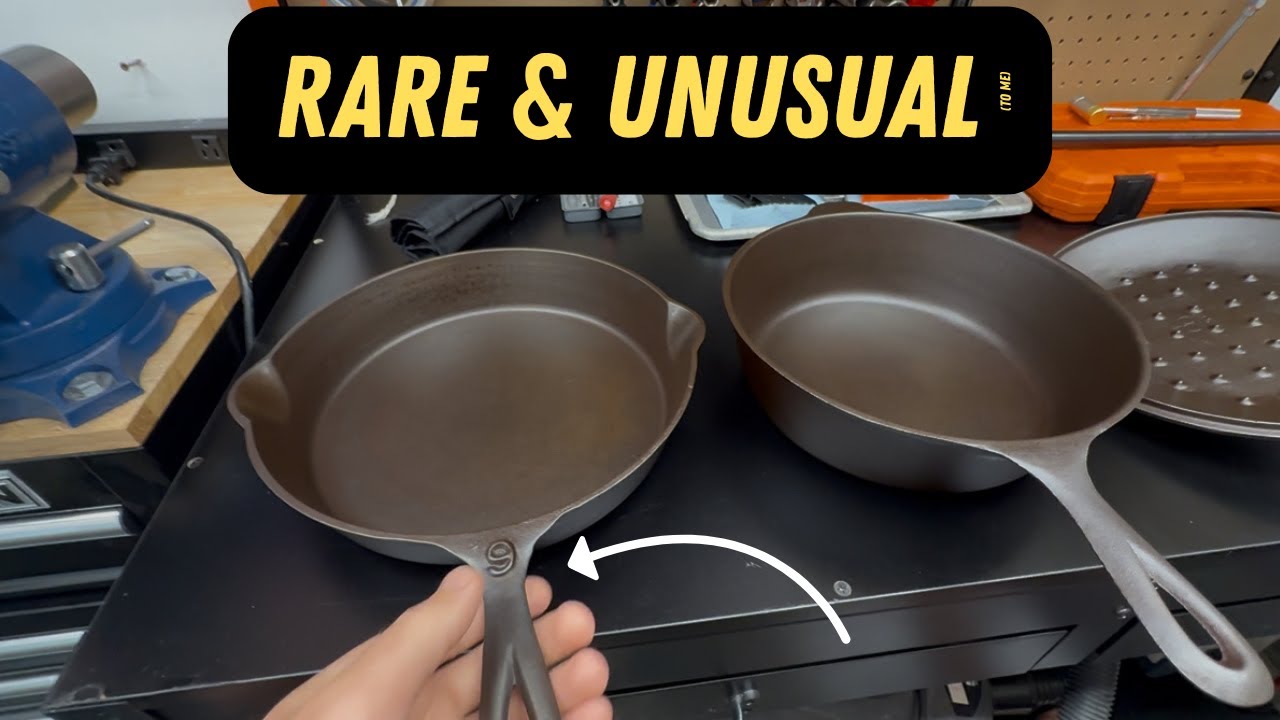
Fixing Flaking Seasoning
Flaking seasoning means old layers peel off. This causes rust and affects cooking. You must remove the loose flakes. Then you start fresh.
Scrub the pan with steel wool. Use a strong brush to remove flakes. Wash and dry the pan well. Apply thin oil coats. Bake the pan in the oven. This makes a strong, smooth seasoning.
-
Use steel wool to remove flaking.
-
Wash and dry the pan completely.
-
Apply thin layers of cooking oil.
-
Bake the pan for one hour at 350°F (175°C).
-
Let the pan cool in the oven before use.
Credit: m.youtube.com
Frequently Asked Questions
How Do I Clean Rust Off Old Cast Iron Cookware?
Scrub the cookware with steel wool. A wire brush also works. Use warm water and mild soap. Rinse very well and dry completely. This stops more rusting.
What Is The Best Method To Reseason Cast Iron Pans?
Apply a thin layer of vegetable oil. Flaxseed oil also works well. Bake the pan upside down at 450°F. Do this for one hour. Repeat 2–3 times for a strong surface.
Can I Use Dishwasher To Clean Cast Iron Cookware?
No, do not use a dishwasher. It strips seasoning and causes rust. Clean cast iron by hand only. Use warm water and a brush.
How Often Should I Season My Cast Iron Cookware?
Season the pan when it looks dull. Do it when food starts sticking. Seasoning every few months works well. This protects the pan.
Conclusion
Restoring old cast iron takes time. It needs care. Clean rust and old seasoning gently. Use simple tools from your kitchen. Dry the pan well to stop rust. Apply oil evenly for a smooth surface. Heat the pan to set the seasoning.
Regular use keeps your cast iron strong. Enjoy cooking with a piece of history. Your old pan can last many years more. Give it care. It will serve you well.