Your cast iron skillet has been through a lot. Maybe it’s rusty, sticky, or just not cooking like it used to.
But don’t give up on it yet. You can bring your skillet back to life and enjoy its unbeatable heat and flavor once again. In this post, you’ll discover simple, practical steps to restore your skillet to perfect condition. Ready to make your old pan feel brand new?
Keep reading—you’re just minutes away from turning your kitchen favorite into a cooking powerhouse.

Credit: www.reddit.com
Assessing Your Skillet
Before restoring a cast iron skillet, you need to check its condition. This helps you know what work is required.
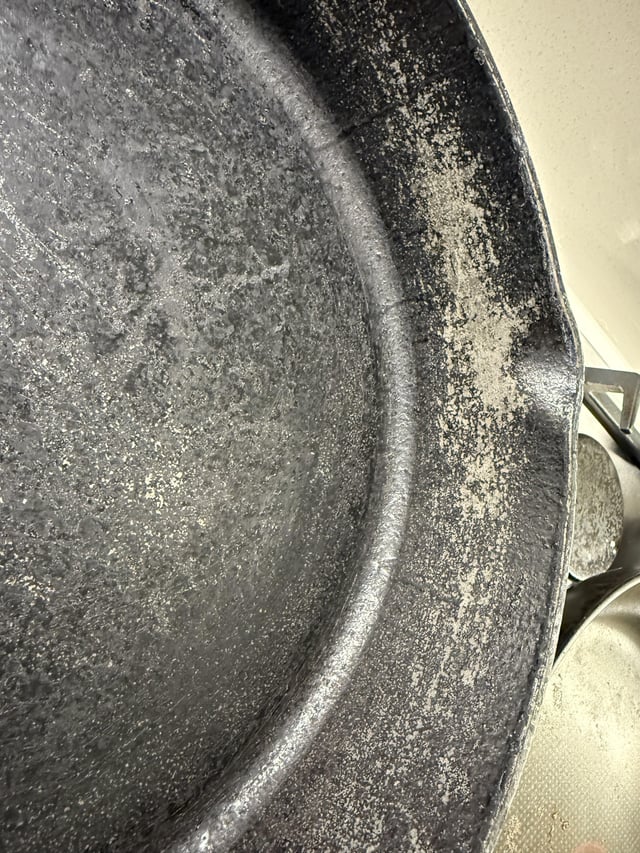
Look closely at your skillet to spot any problems. This includes rust, damage, and how the seasoning looks.
Checking For Rust And Damage
Rust is common on old cast iron skillets. It can harm the pan if not treated. Look for red or brown spots on the surface.
Also check for cracks or deep scratches. These can affect cooking and may be hard to fix.
- Find red or brown rust spots
- Look for cracks or chips on the edges
- Check if the skillet feels rough or pitted
- Notice if the handle is loose or damaged
Evaluating Seasoning Condition
The seasoning is the black coating that protects the skillet. It also makes food less likely to stick. Check if it is smooth or peeling.
If the seasoning looks dull, sticky, or chipped, the skillet needs reseasoning. Good seasoning should be shiny and even.
- Look for shiny, smooth black coating
- Notice any sticky or rough patches
- Check if the seasoning peels or flakes off
- See if food sticks easily to the surface

Credit: www.reddit.com
Cleaning Techniques
Cleaning a cast iron skillet is important to keep it working well. Good cleaning brings out the skillet’s best use and look.
Using safe and gentle ways helps keep the skillet strong and ready for cooking.
Removing Rust Safely
Rust can form on cast iron if it stays wet or is not used often. Removing rust is key to saving the skillet.
Use gentle tools and natural cleaners to avoid damage while removing rust.
- Scrub rust with steel wool or a wire brush
- Apply white vinegar for 1 to 2 hours to loosen rust
- Rinse the skillet with warm water after vinegar soak
- Dry skillet immediately with a cloth or heat it on the stove
- Re-season the skillet after rust removal to protect the surface
Deep Cleaning Without Harsh Chemicals
Deep cleaning removes stuck-on food and grease without harming the skillet’s seasoning.
Use natural products and simple tools to clean deeply and keep the skillet in good shape.
- Scrub with coarse salt and a little water as a natural abrasive
- Use a non-metal brush or sponge for stuck food
- Rinse with warm water only, avoid soap or use very mild soap if needed
- Dry completely and apply a thin layer of oil after cleaning
- Heat skillet on stove or oven to lock in oil and protect surface
Restoring The Surface
Restoring a cast iron skillet’s surface brings back its cooking power. A smooth, clean surface helps food cook evenly and stops sticking.
This guide covers sanding and smoothing the skillet and getting it ready for seasoning.
Sanding And Smoothing
Start by removing rust and old seasoning with sandpaper or a steel wool pad. Use medium grit sandpaper to scrub the entire surface.
- Wear gloves to protect your hands.
- Sand in small circles for even smoothing.
- Focus on rough or rusty spots first.
- Rinse the skillet with warm water after sanding.
- Dry it completely with a towel or heat it on the stove.
Preparing For Seasoning
Before seasoning, clean the skillet well to remove dust and oils. Use soap and hot water, then dry it fully.
| Task | Details |
| Clean | Wash with soap and hot water to remove sanding residue |
| Dry | Use a towel and warm stove to ensure no moisture remains |
| Inspect | Check for smoothness and remove any leftover rust spots |
| Apply Oil | Use a thin layer of cooking oil to coat the skillet |

Credit: www.reddit.com
Seasoning Your Skillet
Seasoning a cast iron skillet creates a natural non-stick surface. It also protects the skillet from rust and damage. This process involves coating the skillet with oil and heating it.
Good seasoning keeps your skillet safe for cooking and improves its performance over time.
Choosing The Right Oil
Pick an oil with a high smoke point for best results. Oils with low smoke points can burn and leave sticky residue.
- Flaxseed oil is popular for strong, durable seasoning layers.
- Vegetable oil is easy to find and works well.
- Canola oil offers a good balance of cost and performance.
- Grapeseed oil has a high smoke point and light flavor.
- Crisco shortening is also a common choice for seasoning.
Step-by-step Seasoning Process
Follow these steps to season your cast iron skillet properly. Make sure your skillet is clean and dry before starting.
- Preheat your oven to 450°F (232°C).
- Apply a thin layer of your chosen oil to the entire skillet, inside and out.
- Use a paper towel to wipe off excess oil until the surface looks dry.
- Place the skillet upside down on the middle rack of the oven.
- Put a baking sheet or foil on the lower rack to catch drips.
- Bake the skillet for one hour to allow the oil to polymerize.
- Turn off the oven and let the skillet cool inside before removing.
Tips For Building Multiple Layers
Adding several seasoning layers improves durability and non-stick quality. Each layer adds more protection to the skillet.
| Tip | Reason |
| Apply thin coats of oil | Prevents sticky or uneven seasoning |
| Allow skillet to cool between layers | Helps oil harden and bond well |
| Repeat seasoning 3-4 times | Builds a strong, smooth surface |
| Use high heat for baking | Ensures proper polymerization of oil |
Maintenance Tips
Keeping a cast iron skillet in good shape takes some care. Regular maintenance helps it last for years.
These tips focus on cleaning, avoiding mistakes, and storing your skillet the right way.
Proper Cleaning After Use
Clean your skillet while it is still warm but not hot. Use warm water and a soft brush or sponge. Avoid soap if possible.
- Rinse with warm water immediately after cooking
- Use a non-metal brush or sponge to remove stuck food
- For tough spots, scrub with coarse salt and a little water
- Dry the skillet completely with a towel or heat it on low flame
- Apply a thin layer of oil to keep the surface seasoned
Avoiding Common Mistakes
Some habits can damage your skillet. Avoid these to keep it working well.
| Common Mistake | Reason to Avoid |
| Using soap often | Removes seasoning and causes rust |
| Soaking skillet in water | Leads to rust and weakens the metal |
| Cleaning with metal scrubbers | Scratches the surface and removes seasoning |
| Cooking acidic foods too long | Can strip the seasoning layer |
| Not drying skillet fully | Causes rust spots |
Storing Your Skillet Correctly
Store your skillet in a dry place. Keep it away from moisture to prevent rust.
Follow these simple storage tips:
- Place a paper towel inside the skillet to absorb moisture
- Store it in a cabinet with good air circulation
- Stack skillets with a cloth between them to protect the surface
- Re-oil the skillet lightly if it sits unused for a long time
Cooking With A Revived Skillet
Bringing your cast iron skillet back to life lets you enjoy cooking with it again. A well-seasoned skillet cooks food evenly and adds great flavor.
Using a revived skillet means you can make many tasty meals. It also saves money by avoiding new pans.
Best Recipes To Try
Cast iron skillets work well for many recipes. They keep heat for a long time and give food a nice crust.
Try these easy dishes to enjoy your skillet’s full benefits.
- Seared steaks with a crispy outside and juicy inside
- Skillet cornbread that is golden and soft
- Roasted vegetables with a smoky, caramelized flavor
- Frittatas with fluffy eggs and melted cheese
- Pan-fried chicken with a crunchy crust
Maximizing Non-stick Performance
Keep your skillet non-stick by seasoning it regularly. Seasoning adds a layer of oil that protects the pan and stops food from sticking.
Use these tips to keep your skillet smooth and easy to cook with.
- Clean the skillet with hot water and a brush after each use
- Avoid soap or harsh scrubbing that removes seasoning
- Dry the pan completely to stop rust
- Apply a thin coat of vegetable oil after drying
- Heat the pan on low for a few minutes to set the oil
- Store the skillet in a dry place
Frequently Asked Questions
How Do I Clean A Rusty Cast Iron Skillet?
To clean rust, scrub the skillet with steel wool and mild soap. Rinse and dry thoroughly. Then, re-season the pan with oil to restore its protective layer.
What Is The Best Oil For Seasoning Cast Iron?
Use flaxseed, vegetable, or canola oil for seasoning. These oils create a durable, non-stick coating. Apply a thin layer and bake the skillet upside down at 450°F for an hour.
How Often Should I Re-season My Cast Iron Skillet?
Re-season your skillet when food starts sticking or the surface looks dull. Regular use and proper care often keep the seasoning intact, but re-seasoning every few months is ideal.
Can I Use Soap On A Cast Iron Skillet?
Mild soap is safe for cleaning seasoned cast iron occasionally. Avoid harsh detergents or soaking, as they can strip the seasoning. Always dry and oil the skillet after washing.
Conclusion
Reviving your cast iron skillet is simpler than it seems. A little care can make it last for years. Clean it gently and season it regularly. This keeps it non-stick and rust-free. Remember, a well-maintained skillet is a kitchen treasure.
Enjoy cooking delicious meals and savor the flavors. With these tips, your skillet will serve you faithfully. It’s all about proper care and attention. Now, get cooking and enjoy your revitalized skillet. Happy cooking!