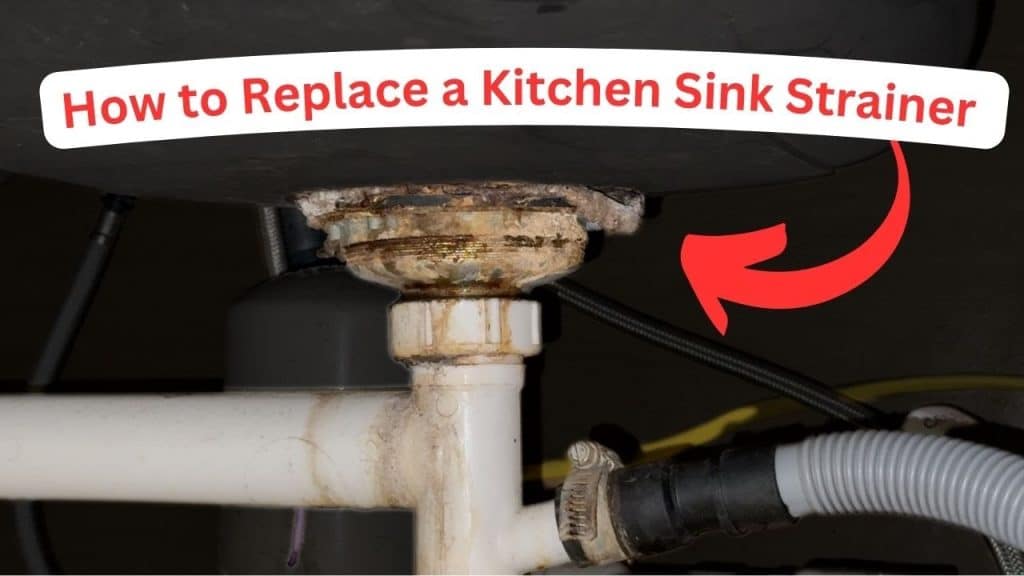
Are you tired of the constant drips and leaks from your kitchen sink? Replacing a kitchen sink basket strainer might be the simple fix you need.
This task, often overlooked, can save you from bigger plumbing headaches down the road. Imagine a kitchen where water drains smoothly, without any annoying clogs or spills. Sounds perfect, right? With just a bit of guidance, you can tackle this DIY project with confidence.
By the end of this guide, you’ll have the know-how to transform your sink into a more efficient and hassle-free part of your kitchen. Dive in, and let’s make your kitchen sink work like new again!
Tools And Materials Needed
Replacing a kitchen sink basket strainer needs the right tools. Having these tools ready makes the job easier and faster.
This guide covers essential tools and how to pick the right basket strainer for your sink.
Essential Tools
Gather these tools before starting your project. They help you remove the old strainer and install the new one properly.
- Adjustable wrench to loosen nuts
- Pipe wrench for stubborn fittings
- Plumber’s putty to seal the new strainer
- Bucket to catch water drips
- Putty knife to scrape off old putty
- Cleaning cloth to wipe surfaces
- Flashlight for better visibility under the sink
Choosing The Right Basket Strainer
Pick a basket strainer that fits your sink drain size. Look at the material and design for durability and ease of cleaning.
| Feature | Details |
| Size | Match the sink drain diameter (usually 3.5 inches) |
| Material | Stainless steel is rust-resistant and lasts longer |
| Design | Choose a strainer with a removable basket for easy cleaning |
| Seal Type | Look for a good gasket or use plumber’s putty for a tight seal |
Preparing For Replacement
Replacing a kitchen sink basket strainer needs careful preparation. You must work safely and avoid water damage.
This guide covers two important steps before you start the replacement process.
Turning Off The Water Supply
First, locate the water supply valves under your sink. These valves control the flow of water to your faucet and strainer.
- Turn the cold water valve clockwise until it stops.
- Turn the hot water valve clockwise to close it as well.
- Open the faucet to drain any remaining water in the pipes.
- Check that no water flows from the faucet before continuing.
Clearing The Area Under The Sink
Next, clear the space under your sink. This gives you room to work and prevents damage to your belongings.
| Item | Action |
|---|---|
| Cleaning supplies | Remove to a safe place |
| Trash bins | Move away from the sink area |
| Plumbing tools | Gather and set aside for easy access |
| Storage boxes | Relocate to avoid water damage |
Removing The Old Basket Strainer
Replacing a kitchen sink basket strainer starts with removing the old one safely. This process needs care to avoid damage to your sink and plumbing.
Follow these clear steps to disconnect, loosen, and remove the old basket strainer.
Disconnecting The Drain Pipes
First, turn off the water supply under the sink. Next, place a bucket below the drain pipes to catch any water. Use a wrench to loosen the slip nuts on the drain pipes carefully. Once loose, pull the pipes away from the sink drain to disconnect them.
Loosening The Locknut
The locknut secures the basket strainer to the sink. Use a large adjustable wrench or a locknut wrench to turn the locknut counterclockwise. If the locknut is tight, apply some penetrating oil and wait a few minutes before trying again. Be careful not to damage the sink or pipes.
- Wear gloves for better grip and protection.
- Use penetrating oil to loosen stuck locknuts.
- Turn the wrench slowly to avoid slipping.
- Check for leaks after loosening.
Extracting The Old Strainer
After loosening the locknut, lift the basket strainer from the sink drain hole. You may need to twist it gently to break the seal of plumber’s putty or silicone. Clean the sink drain opening to remove old putty and debris before installing a new strainer.
| Tool | Purpose |
| Adjustable wrench | Loosen locknut and drain pipe nuts |
| Bucket | Catch water from drain pipes |
| Penetrating oil | Loosen tight locknuts |
| Gloves | Protect hands and improve grip |

Credit: www.familyhandyman.com
Installing The New Basket Strainer
Installing a new kitchen sink basket strainer is a simple task. It helps stop food from clogging the drain.
Follow these steps to install the basket strainer correctly and avoid leaks.
Applying Plumber’s Putty
Start by rolling a small amount of plumber’s putty into a rope shape. This putty creates a watertight seal.
Place the putty rope around the drain opening on the sink before setting the strainer.
Positioning The New Strainer
Set the new basket strainer into the drain hole carefully. Press it down to spread the putty evenly.
Make sure the strainer sits flat and is centered in the sink drain opening.
Securing With The Locknut
Underneath the sink, slide the rubber gasket and metal washer onto the strainer’s tailpiece.
Tighten the locknut by hand first, then use a wrench to secure it firmly. Do not overtighten.
- Place rubber gasket first
- Follow with metal washer
- Tighten locknut securely
- Check for leaks after installation
Reconnecting The Drain Pipes
After replacing the kitchen sink basket strainer, you need to reconnect the drain pipes. This step is important to stop leaks and keep water flowing properly.
Reconnecting the pipes involves attaching the tailpiece and making sure all connections are tight and secure. This helps avoid water damage under your sink.
Attaching The Tailpiece
The tailpiece is the pipe that connects the sink strainer to the drain pipe. First, slide the slip nut and washer onto the tailpiece.
Push the tailpiece onto the sink strainer’s threaded end. Then, hand-tighten the slip nut to hold it in place. Make sure the washer sits between the tailpiece and strainer.
- Slide slip nut onto tailpiece
- Add washer after the slip nut
- Push tailpiece onto strainer’s threads
- Hand-tighten the slip nut
- Check that washer is properly seated
Ensuring Tight Connections
Once the tailpiece is attached, check all pipe connections. Tighten slip nuts with pliers but do not overtighten. Over-tightening can damage washers and cause leaks.
Run water through the sink to test for leaks. If you see water dripping, tighten the connection a little more. Repeat until all joints are dry.
- Use pliers to gently tighten slip nuts
- Avoid overtightening to protect washers
- Run water to check for leaks
- Tighten connections as needed
- Ensure no water drips from joints

Credit: www.youtube.com
Testing For Leaks
After replacing a kitchen sink basket strainer, it is important to check for leaks. This ensures your work is sealed and water will not drip under the sink.
Testing for leaks helps you find small problems early. Fixing leaks now will save you from bigger damage later.
Turning On The Water
Start by turning on the water supply slowly. Open both hot and cold valves under the sink. Let water flow into the basket strainer drain.
Watch the connections closely as water fills the pipes. This pressure will show any leaks at the new strainer or seals.
Inspecting For Drips
Look carefully under the sink for any water drops. Check around the basket strainer and the drain pipes. Use a flashlight if needed.
Also, wipe the area dry first. This helps to spot new drips easily. If you see any leaks, tighten the connections or add plumber’s putty.
- Check the area after running water for several minutes
- Look for wet spots or water pooling
- Listen for dripping sounds
- Re-tighten any loose fittings immediately
Maintenance Tips
Keeping your kitchen sink basket strainer clean helps it work well. Regular care stops problems and saves money.
Simple maintenance can prevent clogs and keep water flowing smoothly in your sink.
Cleaning The Basket Strainer
Remove the basket strainer from the sink carefully. Clean it with warm water and mild soap.
Use a small brush to remove food scraps and debris from the holes. Rinse well before putting it back.
- Take out the strainer gently
- Use warm soapy water for cleaning
- Scrub holes with a soft brush
- Rinse thoroughly with clean water
- Dry before reinstalling
Preventing Future Clogs
Avoid putting large food pieces or grease down the drain. Use a sink strainer to catch solids.
Flush the drain with hot water weekly to clear away small buildups and keep pipes clean.
- Do not pour grease or oil down the drain
- Use a mesh strainer to catch food scraps
- Empty the strainer into the trash regularly
- Run hot water after washing dishes
- Flush drain weekly with hot water

Credit: www.familyhandyman.com
Frequently Asked Questions
What Tools Do I Need To Replace A Kitchen Sink Basket Strainer?
You need a wrench, plumber’s putty, bucket, screwdriver, and replacement strainer. These tools help remove and install the new strainer correctly and prevent leaks.
How Do I Remove The Old Kitchen Sink Basket Strainer?
Turn off the water supply, place a bucket underneath, unscrew the locknut, and lift out the old strainer. Clean the sink drain before installing the new one.
How To Prevent Leaks When Installing A New Basket Strainer?
Apply plumber’s putty around the strainer flange before fitting. Tighten the locknut firmly but avoid over-tightening, which can damage the sink or strainer.
How Long Does It Take To Replace A Kitchen Sink Basket Strainer?
Typically, it takes 30 to 60 minutes for most DIYers. Time depends on your experience and the sink’s accessibility.
Conclusion
Replacing a kitchen sink basket strainer is easier than it seems. Follow the steps carefully and take your time. Use basic tools and stay organized. This small fix can prevent leaks and clogs. Save money by doing it yourself. Keep your kitchen working smoothly and avoid bigger problems.
Try it today and feel proud of your work. Simple tasks like this build confidence. Your sink will thank you with better drainage and less mess.