
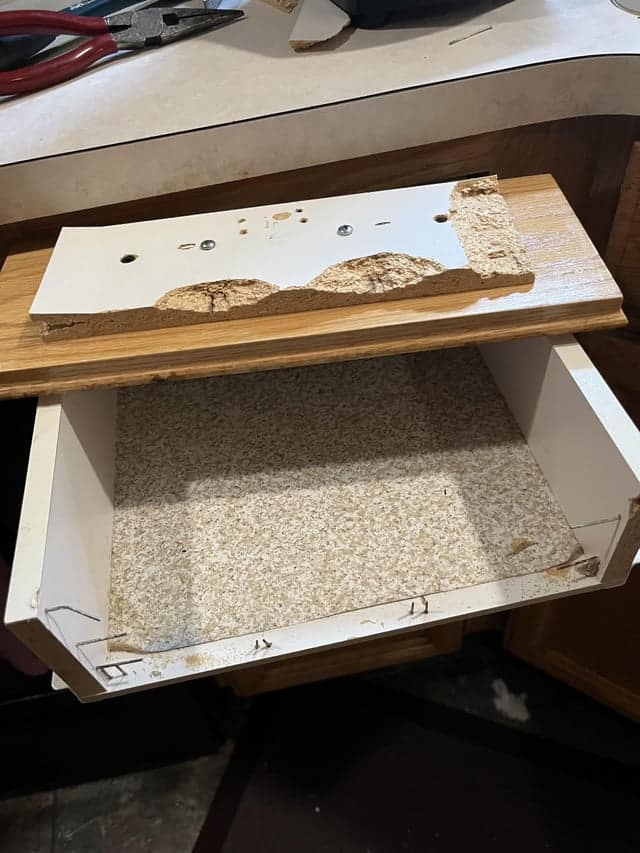
Is your kitchen drawer sticking, wobbling, or refusing to close properly? You don’t have to live with that daily frustration or rush to call a handyman.
Fixing your kitchen drawer yourself is easier than you think—and it can save you time and money. In this guide, you’ll discover simple, step-by-step tips to bring your drawer back to smooth, quiet operation. Keep reading, and by the end, you’ll feel confident tackling the repair on your own.
Your kitchen will thank you!
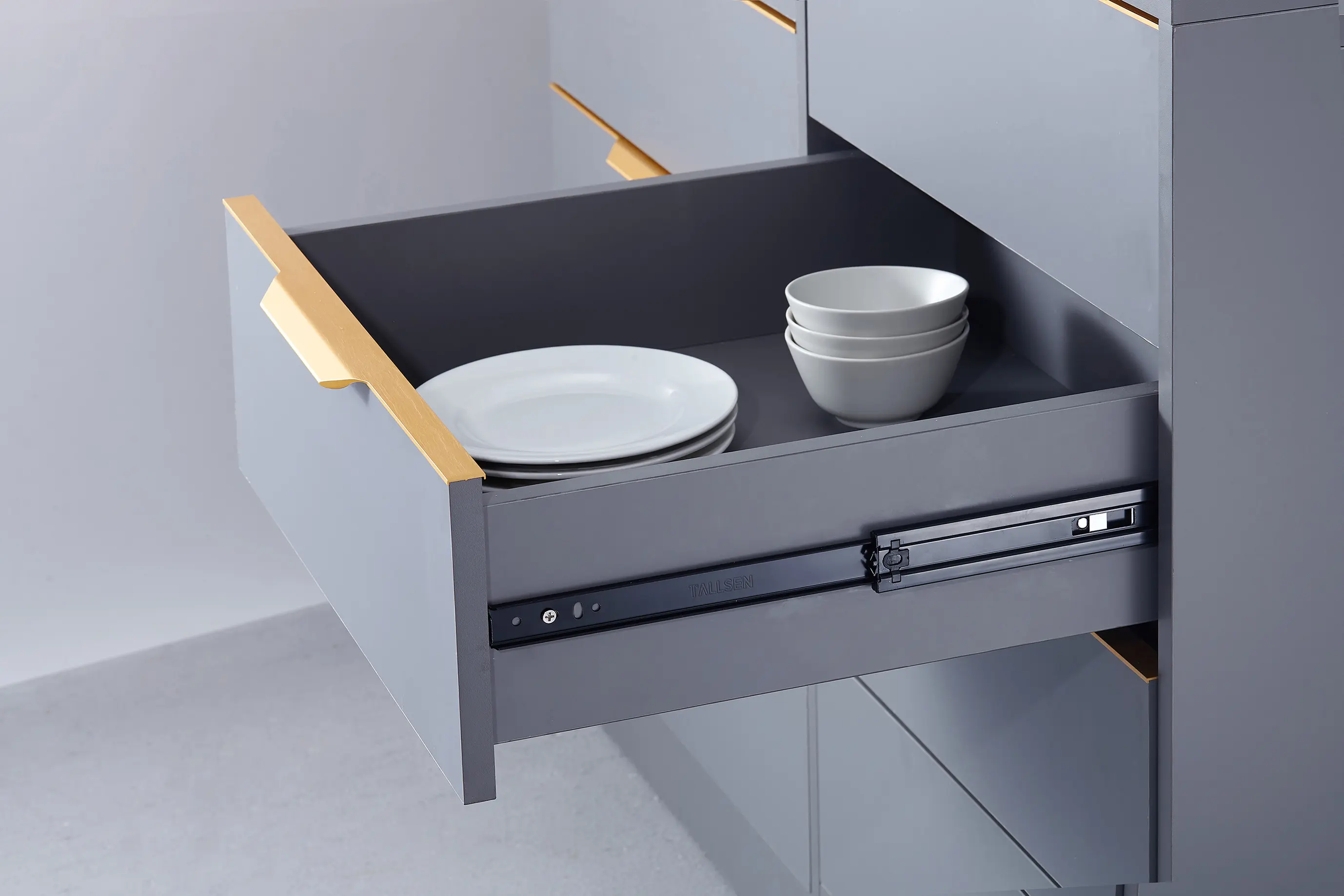
Credit: www.tallsen.com
Tools And Materials Needed
Repairing a kitchen drawer needs the right tools and parts. Using proper gear keeps you safe during the work.
This guide lists the basic tools, replacement parts, and safety gear needed for the job.
Basic Tools
You need a few simple tools to fix a kitchen drawer. Most are easy to find in a home toolbox.
- Screwdriver (flathead and Phillips)
- Hammer
- Measuring tape
- Wood glue
- Utility knife
- Clamps
- Pliers
- Sandpaper
Replacement Parts
Some parts may need to be replaced to fix the drawer properly. Having these parts ready saves time.
| Part | Description |
| Drawer slides | Metal or plastic runners for smooth movement |
| Screws | Various sizes to secure parts |
| Drawer handle or knob | Replacement if the old one is broken |
| Wood filler | To fill cracks or holes in the wood |
Safety Gear
Wear safety gear to protect your eyes and hands during repairs. Safety is very important.
- Safety glasses to protect eyes from dust and splinters
- Work gloves to prevent cuts and scrapes
- Dust mask if sanding or working with wood filler

Credit: howlandhammer.com
Diagnosing Common Drawer Problems
Kitchen drawers often face wear and tear from daily use. Diagnosing problems early can save time and effort.
This guide helps you identify common issues and know what to check before repairing.
Sticking Or Jammed Drawers
Drawers that stick or jam may not open smoothly. Dirt, debris, or swollen wood can cause this problem.
Check the drawer edges for dirt and clean them. Also, look for signs of moisture damage.
Loose Or Broken Handles
Handles can become loose or break with use. This makes it hard to open drawers properly.
- Test each handle by gently pulling it.
- Look for missing screws or cracked parts.
- Check if the handle wobbles or feels unstable.
Damaged Drawer Slides
Drawer slides help drawers move smoothly. Damage to these can cause uneven movement or noise.
| Problem | Possible Cause | What to Check |
| Drawer sticks | Dirty or bent slides | Clean slides and check for bends |
| Drawer falls out | Broken stops or missing parts | Inspect stops and replace broken parts |
| Noisy drawer | Dry or damaged slides | Lubricate or replace slides |
Worn Or Broken Bottom Panels
Bottom panels support drawer contents. Worn or broken panels can cause sagging or items to fall through.
Signs of worn or broken bottom panels include:
- Visible cracks or holes in the panel
- Panels that feel weak or bend under light pressure
- Items slipping through the bottom
Removing The Drawer Safely
Removing a kitchen drawer carefully helps avoid damage. It also makes fixing the drawer easier.
Follow simple steps to take out the drawer without harm. Pay attention to how parts connect.
Clearing The Drawer
Empty the drawer before removal. Remove all items to prevent spills or damage.
Check for small crumbs or dirt and clean them out. A clear drawer moves more smoothly.
Detaching From Slides
Open the drawer fully to see the slides inside. Look for clips or levers holding the drawer.
Press or lift these clips gently to release the drawer. Pull the drawer straight out without tilting.
- Locate the locking clips on each side
- Press or lift clips carefully
- Pull drawer straight out, avoid bending
Handling Fragile Parts
Some kitchen drawers have delicate parts. Handle wooden or glass parts with care to avoid cracks.
Use both hands to support the drawer. Avoid placing heavy pressure on the sides or bottom.
- Hold drawer firmly with both hands
- Support fragile edges and bottom
- Place drawer on a soft surface after removal
Fixing Drawer Slides
Kitchen drawers can get stuck or hard to open if the slides are damaged or dirty. Fixing the slides can make your drawer work smoothly again.
Drawer slides help the drawer move in and out easily. Cleaning, fixing, or replacing them will improve drawer function.
Cleaning And Lubricating
Dirty or dry slides cause drawers to stick. Clean the slides to remove dust and old grease.
Use a soft cloth and mild cleaner to wipe the slides. Dry them well before applying lubricant.
- Remove the drawer from the cabinet
- Wipe the slides with a damp cloth
- Apply a silicone-based lubricant or wax
- Open and close the drawer to spread lubricant
Replacing Broken Slides
If slides are bent or broken, replace them with new ones. This fixes movement problems completely.
Buy slides that match the size and type of your drawer. Remove old slides with a screwdriver.
- Take out the drawer
- Unscrew the broken slides
- Attach new slides using screws
- Put the drawer back and test
Adjusting Alignment
Misaligned slides make drawers hard to open or close. Adjust the slides so they line up properly.
Loosen screws slightly, move the slide to the right spot, then tighten screws again. Check drawer movement after adjustment.
- Remove the drawer
- Loosen slide screws
- Shift slides up or down as needed
- Tighten screws firmly
- Replace drawer and test
Repairing Or Replacing Handles
Kitchen drawer handles can become loose or damaged over time. Fixing or changing them is a simple task. It helps keep your kitchen looking neat and working well.
This guide covers two main ways to fix drawer handles. You can tighten loose handles or install new ones for a fresh look.
Tightening Loose Handles
Loose handles can make drawers hard to open. You only need a screwdriver to fix this problem.
- Find the screws holding the handle.
- Use the right screwdriver to turn the screws clockwise.
- Check if the handle feels tight and does not move.
- If screws spin without tightening, remove the handle and check for stripped holes.
- Use wood glue or toothpicks in the holes to fill gaps before reattaching screws.
Installing New Handles
Replacing old handles with new ones can improve your kitchen's style. Make sure you pick handles that fit your drawer's size.
| Tool | Purpose | Tip |
| Screwdriver | Remove and attach screws | Use the correct size to avoid damage |
| Measuring tape | Check handle and hole size | Measure twice before buying |
| New handles | Replace old handles | Match screw spacing to old handles |
Follow these steps to install new handles:
- Remove the old handle by unscrewing it.
- Clean the drawer surface where the handle was.
- Align the new handle with existing holes.
- Screw the new handle in place firmly.
- Check the handle for stability and ease of use.
Fixing Drawer Bottoms
Kitchen drawers often suffer from loose or broken bottoms. Fixing these parts keeps the drawer strong and useful. You can repair or replace the bottom to make the drawer work like new.
Using simple tools and materials, you can save your drawer without buying a new one. This guide explains how to reinforce weak panels and replace bottom boards.
Reinforcing Weak Panels
Weak drawer bottoms often have cracks or bends. Reinforcing them helps hold the weight of kitchen items. Use wood glue and thin plywood to add support.
First, clean the drawer bottom and dry it well. Cut a piece of plywood to fit under the weak panel. Attach it with wood glue and small nails or screws for extra strength.
- Clean and dry the drawer bottom
- Cut plywood to match the drawer size
- Apply wood glue under the panel
- Place plywood and press firmly
- Secure with nails or screws
- Let glue dry for several hours
Replacing Bottom Boards
If the drawer bottom is badly damaged, replace it. Remove the old board by pulling it out or unscrewing it. Measure the drawer's width and length carefully.
Cut a new board from plywood or hardboard to fit the drawer. Slide or nail the new bottom into place. Check the fit and finish by opening and closing the drawer.
- Remove the old drawer bottom
- Measure drawer width and length
- Cut new board to size
- Insert or nail the new bottom
- Ensure the board fits snugly
- Test the drawer's movement
Reassembling And Testing
After fixing the parts of your kitchen drawer, you need to put it back together. Testing it ensures the drawer works well and lasts long.
This guide covers reattaching the drawer, checking its movement, and making final fixes for smooth use.
Reattaching The Drawer
Start by sliding the drawer back onto its tracks carefully. Make sure the rails line up and the drawer moves straight.
- Align the drawer runners with the cabinet tracks
- Push the drawer in slowly to avoid damage
- Listen for clicks or snaps that show it is locked in place
- Check that screws or clips are tight and secure
Testing Smooth Operation
Open and close the drawer several times. Watch for any sticking or wobbling that needs fixing.
| Test | What to Check | Action if Problem |
| Open Drawer | Easy movement, no resistance | Lubricate rails or realign tracks |
| Close Drawer | Drawer fits flush with cabinet | Adjust stops or screws |
| Side to Side | No wobble or looseness | Tighten screws or replace damaged parts |
Final Adjustments
If the drawer does not work perfectly, make small fixes. Adjust screws or clean the rails for better movement.
Use this checklist for last tweaks:
- Check all screws are snug but not too tight
- Clean any dirt or dust from rails
- Apply a small amount of lubricant to metal parts
- Ensure the drawer front is aligned with the cabinet face
Maintenance Tips For Longevity
Keeping your kitchen drawer in good shape helps it last longer. Small care steps stop bigger problems.
Regular maintenance saves money and keeps your drawer working smoothly every day.
Regular Cleaning
Clean your kitchen drawer often to remove dust and dirt. Dirt can make the drawer stick or break parts.
Use a soft cloth and mild soap. Avoid harsh chemicals that may damage wood or metal.
- Remove all items before cleaning
- Wipe inside and outside surfaces
- Dry the drawer well to avoid moisture damage
- Clean drawer slides and rails carefully
Lubrication Schedule
Lubricate the drawer slides to keep them moving smoothly. This stops squeaks and prevents wear.
Use a silicone spray or wax-based lubricant. Avoid oil that can attract dirt.
- Apply lubricant every 3 to 6 months
- Wipe off old lubricant before applying new
- Focus on metal parts and rollers
- Test the drawer movement after lubrication
Preventive Checks
Check your drawer regularly for loose screws or damaged parts. Fix small issues early.
Tighten screws and replace worn parts to avoid bigger repairs later.
- Inspect drawer slides for damage
- Check the drawer bottom for cracks
- Look for signs of wood swelling or warping
- Make repairs as soon as problems appear

Credit: www.amazon.com
Frequently Asked Questions
How Do I Fix A Stuck Kitchen Drawer?
To fix a stuck drawer, remove it carefully. Clean the tracks and rollers from dust and debris. Lubricate the runners with a silicone spray or wax. Reinstall the drawer and test for smooth operation.
What Tools Are Needed To Repair A Kitchen Drawer?
Basic tools include a screwdriver, hammer, wood glue, clamps, and sandpaper. You may also need replacement screws or drawer slides. Having these tools ready makes the repair process easier and faster.
How Can I Repair A Broken Drawer Handle?
Remove the damaged handle by unscrewing it. Align the new handle holes with the drawer face. Secure it tightly with screws. If holes don’t match, drill new ones carefully before attaching the new handle.
Why Is My Kitchen Drawer Misaligned?
Drawers can misalign due to loose screws, worn slides, or warped wood. Tighten all screws and check the slides for damage. Replace any broken parts to restore proper alignment and smooth function.
Conclusion
Fixing a kitchen drawer is simpler than it seems. With patience and basic tools, anyone can do it. First, identify the problem. Then, gather necessary tools. Follow the step-by-step guide to make repairs. Tighten screws, replace parts, or realign tracks.
Ensure everything fits snugly. Test the drawer's movement. It should glide smoothly. Regular maintenance prevents future issues. Keep tools handy for minor adjustments. Soon, your kitchen drawer will function perfectly. Enjoy the satisfaction of a job well done. Happy fixing!


