
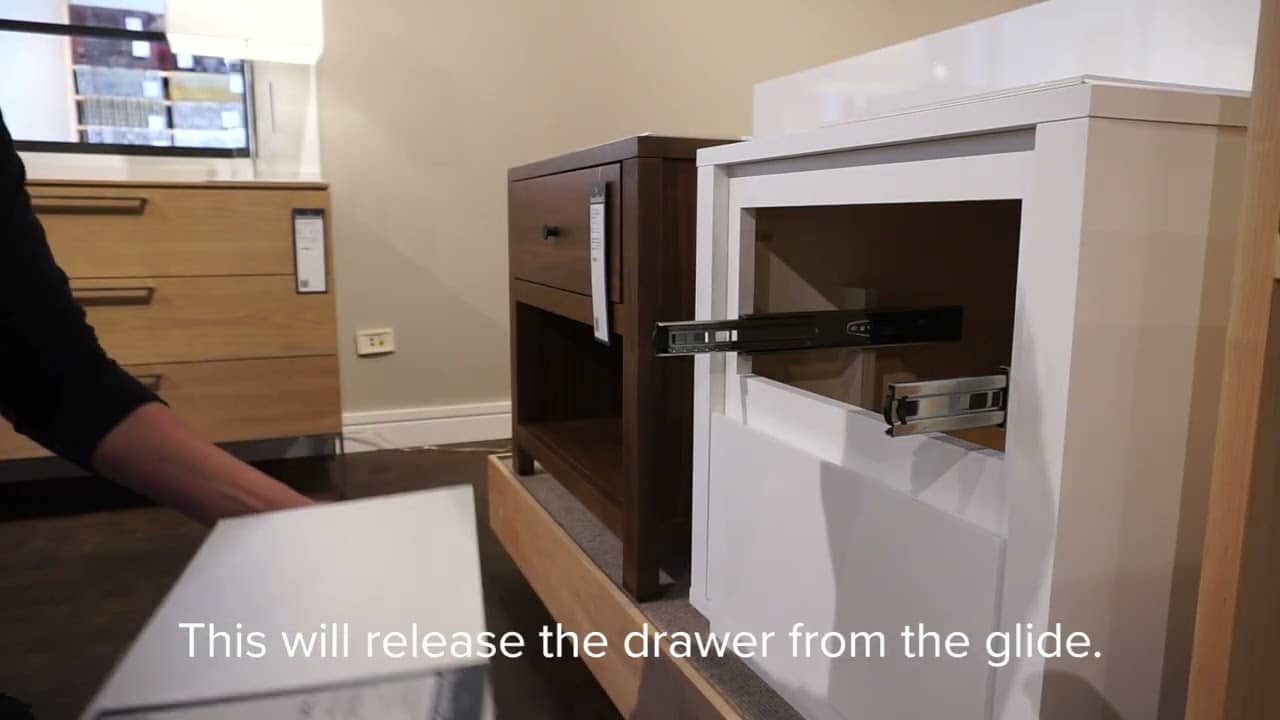
Are you tired of struggling with a stubborn kitchen drawer that just won't budge? You're not alone!
Many people face this frustrating challenge, but the good news is that it doesn't have to be a permanent problem. Imagine the relief and satisfaction of smoothly gliding open that drawer with ease. In this guide, you'll discover simple, step-by-step instructions to release your kitchen drawer without breaking a sweat.
Say goodbye to the daily battle and hello to a more functional kitchen space. Ready to unlock the secret to hassle-free drawer access? Let's dive in!
Tools Needed
Releasing a kitchen drawer requires some basic tools. Having the right tools makes the job easier and safer.
This guide lists essential tools you need to release a kitchen drawer properly.
Screwdriver
A screwdriver helps remove screws holding the drawer or its tracks. Use a flathead or Phillips head depending on the screw type.
Pliers
Pliers grip and pull parts that are hard to reach. They help remove staples, nails, or clips inside the drawer system.
Utility Knife
A utility knife cuts through paint or caulk that might seal the drawer to the cabinet. Use it carefully to avoid damage.
Hammer
A hammer can gently tap loose stuck parts. Use a rubber mallet or place a cloth between the hammer and drawer to protect the surfaces.
Common Tools List
- Flathead screwdriver
- Phillips head screwdriver
- Pliers
- Utility knife
- Rubber mallet or hammer with cloth
- Flashlight (optional for better visibility)
Tool Comparison Table
| Tool | Purpose | Tip |
| Screwdriver | Remove screws | Match screwdriver head to screw type |
| Pliers | Grip and pull small parts | Use needle-nose for tight spaces |
| Utility Knife | Cut paint or caulk | Cut carefully along edges |
| Hammer | Tap stuck parts | Use cloth to protect surfaces |
| Flashlight | Improve visibility | Use in dark cabinets |
Identify Drawer Type
Knowing your kitchen drawer type helps you release it safely. Different drawers have different slide systems.
Look inside the drawer or under it to find the slide type. This guide explains common drawer slides.
Side-mounted Slides
Side-mounted slides attach to the sides of the drawer and cabinet. You see metal rails on both sides when open.
These slides usually have a release lever or button on each side. Press these to remove the drawer.
- Look for metal rails on drawer sides
- Find release levers or buttons on rails
- Press levers and pull drawer out carefully
Under-mounted Slides
Under-mounted slides are hidden beneath the drawer. You only see the drawer sides without rails.
To release, look under the drawer edge for a plastic clip or lever. Push or lift it to free the drawer.
- Check under the drawer for clips or levers
- Push or lift clips to unlock drawer
- Pull drawer straight out after release
Center-mounted Slides
Center-mounted slides attach under the drawer’s middle. You can see one metal rail at the drawer center bottom.
These slides often have a small lever or tab on the rail. Press or slide it to release the drawer.
- Look under drawer center for a metal rail
- Find the release lever or tab on the rail
- Activate the lever and pull drawer out
Prepare The Drawer
Before you release a kitchen drawer, you need to get it ready. Preparing the drawer carefully helps avoid damage.
Preparation includes emptying the drawer and clearing the area around it. This makes the process safe and easy.
Empty The Drawer
Take everything out of the drawer. Emptying it makes the drawer lighter and easier to handle.
Also, remove any items that can fall or break during the release process.
- Remove utensils, pots, and pans
- Take out small containers and packets
- Check for any stuck or hidden items
Clear Surrounding Area
Clear the space around the drawer. This gives you room to work and prevents accidents.
Move chairs, rugs, and any objects near the drawer. Keep the floor clean and dry.
- Push back nearby furniture
- Remove floor mats or rugs
- Keep pets and children away

Credit: www.youtube.com
Release Side-mounted Drawers
Side-mounted kitchen drawers have rails fixed to the drawer sides. These rails often include release levers. Knowing how to release these drawers makes cleaning or fixing easier.
This guide explains how to release side-mounted drawers safely and simply. Follow the steps to avoid damage.
Locate Release Levers
Look inside the drawer sides near the rails. You will find small levers or tabs on both sides. These levers hold the drawer in place on the rails.
Sometimes the levers are colored or shaped differently. This helps you spot them quickly. They are usually plastic or metal and easy to move.
- Open the drawer fully
- Check the left and right sides of the drawer
- Find small levers near the metal rails
Lift Or Press Levers
Use your fingers to lift or press the release levers. One side may require you to push down, the other to pull up. This action frees the drawer from the rail lock.
Do this on both sides at the same time. If the levers feel stuck, do not force them. Check if something blocks the mechanism.
- Press or lift the lever on the left side
- Do the same on the right side
- Keep both levers moved as you pull the drawer
Pull Drawer Out
With the levers lifted or pressed, gently pull the drawer straight out. Keep it level to avoid damage. The drawer should slide out smoothly.
If it does not come out easily, check if both levers are fully engaged. Do not pull hard to prevent breaking the rails or drawer.
- Hold the drawer handle firmly
- Pull the drawer straight out slowly
- Keep levers pressed or lifted while pulling
Release Under-mounted Drawers
Under-mounted kitchen drawers have hidden tracks under the drawer base. This design keeps your kitchen looking neat and clean. To remove these drawers, you need to find and release the clips holding them in place.
Follow the steps below to safely release and remove your under-mounted drawer without causing damage.
Find Release Clips
Look inside the drawer sides near the back. You will see small clips or levers attached to the drawer slides. These clips lock the drawer to the track. They are usually plastic and might be black or white.
Check both sides of the drawer carefully. Each side has one clip you need to press to release the drawer.
Press Clips Simultaneously
Press both release clips at the same time. This action unlocks the drawer from the tracks. Use your thumbs or fingers to push the clips inward or upward, depending on the clip design.
- Insert your fingers inside the drawer near the back.
- Locate the clips on each side.
- Press both clips together.
- Keep pressing while pulling the drawer forward.
Remove Drawer
Once the clips are pressed, pull the drawer straight out. The drawer should slide smoothly off the under-mounted tracks. If it feels stuck, double-check that both clips are fully pressed.
| Common Issues | Solutions |
| Drawer does not release | Make sure both clips are pressed at the same time |
| Drawer stuck partway | Pull gently and wiggle the drawer slightly while pulling |
| Clips are hard to reach | Use a flashlight and a small tool to press clips carefully |

Credit: www.youtube.com
Release Center-mounted Drawers
Center-mounted drawers have a sliding mechanism in the middle. These drawers need special care to release them safely.
This guide explains how to identify the mechanism, unlock the drawer, and slide it out carefully.
Identify Mounting Mechanism
Look inside the drawer to find the mounting rails. Center-mounted drawers usually have a single rail under the drawer.
The rail connects the drawer to the cabinet and controls its movement.
- Check for a metal rail in the center bottom of the drawer
- Look for clips or levers on the rail
- Note if the rail has a release tab or button
Unlock Drawer
To unlock the drawer, you need to press the release mechanism on the rail. This stops the lock and allows the drawer to move.
Some rails have a tab to push or a clip to squeeze. Use your fingers gently to avoid damage.
- Locate the release tab or clip on the rail
- Press or squeeze the release carefully
- Hold the release while pulling the drawer
Slide Out Carefully
Once unlocked, slide the drawer out slowly. Keep it level to avoid bending the rail or drawer.
If the drawer feels stuck, stop and check the release again. Do not force the drawer.
- Hold the drawer firmly with both hands
- Pull the drawer straight out without tilting
- Stop if you feel resistance and check the mechanism
Troubleshooting Stuck Drawers
Kitchen drawers can get stuck for many reasons. Fixing them helps you use your kitchen easily.
This guide shows simple ways to release a stuck drawer safely and quickly.
Check For Obstructions
Look inside the drawer and the cabinet for items blocking the drawer. Small objects or debris may stop it from sliding.
Remove any items that get in the way. Check the sides and back of the drawer for anything stuck.
- Remove all items inside the drawer
- Inspect the drawer tracks and slides
- Clear away dirt, crumbs, or small objects
- Make sure nothing is caught between the drawer and cabinet
Lubricate Slides
Dry or rusty slides make drawers hard to open. Use a lubricant to help the drawer move smoothly.
Apply a small amount of lubricant to the metal or plastic tracks. Avoid using too much to stop dirt buildup.
- Choose a silicone spray or wax-based lubricant
- Spray or apply on the drawer slides evenly
- Open and close the drawer several times to spread the lubricant
- Wipe away any extra lubricant to keep it clean
Use Gentle Force
If the drawer is still stuck, try to open it with gentle force. Avoid using too much strength to prevent damage.
Pull the drawer straight out. Rock it slightly from side to side to loosen it if needed.
- Hold the drawer handle firmly
- Pull slowly and steadily
- Rock the drawer gently left and right
- Stop if you feel resistance to avoid breaking parts
Reinstalling The Drawer
Reinstalling a kitchen drawer is a simple task. It helps your drawer slide smoothly and fit correctly.
Follow these steps to put your kitchen drawer back in place. Doing it right will keep it working well.
Align Slides Correctly
Make sure the metal slides on the drawer match the slides inside the cabinet. Both parts must line up perfectly.
Check that the slides are clean and free of dirt. This helps the drawer move without sticking.
- Look for the front and back of each slide.
- Match the drawer slide with the cabinet slide.
- Keep the slides level and straight.
Push Drawer Fully In
Gently push the drawer into the cabinet. Make sure it slides all the way back to its place.
Do not force the drawer if it feels stuck. Pull it out and check the slide alignment again.
- Hold the drawer handle firmly.
- Push the drawer slowly until it stops.
- If there is resistance, pull out and realign.
Test Smooth Operation
Open and close the drawer several times to check its movement. It should slide easily without noise.
If the drawer does not move smoothly, inspect the slides and adjust as needed.
- Open the drawer fully and close it slowly.
- Listen for scraping or grinding sounds.
- Check for wobbling or uneven movement.

Credit: www.familyhandyman.com
Frequently Asked Questions
How Do I Release A Stuck Kitchen Drawer?
To release a stuck kitchen drawer, first remove any visible screws. Then, gently lift the drawer while pulling it out. If it’s still stuck, check the tracks for debris or damage and clean or adjust them as needed.
What Tools Are Needed To Release A Kitchen Drawer?
Common tools include a screwdriver, pliers, and a flashlight. These help remove screws, adjust hardware, and inspect the drawer tracks for jams or damage.
Can I Release A Kitchen Drawer Without Removing It?
Yes, you can release some drawers by pressing the release levers or clips underneath the drawer slides. This usually allows you to slide the drawer out without fully removing it.
Why Won’t My Kitchen Drawer Come Out Completely?
This often happens due to broken or misaligned drawer slides. Debris or stuck screws can also block the drawer’s full movement. Inspect and clean the tracks to fix this issue.
Conclusion
Releasing a kitchen drawer is simple with the right steps. Take your time to find the release mechanism. Use gentle pressure to avoid damage. Clean and check the tracks for smooth movement. Regular care keeps drawers working well. Try these tips next time your drawer sticks.
A little effort saves you from bigger problems. Enjoy easy access to your kitchen tools again.


