
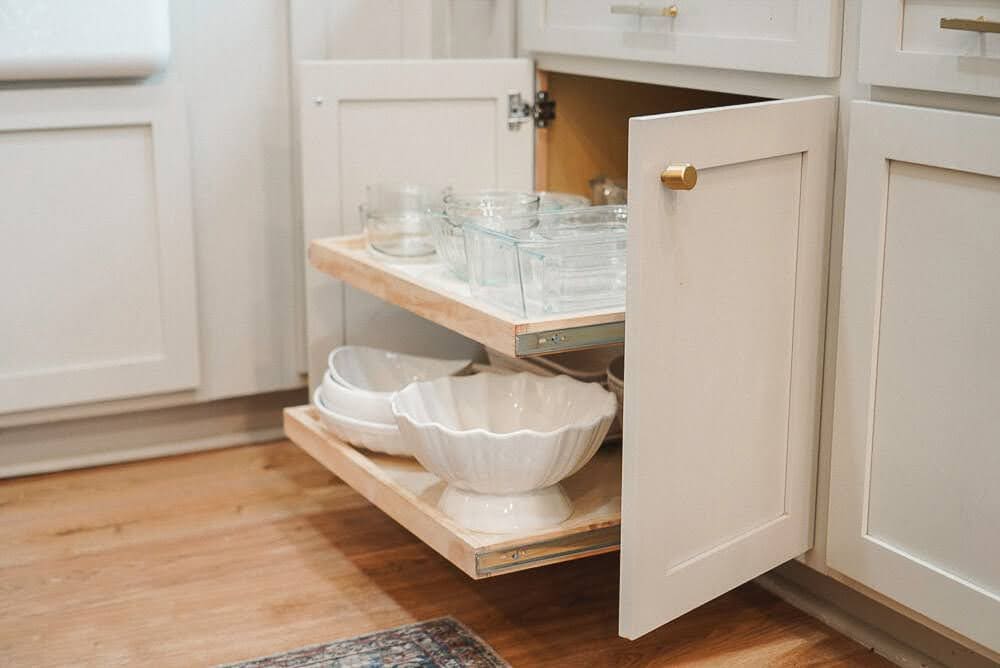
Have you ever found yourself struggling to pull out a kitchen drawer? You’re not alone.
It seems like a simple task, yet many of us hesitate, unsure of the right technique. Whether you’re looking to clean, fix, or simply reorganize, knowing how to properly remove a drawer can save you time and frustration. Imagine the ease of accessing those hard-to-reach items or quickly fixing a jammed drawer.
By following a few straightforward steps, you can master this skill and bring a sense of order to your kitchen space. Dive in to discover just how easy it can be to tackle this common household challenge. Your kitchen will thank you!

Credit: www.magnet.co.uk
Tools Needed
Pulling out a kitchen drawer is a simple task. You need the right tools to do it safely and easily.
This guide lists the tools that help you remove drawers without damage.
Screwdriver
A screwdriver is important for loosening screws that hold the drawer. Most drawers have screws on the sides or bottom.
Use a flathead or Phillips screwdriver depending on the screw type.
Pliers
Pliers help to grip and pull small parts or clips inside the drawer mechanism. They also help if you need extra force.
Choose needle-nose pliers for tight spaces.
Flashlight
A flashlight helps you see inside the drawer tracks and slides. This makes it easier to find screws or clips.
Use a small, bright flashlight to check dark corners.
Putty Knife
A putty knife can gently pry the drawer if it is stuck. It fits into small gaps without causing damage.
Slide it carefully between the drawer and cabinet frame.
Gloves
Wearing gloves protects your hands from sharp edges. It also improves your grip on tools and drawer parts.
Choose gloves that fit well and are comfortable.
Safety Tips
Pulling out a kitchen drawer may seem simple. Still, it can cause injury or damage if not done right. Follow safety tips to keep yourself and your kitchen safe.
Take your time and prepare properly before removing the drawer. This helps avoid accidents and keeps the drawer intact.
Clear The Drawer Contents
Remove all items inside the drawer. Heavy or sharp objects can fall out and cause injury. Emptying the drawer also makes it lighter and easier to pull out.
Use Proper Hand Placement
Place your hands on both sides of the drawer handle. Avoid gripping the bottom or sides where you could pinch your fingers. Pull the drawer straight out slowly to prevent it from dropping suddenly.
Watch For Obstructions
Check the drawer tracks and the cabinet for any objects blocking the drawer. Obstructions can cause the drawer to stick or fall out abruptly. Make sure the path is clear before pulling the drawer.
Support The Drawer When Removing
- Pull the drawer gently until it stops.
- Reach under the drawer to support its weight.
- Lift the drawer slightly to disengage any locking mechanism.
- Pull the drawer fully out while holding it firmly.
Wear Protective Gloves
Gloves protect your hands from splinters, sharp edges, or dirt inside the drawer. Use gloves especially if the drawer is old or damaged.
Keep Children And Pets Away
Make sure kids and pets are not near the area when you pull out the drawer. They might get hurt if the drawer falls or if tools are inside.
Inspect Drawer Hardware
| Hardware Part | Safety Check |
|---|---|
| Slides | Check for rust or damage to avoid sudden breaks. |
| Locks | Make sure locks are released to prevent jamming. |
| Screws | Tighten loose screws to keep drawer stable. |
Identify Drawer Type
Knowing your kitchen drawer type helps you pull it out correctly. Different slides need different ways to open.
Look inside the drawer and under it to find the slide style. This guide shows common drawer types.
Side-mounted Slides
Side-mounted slides attach to the drawer sides and cabinet frame. You can see metal rails on both sides.
These slides usually allow full extension of the drawer. They are easy to spot when you open the drawer.
- Metal rails run along each side
- Visible when drawer is open
- Allow smooth, full drawer pull
Center-mounted Slides
Center-mounted slides attach under the drawer in the middle. They often use a single metal rail.
This type is less common in kitchens. You may need to pull the drawer straight out carefully to avoid damage.
- Single metal rail under the drawer
- Not visible from the sides
- Pull straight to avoid jamming
Undermount Slides
Undermount slides attach below the drawer bottom. They are hidden from view when the drawer is open.
This slide type allows smooth and quiet movement. You may need to press levers or buttons to remove the drawer.
- Slides are hidden beneath the drawer
- Often have release levers or clips
- Provide quiet and smooth operation
Remove Drawer Stops
Drawer stops keep your kitchen drawer from sliding out too far. Removing them helps you pull the drawer completely out. This is useful for cleaning or fixing the drawer.
Before pulling the drawer out, you need to find and remove these stops carefully. This guide shows how to do it safely.
Locate The Drawer Stops
Open the drawer halfway to see the sides inside the cabinet. Look for small plastic or metal pieces near the back. These are the drawer stops.
Stops can be on the drawer sides or on the cabinet frame. They block the drawer from sliding out fully.
Release The Drawer Stops
Press, lift, or slide the drawer stops depending on their design. This will let you move the drawer past them.
- Some stops clip off by pressing a tab
- Others slide sideways to unlock
- A few lifts up to release the drawer
Check the stops carefully to avoid breaking them. Use gentle force while releasing.
Remove The Drawer Fully
After releasing the stops, pull the drawer straight out. Keep it level to avoid damage.
If the drawer feels stuck, check for extra stops or screws. Remove them before pulling again.
Release Drawer Slides
Pulling out a kitchen drawer usually means unlocking the drawer slides. Different types of slides need different methods to release them. Knowing your slide type helps you remove the drawer safely.
This guide covers side-mounted, center-mounted, and undermount slide releases. Each section explains how to unlock the slides properly.
Side-mounted Slide Release
Side-mounted slides have rails on both sides of the drawer. They often have a release lever or tab to unlock the drawer from the cabinet.
- Fully extend the drawer as far as it will go.
- Look for a lever or tab on one or both sides of the slides.
- Press or lift the lever to unlock the slide mechanism.
- Pull the drawer straight out while holding the lever.
Center-mounted Slide Release
Center-mounted slides run under the drawer in the middle. They usually have a plastic release lever or a metal clip.
| Action | Description |
| Extend Drawer | Pull the drawer out completely but do not force it. |
| Locate Release | Find the lever or clip under the drawer near the center slide. |
| Unlock | Press or squeeze the release to free the slide. |
| Remove Drawer | Pull the drawer out gently while holding the release. |
Undermount Slide Release
Undermount slides are hidden under the drawer. They use clips or levers that you must press or pull to release the drawer.
Follow these tips to remove drawers with undermount slides:
- Open the drawer fully to access the slides underneath.
- Look for a clip on each side near the front of the slide.
- Push the clip inward or lift it, depending on the model.
- While holding the clips, pull the drawer straight out.
- Keep the drawer level to avoid damage.
Pull Out The Drawer
Pulling out a kitchen drawer is easy when you know the right way. It helps you access items stored inside without damage.
Follow simple steps to safely and smoothly pull out your kitchen drawer every time.
Check For Obstacles
Before pulling the drawer, look inside and around it. Remove any items or objects blocking the path.
Grip The Drawer Handle Firmly
Place your hand on the drawer handle. Hold it firmly but do not squeeze too hard to avoid damage.
Pull The Drawer Straight Out
Pull the drawer gently and straight toward you. Avoid pulling at an angle to keep the drawer on its track.
- Use even force while pulling
- Stop if you feel resistance
- Check if the drawer moves smoothly
- If stuck, push back slightly and try again
Support The Drawer
Once the drawer is out, support it with both hands to prevent it from falling or tipping.
| Common Issue | What to Do |
| Drawer Stuck | Check for jams or debris in the tracks |
| Drawer Tilts | Hold drawer level and avoid pulling unevenly |
| Handle Feels Loose | Tighten screws before pulling again |
Inspect And Clean Slides
Kitchen drawers slide open and close on metal or plastic tracks. These tracks are called slides. Over time, slides can collect dust, dirt, and debris.
Cleaning and checking the slides helps the drawer move smoothly. It also stops the drawer from getting stuck or making noise.
Remove The Drawer Carefully
Before you inspect the slides, pull the drawer out gently. Do not force it to avoid damage. Some drawers have a release lever or clip to unlock the slides.
Look under or on the sides of the drawer to find the release mechanism. Press or lift it to free the drawer from the cabinet.
Check The Slides For Damage
Look closely at the metal or plastic slides. Check for dents, bends, or cracks. Damaged slides can stop the drawer from moving well.
If you see broken parts, consider replacing the slides. If the slides look fine, you can clean and lubricate them.
Clean The Slides Thoroughly
Use a soft cloth or brush to remove dust and dirt from the slides. For sticky grime, dampen the cloth with mild soap and water. Avoid soaking the slides.
Dry the slides completely with a clean cloth before moving to the next step. Clean slides help the drawer glide smoothly.
Lubricate The Slides
Apply a small amount of lubricant to the slides. Use a silicone-based spray or a dry lubricant. Avoid oil-based lubricants as they attract dust.
- Spray or apply lubricant evenly along the slide rails
- Wipe off any extra lubricant with a clean cloth
- Test the drawer movement to ensure it slides easily

Credit: www.slideashelf.com
Troubleshooting Common Issues
Pulling out a kitchen drawer should be easy. Sometimes, drawers get stuck or don't work right.
Knowing how to fix these problems helps you use your kitchen better. Let's look at common drawer issues.
Stuck Drawer
A stuck drawer can block access to your items. Dust, dirt, or objects inside can cause this.
Try to pull gently while wiggling the drawer side to side. Check for anything blocking the tracks.
- Clear debris from drawer edges and tracks
- Use a cloth to clean the sliding parts
- Apply a small amount of lubricant like silicone spray
Broken Slides
Drawer slides help the drawer move smoothly. Broken slides make the drawer hard to open or close.
Look for bent or cracked metal parts on the slides. If damaged, slides need replacing to work well again.
- Remove the drawer from the cabinet
- Inspect both slides on the drawer and cabinet
- Buy replacement slides that match your drawer size
- Install new slides following the package instructions
Misaligned Drawer
A misaligned drawer looks crooked and may not close properly. It can happen if screws loosen or parts shift.
Tighten screws on the slides and check the drawer frame. Adjust the position so the drawer fits evenly.
- Remove the drawer and check the slide position
- Tighten any loose screws on slides and drawer sides
- Align the slides so they are parallel and even
- Test by sliding the drawer back in carefully
Reinstall Drawer
Reinstalling a kitchen drawer is a simple task you can do yourself. It helps keep your kitchen organized and functional.
This guide explains how to put the drawer back in place after removal. Follow these steps carefully for a smooth process.
Check Drawer Components
Before reinstalling, inspect the drawer parts. Make sure the slides and runners are clean and undamaged.
- Look for broken or bent runners
- Clean dirt or dust from slides
- Test the wheels or rollers for smooth movement
- Replace any damaged parts before reinstalling
Align Drawer Slides
Proper alignment is key to reinstall the drawer correctly. Both the drawer slides and cabinet runners must line up perfectly.
Hold the drawer near the cabinet opening. Slowly guide the slides into the runners on both sides.
Push Drawer Fully In
After aligning the slides, push the drawer gently but firmly into the cabinet. Avoid forcing it to prevent damage.
| Drawer Position | Action |
| Halfway in | Check alignment again |
| Fully in | Test opening and closing |
| Does not close | Remove and realign slides |
Test Drawer Operation
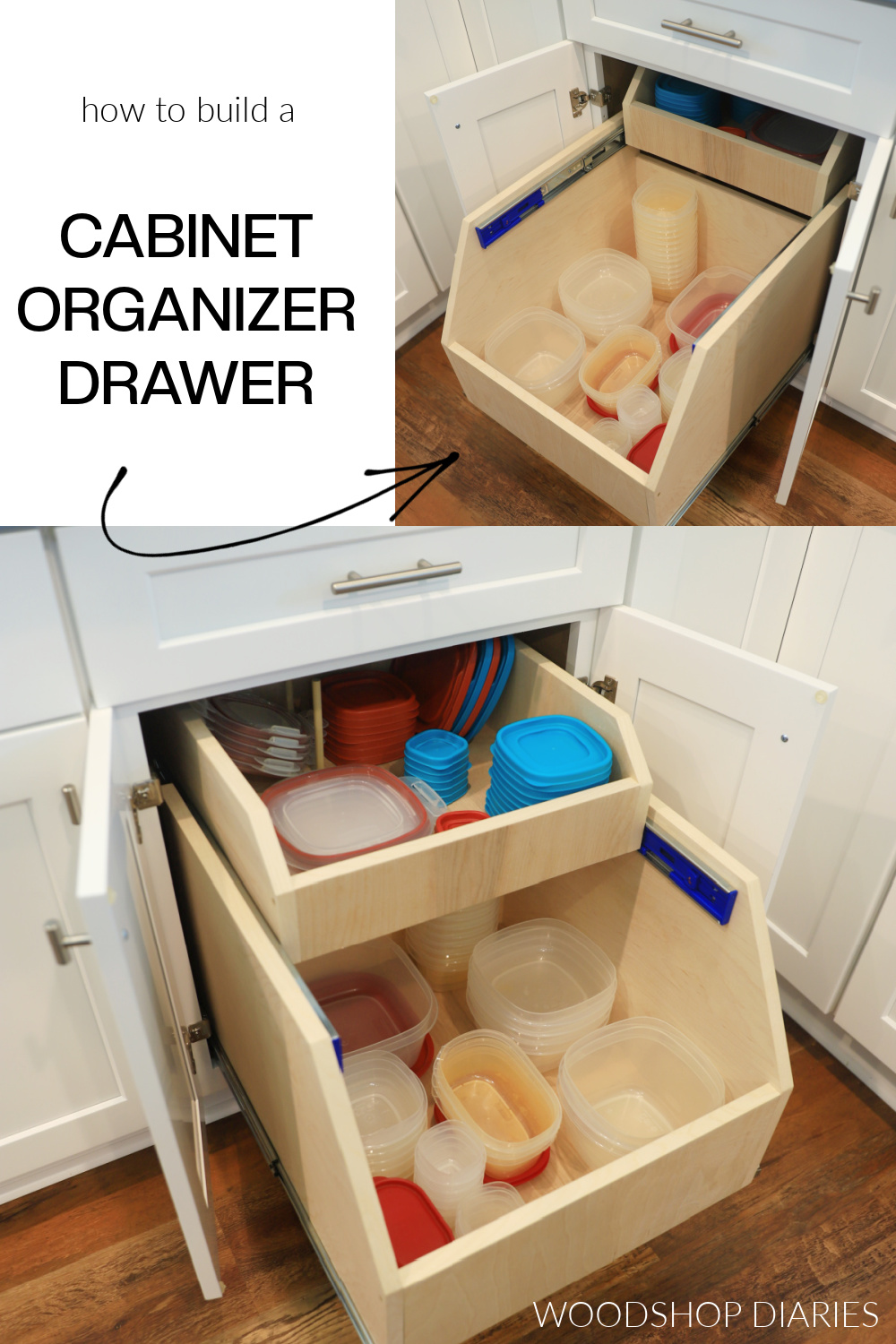
Open and close the drawer several times. It should move smoothly without sticking or wobbling.
Credit: www.woodshopdiaries.com
Frequently Asked Questions
How Do I Safely Remove A Kitchen Drawer?
To safely remove a kitchen drawer, first empty its contents. Locate the release clips or levers under the drawer. Press or lift them while gently pulling the drawer out. Avoid forcing it to prevent damage to the rails or drawer.
What Tools Are Needed To Pull Out A Kitchen Drawer?
Usually, no tools are needed to pull out a kitchen drawer. Most drawers have release clips or levers. However, a screwdriver might be useful if the drawer is stuck or has screws securing it. Always check the drawer type first.
Why Won’t My Kitchen Drawer Come Out Completely?
A drawer may not come out completely due to locked safety stops or debris in the tracks. Inspect the rails for obstructions. Release any locking mechanism carefully. Avoid forcing the drawer to prevent damage to the slides or cabinet.
How Can I Fix A Stuck Kitchen Drawer?
To fix a stuck kitchen drawer, check for debris or damaged tracks. Clean the rails and lubricate with silicone spray. Adjust or replace broken components. Ensure the drawer is properly aligned before trying to pull it out again.
Conclusion
Pulling out a kitchen drawer is easier than it seems. Start by removing any obstacles inside the drawer. Gently lift and pull the drawer straight out. Check for clips or stops that hold it in place. Take your time to avoid damage.
Practice these steps a few times. Soon, it will become a simple task. Keeping your drawers clean helps them slide smoothly. Remember, small repairs save money and frustration. You can handle this with patience and care. No need to call for help every time.
Simple tasks like this build your confidence. Try it today and see how easy it is.


