Have you ever opened your kitchen cupboard and noticed a musty smell or spotted dark spots creeping along the corners? Learning how to prevent mould in kitchen cupboards isn’t just about avoiding unpleasant sights—it helps protect your cabinets and your health.
The good news is, you don’t have to live with it. By taking a few simple steps, you can keep your cupboards clean, dry, and mould-free. Keep reading, and you’ll discover easy, practical ways to prevent mould in kitchen cupboards and enjoy a fresher, healthier home every day.
Causes Of Mould In Kitchen Cupboards
Mould grows in kitchen cupboards when conditions are right. It needs moisture and food to thrive. Understanding what causes mould helps you stop it early.
Many factors can lead to mould growth. The main causes are moisture sources, poor ventilation, and leftover food spills.
Moisture Sources
Moisture is the main cause of mould in cupboards. It can come from leaks, damp air, or wet items stored inside.
- Leaks under the sink or pipes
- Steam from cooking and boiling water
- Wet dishes or cloths left inside cupboards
- Condensation on cupboard walls
Poor Ventilation
Without good airflow, moisture stays trapped. This creates a damp space where mould grows easily. Cupboards in kitchens with no vents or windows are at risk.
| Ventilation Issue | Effect on Cupboards |
|---|---|
| No exhaust fan | Traps steam and humidity |
| Closed or blocked vents | Reduces air circulation |
| Sealed cupboards | Limits airflow inside |
Food Residue And Spills
Food left in cupboards feeds mould spores. Crumbs, sticky spills, and grease all add to the problem. Regular cleaning helps prevent mould growth.
- Spilled sugar or flour
- Sticky syrup or sauces
- Forgotten crumbs on shelves
- Oily spots from cooking oils
Credit: www.allianz.com.au
Signs Of Mould Growth
Mould in Kitchen Cupboards often grows due to moisture and poor ventilation. It can cause damage and health problems if not noticed early.
Knowing the signs of mould helps you clean it before it spreads. Look carefully inside your cupboards to spot any issues.
Visible Spots And Discoloration
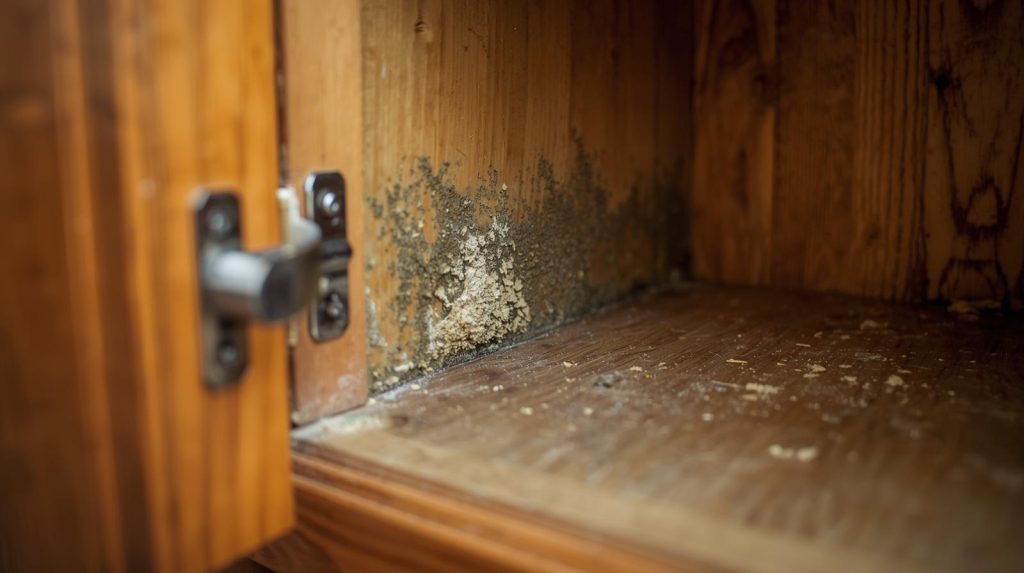
Mould usually shows as dark or colored spots on cupboard surfaces. These spots can be black, green, or white.
Discoloration may also appear as patches or streaks where paint or wood looks stained or faded. This can mean mould is growing underneath.
- Dark spots on wood or paint
- Green or black patches
- White fuzzy growth
- Stains or discoloration on surfaces
Musty Odors
A strong, musty smell is a common sign of Mould in Kitchen Cupboards. The smell comes from the spores and damp areas inside cupboards.
If your kitchen cupboards smell damp or earthy, check for mould even if you do not see spots yet. The odor often appears before visible mould.
- Earthy or damp smell
- Persistent musty odor
- Smell stronger in closed cupboards
Health Symptoms
Mould can cause health problems for people living in the home. Watch for symptoms that may happen when mould is present.
Some people get allergic reactions or breathing problems from mould spores in the air. These symptoms often improve when mould is removed.
- Coughing or sneezing
- Itchy or watery eyes
- Runny or blocked nose
- Wheezing or difficulty breathing
- Skin rashes or irritation
Cleaning Techniques To Remove Mould
Mould in kitchen cupboards can cause bad smells and damage your wood. Cleaning mould properly stops it from spreading.
Use safe cleaning methods to remove mould and keep your kitchen healthy and fresh.
Safe Cleaning Solutions
Choose cleaning solutions that kill mould but do not harm you or your cupboards. Avoid harsh chemicals that may damage surfaces.
- Mix one cup of white vinegar with one cup of water.
- Use a solution of baking soda and water to scrub mould spots.
- Try diluted hydrogen peroxide for tougher mould stains.
- Wear gloves and a mask when using any cleaning solution.
Step-by-step Cleaning Process
- Remove all items from the cupboards to clear the area.
- Wipe the surfaces with a dry cloth to remove loose mould.
- Spray your chosen cleaning solution onto the mouldy areas.
- Let the solution sit for 10-15 minutes to kill mould spores.
- Scrub gently with a soft brush or sponge to lift mould.
- Rinse the area with clean water and dry it thoroughly.
Preventing Cross-contamination
| Tip | Reason |
|---|---|
| Use separate cloths for mould and clean areas | Stops mould spreading to other surfaces |
| Clean tools after use with hot water and soap | Removes mould spores from brushes and sponges |
| Dispose of used cloths or wash them immediately | Prevents mould from growing on cleaning materials |
| Wash your hands thoroughly after cleaning | Protects your skin from mould irritation |

Credit: www.bustmold.com
Reducing Moisture In Cupboards
Moisture in cupboards can lead to Mould in Kitchen Cupboards. It is important to keep cupboards dry to protect your food and kitchen furniture.
There are simple ways to reduce moisture. Fixing leaks, using dehumidifiers, and improving airflow all help.
Fixing Leaks And Drips
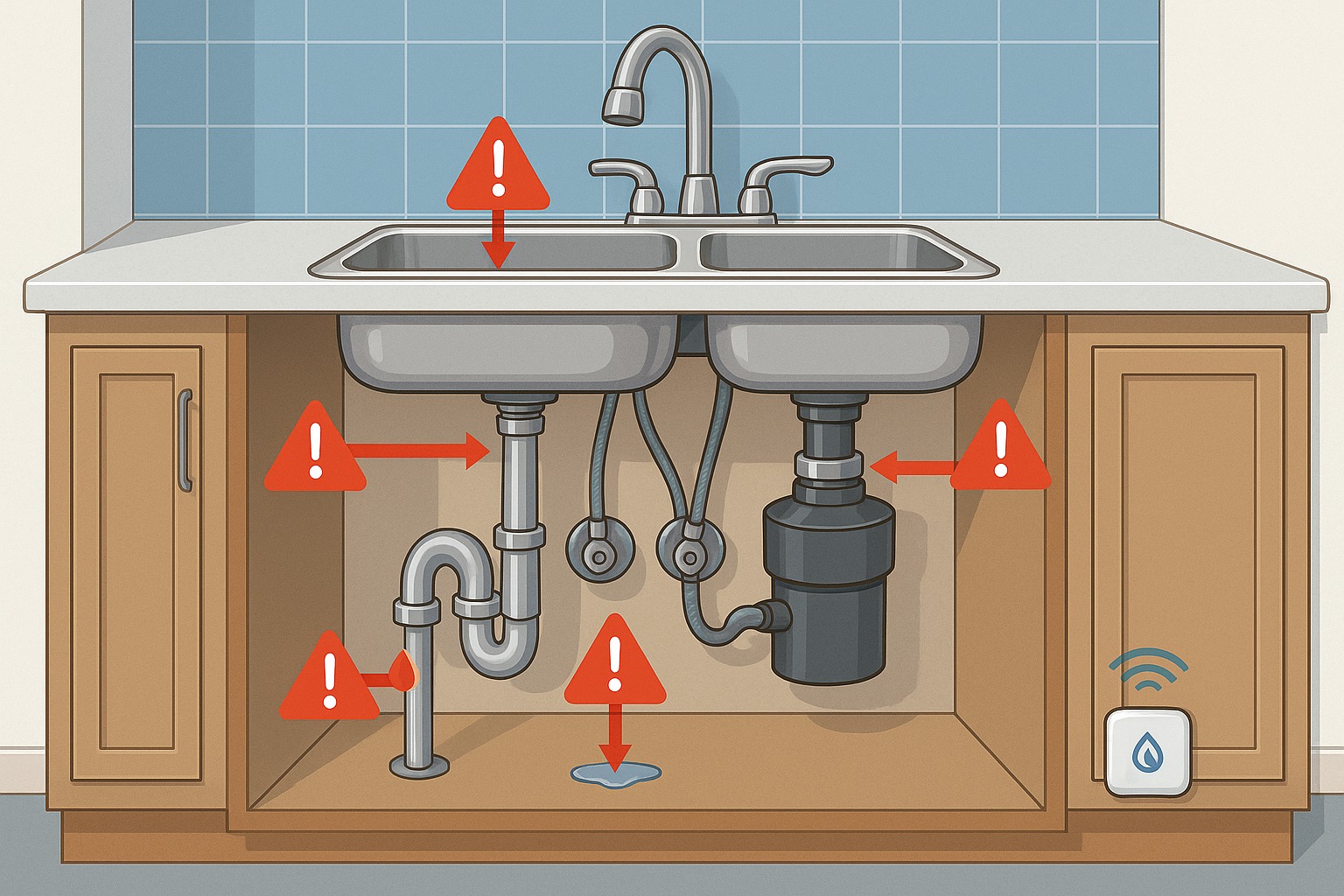
Leaks and drips add water inside cupboards. Check under sinks and pipes for any leaks. Fix small drips quickly to stop moisture buildup.
- Inspect pipes regularly for signs of water.
- Use plumber’s tape or sealant to stop leaks.
- Replace old or broken washers in taps.
- Keep cupboard bottoms dry by wiping spills immediately.
Using Dehumidifiers
Dehumidifiers reduce moisture in the air. They help keep cupboards dry and prevent mould growth. Small electric dehumidifiers work well in kitchens.
| Type | Best For | Notes |
| Electric Dehumidifier | Large kitchens | Needs power outlet |
| Desiccant Packs | Small cupboards | Replace regularly |
| Silica Gel | Cabinet corners | Reusable if dried |
Improving Airflow
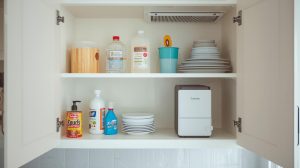
Good airflow stops moisture from settling inside cupboards. Keep cupboard doors slightly open when possible. Use vents or fans to move air.
- Do not overfill cupboards to allow air circulation.
- Install small vents on cupboard doors or walls.
- Use kitchen extractor fans when cooking.
- Open windows to let fresh air in.
Organizing Cupboards To Avoid Mould
Mould grows in damp and cluttered places. Kitchen cupboards can be a common spot for mould.
Organizing your cupboards helps keep air flowing and moisture low. This stops mould from growing.
Proper Food Storage
Keep food in airtight containers to stop moisture and pests. This reduces mould risk.
Use containers made of glass or plastic with tight lids. Avoid open bags or boxes.
- Seal dry goods like flour, sugar, and rice well
- Store leftovers in sealed containers
- Check expiration dates and throw out old food
Avoiding Overcrowding
Do not pack cupboards too tightly. Crowded spaces trap moisture and block air flow.
Leave space between items. This helps keep cupboards dry and fresh.
- Arrange items with space around them
- Use shelf organizers to create layers
- Remove unused or expired items regularly
Regular Maintenance
Clean cupboards often to stop mould spores from growing. Wipe shelves with mild soap and water.
Check for leaks or damp spots and fix them quickly. Keep cupboards dry at all times.
- Inspect cupboards monthly for signs of mould
- Use moisture absorbers like silica gel packs
- Leave cupboard doors open for air circulation
Materials And Treatments To Resist Mould
Mould in Kitchen Cupboards grows easily because of moisture. Using the right materials helps stop mould from forming. Treatments can protect surfaces and keep cupboards dry.
This guide covers mould-resistant paints, waterproof liners, and natural anti-mould remedies. These options reduce mould growth and keep your kitchen clean.
Mould-resistant Paints
Mould-resistant paints contain special ingredients to stop mould spores. They create a barrier that blocks moisture. These paints work well on cupboard surfaces and walls.
- Choose paints labeled as mould or mildew resistant.
- Apply paint on clean, dry surfaces.
- Use multiple coats for better protection.
- Ventilate the kitchen while painting.
Waterproof Liners
Waterproof liners act as a shield inside cupboards. They stop water and spills from soaking into wood or particleboard. Liners are easy to clean and replace.
| Type | Features | Benefits |
| Plastic Sheets | Flexible, water-resistant | Easy to clean, affordable |
| Vinyl Liners | Durable, slip-resistant | Protects against moisture and stains |
| Foam Liners | Soft, cushioned | Absorbs minor spills, prevents scratches |
Natural Anti-mould Remedies
Natural remedies fight mould without chemicals. They keep cupboards fresh and safe for food storage. Use these methods regularly to prevent mould growth.
- Spray diluted white vinegar on cupboard surfaces.
- Place charcoal bags inside cupboards to absorb moisture.
- Use baking soda in small containers to reduce humidity.
- Keep cupboards dry by wiping spills immediately.
Credit: www.bustmold.com
Frequently Asked Questions
How Can I Stop Mould Growth In Kitchen Cupboards?
Keep cupboards dry and well-ventilated to prevent mould. Wipe spills immediately and avoid storing wet items. Use moisture absorbers or dehumidifiers in humid kitchens. Regularly clean cupboards with mild detergent and vinegar solution to kill mould spores.
What Causes Mould In Kitchen Cupboards?
Mould in cupboards is caused by moisture buildup, poor ventilation, and food residue. Leaks or condensation increase humidity, creating ideal conditions for mould growth. Lack of sunlight and stale air also contribute to mould development inside cupboards.
Which Materials Resist Mould In Kitchen Cupboards?
Materials like metal, glass, and laminated wood resist mould better. Avoid porous materials like untreated wood or particleboard that absorb moisture. Use mould-resistant paint or sealant on cupboard surfaces for added protection against mould.
How Often Should I Clean Kitchen Cupboards To Prevent Mould?
Clean kitchen cupboards every 1-2 months to prevent mould. Regular cleaning removes food particles and moisture that attract mould spores. Pay special attention to corners and shelves where mould commonly develops.
Conclusion
Preventing mould in kitchen cupboards is essential for a healthy home. Regular cleaning keeps mould away. Ensure cupboards are dry. Check for leaks often. Keep a good airflow inside. Use dehumidifiers if needed. Store items properly to avoid moisture build-up.
Remember, a clean cupboard is a happy cupboard. Mould can harm health and belongings. So, take action today. Simple steps make a big difference. Your kitchen stays fresh and safe. Keep mould at bay with these easy tips. Enjoy a clean, mould-free kitchen.