Are you frustrated with that persistent mould smell wafting from your kitchen cupboards? You're not alone.
This unwanted odor can be both embarrassing and concerning, hinting at hidden moisture issues that might affect your health. Learning how to Get Rid of Mould Smell in Kitchen Cupboards will help you banish that smell for good. Imagine opening your cupboards to nothing but the fresh scent of your favorite spices and ingredients.
Ready to tackle the root of the problem and reclaim a clean, fresh kitchen environment? Keep reading to find out how you can easily eliminate that pesky mould smell with simple, actionable steps that you can implement right away.
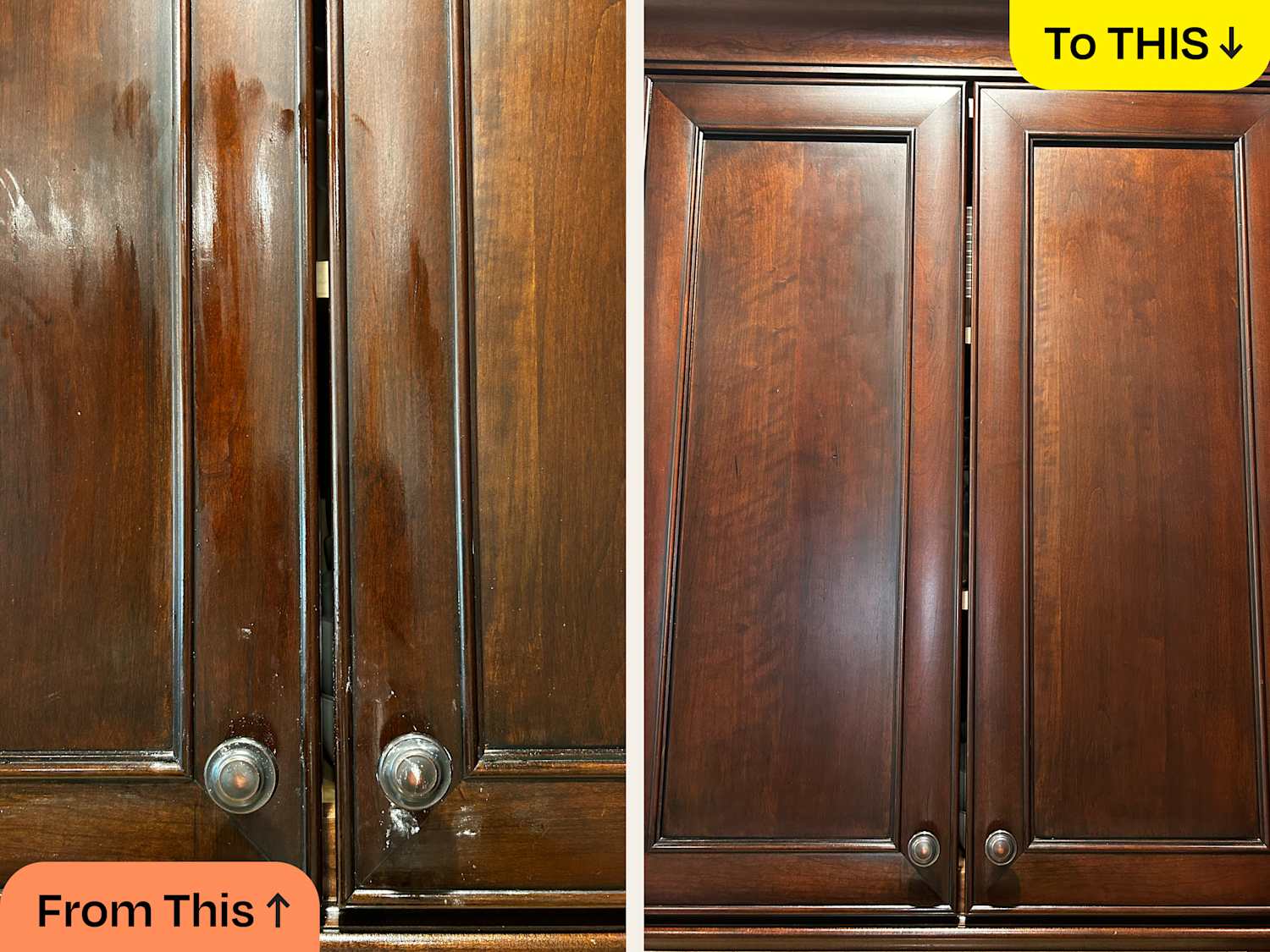
Credit: www.thekitchn.com
Causes Of Mould Smell
Mould smell in kitchen cupboards comes from hidden problems. These problems create the perfect space for mould to grow. Knowing what causes the smell helps you stop it.
Most mould smells come from moisture, bad air flow, or food left behind. Each cause needs a different way to fix it. Let’s look at the main causes.
Humidity And Moisture
Humidity and moisture are the top reasons mould grows in cupboards. Water from wet dishes or leaks creates damp spaces. Mould needs moisture to live and spread.
- Leaky pipes or taps inside or near cupboards
- Wet dishes stored before drying fully
- High humidity in the kitchen from cooking or boiling water
- Spills not cleaned up right away
Poor Ventilation
When cupboards do not get fresh air, moisture stays trapped inside. This creates a damp environment that mould loves. Poor ventilation can come from sealed cupboards or no airflow in the kitchen.
| Cause | Effect |
| Closed cupboard doors for long periods | Air becomes stale and moist |
| Lack of kitchen exhaust fans | Humidity builds up after cooking |
| Windows kept shut | Less fresh air to dry cupboards |
Food Residue And Spills
Leftover food and spills inside cupboards feed mould. Sticky or wet food bits attract mould spores. If not cleaned, they cause bad smells and mould growth.
Common food residues that cause mould smell include:
- Crumbs from bread or snacks
- Sugar or syrup spills
- Oily stains from cooking oils
- Old fruit or vegetables stored inside
Preparation Before Cleaning
Removing mould smell from kitchen cupboards starts with good preparation. Proper steps help you clean well and stop mould from coming back.
Before cleaning, get everything ready. This makes the process faster and safer for you and your kitchen.
Emptying The Cupboards
Take all items out of the cupboards. This lets you clean all surfaces properly. Check each item for mould or damp smell.
Throw away anything that has mould or is spoiled. Clean the items that you want to keep to avoid spreading mould.
Gathering Cleaning Supplies
Collect all cleaning materials before you start. This saves time and makes the job easier.
- White vinegar or baking soda for natural cleaning
- Warm water and mild detergent
- Soft cloths or sponges
- Scrub brush for tough spots
- Spray bottle for applying solutions
- Trash bag for mouldy items
Protective Measures
Wear gloves and a mask to protect your skin and lungs from mould spores. Open windows to keep air fresh while cleaning.
Use old clothes that cover your arms. Keep pets and children away from the cleaning area for safety.
Effective Cleaning Techniques
Mould smell in kitchen cupboards can be unpleasant and unhealthy. Removing the smell needs proper cleaning methods.
This guide explains simple ways to clean and freshen your cupboards using common products.
Using Vinegar Solutions
White vinegar is a natural cleaner that kills mould and removes bad odors. Mix equal parts of vinegar and water in a spray bottle.
Spray the solution inside your cupboards and let it sit for 15 minutes. Then, wipe with a clean cloth and let it dry completely.
Baking Soda Application
Baking soda absorbs smells and helps clean surfaces. Sprinkle baking soda inside the cupboards or on a damp cloth to scrub the area.
- Leave baking soda in a small open container inside the cupboard for a few days.
- Wipe away any residue with a damp cloth after cleaning.
- Repeat this process weekly to keep the smell away.
Commercial Mould Removers
Commercial mould removers contain chemicals to kill mould quickly. Always follow the instructions on the product label.
| Product Type | Usage Tips |
| Spray Remover | Spray on mould, wait 10 minutes, then wipe clean. |
| Gel Remover | Apply gel, let it sit longer for tough mould, then rinse. |
| Foam Remover | Use foam for hard-to-reach corners, scrub gently. |
Deodorizing The Cupboards
Mould smell in kitchen cupboards can be strong and unpleasant. Deodorizing helps remove the bad odor and freshens the space.
Using natural items can absorb or mask the smell. These options are safe and easy to use in your kitchen cupboards.
Activated Charcoal
Activated charcoal is great at absorbing odors. It traps moisture and smells inside its porous surface.
Place small bags or bowls of activated charcoal inside the cupboards. Leave them for a few days to see the smell fade.
Essential Oils
Essential oils add a fresh scent that can cover mould smells. Oils like tea tree, eucalyptus, or lavender work well.
Soak cotton balls with a few drops of oil and place them in the cupboards. Replace them every few days for lasting freshness.
Coffee Grounds
Used coffee grounds absorb bad odors and add a mild coffee scent. They help neutralize the mould smell naturally.
Put dry, used coffee grounds in open containers inside the cupboards. Change them every week to keep the cupboards smelling fresh.
Preventing Future Mould Growth
Mould smell in kitchen cupboards comes from dampness and poor air flow. Stopping mould means keeping the cupboards dry and clean.
Preventing mould helps keep your kitchen fresh and safe. Use simple habits to stop mould from coming back.
Maintaining Dryness
Moisture causes mould to grow quickly. Keep your cupboards dry to stop mould from growing.
Check for leaks and fix them fast. Use a small dehumidifier if your kitchen is very humid.
- Wipe spills and wet spots immediately
- Avoid storing wet dishes inside cupboards
- Keep cupboard doors open after cooking to dry air
- Use moisture absorbers like silica gel packs
Improving Airflow
Air movement helps dry moisture and stops mould. Good airflow lowers dampness inside cupboards.
Open windows or use exhaust fans to increase air circulation in the kitchen.
- Keep cupboard doors slightly open sometimes
- Use kitchen fans when cooking
- Install vents or grills in cupboard doors
- Arrange items to leave space for air to flow
Regular Cleaning Routine
Cleaning cupboards often removes mould spores and dirt. This prevents mould from growing back.
Use mild soap and warm water to clean shelves and walls. Dry cupboards well after cleaning.
- Clean kitchen cupboards at least once a month
- Check for mould spots and clean them quickly
- Throw away old food that can cause smells
- Use natural cleaners like vinegar or baking soda

Credit: www.aol.com

Credit: www.aol.com
Frequently Asked Questions
How To Identify Mould Smell In Kitchen Cupboards?
Mould smell in cupboards is usually musty and damp. It often comes with visible black or green spots. You may notice a persistent unpleasant odor, especially after moisture exposure. Early detection helps prevent health issues and damage.
What Causes Mould Smell In Kitchen Cupboards?
Mould smell is caused by excess moisture and poor ventilation. Leaks, spills, or high humidity create the perfect environment for mould growth. Organic materials like wood or food residues fuel mould development inside cupboards.
How To Eliminate Mould Smell Naturally From Cupboards?
Use natural remedies like white vinegar, baking soda, or activated charcoal. Clean surfaces with vinegar to kill mould spores. Place baking soda or charcoal inside cupboards to absorb odors. Repeat regularly for lasting freshness.
Can Mould Smell Affect Kitchen Cupboard Health?
Yes, mould weakens cupboard materials like wood and laminates. It can cause warping, staining, or decay over time. Mould also poses health risks such as allergies and respiratory problems. Timely removal is essential.
Conclusion
Getting rid of mould smell in kitchen cupboards is simple with the right steps. Clean the cupboards well and keep them dry. Use natural products like vinegar or baking soda to remove odors. Always allow fresh air to flow in your kitchen.
Regular checks help prevent mould from coming back. A fresh-smelling kitchen feels clean and welcoming. Small actions make a big difference every day. Keep your cupboards mould-free and enjoy a healthy home.